
$89.99
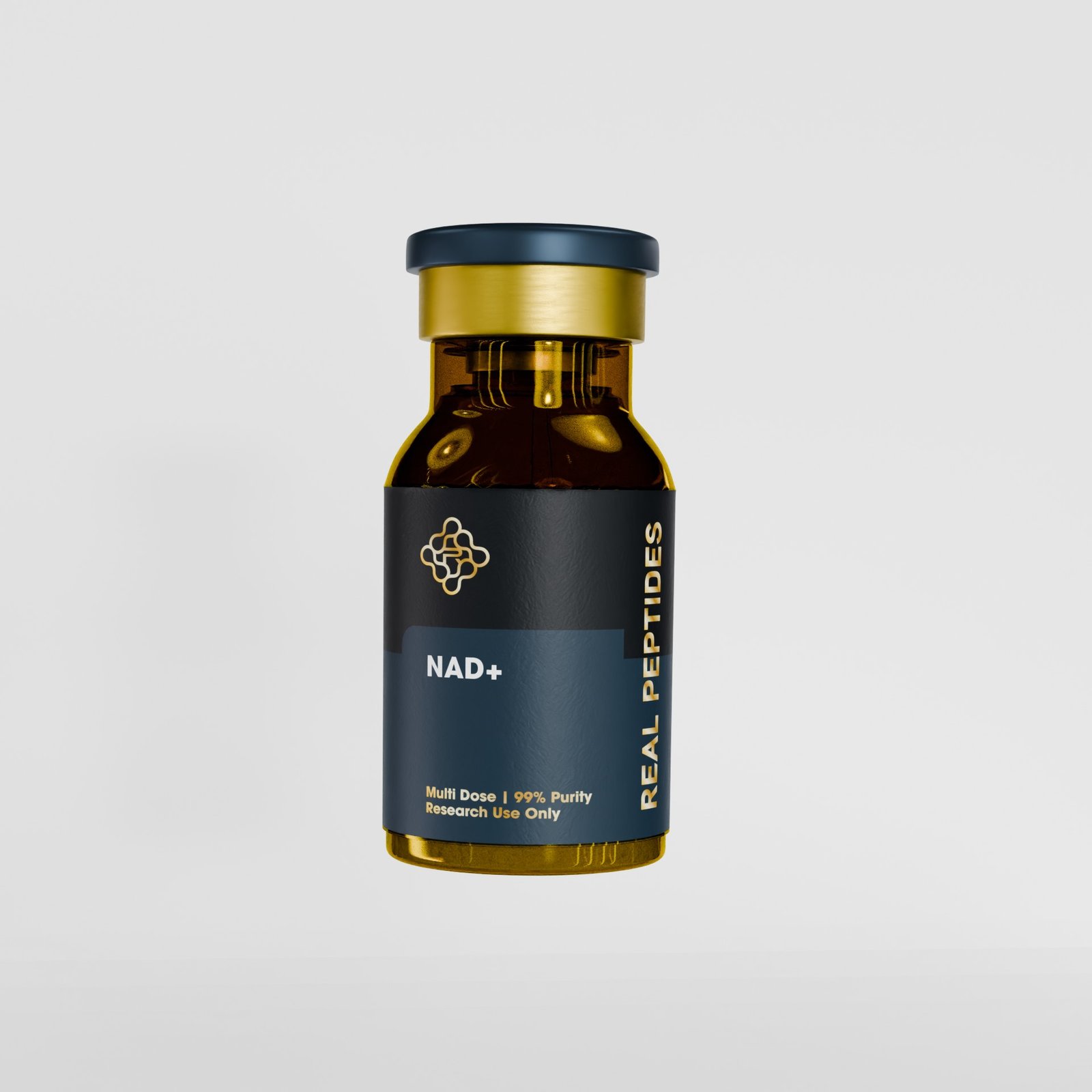
Buy NAD⁺ Injections Online from SourceTides. CAS 53-84-9 | Nicotinamide Adenine Dinucleotide (oxidised) | MW 663.43 g/mol | C₂₁H₂₇N₇O₁₄P₂ | ≥99% HPLC purity (NADH ≤0.5%; AMP ≤0.3%) | Endotoxin <1 EU/mg (LAL) | Moisture <3% w/w | Full CoA | Lyophilised | Dry-ice cold chain. Available: 100 mg, 500 mg, 1000 mg vials. Sirtuin substrate. PARP substrate. CD38 biology. Longevity research coenzyme. WADA not prohibited. For in-vitro laboratory research use only. Not for human consumption.
Buy NAD⁺ Injections Online | Nicotinamide Adenine Dinucleotide | ≥99% Purity | CoA | SourceTides
Buy NAD⁺ Injections Online from SourceTides.
Nicotinamide Adenine Dinucleotide (NAD⁺; CAS 53-84-9) is an endogenous pyridine dinucleotide coenzyme present in all living cells.
It is the most fundamental electron carrier in cellular metabolism — an essential cofactor in over 500 enzymatic reactions and the primary substrate for three families of NAD⁺-consuming enzymes: sirtuins (longevity-associated deacylases), PARPs (DNA damage response polymerases), and CD38 (cyclic ADP-ribose hydrolase).
NAD⁺ levels decline progressively with age — roughly 50% between ages 40 and 60 — driven by declining NAMPT biosynthetic activity, increasing CD38-mediated consumption, and elevated PARP activity from accumulating DNA damage.
This age-related NAD⁺ deficit underlies mitochondrial dysfunction, impaired DNA repair, reduced sirtuin activity, and many hallmarks of biological ageing.
SourceTides supplies research-grade lyophilised NAD⁺ in vial format for reconstitution and subcutaneous or intramuscular administration in preclinical research protocols.
Every vial is tested at ≥99% HPLC purity and ships with a full lot-specific Certificate of Analysis.
For in-vitro laboratory and preclinical research use only. Not for human consumption.
NAD⁺ Injection — Technical Specifications
| Parameter | Specification |
|---|---|
| Common Name | NAD⁺; Nicotinamide Adenine Dinucleotide (oxidised form) |
| Synonyms | β-NAD⁺; β-DPN; DPN; Codehydrogenase I; Coenzyme I; NAD; Diphosphopyridine nucleotide |
| CAS Number | 53-84-9 |
| Molecular Formula | C₂₁H₂₇N₇O₁₄P₂ |
| Molecular Weight | 663.43 g/mol |
| PubChem CID | 5892 |
| Structure | Ribosylnicotinamide 5′-diphosphate linked to adenosine 5′-phosphate via pyrophosphate bridge; adenine + nicotinamide connected through two ribose-phosphate units |
| Compound Class | Endogenous pyridine dinucleotide coenzyme; not a peptide; universal cellular metabolite present in all living organisms |
| Primary Roles | Redox coenzyme (electron carrier NAD⁺ ↔ NADH); substrate for sirtuins (SIRT1–7); substrate for PARPs (DNA repair); substrate for CD38/CD157 (calcium signalling); substrate for SARM1 (axonal degeneration) |
| Physical Form (supplied) | White to off-white lyophilised powder; hygroscopic |
| Available Sizes | 100 mg vial; 500 mg vial; 1000 mg vial |
| Purity | ≥99% (RP-HPLC; UV 260 nm); identity confirmed by ESI-MS |
| Endotoxin | <1 EU/mg (LAL chromogenic assay) |
| Solubility | Freely soluble in water (≥50 mg/mL); reconstitute in sterile water for injection (WFI) or sterile saline (0.9% NaCl); do not use DMSO — not required and may cause degradation |
| Reconstitution | Add sterile WFI or 0.9% NaCl to target concentration; for SC/IM research protocols: 50–100 mg/mL recommended stock; dissolve completely before use; pH of solution ~3–4 (acidic); adjust to pH 7.0–7.4 with sodium bicarbonate if needed for cell culture use |
| Storage — Lyophilised | −20°C long-term (stable 24+ months); 2–8°C short-term; protect from light and moisture; highly hygroscopic — seal immediately after opening; equilibrate sealed vial to room temperature before opening |
| Storage — Reconstituted | 2–8°C for up to 24 hours only; NAD⁺ in aqueous solution is unstable — prepare fresh for each experimental session; freeze aliquots at −80°C if longer storage needed (stable ~1 week at −80°C) |
| Certificate of Analysis | Lot-specific CoA with every order; HPLC chromatogram + MS data + endotoxin result |
| Regulatory Status | NAD⁺ is an endogenous metabolite — not a controlled substance; not FDA-approved as a drug; available as a research compound and through licensed 503A/503B compounding pharmacies in the USA; supplied by SourceTides for research use only |
| WADA Status | Not listed on the 2024–2025 WADA Prohibited List; endogenous metabolite — not prohibited |
What Is NAD⁺?
NAD⁺ (nicotinamide adenine dinucleotide) is not a drug or a peptide. It is a coenzyme — a small molecule that assists enzymes in performing chemical reactions. It exists in every cell in your body and every cell in every other living organism. Without it, cellular energy production stops completely. NAD⁺ is to metabolism what the electrical grid is to a city: invisible when it works, catastrophic when it doesn’t.
The molecule consists of two nucleotides — adenine and nicotinamide — joined by a pyrophosphate bridge. Its defining chemical feature is the nicotinamide ring, which can accept (NAD⁺ → NADH) or donate (NADH → NAD⁺) a hydride ion (H⁻). This reversible reduction-oxidation reaction is the basis of cellular energy production: the electron transport chain in mitochondria runs entirely on NADH donating electrons to generate ATP. Roughly 90% of cellular ATP depends on this NAD⁺/NADH cycling.
Beyond energy metabolism, NAD⁺ serves as the substrate — the molecule consumed, not just assisted — for three major enzyme families that regulate cellular longevity, genomic stability, and immune function. Sirtuins consume NAD⁺ to remove acetyl groups from histones and metabolic enzymes. PARPs consume NAD⁺ to build poly-ADP-ribose chains at DNA damage sites. CD38 consumes NAD⁺ to produce cyclic ADP-ribose, a calcium-mobilising second messenger. When NAD⁺ levels fall, all three of these systems are compromised simultaneously — which is why age-related NAD⁺ decline has such broad consequences.
NAD⁺ levels in human tissue peak in early adulthood and decline with age at approximately 1–2% per year. By age 50, most adults have roughly half the NAD⁺ levels of a 20-year-old. By age 60, NAD⁺ can be 50–80% lower in some tissues. This decline is not passive — it is driven by three active mechanisms: declining NAMPT (the rate-limiting biosynthetic enzyme), rising CD38 activity in senescent and inflammatory cells, and increasing PARP1 activation from accumulating DNA damage. Restoring NAD⁺ levels through supplementation or precursor delivery is one of the most active research areas in longevity biology. When you buy NAD⁺ Injections from SourceTides, you access research-grade lyophilised NAD⁺ with ≥99% HPLC purity and a full lot-specific CoA for preclinical research.
Why the Injectable Format? NAD⁺ Route of Administration in Research
The Core Problem with Oral NAD⁺
Oral supplementation with NAD⁺ itself is largely ineffective. When NAD⁺ is taken orally, intestinal and hepatic enzymes convert most of it to nicotinamide (NAM) before it reaches systemic circulation — the full dinucleotide form does not survive gut transit intact in meaningful amounts. This is why oral NAD⁺ supplementation research has focused almost entirely on precursors: NMN (nicotinamide mononucleotide) and NR (nicotinamide riboside) can be absorbed by cells and converted to NAD⁺ intracellularly by salvage pathway enzymes.
For research applications where the NAD⁺ molecule itself must be delivered systemically — bypassing gut degradation — injectable formats are essential. Subcutaneous or intramuscular injection of reconstituted NAD⁺ delivers the intact dinucleotide directly into the bloodstream, where it can be taken up by cells via the Connexin 43 hemichannel and CD73/ENPP1 extracellular NAD⁺ uptake pathways. The 2019 pilot pharmacokinetic study by Trammell et al. (PMC: PMC6751327) documented changes in plasma NAD⁺ metabolome during IV infusion — providing the first human data on the fate of directly infused NAD⁺, which shows a delayed rise in plasma NAD⁺ metabolites and rapid conversion to nicotinamide, ADPR, and NMN fragments.
SC vs IM vs IV: Which Format for Which Research Question?
| Route | Onset | Peak Plasma | Best For | Notes |
|---|---|---|---|---|
| Subcutaneous (SC) | 15–45 min | 1–3 hours | Chronic rodent dosing studies; once-daily metabolic research protocols; convenient for repeated administration | Slower absorption than IV; sustained release profile; standard route for most preclinical NAD⁺ dosing; SourceTides vials designed for SC reconstitution and use |
| Intramuscular (IM) | 10–30 min | 30–90 min | Higher tissue NAD⁺ delivery; muscle-specific uptake studies; faster onset than SC | More rapid absorption than SC; relevant for skeletal muscle NAD⁺ metabolism and exercise biology research |
| Intravenous (IV) | Immediate | During infusion | Acute plasma NAD⁺ metabolomics; pharmacokinetic studies; maximum systemic bioavailability | Requires sterile, endotoxin-free preparation and institutional oversight for in-vivo use; SourceTides lyophilised vials can be reconstituted for IV use in properly equipped research settings |
How NAD⁺ Works — The Four Critical Pathways
Pathway 1 — Mitochondrial Energy Production: The Electron Transport Chain
NAD⁺ is the essential electron acceptor in the three major metabolic pathways that generate cellular energy: glycolysis, the citric acid (Krebs) cycle, and beta-oxidation of fatty acids. In each of these pathways, metabolic substrates are oxidised and their electrons transferred to NAD⁺, reducing it to NADH. NADH then donates these electrons to Complex I of the mitochondrial electron transport chain — the starting point of oxidative phosphorylation — which uses them to pump protons across the inner mitochondrial membrane and drive ATP synthesis.
When NAD⁺ levels fall, this entire cascade slows. NADH accumulates (cells become more reduced), the NAD⁺/NADH ratio drops, glycolytic flux decreases, the Krebs cycle slows, and mitochondrial ATP output declines. This is the primary mechanism linking low NAD⁺ to the fatigue, poor exercise capacity, and metabolic dysfunction associated with ageing. Restoring NAD⁺ normalises the NAD⁺/NADH ratio and restores metabolic flux. In research terms, measuring the NAD⁺/NADH ratio is the primary biochemical readout of mitochondrial health and NAD⁺ repletion efficacy.
Pathway 2 — Sirtuin Activation: Longevity and Epigenetic Regulation
Sirtuins (SIRT1–7) are NAD⁺-dependent deacylases — enzymes that remove acetyl and other acyl groups from lysine residues on histones and metabolic enzymes. They require NAD⁺ as a co-substrate, consuming one molecule of NAD⁺ per deacylation reaction. When NAD⁺ is abundant, sirtuins are active. When NAD⁺ falls, sirtuin activity falls in parallel — regardless of sirtuin protein levels.
SIRT1 is the most studied: it deacetylates histones (epigenetic silencing), PGC-1α (mitochondrial biogenesis), FOXO transcription factors (stress resistance and autophagy), and p53 (apoptosis regulation). SIRT3 is the primary mitochondrial sirtuin — it activates oxidative phosphorylation enzymes, antioxidant enzymes (MnSOD), and fatty acid oxidation enzymes through deacetylation. SIRT6 maintains genomic stability and telomere integrity. Low NAD⁺ → low sirtuin activity → impaired mitochondrial biogenesis, reduced antioxidant defence, compromised genomic stability, and accelerated biological ageing.
The foundational research on NAD⁺-sirtuin biology was established by Leonard Guarente’s group at MIT and David Sinclair’s group at Harvard. A landmark review (Imai & Guarente, PMC4112140) established the central role of NAMPT-mediated NAD⁺ biosynthesis and sirtuin activity in regulating metabolism, circadian rhythm, and ageing. Restoring NAD⁺ — through direct supplementation, precursors, or NAMPT activation — reactivates this entire longevity-associated regulatory network. This is the primary research rationale for injectable NAD⁺ in ageing biology.
Pathway 3 — PARP-Mediated DNA Repair
PARP1 (Poly-ADP-ribose polymerase 1) is the first responder to DNA strand breaks. When DNA is damaged — by UV radiation, reactive oxygen species, or replication errors — PARP1 binds the break site and consumes enormous amounts of NAD⁺ to synthesise poly-ADP-ribose (PAR) chains on itself and nearby histones. These PAR chains serve as docking sites for DNA repair proteins. PARP1 is not selective about NAD⁺ usage — at high levels of DNA damage, it can consume enough NAD⁺ in minutes to deplete cellular reserves substantially, paradoxically impairing energy production and sirtuin activity at exactly the moment the cell needs them most.
As organisms age, DNA damage accumulates, PARP1 becomes chronically activated, and the resulting NAD⁺ drain contributes to the progressive NAD⁺ decline of ageing. PARP1 knockout mice have elevated NAD⁺ levels, increased SIRT1 activity, and improved metabolic function — confirming the PARP-NAD⁺-sirtuin competition model. For researchers studying DNA repair, genomic stability, or the PARP-NAD⁺-sirtuin axis, injectable NAD⁺ is the primary tool for rescuing NAD⁺ levels experimentally and separating the contributions of each pathway.
Pathway 4 — CD38-Mediated NAD⁺ Consumption and Calcium Signalling
CD38 is a cell-surface ectoenzyme expressed on immune cells, neurons, and many other cell types. It catalyses the conversion of NAD⁺ to cyclic ADP-ribose (cADPR) and ADPR — calcium-mobilising second messengers important for immune cell activation, neuronal function, and insulin secretion. CD38 is extraordinarily inefficient: it converts roughly 100 molecules of NAD⁺ to produce one molecule of cADPR. It is the single largest NAD⁺-consuming enzyme in mammals and the primary driver of the age-related NAD⁺ decline.
CD38 expression increases dramatically with age and with chronic inflammation — both processes that accompany normal ageing (inflammaging). Senescent cells secrete the SASP (senescence-associated secretory phenotype), which drives neighbouring cells to upregulate CD38, creating a feed-forward loop of NAD⁺ depletion. CD38 knockout mice maintain youthful NAD⁺ levels into old age and show improved mitochondrial function and exercise capacity. For researchers studying the ageing immune system, neuroinflammation, or NAD⁺ metabolism, CD38 is a critical research target — and injectable NAD⁺ is the tool for exploring how NAD⁺ repletion interacts with CD38 activity in tissue models.
NAD⁺ Research Evidence
| Research Area | Evidence Level | Key Finding | Source |
|---|---|---|---|
| IV NAD⁺ Plasma Metabolomics (humans) | Pilot human PK study (n=6; 6-hour IV infusion) | First human data on directly infused NAD⁺ fate; plasma NAD⁺ rise delayed ~2 hours; rapid conversion to nicotinamide, ADPR, and NMN; characterises the metabolomic footprint of direct IV NAD⁺ delivery | Trammell et al. 2019 — PMC6751327 |
| IV NAD⁺ vs NR IV Tolerability (humans) | Retrospective tolerability study (Frontiers in Aging 2026) | Four consecutive days 500 mg IV NAD⁺ or NR IV; NAD⁺ IV required longer infusion time but was tolerable; exploratory metabolic outcomes variable; provides comparative safety data for direct NAD⁺ vs precursor IV delivery | Reyna et al. 2026 — PMC12907335 |
| NAD⁺-Sirtuin Ageing Biology | Landmark review and preclinical data (Guarente lab; MIT) | NAMPT-mediated NAD⁺ biosynthesis and SIRT1 co-regulate metabolism, circadian rhythm, and longevity; NAD⁺ decline with age → reduced sirtuin activity → multiple ageing phenotypes; NAMPT overexpression extends lifespan in animal models | Imai & Guarente 2014 — PMC4112140 |
| CD38 as Primary Driver of NAD⁺ Decline | Preclinical (Camacho-Pereira et al.; Nature Metabolism) | CD38 expression increases with age and inflammation; CD38 drives NAD⁺ depletion in aged tissues; CD38 knockout mice maintain youthful NAD⁺ levels; senescent cell-driven CD38 upregulation identified as feed-forward NAD⁺ depletion mechanism | PMC11544843 — CD38 and NAD⁺ Skin Ageing 2024 |
| PARP-NAD⁺-Sirtuin Competition | Preclinical (PARP1 knockout models; multiple groups) | PARP1 knockout mice show elevated NAD⁺, increased SIRT1 activity, and improved metabolic function; chronic PARP1 activation in ageing confirmed as contributor to NAD⁺ decline; PARP inhibitors increase NAD⁺ and sirtuin activity | Imai & Guarente 2014 — PMC4112140 |
| Sirtuin-Cardiovascular Biology | Review and preclinical (Kane & Sinclair; Circulation Research) | NAD⁺ and sirtuins are central regulators of cardiovascular and metabolic homeostasis; NAMPT upregulation protects against ischaemia-reperfusion injury; NMN protects cardiac tissue; SIRT1 modulates lipid metabolism, insulin signalling, and atherosclerosis | Kane & Sinclair 2018 — Circulation Research |
| NAD⁺ and Neurodegeneration | Review (Springer Neuroscience Bulletin 2023); multiple preclinical models | Brain NAD⁺ declines with age (confirmed by in vivo MR spectroscopy in humans); low NAD⁺ associated with Parkinson’s, Alzheimer’s, and ALS disease states; NAD⁺ repletion via NMN/NR or direct supplementation shows neuroprotective effects in multiple animal models | Neuroscience Bulletin 2023 — Springer |
| In-Brain NAD⁺ (humans; MR spectroscopy) | Non-invasive human measurement (Zhu et al. PNAS 2015) | In vivo MR spectroscopy confirmed intracellular NAD⁺ contents and redox state in healthy human brain and documented age-dependent decline — first non-invasive human brain NAD⁺ quantification; established the human relevance of preclinical ageing-NAD⁺ data | Zhu et al. 2015 — PNAS PubMed PMID: 25730866 |
NAD⁺ Decline and the Hallmarks of Ageing
To understand why NAD⁺ repletion research is so active, you need to understand how central NAD⁺ is to the molecular hallmarks of ageing defined by López-Otín et al. NAD⁺ is not tangentially involved in ageing — it sits at the intersection of at least six of the nine hallmarks.
| Hallmark of Ageing | NAD⁺ Connection | Mechanism |
|---|---|---|
| Genomic instability | PARP1 requires NAD⁺ for DNA repair; SIRT6 requires NAD⁺ for telomere and genome maintenance | Low NAD⁺ impairs both the repair response (PARP) and the maintenance surveillance (SIRT6); DNA damage accumulates faster |
| Telomere attrition | SIRT6 deacetylates and stabilises telomeric histones; SIRT1 co-regulates telomerase | Low NAD⁺ reduces SIRT6 activity → faster telomere shortening; complements Epithalon’s telomerase activation mechanism |
| Epigenetic alterations | SIRT1, SIRT2, SIRT3, SIRT6, and SIRT7 are all histone deacetylases requiring NAD⁺ | Low NAD⁺ causes global histone hyperacetylation and dysregulated gene expression — a central epigenetic feature of ageing; NAD⁺ repletion restores sirtuin-mediated epigenetic control |
| Loss of proteostasis | SIRT1 regulates autophagy via FOXO and BECN1 deacetylation; SIRT3 regulates mitochondrial protein quality control | Low NAD⁺ impairs autophagy (protein clearance) and mitochondrial quality control — misfolded protein accumulation follows |
| Mitochondrial dysfunction | NAD⁺/NADH cycle drives electron transport chain; SIRT3 activates mitochondrial enzymes; SIRT1 drives PGC-1α-mediated mitochondrial biogenesis | The most direct NAD⁺-ageing connection; low NAD⁺ reduces ATP output, increases ROS production, and impairs mitochondrial number — the hallmark most immediately restored by NAD⁺ repletion |
| Cellular senescence | Senescent cells drive CD38 upregulation in neighbouring cells via SASP; PARP1 activation in senescent cells further depletes NAD⁺ | Senescence causes NAD⁺ depletion via CD38 and PARP; NAD⁺ depletion in turn impairs SIRT1, which normally suppresses senescence pathways — creating a feed-forward ageing loop |
What Is NAD⁺ Injectable Used for in Research?
| Research Field | Application | Why Injectable NAD⁺ |
|---|---|---|
| Longevity / Ageing Biology | Sirtuin activity restoration; hallmarks of ageing models; healthspan extension; biological age measurement | Injectable NAD⁺ bypasses gut degradation; delivers intact dinucleotide for direct cellular uptake; superior to oral NAD⁺ for tissue-level repletion studies; studied alongside Epithalon and Thymalin in multi-pathway longevity research panels |
| Mitochondrial Research | NAD⁺/NADH ratio measurement; ATP production; ETC complex activity; mitochondrial biogenesis (PGC-1α); SIRT3 activity | The NAD⁺/NADH ratio is the primary readout of mitochondrial metabolic status; injectable NAD⁺ allows acute and chronic manipulation of this ratio in vivo; complements MK-677 and Sermorelin for comprehensive metabolic research panels |
| DNA Damage and Repair | PARP1 activity assays; poly-ADP-ribosylation; DNA strand break repair; NAD⁺-PARP-sirtuin competition axis | NAD⁺ is the substrate PARP1 consumes for PAR chain synthesis; injectable NAD⁺ allows controlled substrate delivery to study the PARP-NAD⁺-sirtuin competition in response to genotoxic stress; directly relevant to cancer biology and DNA damage response research |
| Sirtuin Pharmacology | SIRT1–7 activity assays; NAD⁺ kinetics of sirtuin catalysis; epigenetic modification studies; sirtuin activator/inhibitor research | All sirtuins require NAD⁺ as co-substrate; injectable NAD⁺ enables controlled NAD⁺ supply in ex-vivo tissue and in-vivo models to dissect how NAD⁺ availability limits sirtuin activity in each tissue compartment |
| Neurodegenerative Disease | Alzheimer’s, Parkinson’s, ALS models; neuronal NAD⁺ metabolism; SARM1-mediated axonal degeneration; neuroprotection | Brain NAD⁺ declines with age and neurodegeneration; injectable NAD⁺ crosses the BBB poorly — used systemically to elevate plasma and precursor availability; complements Pinealon, DSIP, and Selank Amidate in neuroprotection research panels |
| Metabolic Syndrome / Diabetes Research | Insulin sensitivity; glucose metabolism; SIRT1-PGC-1α-GLUT4 axis; adipose tissue NAD⁺; hepatic lipid metabolism | NAD⁺ repletion improves insulin sensitivity in obese animals via SIRT1 activation; SIRT3 activates fatty acid oxidation enzymes; relevant to complement Semaglutide and Tirzepatide research in metabolic disorder models |
| Cardiovascular Research | Cardiac NAMPT/NAD⁺ axis; ischaemia-reperfusion injury; SIRT1/SIRT3 cardioprotection; heart failure models | Cardiac NAD⁺ is almost entirely synthesised via the NAMPT salvage pathway; injectable NAD⁺ provides direct repletion in cardiac ischaemia models; NAMPT overexpression and NMN protect against I/R injury (multiple preclinical models) |
| Muscle Biology / Sarcopenia | Skeletal muscle NAD⁺ decline; muscle mitochondrial function; SIRT1-PGC-1α-mitochondrial biogenesis; exercise capacity | Skeletal muscle NAD⁺ declines significantly with age and is directly linked to mitochondrial dysfunction and sarcopenia; IM injection targets skeletal muscle NAD⁺ directly; studied alongside MK-677, Ipamorelin, and IGF-1 LR3 in combined muscle biology protocols |
NAD⁺ Stability and Handling — Critical Research Considerations
| Parameter | Value / Notes | Research Implication |
|---|---|---|
| Lyophilised Stability | −20°C: 24+ months; 2–8°C: 6 months; room temp: weeks; protect from light and moisture | Store at −20°C for all long-term storage; do not keep at room temperature — even sealed vials degrade faster; the lyophilised form is the stable research vehicle |
| Reconstituted Stability | 2–8°C: maximum 24 hours; −80°C: approximately 1 week; room temperature: minutes to hours only; highly unstable in acidic or basic conditions | Always prepare fresh reconstituted solutions on the day of use; never store reconstituted NAD⁺ for next-day use; if single-use aliquots needed, freeze immediately at −80°C and use within 1 week with minimum freeze-thaw cycles |
| pH Sensitivity | NAD⁺ is most stable at slightly acidic pH (6.0–7.0); hydrolysis accelerates above pH 7.5 and below pH 5.0; freshly reconstituted solution is pH ~3–4 | For cell culture use: adjust pH to 7.0–7.4 with sodium bicarbonate immediately before adding to media; for SC/IM research protocols: reconstitute in sterile saline (pH ~5.5–6.0 is acceptable for injection and more stable than pH 7.4) |
| Light Sensitivity | Moderate UV sensitivity via the adenine ring; use amber tubes for reconstituted solutions; protect lyophilised vials from prolonged light exposure | Use amber microcentrifuge tubes for reconstituted working solutions; avoid prolonged bench exposure before use |
| Hygroscopicity | Highly hygroscopic lyophilised powder; absorbs moisture rapidly on opening | Equilibrate sealed vial to room temperature before opening (prevents condensation); weigh or reconstitute quickly after opening; reseal immediately; store desiccated |
| Reconstitution Solvent | Sterile water for injection (WFI) or 0.9% sterile NaCl; freely soluble at ≥50 mg/mL; do not use DMSO or organic solvents | For SC/IM administration: reconstitute in sterile saline to 50–100 mg/mL; for cell culture: reconstitute in sterile WFI, then dilute in media; filter through 0.22 µm syringe filter before use |
NAD⁺ Injection Quality Control at SourceTides
Every batch of NAD⁺ Injectable from SourceTides passes these tests before release. Endotoxin testing is particularly critical for NAD⁺ — LPS contamination activates NF-κB and inflammatory pathways that directly consume NAD⁺ via PARP1 and CD38, confounding any NAD⁺ biology experiment.
| Test | Method | Specification | Why It Matters |
|---|---|---|---|
| Purity | RP-HPLC (C18; UV 260 nm — adenine absorbance peak) | ≥99% peak area; NADH ≤0.5%; AMP ≤0.3%; ADP ≤0.2% | NAD⁺ synthesis produces NADH, AMP, ADP, and NMN as common by-products; each has different biological activity; ≥99% ensures research results reflect NAD⁺ specifically; NADH impurity would confound NAD⁺/NADH ratio measurements |
| Identity | ESI-MS ([M+H]⁺ = 664.43 Da; [M+2H]²⁺ = 332.72 Da) | Confirmed MW 663.43 g/mol; adenine and nicotinamide moieties confirmed | Confirms intact dinucleotide vs degradation products (NMN, NAM, ADPR) which appear at different masses |
| Endotoxin | LAL chromogenic assay | <1 EU/mg | Critically important for NAD⁺ biology: LPS activates NF-κB → upregulates CD38 expression and PARP1 activity → consumes NAD⁺; endotoxin contamination would reduce the NAD⁺ levels being studied and confound every sirtuin, PARP, and NAD⁺/NADH measurement |
| Residual Moisture | Karl Fischer titration | <3% w/w | Lower moisture specification than other compounds: NAD⁺ hydrolysis is accelerated by residual water — the pyrophosphate bridge is the primary hydrolysis site; moisture causes NADH and ADP formation during storage |
| Appearance | Visual inspection | White to off-white powder; no yellowing or caking | Yellow or brown tinge indicates significant NADH formation from NAD⁺ reduction — batch is compromised; any discolouration means reject for quantitative experiments |
| Cold-Chain Dispatch | Dry-ice packaging; temperature-logged | ≤−20°C throughout transit | NAD⁺ is more temperature-sensitive than most research peptides; dry-ice cold chain is mandatory, not optional |
| Certificate of Analysis | Lot-specific PDF | HPLC + MS + endotoxin + moisture + NADH/AMP/ADP impurity profile + dates | NAD⁺ CoA includes the NADH, AMP, and ADP impurity percentages as mandatory fields — unique among research compounds at SourceTides |
NAD⁺ Regulatory Status
| Jurisdiction | Status | Notes |
|---|---|---|
| USA (FDA) | Not a DEA controlled substance; endogenous metabolite; available through licensed 503A/503B compounding pharmacies (with physician prescription); research-grade supplied by SourceTides for laboratory use | NAD⁺ is an endogenous metabolite, not a xenobiotic. It is not on the DEA schedule. Licensed 503A (patient-specific) and 503B (outsourcing facility) compounding pharmacies can compound injectable NAD⁺ for clinical use under physician supervision. SourceTides supplies research-grade lyophilised powder for laboratory research — not as a compounded pharmaceutical preparation. |
| Australia (TGA) | Not a scheduled poison; available through authorised prescribing and TGA Special Access Scheme for clinical use; research-grade for laboratory use | Clinical injectable NAD⁺ available through TGA SAS-B pathway. SourceTides supplies research-grade for laboratory use only. |
| United Kingdom (MHRA) | Not a controlled drug; unlicensed special available through licensed specials manufacturers; research-grade for laboratory use | Not under the Misuse of Drugs Act 1971. Unlicensed injectable NAD⁺ may be available through MHRA-licensed specials manufacturers for clinical use. SourceTides supplies research-grade only. |
| Canada (Health Canada) | Not a CDSA controlled substance; research-grade available for laboratory use | Not a controlled substance. Laboratory research access. Compounded injectable preparations may be available through licensed compounding pharmacies under Health Canada oversight. |
| European Union (EMA) | No EMA marketing authorisation as a drug; available as a supplement and through national compounding frameworks; research-grade for laboratory use | NAD⁺ is available in some EU countries through magistral (compounding) pharmacies for clinical use. No pan-EU pharmaceutical authorisation. |
| WADA | Not listed on the 2024–2025 WADA Prohibited List; not prohibited | NAD⁺ is an endogenous metabolite. It is not prohibited in sport. No performance-enhancing classification. Verify current WADA list at wada-ama.org annually — the list is updated each year. |
Frequently Researched Alongside NAD⁺ Injectable
These compounds are the most common research partners for injectable NAD⁺ across longevity, metabolic, and neuroprotective research protocols:
- Epithalon 10 mg — Khavinson pineal bioregulator; telomerase activation and SIRT6-parallel telomere protection; studied alongside NAD⁺ in longevity protocols combining direct sirtuin substrate delivery (NAD⁺) with telomerase activation (Epithalon) for complementary genomic stability research
- Thymalin 10 mg — Thymic immune bioregulator; T-cell differentiation; immunosenescence; studied alongside NAD⁺ in multi-axis ageing protocols examining immune and metabolic ageing simultaneously
- Pinealon 10 mg — CNS neuroprotection via SOD2/GPX1 antioxidant upregulation; studied alongside NAD⁺ for combined SIRT3-mitochondrial antioxidant (NAD⁺) and direct antioxidant enzyme (Pinealon) neuroprotection research
- Sermorelin 10 mg — GHRH agonist; GH-IGF-1 axis; GH drives mitochondrial biogenesis via IGF-1-PI3K-mTOR; studied alongside NAD⁺ for combined SIRT1-PGC-1α (NAD⁺-driven) and GH-IGF-1 mitochondrial biogenesis research
- MK-677 Ibutamoren — Oral GH secretagogue; IGF-1 elevation; studied alongside NAD⁺ in sarcopenia and body composition research combining GH axis activation with NAD⁺-sirtuin metabolic restoration
- Ipamorelin 10 mg — Selective GHS-R1a agonist; clean GH pulse; studied alongside NAD⁺ in muscle ageing protocols combining GH-driven anabolism with NAD⁺-driven mitochondrial restoration
- IGF-1 LR3 — Direct IGF-1R agonist; downstream effector of GH axis; studied with NAD⁺ where NAD⁺-sirtuin-FOXO axis and IGF-1-PI3K-AKT longevity pathway interactions are being investigated
- BPC-157 — Tissue repair via VEGFR2/NO/FAK; studied alongside NAD⁺ in recovery and regeneration protocols where tissue repair (BPC-157) and mitochondrial energy restoration (NAD⁺) are combined
- Semaglutide — GLP-1R agonist; metabolic syndrome; NAD⁺ and GLP-1 signalling converge on SIRT1 and mitochondrial metabolism — studied together in type 2 diabetes and MASLD models
- DSIP Peptide 5 mg — Delta sleep neuropeptide; SOD/GPX upregulation; studied with NAD⁺ in sleep-mitochondrial metabolism research — NAD⁺ is highest during sleep and NAD⁺ biosynthesis follows circadian rhythm via NAMPT-CLOCK/BMAL1 coupling
- Selank Amidate 10 mg — GABAergic anxiolytic; IL-6 suppression; IL-6 drives CD38 expression in inflammatory conditions — studied with NAD⁺ in neuroinflammation protocols where Selank’s IL-6 suppression protects NAD⁺ from CD38-mediated depletion
- Melanotan-1 10 mg — MC1R agonist; cAMP-CREB-NER DNA repair; both NAD⁺ (via PARP/sirtuins) and MC1R activation (via NER) protect genomic integrity — studied together in melanocyte DNA damage response and melanoma prevention research
Frequently Asked Questions
You can buy research-grade injectable NAD⁺ directly from SourceTides. Every vial includes a lot-specific Certificate of Analysis with the RP-HPLC chromatogram (≥99% purity at UV 260 nm with impurity profile for NADH, AMP, and ADP), ESI-MS identity confirmation (MW 663.43 Da; dinucleotide structure confirmed), residual moisture (<3% w/w), and the LAL endotoxin result (<1 EU/mg). All vials are lyophilised and dispatched on dry-ice cold chain. See the SourceTides shipping policy for dispatch details.
When NAD⁺ is taken orally, intestinal phosphodiesterases and phosphatases degrade most of it to nicotinamide (NAM) before absorption. The intact dinucleotide form does not reach systemic circulation in meaningful quantities via the oral route. This is why oral NAD⁺ supplementation research has focused on precursors — NMN and NR — which are absorbed by cells and converted to NAD⁺ intracellularly via salvage pathway enzymes.
For research applications requiring the intact NAD⁺ molecule to be delivered systemically — to study its direct pharmacokinetics, its plasma metabolomics profile, or to achieve tissue repletion bypassing gut degradation — injectable formats are essential. SC injection delivers intact NAD⁺ directly into the bloodstream, where cells can take it up via Connexin 43 hemichannels and the CD73/ENPP1 extracellular NAD⁺ pathway. The 2019 pilot PK study (PMC6751327) was the first to document plasma NAD⁺ and metabolite changes in humans receiving directly infused NAD⁺. SourceTides supplies injectable NAD⁺ from this product page for research use only.
NAD⁺ in aqueous solution is inherently unstable — this is the most important practical consideration in NAD⁺ research. Here is the correct handling protocol:
For reconstitution: Equilibrate the sealed vial to room temperature before opening. Dissolve in sterile water for injection (WFI) or sterile 0.9% NaCl to your target concentration (50–100 mg/mL for SC/IM protocols; 10 mg/mL for cell culture stock). The freshly reconstituted solution will be acidic (pH ~3–4) — do not adjust pH if using for SC/IM injection in animal studies (slightly acidic is tolerated and provides better stability). For cell culture: adjust pH to 7.0–7.4 with sodium bicarbonate immediately before adding to media.
For storage of reconstituted solutions: Do not store at 2–8°C for more than 24 hours. If you must store, freeze immediately at −80°C and use within 1 week. Avoid freeze-thaw cycles — aliquot into single-use volumes before freezing.
For experiments: Prepare fresh reconstituted solutions on the day of use. Plan your experiment so the interval between reconstitution and administration or assay is minimised. All SourceTides NAD⁺ Injectable CoAs include HPLC purity data confirming the NADH impurity level ≤0.5% — the primary degradation product you must control for.
NAD⁺ is an endogenous metabolite — not a controlled substance in any jurisdiction. In the USA, it is not DEA-scheduled and is legally available as a research compound and through licensed 503A/503B compounding pharmacies with a physician prescription. In the UK, it is not controlled under the Misuse of Drugs Act 1971. In Australia, it is accessible through the TGA Special Access Scheme for clinical use and as a research compound for laboratory use. In Canada, it is not a CDSA controlled substance. NAD⁺ is not WADA-prohibited. SourceTides supplies research-grade lyophilised NAD⁺ for in-vitro laboratory and preclinical research use only. See the SourceTides shipping policy for dispatch details.
The evidence base for injectable NAD⁺ specifically (as opposed to oral precursors NMN/NR) is still developing. Key published findings:
Human IV PK (2019): Trammell et al. documented plasma NAD⁺ metabolomics during 6-hour IV infusion in 6 subjects. Plasma NAD⁺ rise was delayed ~2 hours and rapidly converted to NAM, ADPR, and NMN — providing the first pharmacokinetic map of directly infused NAD⁺ in humans (PMC6751327).
IV NAD⁺ vs NR IV tolerability (2026): Reyna et al. compared 4 consecutive days of 500 mg IV NAD⁺ vs NR IV in a retrospective study. Both were tolerable; NAD⁺ IV required longer infusion times. Exploratory metabolic outcomes were variable (PMC12907335).
Preclinical sirtuin biology: Overwhelming animal data confirms that NAD⁺ repletion (via direct injection, NMN, or NR) restores SIRT1–SIRT3 activity, improves mitochondrial function, reduces DNA damage accumulation, and improves metabolic outcomes in aged animals (Imai & Guarente 2014; PMC4112140).
The limitation: most rigorous human trial data involves oral NMN/NR precursors, not injectable NAD⁺ directly. The injectable format is validated primarily in preclinical models and early human PK studies. All references are on the SourceTides NAD⁺ Injectable page.
NAD⁺ is an endogenous metabolite, so its safety profile differs from xenobiotic compounds. From published clinical and observational data:
IV administration: The most common side effects with IV NAD⁺ infusion are infusion-rate-dependent — flushing, nausea, headache, chest tightness, and a sensation of pressure that typically resolve when the infusion rate is slowed. These are thought to relate to rapid plasma NAD⁺ metabolism producing nicotinamide or other flush-inducing metabolites rather than to direct NAD⁺ toxicity. Slowing the infusion rate resolves these symptoms in most cases (Reyna et al. 2026; PMC12907335).
SC/IM administration: Local injection site reactions (expected for any injectable). In animal models, SC NAD⁺ at research doses is generally well tolerated with no serious adverse events reported.
No known serious toxicity: NAD⁺ is present in every cell in the body. Its metabolites (nicotinamide, AMP, ADP) are all naturally occurring. No organ toxicity has been documented in published studies at standard research doses. Formal GLP toxicology studies specifically for injectable NAD⁺ are limited — treat the safety profile as reassuring but insufficiently characterised for full risk assessment. All SourceTides NAD⁺ Injectable is for research use only.
This is the most important research design question for NAD⁺ biology studies. The choice depends entirely on your research question.
Injectable NAD⁺ advantages: Delivers the intact NAD⁺ dinucleotide directly into the bloodstream, bypassing gut degradation entirely; allows precise pharmacokinetic study of the parent molecule; enables direct plasma and tissue NAD⁺ metabolomics; no dependency on cellular salvage pathway enzyme activity (NAMPT, NRK1/2) which varies between individuals, tissues, and ageing states.
Oral NMN/NR advantages: Multiple completed human RCTs demonstrate efficacy for increasing blood NAD⁺ levels; more clinically translatable; far more convenient for chronic dosing; the oral precursor route mirrors the body’s natural NAD⁺ biosynthesis pathway and relies on intact salvage enzyme activity — which makes it a better model for studying how ageing affects NAD⁺ biosynthetic capacity.
For research where you need to know what direct NAD⁺ delivery does to a specific tissue or cell population (independent of salvage pathway activity), injectable NAD⁺ from SourceTides is the correct tool. For clinical translation studies, oral precursors have the stronger human evidence base. Contact us via the SourceTides contact page to discuss the right format for your research protocol.
For NAD⁺ biology research, endotoxin contamination is a more serious confounder than for most other research compounds — because LPS (the primary endotoxin) directly activates pathways that consume NAD⁺. Specifically: LPS binds TLR4 → activates NF-κB → induces CD38 expression on macrophages and other immune cells → CD38 immediately begins consuming NAD⁺. Simultaneously, LPS-driven DNA damage and oxidative stress activate PARP1, which consumes more NAD⁺. Within hours of LPS exposure in cell culture or in-vivo models, NAD⁺ levels are substantially depleted — not because you added NAD⁺-consuming reagents, but because the endotoxin in your NAD⁺ preparation drove CD38 and PARP1 activation.
This means an endotoxin-contaminated NAD⁺ preparation will paradoxically produce lower NAD⁺ levels in your cell model than a control, completely confounding your experimental results. Every batch of SourceTides NAD⁺ Injectable is tested to <1 EU/mg by LAL assay before release — the most important single specification for this particular compound.
Yes — and this combination is scientifically well-motivated. NAD⁺, Epithalon, and Thymalin address three distinct but interconnected hallmarks of ageing that together cover most of the molecular ageing landscape.
NAD⁺ restores the sirtuin-PARP-mitochondria axis — the energy metabolism and DNA repair infrastructure of ageing. Epithalon activates telomerase and restores pineal melatonin — addressing telomere attrition and circadian dysregulation. Thymalin restores thymic T-cell production — addressing immunosenescence. None of these three overlaps mechanistically with the others, making them genuinely additive rather than redundant in a longevity research panel. The combination models the multi-system approach to biological ageing that mirrors the complexity of the in-vivo ageing process. SourceTides supplies all three — NAD⁺ Injectable, Epithalon 10 mg, and Thymalin 10 mg.
SourceTides supplies NAD⁺ Injectable in 100 mg, 500 mg, and 1000 mg lyophilised vials. The right size depends on your protocol:
100 mg vial: Best for cell culture work, small pilot in-vitro experiments, and initial dose-finding studies where small quantities are needed. Allows you to evaluate NAD⁺ biology without committing to large quantities before your protocol is established.
500 mg vial: Best for short-term rodent studies (1–4 weeks), moderate-scale cell culture series, or sirtuin activity assay panels. The most commonly ordered size for established preclinical NAD⁺ protocols.
1000 mg vial: Best for longer-term chronic animal studies (8–12+ weeks), large-scale metabolomics experiments, or research groups running multiple parallel protocols requiring consistent lot-to-lot quality. Largest format available from SourceTides NAD⁺ Injectable.
Because reconstituted NAD⁺ must be used within 24 hours, choose a vial size that allows complete use within a single experimental session to avoid waste. For institutional procurement or bulk orders, contact us via the SourceTides contact page.
SourceTides accepts Visa, Mastercard, American Express, cryptocurrency, and bank transfers for institutional orders. All payments go through secure, encrypted gateways. For institutional purchase orders, bulk research procurement, or custom quantities, contact the team via the SourceTides contact page. Orders are reviewed for research compliance before dispatch.
Research Use Only
All SourceTides products, including NAD⁺ Injectable (CAS 53-84-9; Nicotinamide Adenine Dinucleotide), are for in-vitro laboratory and preclinical research use only. SourceTides supplies research-grade lyophilised powder — not a compounded pharmaceutical preparation. These products are not for human consumption. By purchasing, the buyer confirms authorised researcher status and accepts responsibility for compliance with all applicable regulations.
| Weight | 0.02 lbs |
|---|---|
| Dimensions | 5 × 5 × 5 in |
| Purity | ≥99% HPLC (NADH ≤0.5%; AMP ≤0.3%) |
| Form | Lyophilised Powder (reconstitute for SC/IM/IV) |
| CAS Number | 53-84-9 |
You may also like…
Immune & Antimicrobial Peptides
Thymalin Peptide 10 mg Online | Thymic Bioregulator | ≥99% Purity | CoA | SourceTides
Cognitive & Mood Support
Pinealon Peptide 10 mg Online | EDR Tripeptide | ≥99% Purity | CoA | SourceTides
Immune & Antimicrobial Peptides
Epithalon Peptide 10 mg Online | ≥99% Purity | Certificate of Analysis Included
Related products
Fat Loss & Metabolic Support Peptides
AOD-9604 Peptide Online | HGH Fragment 176-191 | ≥99% Purity | CoA Included | SourceTides
Cognitive & Mood Support
Selank Amidate Peptide 10 mg Online | ≥99% Purity | CoA Included | SourceTides
Healing & Recovery Peptides
BPC-157 500 mcg Capsules Online | ≥99% Purity | CoA Included | SourceTides
Growth Hormone Modulators Peptides
Tesamorelin Peptide 10 mg | GHRH Analog ≥99% Purity | SourceTides
Immune Support & Inflammation Peptides
KPV Peptide 10 mg (Lys-Pro-Val; α-MSH C-Terminal Tripeptide)