
$64.99
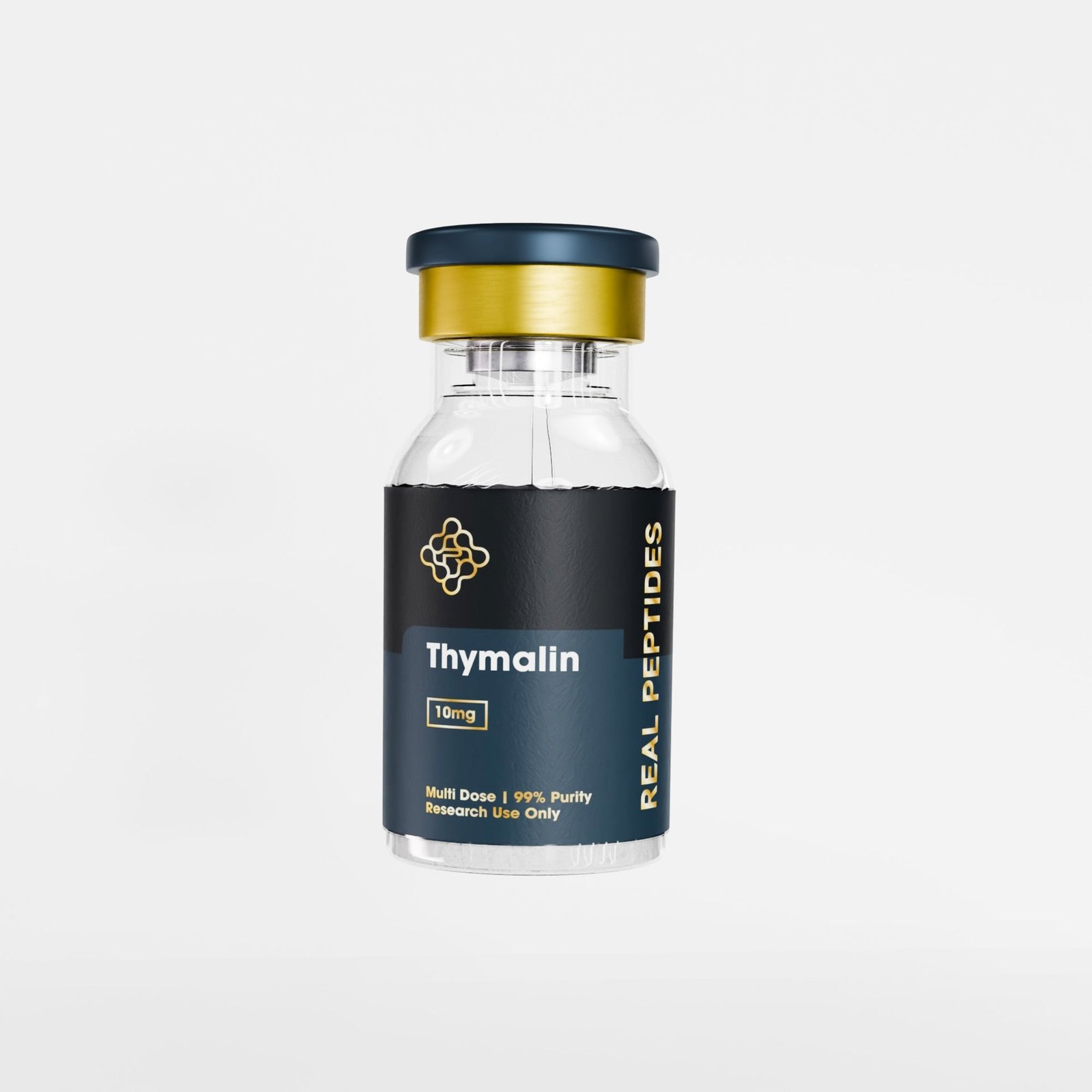
Buy Thymalin Peptide 10 mg Online from SourceTides. Thymic polypeptide complex | Key components: EW, KE, EDP peptides | MW range 1,000–10,000 Da | ≥99% HPLC peptide profile | Endotoxin <1 EU/mg (LAL) | Full CoA included | Lyophilised | Refrigerated cold chain (2–8°C). For in-vitro laboratory research use only. Not for human consumption.
Buy Thymalin Peptide 10 mg Online | Thymic Bioregulator | ≥99% Purity | CoA | SourceTides
Buy Thymalin Peptide 10 mg Online from SourceTides.
Thymalin is a polypeptide complex extracted from calf thymus gland.
It contains short peptides (2–8 amino acids) that regulate T-cell development and immune function.
It was first developed in the 1970s by Khavinson and Morozov at the Military Medical Academy in St. Petersburg.
Every SourceTides vial is lyophilised, tested at ≥99% purity by HPLC, and ships with a full Certificate of Analysis.
For in-vitro laboratory research use only. Not for human consumption.
Thymalin 10 mg — Technical Specifications
| Parameter | Specification |
|---|---|
| Common Name | Thymalin |
| Type | Polypeptide complex; heterogeneous mixture of thymic peptides (2–8 amino acids) |
| Source | Extracted from calf thymus gland; standardised bioregulator preparation |
| Key Active Components | Short dipeptides and tripeptides including Glu-Trp (EW), Lys-Glu (KE), and Glu-Asp-Pro (EDP); these bind DNA and histone proteins to regulate gene expression |
| Molecular Weight Range | 1,000–10,000 Da (heterogeneous; not a single defined peptide) |
| Primary Receptor / Target | Thymic epithelial cell receptors; direct DNA/histone binding; T-cell differentiation pathways |
| Primary Mechanism | Restores T-cell differentiation; normalises CD4/CD8 ratio; promotes thymopoiesis; modulates cytokine production |
| Development History | Developed 1970s–1980s by Khavinson and Morozov; registered as a pharmaceutical in the Soviet Union in 1982 |
| Physical Form | White lyophilised powder |
| Purity | ≥99% (RP-HPLC); identity confirmed by ESI-MS profiling |
| Endotoxin | <1 EU/mg (LAL chromogenic assay) |
| Solubility | Soluble in sterile water and sterile saline; 1 mg/mL stock in water recommended; use immediately after reconstitution |
| Storage — Lyophilised | 2–8°C (refrigerated); protect from light; do not freeze the lyophilised form; stable for 2–3 years |
| Storage — Reconstituted | Use immediately; do not store reconstituted solution; no preservative present |
| Certificate of Analysis | Lot-specific CoA with every order; includes HPLC profile, MS data, and endotoxin result |
| Vial Size | 10 mg |
| Regulatory Status | Not FDA, EMA, TGA, or Health Canada approved; research compound only; registered pharmaceutical in Russia |
| WADA Status | Not listed on the 2024–2025 WADA Prohibited List; verify current list before use in sport research |
What Is Thymalin?
Thymalin is a thymic polypeptide bioregulator. It is a complex mixture — not a single peptide. It contains multiple short peptides (2–8 amino acids) extracted from the thymus glands of young calves. The main active components are small dipeptides and tripeptides including Glu-Trp (EW), Lys-Glu (KE), and Glu-Asp-Pro (EDP).
Thymalin is different from other thymic peptides like Thymosin Alpha-1 or Thymulin. Those are single, defined molecules with exact sequences. Thymalin is a standardised extract — its activity comes from the combined effect of all its peptide components, not one single compound. Think of it as a thymic “polypeptide programme” rather than a single drug.
The thymus gland is where T-cells mature. It is largest in childhood and shrinks steadily after puberty. By age 60, most thymic tissue has been replaced by fat. This process — called thymic involution — reduces the number of new T-cells the body can produce. Lower T-cell output is linked to increased infection risk, poor vaccine response, and higher all-cause mortality in older adults. Thymalin research focuses on whether thymic peptides can slow or partially reverse this process.
Thymalin was first approved as a pharmaceutical in the Soviet Union in 1982. It has been used in Russian clinical medicine for over 40 years. The longest published human study — a 6-year non-randomised trial by Khavinson and Morozov — reported a 2-fold reduction in mortality in elderly patients treated with Thymalin compared to controls. These findings have not yet been independently replicated outside Russia, which is an important limitation to note.
Researchers studying immunosenescence, T-cell biology, thymic function, or peptide bioregulation will find Thymalin 10 mg from SourceTides a well-characterised reference compound with a long published history.
How Thymalin Works — Mechanism of Action
Thymalin works through several connected biological steps. Each step has been described in published research.
Step 1: Direct DNA and Histone Binding
The short peptides in Thymalin — particularly EW (Glu-Trp), KE (Lys-Glu), and EDP (Glu-Asp-Pro) — bind directly to methylated DNA sequences and histone proteins. This is an epigenetic mechanism. By interacting with chromatin, these peptides change which genes are active in immune and blood-forming cells.
Research published in Biochemistry (Moscow) by Khavinson et al. (2000) showed that the Glu-Trp dipeptide (the main active unit in Thymalin) modulated lymphocyte chromatin and gene expression related to immune function and apoptosis. This DNA-binding mechanism is shared with other Khavinson bioregulators like Epithalon, and is the proposed molecular basis for thymalin’s ability to restore thymic gene programmes.
Step 2: Restoration of T-Cell Differentiation
Thymalin promotes the differentiation of precursor cells into mature T-lymphocytes. It does this by activating thymic epithelial cell signalling pathways that are normally active in younger thymus tissue.
In aged animals and humans, T-cell production from the thymus declines because the thymic microenvironment loses its instructive signals. Thymalin’s peptide components appear to partially restore these signals. Studies have shown that Thymalin treatment normalises the CD4/CD8 T-cell ratio, increases total T-lymphocyte counts, and restores the proportion of naïve T-cells — the most functionally important output of a healthy thymus.
Step 3: Cytokine and Immune Balance Regulation
Thymalin modulates the production of cytokines — the signalling proteins that coordinate immune responses. It tends to shift ageing immune profiles away from chronic low-grade inflammation (inflammaging) toward more balanced, adaptive immunity.
In the 6-year human study by Khavinson and Morozov (2003; PMID: 14523363), patients treated with Thymalin showed normalisation of immune parameters including T-cell counts and cytokine profiles compared to untreated controls. They also had significantly lower rates of acute respiratory illness and cardiovascular disease.
Step 4: Hematopoietic System Support
Beyond the thymus, Thymalin also influences the bone marrow — the other major site of immune cell production. Studies by Khavinson et al. (1991) showed that Thymalin corrected radiation-induced disorders in the immune and blood-forming systems of animals. This suggests Thymalin’s effects reach into the hematopoietic stem cell compartment, not just the T-cell maturation stage in the thymus.
Thymalin Research Evidence
| Research Area | Evidence Level | Key Finding | Source |
|---|---|---|---|
| Mortality Reduction in Elderly | Non-randomised human study (6-year follow-up) | 2-fold reduction in all-cause mortality vs controls; improved immune parameters; reduced acute respiratory and cardiovascular disease rates | Khavinson & Morozov 2003 — PMID: 14523363 |
| Geroprotective Effect (Longevity) | Non-randomised human study (6–8 year follow-up) | Geroprotective effects of Thymalin and Epithalamin in elderly subjects; mortality reduction and immune improvement confirmed over extended follow-up | Khavinson & Morozov 2002 — PMID: 12577695 |
| T-Cell Differentiation in Vitro | In vitro (human lymphocytes) | Thymalin activates differentiation of human lymphoid precursor cells into mature T-lymphocytes; CD4/CD8 ratio normalisation confirmed | PubMed PMID: 33237528 |
| Animal Lifespan Extension | In vivo (rodent models); Anisimov et al. | Thymalin and Epithalamin extended mean lifespan in animals; reduced spontaneous tumour incidence; slowed aging biomarkers | Anisimov et al. 2017 — Arch Gerontol Geriatr |
| Hematopoiesis Correction | In vivo (animal; radiation model) | Thymalin corrected radiation-induced immune and hematopoietic damage; restored bone marrow function and circulating immune cell counts | Morozov et al. 1997 — Mech Ageing Dev |
| DNA/Epigenetic Mechanism | In vitro (biochemical) | Glu-Trp (EW) dipeptide — the main active component of Thymalin — binds methylated DNA and modulates immune gene expression and lymphocyte chromatin structure | Khavinson et al. 2000 — Biochemistry (Moscow) |
| Thymalin Molecular Biology Review | Peer-reviewed review (2021, Springer) | Comprehensive review of Thymalin’s use for immune correction and molecular mechanisms of biological activity; covers in vitro, animal, and human data | Biology Bulletin Reviews 2021 — Springer |
| Immunosenescence Context | Population study (2023, Frontiers in Immunology) | Low naïve T-cell counts and high memory T-cell burden are independently associated with all-cause mortality in older adults — providing the biological context for Thymalin’s research application | Seshadri et al. 2023 — Front Immunol (PMC) |
Thymalin and Immunosenescence: The Key Research Area
The most important research application for Thymalin is immunosenescence — the gradual decline of immune function with age. Understanding why this matters helps put the Thymalin evidence in context.
Why the Ageing Thymus Matters
The thymus is the body’s T-cell school. Stem cells travel from the bone marrow to the thymus. There, they learn to recognise the body’s own tissue and to attack foreign pathogens. When they graduate, they enter the bloodstream as naïve T-cells — fresh, inexperienced cells ready to respond to new threats.
The thymus starts shrinking after puberty. By age 70, it has mostly been replaced by fat tissue. This means fewer naïve T-cells are produced each year. The body has to rely more on older memory T-cells. These memory cells respond well to threats they’ve seen before, but poorly to new ones. This is why older adults respond less well to new vaccines and are more vulnerable to new infections.
A 2023 population study published in Frontiers in Immunology (Seshadri et al.; PMC10623116) confirmed in over 9,900 adults that low naïve T-cell counts are independently linked to higher all-cause mortality. This provides strong epidemiological support for the hypothesis that preserving thymic output extends healthspan.
What the Khavinson Human Studies Found
Khavinson and Morozov ran the longest published human studies of Thymalin. Their 6-year non-randomised study enrolled elderly patients aged 60–80 and compared those receiving annual Thymalin courses with age-matched controls. Treated patients showed a 2-fold lower mortality rate. They also had fewer acute respiratory illnesses, lower rates of ischaemic heart disease, and improved T-cell parameters.
In a combined arm, patients receiving both Thymalin and Epithalamin (the pineal bioregulator) showed a 4.1-fold reduction in mortality over 6 years compared to untreated controls. These are striking numbers. However, it is essential to note the limitations: the study was non-randomised, it was conducted at a single Russian institute, and it has not been independently replicated in a Western controlled trial. The data should be treated as hypothesis-generating, not conclusive proof.
Evidence from Animal Models
Animal studies by Anisimov, Khavinson, and colleagues showed that Thymalin extended mean lifespan in rodents, reduced tumour incidence, and slowed age-related immune decline. These results are consistent with the human data but, again, come primarily from one research group.
For researchers: the Thymalin evidence base is broader and older than most research peptides. But the lack of independent replication is a genuine limitation. Thymalin is best used as a research tool to model thymic peptide bioregulation and immunosenescence — not as a validated therapeutic.
What Is Thymalin Used for in Research?
| Research Field | Application | Why Thymalin |
|---|---|---|
| Immunology | T-cell differentiation; CD4/CD8 ratio; thymopoiesis models; lymphocyte activation assays | Direct effect on T-cell differentiation confirmed in vitro and in vivo; CD4/CD8 normalisation published; classic thymic bioregulator tool |
| Immunosenescence / Ageing | Thymic involution models; naïve T-cell restoration; age-related immune decline | 6-year human mortality data; animal lifespan extension; directly targets the thymic involution pathway |
| Epigenetics | DNA methylation interaction; histone binding; chromatin remodelling in lymphocytes | EW and KE dipeptides bind methylated DNA directly; epigenetic gene regulation mechanism published; complements Epithalon for combined bioregulator studies |
| Hematology | Hematopoiesis; bone marrow function; post-radiation immune recovery | Thymalin restored hematopoiesis after radiation-induced damage in animal models; relevant to post-chemotherapy immune recovery research |
| Peptide Bioregulation | Tissue-specific peptide complex activity; polypeptide bioregulator research; Khavinson bioregulator comparisons | Prototype tissue-specific bioregulator; studied alongside Epithalon and other organ-specific complexes; over 40 years of published data |
| Oncology Support | Immune suppression in cancer models; immune restoration after cytotoxic treatment; tumour surveillance | Reduced tumour incidence in animal longevity studies; supports immune surveillance mechanisms; hematopoiesis restoration after radiation shown in preclinical models |
Thymalin Pharmacokinetics
| Parameter | Value / Notes | Research Implication |
|---|---|---|
| Plasma Half-Life | Not formally characterised; short dipeptides/tripeptides are rapidly degraded by circulating peptidases; biological effects persist much longer than circulating peptide | Measure downstream endpoints (T-cell counts, cytokine profiles) at days-to-weeks, not hours; direct plasma Thymalin measurement is not standard practice |
| Route of Administration | Intramuscular (IM) or subcutaneous (SC) injection in published clinical protocols; in vitro via direct media supplementation | IM/SC standard for in-vivo models; reconstitute in sterile water or saline for injection; use immediately after reconstitution (no preservative) |
| Duration of Effect | Biological effects detectable for weeks after a 10-day course; immune parameter improvements documented over months in clinical studies | Short dosing course (5–10 days) produces extended biological response; long follow-up windows needed for T-cell and cytokine endpoint measurement |
| Validated Clinical Dose | 10 mg/day IM or SC for 5–10 consecutive days; repeated every 3–6 months (Khavinson protocols) | Published Russian clinical dose provides the reference framework for in-vivo animal study design |
| In-Vitro Working Concentration | 1–100 µg/mL used in published lymphocyte culture studies | Start with a 5-point dose-response (1, 5, 10, 50, 100 µg/mL) in primary human lymphocyte cultures to establish your system’s response range |
| Metabolism | Proteolytic degradation to constituent amino acids; no CYP450 involvement; metabolites are standard amino acids | No known drug-metabolic interactions; amino acid metabolites are non-toxic and naturally occurring |
Thymalin Side Effects and Safety Data
| Concern | Evidence | Protocol Note |
|---|---|---|
| Generally well tolerated in published studies | 40+ years of Russian clinical use; no serious adverse events reported in published literature | Absence of reported adverse events reflects the limitations of non-Western regulatory-grade trials, not confirmed safety |
| Injection site reactions | Mild; transient; expected for any IM/SC injectable | Rotate injection sites in animal protocols; use proper SC technique to minimise local irritation |
| Theoretical autoimmune risk | Theoretical; not observed in published studies; based on the logic that T-cell upregulation could worsen pre-existing autoimmune conditions | Avoid using Thymalin in animal models with pre-existing autoimmune conditions; caution in designs where T-cell upregulation is a confounder |
| Caution in transplant immunosuppression models | Theoretical; T-cell restoration could counteract immunosuppression in transplant models | Not suitable for experiments where immunosuppression is the desired experimental state |
| Bovine-origin material considerations | Thymalin is extracted from calf thymus; standard precautions for bovine-sourced biological materials apply | Confirm source documentation and BSE/TSE clearance where relevant for your institutional biosafety requirements |
| Critical data gaps | No Western Phase 1 trial; no formal genotoxicity or carcinogenicity battery published; independent replication lacking | Treat published safety data as insufficient for full risk characterisation; appropriate for in-vitro and preclinical research use |
Thymalin Quality Control at SourceTides
Every batch of Thymalin Peptide 10 mg from SourceTides goes through the following tests before release.
| Test | Method | Specification | Why It Matters |
|---|---|---|---|
| Purity | RP-HPLC peptide profiling (UV 220 nm) | ≥99% by area; consistent peptide profile matching reference standard | Thymalin is a complex; HPLC profiling confirms the batch matches the expected peptide fingerprint |
| Identity | ESI-MS peptide mass profiling | Key component masses confirmed (EW, KE, EDP and other characteristic species) | Confirms presence of the key bioactive dipeptide and tripeptide components |
| Endotoxin | LAL chromogenic assay | <1 EU/mg | Critical for lymphocyte culture assays; LPS activates T-cells non-specifically and would confound Thymalin’s specific effects |
| Appearance | Visual inspection | White powder; no clumping, discolouration, or visible particulates | Any discolouration indicates oxidation or contamination |
| Sterility | 0.22 µm filtration; visual and microbiological inspection | No microbial contamination detected | Essential for any injectable preparation used in cell culture or in-vivo work |
| Cold-Chain Dispatch | Refrigerated packaging (2–8°C); temperature-monitored transit | 2–8°C maintained throughout shipping | Thymalin should NOT be frozen during storage or transit; refrigerated cold chain applies |
| Certificate of Analysis | Lot-specific PDF document | HPLC profile + MS data + endotoxin result + dates | Required for research traceability and institutional compliance |
Thymalin Regulatory Status
| Jurisdiction | Status | Notes |
|---|---|---|
| USA (FDA) | Not approved; research compound only | Not a DEA controlled substance. No FDA marketing authorisation. Sold as a research compound for laboratory use only. |
| Australia (TGA) | Not listed on ARTG; research compound | Not registered as a therapeutic good. Research laboratory access only. |
| United Kingdom (MHRA) | Unlicensed; not a controlled drug; research compound | No MHRA marketing authorisation. Not listed under the Misuse of Drugs Act 1971. |
| Canada (Health Canada) | Unapproved drug; research access only | Not a CDSA controlled substance. Not authorised for sale as a supplement or drug. |
| European Union (EMA) | No EMA authorisation; research use | Not authorised as a medicinal product in any EU member state through EMA. Some Eastern European countries may have national registrations separate from EMA. |
| Russia | Registered pharmaceutical since 1982 | Approved in Russia for immune restoration, post-operative recovery, and geriatric immune support. This is not an FDA/EMA equivalent approval. |
| WADA | Not listed on the 2024–2025 Prohibited List | Not currently a banned substance in sport. The WADA list is updated annually. Researchers in sport science should verify the current list at wada-ama.org before use. |
Thymalin vs Related Thymic Research Peptides
| Compound | Type | Primary Research Focus | Key Difference vs Thymalin | SourceTides |
|---|---|---|---|---|
| Thymalin 10 mg | Thymic polypeptide complex (multi-peptide) | T-cell differentiation; immunosenescence; thymic bioregulation | — | Buy Thymalin 10 mg |
| Thymosin Alpha-1 | Single 28-AA peptide; thymic origin | Immune modulation; antiviral; cancer adjunct immunotherapy | Single defined molecule (not a complex); FDA-approved in some countries for hepatitis B; stronger antiviral immune activation than Thymalin | Buy Thymosin Alpha-1 |
| Epithalon (Epitalon) | Synthetic tetrapeptide (AEDG); pineal bioregulator | Telomere elongation; cellular ageing; melatonin restoration | Pineal gland origin vs thymic origin; acts on telomerase and chromosomal ageing vs T-cell immunity; both from Khavinson; often studied together | Buy Epithalon 10 mg |
| BPC-157 | 15-AA gastric peptide fragment | Tissue repair; gut protection; angiogenesis | Peripheral tissue repair vs central immune system restoration; no thymic mechanism; complementary in recovery protocols | Buy BPC-157 |
| Sermorelin | 29-AA GHRH analog | GH secretion; pituitary axis; somatopause | Targets the GH axis not the immune system; FDA-approved history; different research domain entirely but both studied in ageing contexts | Buy Sermorelin 10 mg |
Peer-Reviewed References
| # | Citation | Link |
|---|---|---|
| 1 | Khavinson VK, Morozov VG. (2003). Peptides of pineal gland and thymus prolong human life. Neuro Endocrinol Lett. 24(3–4):233–240. PMID: 14523363. | PubMed PMID: 14523363 |
| 2 | Khavinson VK, Morozov VG. (2002). Geroprotective effect of thymalin and epithalamin. Adv Gerontol. PMID: 12577695. | PubMed PMID: 12577695 |
| 3 | Khavinson VKh et al. (2000). The Glu-Trp dipeptide modulates lymphocyte chromatin. Biochemistry (Moscow). 65(8):901–908. PMID: 10978335. | PubMed PMID: 10978335 |
| 4 | Morozov VG et al. (1997). Natural and synthetic thymic peptides as therapeutics for immune dysfunction. Mech Ageing Dev. 96(1–3):133–149. PMID: 8887949. | PubMed PMID: 8887949 |
| 5 | Anisimov VN et al. (2017). Thymalin and epithalamin extend lifespan and inhibit spontaneous tumours in old mice. Arch Gerontol Geriatr. 71:142–146. PMID: 28888525. | PubMed PMID: 28888525 |
| 6 | Thymalin: Activation of differentiation of human lymphoid precursors. PubMed. PMID: 33237528. | PubMed PMID: 33237528 |
| 7 | The Use of Thymalin for Immunocorrection and Molecular Aspects of Biological Activity. Biology Bulletin Reviews (Springer). 2021. | Springer Biology Bulletin Reviews 2021 |
| 8 | Seshadri G et al. (2023). Immune cells are associated with mortality: the Health and Retirement Study. Front Immunol. PMC10623116. | PMC10623116 |
| 9 | PubChem. Thymogen (Glu-Trp; EW dipeptide; primary active component of Thymalin). CID 100094. | PubChem CID 100094 |
Frequently Researched Alongside Thymalin
These SourceTides peptides are often studied alongside Thymalin in immunosenescence and ageing research:
- Epithalon 10 mg — Pineal bioregulator from the same Khavinson research programme; paired with Thymalin in the landmark 6-year mortality study; targets cellular ageing via telomerase while Thymalin targets immune ageing
- Thymosin Alpha-1 — Single defined thymic peptide; compared with Thymalin for studies on defined vs complex thymic immunomodulation
- BPC-157 — Tissue repair peptide; studied alongside Thymalin in recovery and post-surgical immune restoration models
- Sermorelin 10 mg — GHRH agonist; studied alongside Thymalin in multi-system ageing protocols targeting both GH and immune axes
- Ipamorelin 10 mg — GH secretagogue; used with Thymalin in protocols examining combined immune and somatotropic ageing restoration
Frequently Asked Questions — Buy Thymalin Peptide 10 mg Online
Where can I buy Thymalin Peptide 10 mg with a Certificate of Analysis?
You can buy Thymalin Peptide 10 mg directly from SourceTides. Every order includes a lot-specific Certificate of Analysis with the HPLC peptide profile, ESI-MS identity data confirming the key active components (EW, KE, EDP), and the LAL endotoxin result (<1 EU/mg). Vials are lyophilised and shipped at 2–8°C (refrigerated cold chain — do not freeze).
What purity do I need for lymphocyte and T-cell assays?
For primary human lymphocyte culture and T-cell differentiation assays, ≥99% peptide profile purity is recommended. The key QC concern for Thymalin specifically is endotoxin — LPS contamination activates T-cells non-specifically and completely invalidates immune assay data. All SourceTides Thymalin is tested to <1 EU/mg by LAL assay, which is the critical specification for this compound class.
How do I store Thymalin to keep it stable?
Store lyophilised Thymalin at 2–8°C (refrigerated). Do not freeze the lyophilised form. Protect from light. Stable for up to 2–3 years when refrigerated correctly. This is different from most other research peptides, which are stored frozen at −20°C. Once reconstituted, use the solution immediately — Thymalin has no preservative and should not be stored after reconstitution. All SourceTides Thymalin ships at 2–8°C on a refrigerated cold chain.
Is Thymalin legal to buy for research in the USA? , UK, Australia, and Canada?
Thymalin can be purchased as a research compound in all major Western jurisdictions. In the USA, it is not a DEA scheduled substance and is sold legally as a research chemical. In the UK, it is not a controlled drug. In Australia and Canada, it is an unapproved therapeutic good available for laboratory research. It is not on the WADA Prohibited List. SourceTides supplies exclusively for in-vitro laboratory research. See the SourceTides shipping policy for dispatch details.
What does the research show about Thymalin?
The strongest published data for Thymalin covers four areas. First, a 6-year non-randomised human study showed a 2-fold reduction in mortality in treated elderly patients vs controls, with improved T-cell counts and fewer respiratory illnesses (Khavinson & Morozov 2003; PMID: 14523363). Second, animal studies showed lifespan extension and reduced tumour incidence (Anisimov et al. 2017). Third, in vitro studies confirmed T-cell differentiation and CD4/CD8 normalisation. Fourth, biochemical studies identified the Glu-Trp (EW) dipeptide as the main active component and showed it binds DNA directly to regulate immune gene expression. The key limitation is that nearly all this research comes from one Russian institute and has not been independently replicated in Western controlled trials.
What are the side effects of Thymalin?
Over 40 years of Russian clinical use and published studies have reported no serious adverse events with Thymalin. The most common reactions are mild injection-site irritation (expected for any injectable) and theoretical risks in patients with active autoimmune conditions or on transplant immunosuppression — where T-cell upregulation is not desirable. No formal Western Phase 1 safety trial has been conducted. Treat the safety profile as insufficiently characterised for full risk assessment. SourceTides Thymalin is supplied for in-vitro research use only.
How does Thymalin compare to Thymosin Alpha-1?
Thymalin and Thymosin Alpha-1 are both thymic peptides, but they are structurally and functionally different. Thymalin is a complex mixture of 2–8 amino acid peptides from calf thymus extract. Thymosin Alpha-1 is a single, precisely defined 28-amino-acid peptide. Thymosin Alpha-1 has been FDA-approved in some countries for hepatitis B and is well studied in antiviral and cancer immunotherapy contexts. Thymalin has the longer clinical history in Russia and has been specifically studied for immunosenescence and ageing. The two compounds target overlapping but distinct immune pathways. SourceTides supplies both Thymalin 10 mg and Thymosin Alpha-1.
What payment methods does SourceTides accept?
SourceTides accepts Visa, Mastercard, American Express, cryptocurrency, and bank transfers for institutional orders. All payments are processed through secure, encrypted gateways. For institutional purchase orders or bulk procurement, contact us through the SourceTides contact page.
Buy Thymalin Peptide 10 mg from SourceTides — thymic bioregulator, ≥99% purity, CoA included. Research use only.
Add sterile water or sterile saline to the vial to make a stock solution at 1 mg/mL (add 10 mL for a 1 mg/mL stock from a 10 mg vial). Swirl gently — do not vortex. Use the solution immediately. Do not store reconstituted Thymalin, as there is no preservative present and the peptide complex is not stable in solution. For cell culture experiments, add Thymalin to your culture medium at concentrations of 1–100 µg/mL. Filter through a 0.22 µm syringe filter before adding to cells. Full reconstitution notes are included in the CoA with every SourceTides Thymalin order.
Research Use Only
All SourceTides products, including Thymalin Peptide 10 mg, are for in-vitro laboratory research use only. They are not approved by the FDA, EMA, TGA, or Health Canada for therapeutic use. They are not for human consumption. By purchasing, the buyer confirms they are an authorised researcher and accepts responsibility for compliance with all applicable laws and regulations.
| Purity | ≥99% (HPLC peptide profile) |
|---|---|
| Strength | 10 mg |
| Form | Lyophilised Powder |
| Storage |
You may also like…
Immune & Antimicrobial Peptides
Epithalon Peptide 10 mg Online | ≥99% Purity | Certificate of Analysis Included
Related products
Healing & Recovery Peptides
TB-500 Online | Research-Grade Thymosin Beta-4 Fragment ≥99% Purity
Fat Loss & Metabolic Support Peptides
Kisspeptin-10 Peptide 10 mg Online | ≥99% Purity | CoA Included | SourceTides
Cognitive & Mood Support
Growth Hormone Modulators Peptides
Tesamorelin Peptide 10 mg | GHRH Analog ≥99% Purity | SourceTides
Peptides by Goal
GHK-Cu Cosmetic Peptide (Copper Tripeptide-1; Topical & Formulation Research Grade)
Fat Loss & Metabolic Support Peptides
AOD-9604 Peptide Online | HGH Fragment 176-191 | ≥99% Purity | CoA Included | SourceTides