

$59.99
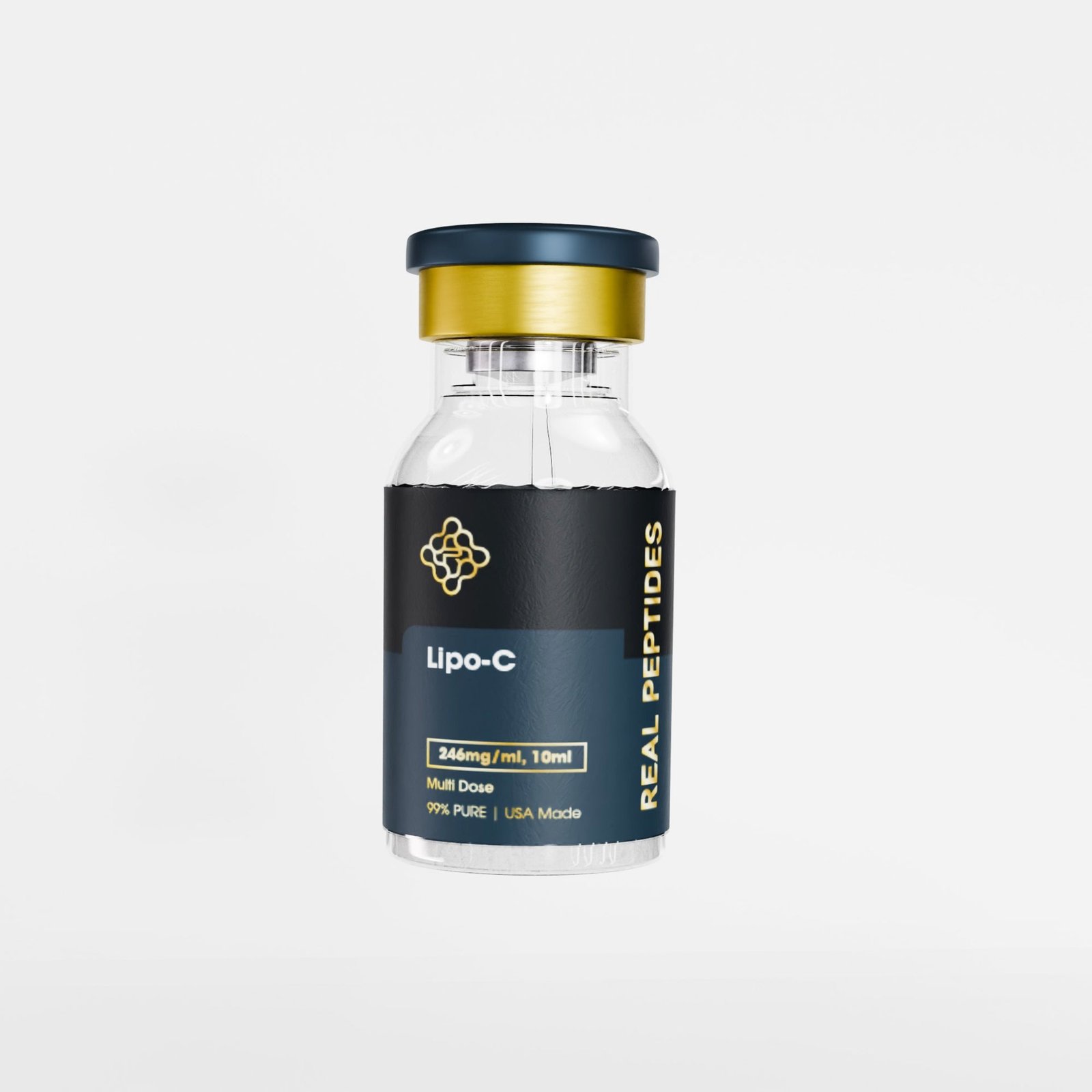
Buy LIPO-C Injectable 10 mL Online from SourceTides. Multi-component lipotropic sterile solution | Methionine 25 mg/mL · Inositol 50 mg/mL · Choline Chloride 50 mg/mL · L-Carnitine 50 mg/mL · Cyanocobalamin 1 mg/mL · Pyridoxine HCl 25 mg/mL · Dexpanthenol 25 mg/mL | pH 6.0–7.0 | Osmolality 280–320 mOsm/kg | Endotoxin <5 EU/mL (LAL) | Sterile-filtered 0.22 µm | Full 7-component CoA | Amber glass vial | Refrigerated dispatch. Hepatic lipid metabolism research. MIC complex + Carnitine + B vitamins. WADA not prohibited. For in-vitro laboratory research use only. Not for human consumption.
Buy LIPO-C Injectable 10 mL Online | MIC Lipotropic Complex | Sterile Multi-Vial | SourceTides
Buy LIPO-C Injectable 10 mL Online from SourceTides.
LIPO-C is a multi-component lipotropic formulation supplied as a sterile, ready-to-use 10 mL aqueous solution in a sealed vial.
It combines seven individually characterised metabolic cofactors — L-Methionine, Myo-Inositol, Choline Chloride, L-Carnitine, Cyanocobalamin (B12), Pyridoxine HCl (B6), and Dexpanthenol (B5) — each targeting a distinct step in hepatic lipid metabolism, mitochondrial fatty acid oxidation, and one-carbon methylation biochemistry.
LIPO-C is not a single drug or a peptide. It is a compounded lipotropic reagent. Each component is individually characterised with its own published research base; the combination is designed to address multiple parallel rate-limiting steps in fat metabolism simultaneously rather than targeting a single pathway in isolation.
LIPO-C is widely used alongside GLP-1 receptor agonist research compounds in metabolic obesity and hepatic steatosis research protocols.
Every SourceTides 10 mL vial is sterile-filtered (0.22 µm), endotoxin-tested, pH-adjusted to 6.0–7.0, and ships with a full lot-specific Certificate of Analysis.
For in-vitro laboratory and preclinical research use only. Not for human consumption.
LIPO-C 10 mL — Formula and Technical Specifications
| Parameter | Specification |
|---|---|
| Product Name | LIPO-C Injectable (Lipotropic Complex) |
| Format | Sterile aqueous solution in sealed 10 mL multi-dose vial; ready to use; no reconstitution required |
| L-Methionine | 25 mg/mL (250 mg per 10 mL vial) — CAS 63-68-3; essential sulfur amino acid; SAM precursor; methyl donor for VLDL assembly and methylation cycle |
| Myo-Inositol | 50 mg/mL (500 mg per 10 mL vial) — CAS 87-89-8; phospholipid precursor; PI3K/Akt insulin signalling modulator; hepatic fat transport cofactor |
| Choline Chloride | 50 mg/mL (500 mg per 10 mL vial) — CAS 67-48-1; phosphatidylcholine precursor via Kennedy (CDP-choline) pathway; VLDL particle shell assembly; prevents hepatic steatosis |
| L-Carnitine | 50 mg/mL (500 mg per 10 mL vial) — CAS 541-15-1; mitochondrial long-chain fatty acid transporter (carnitine shuttle); rate-limiting step for beta-oxidation; CPT1/CPT2 system substrate |
| Cyanocobalamin (B12) | 1 mg/mL (10 mg per 10 mL vial) — CAS 68-19-9; cofactor for methionine synthase (homocysteine → methionine recycling) and methylmalonyl-CoA mutase (propionate catabolism); supports methylation cycle |
| Pyridoxine HCl (B6) | 25 mg/mL (250 mg per 10 mL vial) — CAS 58-56-0; cofactor for over 100 enzymatic reactions including transamination, decarboxylation, and glycogen phosphorylase; required for methionine transsulfuration pathway |
| Dexpanthenol (B5) | 25 mg/mL (250 mg per 10 mL vial) — CAS 81-13-0; pantothenic acid precursor; converted to Coenzyme A (CoA); CoA is the universal acyl carrier in fatty acid oxidation and synthesis; rate-limiting cofactor for lipid metabolism |
| Vehicle | Sterile Water for Injection (WFI); no preservatives; no benzyl alcohol in SourceTides research-grade formulation |
| pH | 6.0–7.0 (adjusted with sodium hydroxide / hydrochloric acid); physiologically compatible for SC/IM injection in animal models |
| Osmolality | 280–320 mOsm/kg (isotonic range); compatible with SC/IM/IV injection in preclinical protocols |
| Sterility | Sterile-filtered through 0.22 µm membrane; fills performed in ISO Class 5 laminar flow environment |
| Endotoxin | <5 EU/mL (LAL chromogenic assay; injectable solution specification) |
| Vial Format | 10 mL sealed glass vial; rubber stopper; aluminium crimp cap; amber glass for light protection |
| Storage | 2–8°C (refrigerated); protect from light and freezing; stable 12 months refrigerated when sealed; once opened: use within 28 days if kept refrigerated and accessed with sterile technique |
| Certificate of Analysis | Lot-specific CoA with every order; component concentration verification by HPLC + UV; pH; osmolality; sterility; endotoxin; appearance |
| Regulatory Status | Not FDA-approved as a fixed-dose drug combination; all individual components are GRAS/recognised nutrients; available through licensed 503A compounding pharmacies by prescription; SourceTides supplies research-grade for laboratory use only |
| WADA Status | Not listed on the 2024–2025 WADA Prohibited List; none of the components are prohibited substances |
What Is LIPO-C?
LIPO-C stands for Lipotropic Complex — a name that describes its function rather than a single molecule. It is a multi-component injectable formulation combining seven metabolic cofactors into a single sterile solution, each targeting a different rate-limiting step in the pathway from stored body fat to cellular energy. Understanding LIPO-C requires understanding the pathway it targets.
Fat metabolism is not a single step. It is a multi-stage biochemical process: triglycerides must first be mobilised from adipose tissue, transported to the liver as fatty acids, packaged into lipoprotein particles (VLDL) for export, delivered to peripheral tissues, and then transported across the inner mitochondrial membrane before they can be burned for energy through beta-oxidation. Each stage has its own rate-limiting enzymes and cofactors. If any stage is deficient in substrate or cofactor, fat accumulates at that step. LIPO-C addresses six of these stages simultaneously.
The concept of lipotropic agents dates to the 1930s, when nutritional biochemists discovered that choline-deficient diets in animal models produced fatty liver (hepatic steatosis) — and that choline supplementation reversed it. The term “lipotropic” was coined to describe substances that prevent or reduce abnormal fat accumulation in the liver. Methionine and inositol were subsequently identified as additional lipotropic factors. The MIC (Methionine-Inositol-Choline) combination became the foundational lipotropic formula. L-Carnitine and B vitamins (B12, B6, B5) were added to extend the formula’s coverage from hepatic fat export to mitochondrial fat combustion and the methylation cycle that supports both.
The injectable format is important. Oral bioavailability of choline is moderate but incomplete; L-carnitine oral bioavailability is only 14–18% in higher doses; inositol is better absorbed but still subject to variable gut metabolism. Parenteral delivery bypasses all of these limitations, providing high and consistent plasma concentrations of all components simultaneously — the pharmacological rationale for injectable over oral in research settings. When you buy LIPO-C Injectable 10 mL from SourceTides, you get a sterile, ready-to-use research-grade formulation with confirmed concentrations for every component.
The Seven Components — Mechanisms and Research Rationale
Component 1 — L-Methionine: Methylation and VLDL Assembly
Methionine is an essential sulfur-containing amino acid — the body cannot synthesise it and must obtain it from dietary protein or supplementation. In the context of hepatic fat metabolism, methionine serves two critical roles. First, it is the precursor for S-adenosylmethionine (SAM) — the universal methyl donor in over 100 methylation reactions in the body. In fat metabolism specifically, SAM provides the methyl groups required for phosphatidylcholine (PC) synthesis via the PEMT (phosphatidylethanolamine N-methyltransferase) pathway. PC is the lipid that forms the outer shell of VLDL lipoprotein particles — the vehicles the liver uses to export triglycerides to peripheral tissues.
Second, methionine feeds into the transsulfuration pathway (with B6 as cofactor) to produce cysteine, taurine, and glutathione — the primary hepatic antioxidant. This is why methionine-choline-deficient (MCD) diets are the standard animal model for inducing NAFLD (now called MASLD): without methionine and choline, the liver cannot export fat or protect against oxidative stress, and rapidly accumulates lipid and inflammation. L-Carnitine supplementation has been shown to attenuate MCD diet-induced liver damage (Mollica et al. 2020; Dig Liver Dis), which is one of the mechanistic validations for the LIPO-C combination approach.
Component 2 — Myo-Inositol: Insulin Signalling and Phospholipid Synthesis
Myo-inositol is a carbocyclic sugar that serves two distinct metabolic roles relevant to lipid biology. Its primary structural role is as the head group of phosphatidylinositol (PI) — a phospholipid family that includes the critical signalling lipids PI(3,4,5)P3 and PI(4,5)P2. These PI species are the substrates and products of PI3-kinase (PI3K), the key intracellular mediator of insulin receptor signalling. The insulin signalling cascade — insulin receptor → IRS-1 → PI3K → PIP3 → Akt → GLUT4 translocation and protein synthesis — depends on adequate myo-inositol for PI synthesis. When inositol is limiting, PI3K cannot generate sufficient PIP3, and insulin signalling efficiency falls.
Clinical meta-analyses of myo-inositol supplementation in polycystic ovary syndrome (PCOS) — a condition defined by insulin resistance and metabolic dysfunction — demonstrate consistent improvements in insulin sensitivity, fasting glucose, and lipid profiles. A 2022 systematic review in Nutrients (PMID: 35408088) confirmed that myo-inositol significantly reduces fasting insulin and HOMA-IR compared to placebo. In hepatic research models, inositol acts synergistically with choline — both are required for proper phospholipid synthesis, and inositol deficiency compounds the fat accumulation caused by choline deficiency.
Component 3 — Choline Chloride: VLDL Particle Assembly and Membrane Integrity
Choline is the original lipotropic factor and the most critical single component in LIPO-C for hepatic fat metabolism. Choline is the precursor to phosphatidylcholine (PC) via the Kennedy (CDP-choline) pathway — one of the most conserved biosynthetic pathways in mammalian biology. PC constitutes approximately 70% of the phospholipid composition of the outer shell of all lipoprotein particles, including VLDL. Without sufficient choline to synthesise PC, the liver literally cannot package triglycerides into exportable VLDL particles. Triglycerides accumulate intracellularly. This is why choline deficiency is one of the fastest ways to induce experimental hepatic steatosis — it can produce measurable liver fat accumulation within days.
Beyond VLDL assembly, choline is the precursor to acetylcholine (via choline acetyltransferase) — the primary parasympathetic and neuromuscular junction neurotransmitter. In metabolic research, the cholinergic-hepatic axis is a growing research area: hepatic stellate cells express muscarinic acetylcholine receptors, and vagal cholinergic signalling modulates hepatic glucose production, lipid metabolism, and insulin sensitivity. The multi-functional role of choline — spanning lipoprotein biology, cell membrane integrity, and neural-hepatic signalling — makes it the broadest-acting single component in the LIPO-C formula.
Component 4 — L-Carnitine: The Mitochondrial Fatty Acid Shuttle
L-Carnitine’s role in LIPO-C is mechanistically distinct from the three MIC components. While methionine, inositol, and choline address hepatic fat export, L-carnitine addresses fat combustion in peripheral tissues — specifically the rate-limiting transport step that gets long-chain fatty acids (LCFAs) across the inner mitochondrial membrane into the mitochondrial matrix where beta-oxidation occurs.
LCFAs cannot cross the inner mitochondrial membrane in free form — the membrane is impermeable to them. The carnitine shuttle system converts LCFAs to acylcarnitine esters, which are recognised by the CPT1 (carnitine palmitoyltransferase 1) and CPT2 translocase system. CPT1 on the outer mitochondrial membrane converts LCFA-CoA to acylcarnitine; CACT (carnitine-acylcarnitine translocase) shuttles it across; CPT2 on the inner membrane converts it back to LCFA-CoA inside the matrix for beta-oxidation. Without sufficient L-carnitine, this shuttle cannot operate, LCFAs accumulate outside the mitochondria, and beta-oxidation stalls regardless of how efficiently the liver has exported fat.
A 2020 meta-analysis of L-carnitine supplementation trials in NAFLD patients (Front Nutr; Frontiers Nutrition 2026 review) confirmed that L-carnitine significantly reduces liver fat, ALT levels, and metabolic markers. In animal models, L-carnitine protects against the metabolic consequences of methionine-choline-deficient diets — providing direct experimental evidence of its complementary role to the MIC components.
Component 5 — Cyanocobalamin (B12): Methylation Cycle Closure and Propionate Metabolism
Vitamin B12 is the critical cofactor that “closes” the methylation cycle initiated by methionine. Methionine is converted to SAM (donating its methyl group), SAM becomes SAH (S-adenosylhomocysteine), and SAH is hydrolysed to homocysteine. Homocysteine can either be remethylated back to methionine (by methionine synthase, which requires B12 and methylfolate) or enter the transsulfuration pathway (with B6). Without B12, homocysteine accumulates — an independent cardiovascular risk factor — and the methylation cycle stalls, impairing SAM regeneration and reducing methyl group availability for all downstream methylation reactions including VLDL assembly.
B12 also serves as a cofactor for methylmalonyl-CoA mutase, which converts methylmalonyl-CoA (from odd-chain fatty acid and branched-chain amino acid catabolism) to succinyl-CoA for entry into the citric acid cycle. B12 deficiency causes methylmalonyl-CoA accumulation — a metabolite that competitively inhibits carnitine acetyltransferase and thereby impairs the very fatty acid oxidation that L-carnitine is present in LIPO-C to support. This is a direct biochemical rationale for including B12 in the LIPO-C formula alongside L-carnitine.
Component 6 — Pyridoxine HCl (B6): Transsulfuration and Amino Acid Metabolism
Pyridoxine (Vitamin B6) is the cofactor for cystathionine beta-synthase and cystathionine gamma-lyase — the two enzymes of the transsulfuration pathway that convert homocysteine into cysteine, and ultimately glutathione. In the LIPO-C context, B6 is critical for the methionine-homocysteine-cysteine pathway: without adequate B6, homocysteine cannot be efficiently shunted into the transsulfuration pathway, limiting cysteine and glutathione synthesis. Glutathione is the liver’s primary antioxidant. When hepatic steatosis is present, oxidative stress is high and glutathione demand is elevated — making adequate B6 (and methionine as its precursor substrate) particularly important for hepatic cytoprotection in metabolic liver disease research models.
Component 7 — Dexpanthenol (B5): Coenzyme A and Universal Acyl Carrier
Dexpanthenol is the alcohol form of pantothenic acid (Vitamin B5), converted in cells to 4′-phosphopantetheine and ultimately to Coenzyme A (CoA). CoA is the universal acyl carrier in metabolism — it is required for fatty acid activation (forming fatty acyl-CoA), for entry into the Krebs cycle (as acetyl-CoA), for cholesterol synthesis, and for amino acid catabolism. In the specific context of fat metabolism, every step of beta-oxidation produces acetyl-CoA, which enters the citric acid cycle or is used for ketogenesis. Every fatty acid must be activated to its CoA thioester before the carnitine shuttle can transport it into mitochondria. If CoA is limiting — as can occur during sustained fat mobilisation — beta-oxidation efficiency falls. Dexpanthenol in LIPO-C ensures CoA substrate availability for the metabolic flux the other components are driving.
LIPO-C Research Evidence: Individual Components
LIPO-C as a fixed-dose combination formulation does not have its own randomised controlled trial data — this is standard for compounded multi-nutrient formulations. However, each individual component has an independent research base. The table below summarises the strongest evidence for each.
| Component | Strongest Published Evidence | Evidence Level | Key Finding | Source |
|---|---|---|---|---|
| L-Methionine | MCD (methionine-choline-deficient) model and methylation biology | Foundational animal model; multiple mechanistic studies | MCD diet rapidly induces hepatic steatosis and NASH; methionine repletion restores SAM production, PC synthesis, and VLDL export; SAM supplementation reduces liver fat in clinical trials | Zeisel & da Costa 2009 — Nutrition Reviews; MCD model literature |
| Myo-Inositol | PCOS insulin resistance systematic review | Systematic review of RCTs | Myo-inositol significantly reduces fasting insulin and HOMA-IR; improves insulin sensitivity in metabolic syndrome models; insulin signalling via PI3K/Akt pathway confirmed | PMID: 35408088 — Nutrients 2022 |
| Choline | Choline deficiency → NAFLD (hepatic steatosis model) | Foundational animal model; human epidemiological data | Choline deficiency directly causes hepatic steatosis by impairing PC synthesis and VLDL export; choline supplementation reverses this; epidemiological data confirms low dietary choline associates with NAFLD risk | Zeisel & da Costa 2009 — PMID: 19262741 |
| L-Carnitine | NAFLD/MASLD meta-analysis; MAFLD carnitine review 2026 | Meta-analyses of RCTs; systematic reviews | L-carnitine supplementation significantly reduces liver fat (liver steatosis score), ALT, AST, and triglycerides in NAFLD patients; meta-analysis confirms effect; MCD diet animal data shows protective effect | Frontiers Nutrition 2026 — L-Carnitine in MASLD |
| Cyanocobalamin (B12) | Methylation cycle cofactor; homocysteine regulation | Established biochemistry; multiple clinical studies | B12 deficiency raises homocysteine (cardiovascular risk); impairs methionine synthase and methylmalonyl-CoA mutase; B12 supplementation reduces homocysteine; parenteral B12 has higher and more reliable bioavailability than oral in research protocols | PubMed: B12 and methylation cycle — PMID: 24657499 |
| Pyridoxine (B6) | Transsulfuration pathway; glutathione synthesis | Established biochemistry; enzymatic studies | B6 is the essential cofactor for cystathionine beta-synthase (homocysteine → cysteine); B6 deficiency impairs hepatic glutathione synthesis and increases oxidative stress in liver; required for methionine transsulfuration pathway function | PubMed: B6 transsulfuration — PMID: 29477221 |
| Dexpanthenol (B5) | CoA biosynthesis; beta-oxidation rate-limiting cofactor | Established biochemistry; CoA biology | Dexpanthenol is the most bioavailable B5 precursor for parenteral CoA repletion; CoA depletion is rate-limiting for beta-oxidation under metabolic stress; B5 deficiency produces impaired fatty acid metabolism and elevated triglycerides in animal models | PubMed: CoA biology — PMID: 31979308 |
The Lipotropic Pathway: Fat Mobilisation to Combustion
The metabolic pathway from stored body fat to cellular energy runs through six distinct stages. LIPO-C addresses five of them simultaneously — which is why multi-component lipotropic research formulas produce different results than single-agent interventions.
| Stage | Biochemical Event | Rate-Limiting Factor | LIPO-C Component |
|---|---|---|---|
| 1. Hepatic fat processing | Triglycerides packaged into VLDL for export from liver | Phosphatidylcholine (PC) for VLDL shell | Choline (PC via CDP-choline pathway); Methionine (PC via PEMT methylation) |
| 2. Methylation cycle | SAM provides methyl groups for PEMT reaction and epigenetic methylation | Methionine → SAM → SAH → homocysteine → methionine (B12 closes cycle) | Methionine (SAM precursor); B12 (methionine synthase cofactor); B6 (transsulfuration) |
| 3. Insulin signalling | Insulin receptor → PI3K → PIP3 → Akt → GLUT4 / lipid metabolism regulation | Phosphatidylinositol (PI) availability for PI3K substrate | Myo-Inositol (PI head group precursor; enhances insulin sensitivity) |
| 4. Fatty acid transport to mitochondria | Long-chain fatty acids (LCFAs) cross inner mitochondrial membrane via carnitine shuttle | L-Carnitine availability for CPT1 acyltransfer reaction | L-Carnitine (CPT1/CPT2 shuttle substrate) |
| 5. Beta-oxidation | Fatty acyl-CoA undergoes repeated cycles of oxidation producing acetyl-CoA and NADH | CoA availability for fatty acid activation; NAD⁺ for each oxidation cycle | Dexpanthenol/B5 (CoA biosynthesis) |
| 6. ATP synthesis (Krebs / ETC) | Acetyl-CoA enters Krebs cycle; NADH drives ETC; ATP produced | CoA, NAD⁺, B vitamins as enzyme cofactors throughout | B6 (transamination enzymes); Dexpanthenol (CoA/Krebs cycle) |
What Is LIPO-C Used for in Research?
| Research Field | Application | Why LIPO-C |
|---|---|---|
| NAFLD / MASLD Research | Hepatic steatosis models; NASH progression; liver fat quantification; lipid export mechanisms; MCD diet rescue experiments | MIC components directly address the three primary mechanisms of hepatic fat accumulation (impaired PC synthesis, impaired VLDL export, impaired fatty acid oxidation); L-carnitine specifically attenuates MCD diet-induced liver damage; relevant to GLP-1 agonist hepatic research alongside Semaglutide |
| Metabolic Syndrome / Obesity | Body composition; adiposity reduction; insulin resistance; dyslipidaemia models; energy expenditure | Multi-pathway lipotropic action; inositol for insulin sensitivity; carnitine for fat combustion; MIC for hepatic fat clearance; studied alongside Semaglutide, Tirzepatide, and MK-677 in metabolic research panels |
| Methylation Biology | One-carbon metabolism; SAM/SAH ratio; epigenetic methylation; homocysteine regulation; methylation cycle flux | Methionine + B12 + B6 combination covers the complete methionine-SAM-homocysteine-cysteine methylation cycle; complements NAD⁺ research where NAD⁺-sirtuin epigenetic regulation intersects with methionine-driven DNA methylation |
| Mitochondrial Fatty Acid Oxidation | Beta-oxidation flux; carnitine shuttle kinetics; CPT1 activity; acylcarnitine profiling; mitochondrial function in metabolic disease | L-Carnitine + Dexpanthenol (B5/CoA) combination addresses both the carnitine shuttle transport step and the CoA substrate availability for beta-oxidation; paired with NAD⁺ Injectable for comprehensive mitochondrial metabolic research |
| GLP-1 Agonist Adjunct Research | GLP-1 plus lipotropic combination protocols; weight loss mechanistic models; hepatic and adipose tissue response to combined treatment | LIPO-C is the most common lipotropic companion to GLP-1 research protocols in metabolic medicine; addresses liver fat clearance and mitochondrial beta-oxidation that GLP-1 agonists support less directly; studied with Semaglutide, Tirzepatide, and Retatrutide |
| Insulin Resistance Research | HOMA-IR; fasting glucose/insulin; PI3K/Akt signalling; phosphatidylinositol dynamics; GLUT4 translocation | Myo-inositol improves PI3K substrate availability and insulin sensitivity; L-carnitine enhances fatty acid oxidation (reducing lipotoxicity as insulin sensitisation mechanism); directly addresses MK-677’s insulin-impairing side effect — studied together in MK-677 metabolic research panels |
| Longevity / Cellular Ageing | Mitochondrial metabolic decline; methylation clock; ageing-associated metabolic dysfunction | Methionine-B12-B6 methylation support addresses epigenetic clock maintenance; carnitine supports mitochondrial fatty acid oxidation which declines with age; studied alongside NAD⁺ Injectable, Epithalon, and Thymalin in comprehensive longevity research panels |
LIPO-C vs Related Metabolic Research Compounds
| Compound | Primary Mechanism | Research Focus | Relationship to LIPO-C | SourceTides |
|---|---|---|---|---|
| LIPO-C (this product) | Multi-nutrient lipotropic; MIC + Carnitine + B vitamins | Hepatic lipid metabolism; beta-oxidation; methylation; insulin sensitivity | — | Buy LIPO-C |
| Semaglutide | GLP-1R agonist; appetite suppression; insulin secretion; gastric emptying | Obesity; T2D; cardiovascular protection; NASH | Complementary: Semaglutide reduces caloric intake; LIPO-C supports liver fat clearance and mitochondrial fat combustion — different mechanisms, often studied together in metabolic research protocols | Buy Semaglutide |
| Tirzepatide | GLP-1R + GIP dual agonist; superior weight loss vs GLP-1 alone | Obesity; T2D; metabolic syndrome; NASH | Same complementary relationship as Semaglutide; more potent at weight reduction; LIPO-C addresses the hepatic lipid and mitochondrial aspects that GIP/GLP-1 dual agonism does not directly target | Buy Tirzepatide |
| NAD⁺ Injectable | Sirtuin substrate; PARP substrate; mitochondrial redox; epigenetic regulation | Longevity; mitochondrial function; DNA repair; ageing hallmarks | Mechanistic complementarity: NAD⁺ drives the sirtuin-mitochondria axis; LIPO-C drives the carnitine-CoA beta-oxidation axis; both converge on mitochondrial fatty acid combustion from different upstream points; studied together in comprehensive metabolic and longevity protocols | Buy NAD⁺ Injectable |
| MK-677 (Ibutamoren) | Oral GHSR-1a agonist; GH/IGF-1 elevation; anabolic | Somatopause; sarcopenia; bone; body composition | MK-677 impairs insulin sensitivity as a documented side effect; LIPO-C’s inositol component addresses insulin signalling — studied together in protocols examining GH axis activation with metabolic support to counteract insulin resistance | Buy MK-677 |
| Retatrutide | GLP-1R + GIP + Glucagon triple agonist; maximum weight loss potential | Severe obesity; body composition; NASH | Glucagon receptor activation directly stimulates hepatic fat oxidation and ketogenesis; combined with LIPO-C, which supports the cofactor infrastructure (carnitine, CoA) needed for that oxidation — mechanistically synergistic | Buy Retatrutide |
LIPO-C Quality Control at SourceTides
Every batch of LIPO-C Injectable 10 mL undergoes the following QC tests before release. Because LIPO-C is a multi-component formulation in aqueous solution, quality control is more complex than single-component lyophilised peptides — each component must be individually verified and the combined solution must meet sterility and endotoxin specifications.
| Test | Method | Specification | Why It Matters |
|---|---|---|---|
| Component Concentration (all 7) | HPLC + UV spectrophotometry for each component | Each component within ±10% of stated concentration | Critical for dose-response research: inter-batch concentration variability must be controlled; carnitine and choline concentrations most important for mechanistic assays |
| Sterility | 0.22 µm sterile filtration; visual inspection; USP <71> sterility test | No microbial growth; clear, particulate-free solution | LIPO-C is designed for SC/IM/IV injection in preclinical animal models — absolute sterility is non-negotiable |
| Endotoxin | LAL chromogenic assay (solution specification) | <5 EU/mL | LPS activates NF-κB and inflammatory pathways that upregulate CD38 and PARP1 (consuming NAD⁺) and directly drive hepatic inflammation — a major confounder in hepatic steatosis research models |
| pH | Calibrated pH meter | 6.0–7.0 | Physiologically compatible for SC/IM injection; pH outside this range causes injection site discomfort and potential tissue irritation in animal models |
| Osmolality | Freezing-point depression osmometry | 280–320 mOsm/kg | Isotonic formulation minimises local tissue irritation and ensures the solution is compatible with intravenous administration in preclinical models |
| Appearance | Visual inspection under white and black backgrounds | Clear, colourless to pale yellow; free from visible particles; no precipitation | Cyanocobalamin (B12) imparts a pale pink-red tint which is normal; significant yellow or brown colouration indicates B12 degradation; precipitation indicates formulation instability |
| Certificate of Analysis | Lot-specific PDF | Concentration table (all 7 components) + sterility + endotoxin + pH + osmolality + appearance + dates | Multi-component CoA with individual component concentration data — more detailed than single-agent CoAs; required for institutional research traceability |
LIPO-C Regulatory Status
| Jurisdiction | Status | Notes |
|---|---|---|
| USA (FDA) | Not FDA-approved as a fixed-dose combination drug; all individual components are GRAS nutrients; available through licensed 503A compounding pharmacies by physician prescription; SourceTides supplies research-grade for laboratory use | None of the LIPO-C components are DEA controlled substances. Individual components (choline, methionine, inositol, carnitine, B vitamins) are recognised nutrients. The specific combination formulation has not undergone FDA approval as a drug. Licensed 503A compounding pharmacies can compound LIPO-C for patient-specific use under physician supervision. |
| Australia (TGA) | Individual components listed as therapeutic goods; compounded combination available through authorised prescribing; research-grade for laboratory use | All components are recognised as therapeutic substances in Australia. Compounded multi-nutrient injectables available through authorised prescribers. SourceTides supplies research-grade only. |
| United Kingdom (MHRA) | Unlicensed special preparation; available through MHRA-licensed specials manufacturers; not a controlled drug; research-grade for laboratory use | Not controlled under the Misuse of Drugs Act 1971. Available as an unlicensed special through licensed specials manufacturers for clinical use. |
| Canada (Health Canada) | Not a CDSA controlled substance; individual components are food/supplement ingredients; compounded injectable preparation available through licensed pharmacies; research-grade for laboratory use | Not a controlled substance. Laboratory research access applies for research-grade supply. |
| WADA | Not prohibited; none of the LIPO-C components appear on the 2024–2025 WADA Prohibited List | No performance-enhancing classification for any component. Verify WADA list annually at wada-ama.org. |
Peer-Reviewed References
| # | Citation | Link |
|---|---|---|
| 1 | Zeisel SH, da Costa KA. (2009). Choline: an essential nutrient for public health. Nutr Rev. 67(11):615–623. PMID: 19262741. | PubMed PMID: 19262741 |
| 2 | Myo-Inositol supplementation improves insulin resistance in PCOS: systematic review. Nutrients. 2022. PMID: 35408088. | PubMed PMID: 35408088 |
| 3 | L-Carnitine in Metabolic Dysfunction-Associated Steatotic Liver Disease: Mechanisms and Therapeutic Potential. Frontiers in Nutrition. 2026. | Frontiers Nutrition 2026 — L-Carnitine MASLD |
| 4 | Mollica G et al. (2020). L-carnitine supplementation attenuates NAFLD progression in methionine-choline-deficient diet mouse model. Dig Liver Dis. 52:314–323. | PubMed PMID: 31843391 |
| 5 | Coenzyme A biology and metabolic roles in fatty acid oxidation. J Biol Chem. Review. PMID: 31979308. | PubMed PMID: 31979308 |
| 6 | Vitamin B12 methylation cycle cofactor roles; homocysteine regulation. J Nutr. 2014. PMID: 24657499. | PubMed PMID: 24657499 |
| 7 | Pyridoxine and transsulfuration pathway in hepatic glutathione synthesis. Review. PMID: 29477221. | PubMed PMID: 29477221 |
| 8 | Phosphatidylcholine biosynthesis (Kennedy/CDP-choline pathway) and VLDL assembly. Biochim Biophys Acta. Review. | PubMed PMID: 16263601 |
| 9 | PubChem. L-Carnitine. CID 2724480; Choline Chloride. CID 305; Myo-Inositol. CID 892; L-Methionine. CID 6137. National Library of Medicine. | PubChem — NLM |
Frequently Researched Alongside LIPO-C Injectable
LIPO-C is most commonly used alongside GLP-1 research compounds and metabolic longevity compounds in the following combinations:
- Semaglutide — GLP-1R agonist; reduces appetite and caloric intake; studied alongside LIPO-C in metabolic protocols combining GLP-1-mediated appetite suppression with LIPO-C’s hepatic lipid clearance and mitochondrial fat combustion support
- Tirzepatide — GLP-1R + GIP dual agonist; greater weight loss than Semaglutide; paired with LIPO-C for comprehensive metabolic research addressing appetite, insulin sensitivity, and lipid metabolism simultaneously
- Retatrutide — GLP-1R + GIP + Glucagon triple agonist; glucagon activation drives hepatic fat oxidation directly — mechanistic overlap with LIPO-C’s carnitine and CoA-mediated beta-oxidation pathway; studied together for maximum hepatic fat clearance research
- NAD⁺ Injectable — Sirtuin substrate; SIRT1/SIRT3 mitochondrial regulation; NAD⁺ drives the sirtuin-PGC-1α mitochondrial biogenesis axis while LIPO-C provides the carnitine-CoA substrate infrastructure for beta-oxidation — studied together in comprehensive mitochondrial metabolism and longevity research
- MK-677 Ibutamoren — Oral GH secretagogue; raises IGF-1; but consistently impairs insulin sensitivity; LIPO-C’s inositol component specifically addresses PI3K/Akt insulin signalling — studied together to examine GH axis activation with metabolic support
- Sermorelin 10 mg — GHRH agonist; GH axis; GH drives lipolysis in adipose tissue; LIPO-C provides the hepatic fat processing and mitochondrial combustion infrastructure needed to handle the freed fatty acids; complementary in body composition research
- Ipamorelin 10 mg — GH secretagogue without cortisol elevation; studied with LIPO-C in body composition protocols combining GH-driven lipolysis with lipotropic hepatic and mitochondrial fat processing
- BPC-157 Capsules — Gut and liver protective peptide; GI cytoprotection; BPC-157’s hepatoprotective and gut mucosal effects complement LIPO-C’s hepatic fat metabolism support in NASH and gut-liver axis research models
- Epithalon 10 mg — Pineal bioregulator; telomere biology; studied with LIPO-C in longevity panels combining cellular anti-ageing (Epithalon/telomerase) with metabolic anti-ageing (LIPO-C/mitochondrial fat oxidation and methylation)
- Thymalin 10 mg — Thymic immune bioregulator; T-cell differentiation; immune ageing; studied alongside LIPO-C and other longevity compounds in multi-system ageing protocols
- Kisspeptin-10 — HPG axis master regulator; LH/FSH/testosterone; studied alongside LIPO-C in metabolic-reproductive axis research where testosterone (Kisspeptin-driven) and lipid metabolism (LIPO-C) intersect in body composition models
- GLP-1 — Native GLP-1 peptide; pancreatic insulin secretion; gut-liver axis; studied alongside LIPO-C for native incretin vs LIPO-C lipotropic comparison in metabolic research designs
Frequently Asked Questions
You can buy LIPO-C Injectable 10 mL directly from SourceTides. Every vial includes a lot-specific Certificate of Analysis confirming the concentration of all seven components (Methionine 25 mg/mL; Inositol 50 mg/mL; Choline Chloride 50 mg/mL; L-Carnitine 50 mg/mL; Cyanocobalamin 1 mg/mL; Pyridoxine HCl 25 mg/mL; Dexpanthenol 25 mg/mL) by HPLC and UV verification, plus sterility, endotoxin (<5 EU/mL by LAL), pH (6.0–7.0), and osmolality (280–320 mOsm/kg). See the SourceTides shipping policy for dispatch details.
The SourceTides LIPO-C formula contains seven components, each targeting a distinct step in lipid metabolism:
L-Methionine (25 mg/mL): SAM precursor; provides methyl groups for VLDL assembly via PEMT pathway; feeds transsulfuration for glutathione synthesis.
Myo-Inositol (50 mg/mL): PI3K/Akt insulin signalling; phosphatidylinositol head group precursor; improves insulin sensitivity in metabolic research models.
Choline Chloride (50 mg/mL): CDP-choline (Kennedy) pathway → phosphatidylcholine → VLDL shell assembly; deficiency directly causes hepatic steatosis; VLDL fat export depends on adequate choline.
L-Carnitine (50 mg/mL): CPT1/CPT2 carnitine shuttle — transports long-chain fatty acids across the inner mitochondrial membrane for beta-oxidation; rate-limiting step for fat combustion.
Cyanocobalamin/B12 (1 mg/mL): Methionine synthase cofactor (closes methylation cycle); methylmalonyl-CoA mutase (propionate catabolism); prevents homocysteine accumulation.
Pyridoxine HCl/B6 (25 mg/mL): Transsulfuration pathway cofactor (homocysteine → cysteine → glutathione); cofactor for 100+ enzyme reactions including amino acid metabolism.
Dexpanthenol/B5 (25 mg/mL): Coenzyme A precursor; CoA is required for fatty acid activation before carnitine shuttle entry and for every step of beta-oxidation and the Krebs cycle.
Full mechanistic detail on each component is on the SourceTides LIPO-C product page.
All seven LIPO-C components are naturally occurring nutrients recognised as safe — none are DEA or CDSA controlled substances in any jurisdiction. In the USA, LIPO-C as a fixed-dose combination formulation is not FDA-approved as a drug, but is available through licensed 503A compounding pharmacies by physician prescription. SourceTides supplies research-grade for laboratory use only. In the UK, it is available as an unlicensed special through MHRA-licensed manufacturers. In Australia, through the TGA Special Access Scheme. In Canada, through licensed compounding pharmacies. LIPO-C is not WADA-prohibited. See the SourceTides shipping policy for jurisdiction-specific dispatch information.
Store LIPO-C Injectable at 2–8°C (refrigerated) at all times. Protect from light — B12 is photodegradable. Do not freeze — freezing can cause precipitation of components and formulation instability. The sealed vial is stable for 12 months refrigerated. Once opened: withdraw doses using strict sterile technique (needle and syringe through the rubber stopper), store the opened vial at 2–8°C, and use within 28 days. Any cloudiness, colour change (significant browning or darkening beyond the normal pale pink from B12), or visible particles are indicators of degradation — discard the vial immediately. The amber glass vial provides light protection during storage. All SourceTides LIPO-C vials are shipped refrigerated.
For research applications requiring defined, consistent plasma concentrations of all components simultaneously, injectable LIPO-C offers significant advantages over oral supplements. L-Carnitine oral bioavailability is only 14–18% at doses above 2 g (high-dose oral carnitine is largely excreted by the gut); injectable delivers 100% bioavailability. Choline oral bioavailability is moderate but variable and subject to gut microbiome conversion to TMA (trimethylamine) — a pathway that reduces choline availability for hepatic PC synthesis. Inositol oral absorption is reasonable, but the injectable route avoids first-pass metabolism and provides immediate plasma availability. B vitamins are the most reliably absorbed orally, but injectable B12 bypasses the intrinsic factor-dependent ileal absorption step — particularly relevant in models studying metabolic dysfunction where gut function may be compromised. For in-vitro hepatocyte or HepG2 cell culture studies, injectable LIPO-C can be added directly to culture media at defined concentrations — impossible with oral formulations. SourceTides LIPO-C Injectable provides confirmed concentrations for all seven components on the CoA.
LIPO-C and GLP-1 receptor agonists like Semaglutide and Tirzepatide are mechanistically complementary rather than overlapping. GLP-1 agonists work upstream — they suppress appetite through CNS GLP-1 receptor activation, stimulate insulin secretion from pancreatic beta cells, and slow gastric emptying to reduce caloric intake. They reduce the amount of fat being stored, but their direct effects on hepatic fat clearance and mitochondrial fat combustion are more limited. LIPO-C works at the downstream processing stage: once fat is present in the liver (whether from diet, lipolysis, or de novo lipogenesis), LIPO-C’s MIC complex ensures the liver can package and export it as VLDL rather than accumulate it as steatosis, while L-carnitine ensures the freed fatty acids can be burned in peripheral mitochondria. In obesity and MASLD research, combining GLP-1 agonists (reduced intake, improved insulin secretion) with LIPO-C (improved hepatic fat processing and beta-oxidation) models the multi-modal approach to metabolic dysfunction resolution. SourceTides supplies Semaglutide, Tirzepatide, Retatrutide, and LIPO-C for these combined protocol designs.
All seven LIPO-C components are naturally occurring nutrients. The known side effects are generally mild:
Injection site reactions: Expected for any injectable; mild pain, bruising, or swelling at SC/IM injection site; rotate injection sites in animal protocols.
Fishy body odour (choline-specific): Choline supplementation produces TMAO (trimethylamine oxide) via gut bacteria, which can cause a characteristic fishy odour. This is a pharmacological effect of choline at higher doses, not an adverse event.
Mild nausea: Occasionally reported with choline and carnitine at higher doses; transient; route-dependent (less common with injectable vs oral due to bypassing gut).
High-dose B6 neuropathy: Not relevant at the B6 concentration in LIPO-C (25 mg/mL per 1 mL dose = 25 mg), which is far below the doses associated with peripheral neuropathy (typically >200 mg/day chronically); note in chronic daily dosing protocols.
No serious adverse events have been reported in the published literature for MIC injection formulations at standard compounding pharmacy concentrations. All SourceTides LIPO-C is for in-vitro research only.
Yes — LIPO-C can be used directly in primary hepatocyte and hepatoma (HepG2, HepaRG) cell culture experiments for hepatic lipid metabolism research. For cell culture use: (1) Dilute the injectable solution in complete cell culture media at your target concentration — most hepatic steatosis models use individual component concentrations of 0.1–10 mM for mechanistic studies. (2) The solution is already sterile and endotoxin-tested (<5 EU/mL) — no additional filtration is required if adding to sterile media. (3) Verify the pH after dilution in your media (the buffering capacity of the media will maintain pH); LIPO-C pH 6.0–7.0 is compatible with standard culture media. (4) Establish dose-response curves for each endpoint (triglyceride accumulation, VLDL secretion, lipid droplet count) before committing to fixed concentrations. For fatty liver induction models: use methionine-choline-deficient (MCD) media then apply LIPO-C as a rescue treatment to study restoration of normal lipid export — the most common hepatic steatosis research design using this formulation. Contact us via the SourceTides contact page for specific protocol guidance.
LIPO-C and NAD⁺ Injectable address different but complementary aspects of mitochondrial fatty acid metabolism. NAD⁺ is the electron acceptor in each beta-oxidation cycle — every round of beta-oxidation produces FADH2 and NADH, and NAD⁺ must be available to accept the electrons (as NADH) for the cycle to continue. Without sufficient NAD⁺, beta-oxidation slows despite adequate carnitine and CoA supply. LIPO-C’s L-Carnitine provides the transport step (getting fatty acids into the mitochondria), and Dexpanthenol/B5 provides the CoA substrate for fatty acid activation. NAD⁺ provides the electron acceptor for each oxidation step once inside. In research terms: LIPO-C addresses the FAT TRANSPORT and ACTIVATION steps; NAD⁺ addresses the REDOX ELECTRON CARRIER step. Both are required for efficient beta-oxidation. Combining them in mitochondrial metabolism research panels provides complete coverage of the fatty acid oxidation pathway from cytoplasm to acetyl-CoA output. SourceTides supplies both LIPO-C Injectable and NAD⁺ Injectable.
SourceTides accepts Visa, Mastercard, American Express, cryptocurrency, and bank transfers for institutional orders. All payments go through secure, encrypted gateways. For institutional purchase orders, bulk research procurement, or custom quantities, contact the team via the SourceTides contact page. Orders are reviewed for research compliance before dispatch.
Research Use Only
All SourceTides products, including LIPO-C Injectable 10 mL, are for in-vitro laboratory and preclinical research use only. They are not for human consumption. LIPO-C is not FDA-approved as a fixed-dose drug combination. SourceTides supplies research-grade formulation — not a compounded pharmaceutical preparation for human clinical use. By purchasing, the buyer confirms authorised researcher status and accepts responsibility for compliance with all applicable regulations.
| Weight | 0.15 lbs |
|---|---|
| Dimensions | 8 × 5 × 5 in |
| Vial Size | |
| Core Complex | MIC (Methionine + Inositol + Choline) + L-Carnitine + B12 + B6 + B5 |
| pH | |
| Sterility |
You may also like…

Related products
Immune & Antimicrobial Peptides
Thymalin Peptide 10 mg Online | Thymic Bioregulator | ≥99% Purity | CoA | SourceTides
Immune & Antimicrobial Peptides
Epithalon Peptide 10 mg Online | ≥99% Purity | Certificate of Analysis Included
Healing & Recovery Peptides
TB-500 Online | Research-Grade Thymosin Beta-4 Fragment ≥99% Purity
Growth Hormone Modulators Peptides
Ipamorelin Peptide 10 mg Online | ≥99% Purity | CoA Included | SourceTides
Muscle Growth & Performance Peptides
PT-141 Peptide (Bremelanotide) 10 mg | ≥99% Purity Cyclic Heptapeptide | SourceTides