
$59.99
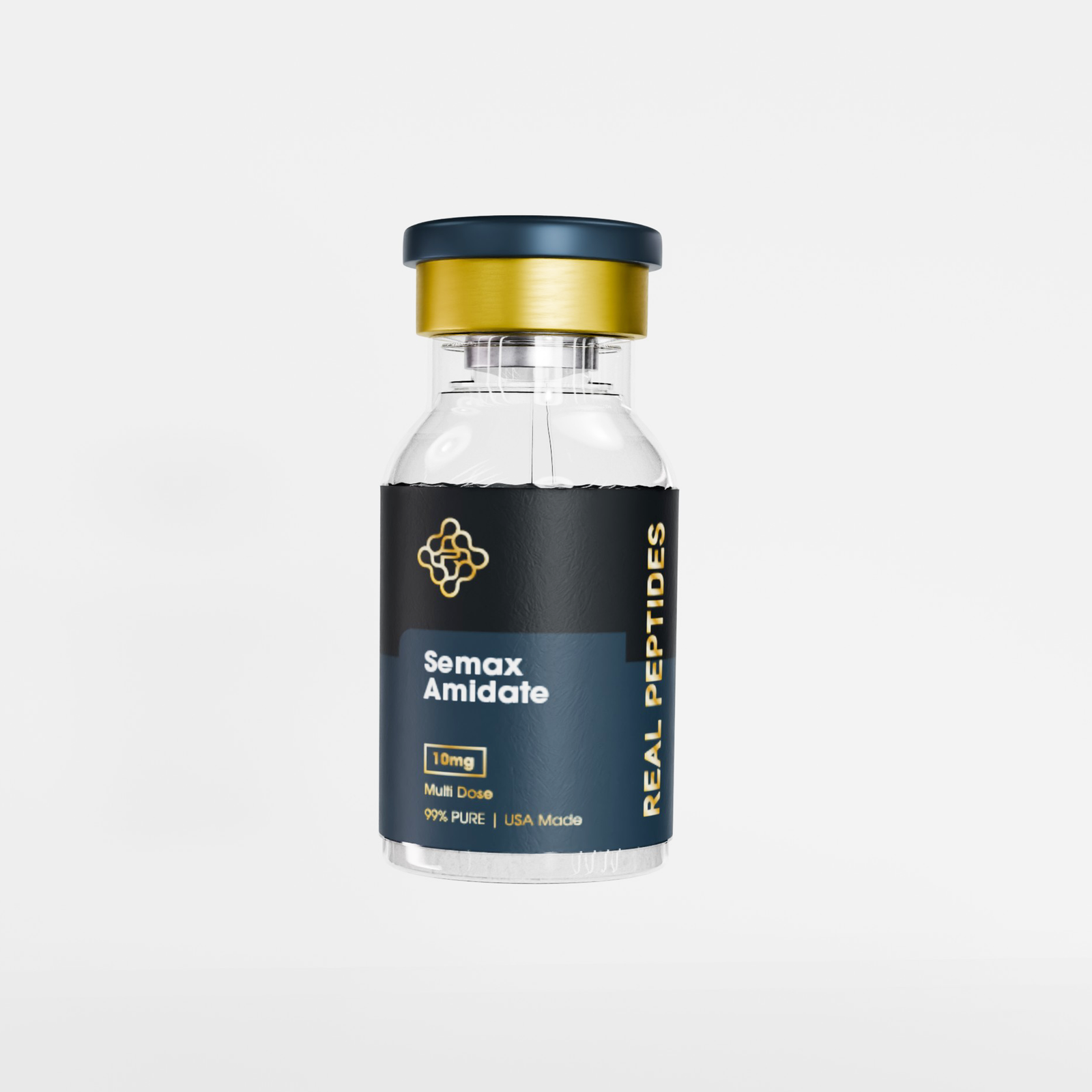
Buy Selank Amidate Peptide 10 mg Online from SourceTides. Selank (TKPRPGP) with C-terminal amide (–NH₂) modification | Tuftsin-derived heptapeptide | ≥99% HPLC purity (C-terminal amide confirmed by MS) | Endotoxin <1 EU/mg (LAL) | Full CoA | Lyophilised | Dry-ice cold chain. GABAergic gene expression; BDNF upregulation; IL-6 suppression; anxiolytic without sedation or dependence. Parent compound Russian-approved (2009). For in-vitro laboratory research use only. Not for human consumption.
Buy Selank Amidate Peptide 10 mg Online | ≥99% Purity | CoA Included | SourceTides
Buy Selank Amidate Peptide 10 mg Online from SourceTides.
Selank Amidate is the C-terminal amidated form of Selank — a synthetic heptapeptide (seven amino acids) developed at the Institute of Molecular Genetics of the Russian Academy of Sciences.
The core sequence (Thr-Lys-Pro-Arg-Pro-Gly-Pro) is derived from tuftsin, a naturally occurring immunomodulatory tetrapeptide found in immunoglobulin G, extended at the C-terminus with Pro-Gly-Pro for improved metabolic stability.
The amidate modification replaces the free C-terminal carboxyl group with an amide (–NH₂), providing resistance to carboxypeptidase-mediated degradation and extending the peptide’s effective duration in research models.
Selank and its derivatives are studied for anxiolytic activity, GABAergic system modulation, serotonin metabolism, BDNF upregulation, and immunomodulation.
The parent compound Selank received Russian regulatory approval in 2009 for generalised anxiety disorder.
Every SourceTides vial is lyophilised, tested at ≥99% HPLC purity, and ships with a full lot-specific Certificate of Analysis.
For in-vitro laboratory research use only. Not for human consumption.
Selank Amidate — Technical Specifications
| Parameter | Specification |
|---|---|
| Product Name | Selank Amidate (C-terminal amide form) |
| Parent Compound | Selank (CAS 129954-34-3); free acid form; MW 751.87 g/mol |
| Amidate Modification | C-terminal –COOH replaced by –NH₂ (amide); carboxypeptidase resistance; no N-terminal acetylation (this is Selank Amidate, not N-Acetyl Selank Amidate) |
| Synonyms | Selank-NH₂; Selanc Amidate; TP-7 Amidate; Selank C-terminal amide |
| Molecular Formula | C₃₃H₅₈N₁₂O₈ (amide form; +NH₂ at C-terminus) |
| Molecular Weight | ~750.88 g/mol (free acid MW 751.87; amide modification: −OH +NH₂ = net −1 Da) |
| Peptide Length | 7 amino acids (heptapeptide); C-terminal amide |
| Amino Acid Sequence | H-Thr-Lys-Pro-Arg-Pro-Gly-Pro-NH₂ (TKPRPGP-NH₂) |
| Structural Origin | Tuftsin (Thr-Lys-Pro-Arg; IgG-derived tetrapeptide) + C-terminal Pro-Gly-Pro extension for metabolic stability; amidated at C-terminus for additional carboxypeptidase resistance |
| Peptide Class | Glyproline peptide family; synthetic tuftsin analog; nootropic/anxiolytic research peptide |
| Developer | Institute of Molecular Genetics, Russian Academy of Sciences & V.V. Zakusov Research Institute of Pharmacology |
| Primary Mechanisms | GABAergic gene expression modulation; serotonin metabolism enhancement; BDNF upregulation (hippocampus); enkephalin degradation inhibition; IL-6 and cytokine modulation; HPA axis normalisation |
| Why Amidate Form | C-terminal amidation: (1) blocks carboxypeptidase cleavage; (2) increases receptor binding affinity in CNS targets; (3) extends effective duration vs free acid; (4) reduces overall negative charge — closer mimic of endogenous peptide environment |
| Physical Form | White lyophilised powder |
| Purity | ≥99% (RP-HPLC); identity confirmed by ESI-MS (C-terminal amide confirmed) |
| Endotoxin | <1 EU/mg (LAL chromogenic assay) |
| Solubility | Soluble in sterile water and PBS pH 7.4; 1–2 mg/mL stock recommended; note slightly reduced aqueous solubility vs free acid form due to amidation reducing net charge |
| Storage — Lyophilised | −20°C long-term (stable 18–24 months); 2–8°C short-term; protect from light and moisture |
| Storage — Reconstituted | 2–8°C for up to 7 days; −20°C for longer; avoid freeze-thaw; aliquot for single use |
| Certificate of Analysis | Lot-specific CoA with every order; HPLC chromatogram + MS data (amide confirmed) + endotoxin result |
| Regulatory Status | Parent Selank approved in Russia (2009) for GAD; Selank Amidate itself: not approved by FDA, EMA, TGA, or Health Canada; research compound only |
| WADA Status | Not listed on the 2024–2025 WADA Prohibited List; verify current list before sport science research |
What Is Selank Amidate?
Selank Amidate is a stabilised research form of Selank — one of the most studied nootropic and anxiolytic peptides to come out of Russian pharmacology. To understand what the amidate modification does, you first need to understand the parent compound.
Selank is a synthetic heptapeptide developed at the Institute of Molecular Genetics of the Russian Academy of Sciences. Its sequence is Thr-Lys-Pro-Arg-Pro-Gly-Pro (TKPRPGP). It was designed as an enhanced version of tuftsin — a naturally occurring tetrapeptide derived from the Fc region of immunoglobulin G (IgG). Tuftsin itself (Thr-Lys-Pro-Arg) has immunomodulatory properties but is metabolically unstable and short-acting. Selank addresses this by adding a Pro-Gly-Pro (PGP) sequence to the C-terminus of tuftsin, which dramatically improves metabolic stability and extends biological duration. The PGP extension is a classic glyproline motif — the basis of the entire glyproline peptide family of which Selank is a member.
Selank Amidate takes the parent compound one step further. The free C-terminal carboxyl group (–COOH) of Selank is replaced by an amide group (–NH₂). This single modification does three things: it blocks the primary site of carboxypeptidase-mediated degradation, it increases receptor binding affinity at CNS targets by reducing the terminal charge, and it produces a terminal chemistry that more closely resembles the environment of endogenous neuropeptides. The result is a form of Selank with enhanced enzymatic stability and potentially improved CNS penetration compared to the free acid parent.
It is important to distinguish Selank Amidate from N-Acetyl Selank Amidate — a separate compound that also carries an N-terminal acetyl group. Selank Amidate has the amide at the C-terminus only. N-Acetyl Selank Amidate has modifications at both ends. SourceTides supplies the C-terminal amidate form — the most direct structural advancement of the parent Selank molecule. When you buy Selank Amidate Peptide 10 mg, you receive a compound backed by the extensive research base of the parent Selank, in a form engineered for improved research utility.
The Science Behind the Amidate Modification
Why C-Terminal Amidation Matters for Research
C-terminal amidation is one of the most common post-translational modifications in endogenous neuropeptides. Approximately 50% of all known bioactive peptides are C-terminally amidated in their active form. Examples include oxytocin, vasopressin, substance P, NPY, and VIP. The body uses this modification for a reason — it stabilises peptides in the circulation and often enhances their potency at target receptors.
For synthetic research peptides, amidation serves three functions. First, it protects against carboxypeptidase-mediated degradation — a major route of peptide breakdown in plasma and brain tissue. Carboxypeptidases cleave C-terminal amino acids sequentially; the amide group is not recognised as a substrate. Second, C-terminal amidation reduces the overall negative charge of the peptide, which can improve membrane permeability and CNS penetration compared to the free acid form. Third, for peptides that act on receptors that are normally activated by endogenously amidated ligands, the amide form often binds with higher affinity than the free acid. For Selank specifically, these properties translate to a longer-lasting and potentially more potent research tool in cell culture and in-vivo models where enzymatic degradation would otherwise limit the free acid’s effective window.
Selank Amidate vs Regular Selank vs N-Acetyl Selank Amidate
| Form | Sequence | N-Terminal | C-Terminal | Key Research Note |
|---|---|---|---|---|
| Selank (free acid) | TKPRPGP | Free H- | Free –COOH | Parent compound; Russian-approved (2009); most published human and animal data; susceptible to carboxypeptidase at C-terminus |
| Selank Amidate (this product) | TKPRPGP-NH₂ | Free H- | Amide –NH₂ | Enhanced carboxypeptidase resistance; improved CNS receptor affinity; extended effective duration; same core pharmacology as parent Selank |
| N-Acetyl Selank Amidate | Ac-TKPRPGP-NH₂ | Acetyl Ac- | Amide –NH₂ | Both termini modified; maximum enzymatic stability; lowest net charge; most hydrophobic of the three; slightly reduced aqueous solubility; fewest direct published studies of the three forms |
How Selank Amidate Works — Mechanisms of Action
Selank is unusual among research peptides because it operates through at least five distinct neurochemical pathways simultaneously. Its effects are not mediated by a single receptor but by a broad modulation of gene expression and neurotransmitter metabolism. Selank Amidate shares this multi-pathway mechanism with enhanced stability.
Step 1 — GABAergic System Modulation
The most characterised mechanism of Selank is its influence on the GABAergic neurotransmission system — the same system targeted by benzodiazepines. Clinical studies showed that Selank produced anxiolytic effects comparable to classical benzodiazepine drugs. However, Selank’s mechanism differs critically from benzodiazepines: it does not directly bind to GABA-A receptors. Instead, it modulates the expression of genes encoding GABA-A receptor subunits and other components of GABAergic neurotransmission.
Volkova et al. (2016; PMC4757669) demonstrated in rats that Selank administration altered the expression of genes involved in GABAergic neurotransmission — providing a molecular basis for anxiolytic activity without direct receptor occupancy. Filatova et al. (2017; PMC5328971) confirmed in IMR-32 human neuroblastoma cells that Selank altered the expression of 84 genes involved in GABAergic function and neurotransmission. Crucially, Selank produces anxiolytic effects without the sedation, dependence, tolerance, amnesia, or withdrawal that characterise benzodiazepine use — a distinction that makes it scientifically and pharmacologically important as a research compound for studying anxiety without these confounders.
Step 2 — Serotonin Metabolism Enhancement
Selank enhances serotonin metabolism in the brainstem within 30 minutes of administration, as shown by Vyunova et al. (2018). This serotonergic effect contributes to both the anxiolytic and mood-stabilising aspects of Selank’s pharmacological profile. Selank shifts serotonin metabolism toward increased turnover — it is not a reuptake inhibitor and does not act like an SSRI. Instead, it appears to modulate serotonergic tone through an indirect pathway, possibly via its GABAergic and HPA axis effects (since GABA inhibits CRH secretion, which in turn affects the HPA-serotonin relationship). The result in animal models is anxiolysis without the sexual side effects, emotional blunting, or delayed onset associated with SSRI-class drugs. Selank also modulates noradrenaline and dopamine pathways, making it a broad monoaminergic neuromodulator rather than a selective serotonergic agent.
Step 3 — BDNF Upregulation in the Hippocampus
Inozemtsev et al. (2008) demonstrated that intranasal Selank administration significantly upregulated BDNF (Brain-Derived Neurotrophic Factor) expression in the rat hippocampus. BDNF is one of the most important proteins in neuroscience — it supports the survival of existing neurons, promotes neurogenesis, and is the molecular mechanism underlying learning, memory consolidation, and stress resilience. Low BDNF is consistently associated with depression, anxiety, PTSD, and neurodegenerative disease. Selank’s BDNF-upregulating effect provides a mechanistic basis for its nootropic properties — the same pathway used by exercise and some antidepressants. In research terms, the BDNF response makes Selank a tool for studying neuroplasticity, learning, and cognitive resilience in animal models of stress and anxiety.
Step 4 — Enkephalin Degradation Inhibition
Selank inhibits the enzymes responsible for degrading enkephalins — endogenous opioid pentapeptides (Met-enkephalin and Leu-enkephalin) that modulate pain perception and anxiety through mu and delta opioid receptors. By slowing enkephalin breakdown, Selank prolongs the activity of these endogenous anxiolytic and analgesic signals. This mechanism is completely distinct from GABAergic, serotonergic, and BDNF pathways — it is a third independent route by which Selank reduces anxiety without opioid receptor agonism. Researchers studying the intersection of endogenous opioid systems and anxiety will find this mechanistic feature of particular interest.
Step 5 — Immunomodulation and Cytokine Regulation
Because Selank is derived from tuftsin — a peptide known for immune regulatory activity — its immunomodulatory properties are well-grounded in its structural origin. Selank modulates cytokine expression, including a reported 30–40% reduction in IL-6 expression in LPS-challenged models. A clinical study in patients with generalised anxiety disorder showed that 14 days of Selank administration suppressed IL-6 gene expression in peripheral blood and altered the Th1/Th2 cytokine balance toward a more favourable anti-inflammatory ratio. This brain-immune axis activity — anxiolytic effects combined with simultaneous cytokine regulation — is a unique dual mechanism. For researchers studying the intersection of neuroinflammation, anxiety, and immune function, Selank is the primary tool compound.
Selank Research Evidence
| Research Area | Evidence Level | Key Finding | Source |
|---|---|---|---|
| Anxiolytic — comparable to benzodiazepines | Clinical trials (Russian); in vivo (rodent) | Selank anxiolytic effect comparable to classical benzodiazepines; no sedation, dependence, or cognitive impairment; mechanism via GABAergic gene expression modulation, not direct receptor binding | Volkova et al. 2016 — PMC4757669 |
| GABAergic Gene Expression (84 genes) | In vitro (IMR-32 human neuroblastoma; qPCR) | Selank altered expression of 84 genes involved in GABAergic neurotransmission and synaptic function; provides molecular basis for benzodiazepine-comparable anxiolysis without receptor binding | Filatova et al. 2017 — PMC5328971 |
| BDNF Upregulation (hippocampus) | In vivo (rat; intranasal administration) | Intranasal Selank significantly upregulated BDNF mRNA in rat hippocampus; neuroplasticity-promoting mechanism independent of anxiolytic effects; relevant to memory and learning research | Inozemtsev et al. 2008 — PubMed PMID: 18803097 |
| Serotonin Metabolism Enhancement | In vivo (rat brainstem; 30-min onset) | Selank enhanced serotonin metabolism in brainstem within 30 minutes of administration; modulated 84 neurotransmission genes including serotonin and dopamine receptor subunits | Vyunova et al. 2018 — PubMed PMID: 30067150 |
| IL-6 Suppression and Immune Modulation | Clinical (GAD patients; 14-day course) | 14-day Selank course suppressed IL-6 gene expression in peripheral blood; altered Th1/Th2 cytokine balance toward anti-inflammatory ratio in GAD patients; 30–40% IL-6 reduction in LPS-challenged models | Frontiers Pharmacology 2017 — PMC5328971 |
| Ethanol-Induced Memory Impairment | In vivo (rodent ethanol impairment model) | Selank protected against ethanol-induced memory impairment by modulating neurotransmitter systems disrupted by alcohol; relevant to alcohol withdrawal and addiction research | Kolik et al. 2019 — PubMed PMID: 31302093 |
| Functional Brain Connectivity (fMRI) | Human neuroimaging study | Selank affected neural network functional connectivity in regions associated with attention and emotional regulation; first neuroimaging evidence of Selank’s CNS mechanism in humans | Panikratova et al. 2020 — PubMed PMID: 32321277 |
| Russian Regulatory Approval (parent compound) | Regulatory milestone (2009) | Selank (parent free acid) approved by Russian Ministry of Health in 2009 for generalised anxiety disorder; available as prescription intranasal formulation in Russia and Ukraine; amidate form is the stabilised research analog | Wikipedia: Selank |
Why Selank Has No Benzodiazepine Side Effects — A Key Research Finding
One of the most important and most studied properties of Selank is that it produces anxiolytic effects comparable to benzodiazepines without the side effect profile of that drug class. Understanding why this matters requires a brief look at what benzodiazepines do.
The Benzodiazepine Problem in Anxiety Research
Benzodiazepines (diazepam, alprazolam, clonazepam) are positive allosteric modulators of GABA-A receptors — they increase the frequency of chloride channel opening when GABA binds. They work quickly and powerfully for anxiety. But they come with a cluster of research-complicating properties: sedation (confounds cognitive endpoints), retrograde amnesia (confounds memory endpoints), dependence and tolerance (limits chronic study designs), and withdrawal syndrome (complicates long-duration experiments). They also have respiratory depression risk at higher doses. For researchers who need to study anxiolysis as a variable while keeping cognitive, motor, and memory endpoints clean, benzodiazepines are a poor tool.
Selank addresses all of these problems. Clinical studies — primarily Russian, which is a limitation to acknowledge — showed that Selank produced anxiolytic effects comparable in magnitude to benzodiazepines, but with no sedation, no reported dependence or withdrawal syndrome, and no amnesia. In rodent models, Selank consistently reduces anxiety-related behaviours across multiple validated assays (elevated plus maze, open field, fear conditioning) without motor impairment — confirming the anxiolysis is not sedation-artefact. The mechanism — gene expression modulation rather than direct receptor allosteric modulation — may explain the cleaner profile.
The Brain-Immune Axis: Selank’s Unique Dual Action
Most anxiolytics act exclusively in the CNS. Selank’s tuftsin-derived structure means it simultaneously acts on the immune system. Tuftsin is a phagocytosis-stimulating tetrapeptide that activates macrophages, NK cells, and T lymphocytes. Selank retains this immunomodulatory scaffold while adding the CNS-active glyproline extension.
The clinical finding that 14 days of Selank administration suppressed IL-6 gene expression in peripheral blood of anxiety patients connects neuroscience and immunology research in a way that single-mechanism anxiolytics cannot. IL-6 is a key pro-inflammatory cytokine linked to depression, anxiety, and neuroinflammation. Its suppression by Selank — alongside simultaneous GABAergic anxiolysis — makes Selank uniquely relevant for researchers studying the neuroinflammation-anxiety interface, psychoneuroimmunology, and the gut-brain-immune axis.
What Is Selank Amidate Used for in Research?
| Research Field | Application | Why Selank Amidate |
|---|---|---|
| Anxiety / Psychopharmacology | Anxiolytic mechanism studies; benzodiazepine-free anxiety models; elevated plus maze; fear conditioning; stress behaviour | Comparable anxiolytic potency to benzodiazepines without sedation, amnesia, or dependence confounders; Russian regulatory approval for parent compound; most studied research peptide for clean anxiolysis |
| GABAergic Neuropharmacology | GABA-A gene expression; receptor subunit studies; GABAergic signalling; qPCR neurotransmission panels | Modulates 84 GABAergic neurotransmission genes; documented in human IMR-32 cells; provides indirect GABAergic modulation without direct receptor binding — unique research tool vs direct agonists/modulators |
| Neuroplasticity / BDNF Biology | BDNF expression assays; hippocampal neuroplasticity; memory consolidation; cognitive resilience models | Confirmed hippocampal BDNF upregulation in vivo; same neuroplasticity pathway as exercise and some antidepressants; complements Semax for combined BDNF/cognitive research panels |
| Neuroinflammation / Psychoneuroimmunology | IL-6 and cytokine expression; Th1/Th2 balance; brain-immune axis; anxiety-inflammation interface | 30–40% IL-6 reduction in LPS models; Th1/Th2 normalisation in clinical GAD patients; tuftsin-derived immune scaffold; unique dual CNS + immune mechanism not found in other anxiolytics |
| Nootropic / Cognitive Research | Memory formation; learning; stress-induced cognitive impairment; fMRI connectivity studies | Improved memory retention in murine models; fMRI evidence of altered neural connectivity in attention and emotional regulation networks; ethanol memory impairment protection; BDNF mechanism provides cognitive basis |
| Peptide Stability Research | C-terminal amide vs free acid stability studies; carboxypeptidase resistance; terminal modification pharmacology | Amidate form is the ideal comparator for studying how C-terminal amidation affects peptide stability, receptor affinity, and in-vivo duration vs the parent free acid; well-characterised parent compound as reference |
| Addiction / Withdrawal Research | Alcohol-induced memory impairment; opioid withdrawal anxiety; substance use disorder neurobiology | Protection against ethanol-induced memory impairment published (Kolik et al. 2019); enkephalin metabolism modulation relevant to opioid system research; anxiolytic without dependence potential |
Selank Amidate Pharmacokinetics
| Parameter | Value / Notes | Research Implication |
|---|---|---|
| Stability vs Parent (Free Acid) | Amidate modification blocks carboxypeptidase cleavage at C-terminus; extended effective duration vs parent Selank; storage stability improved to 18–24 months vs ~6 months at −20°C for some free acid peptides | Longer effective window in biological assays; better suited to long-duration incubation experiments where free acid would be substantially degraded by endpoint measurement |
| Routes of Administration (parent compound) | Intranasal (Russian clinical formulation; most used); SC injection (animal studies); IV (some research protocols); oral (poor bioavailability for heptapeptide without formulation aid) | Intranasal route is the clinically established route for the parent compound; SC/IP standard for rodent protocols; intranasal provides CNS-targeted delivery without full systemic exposure |
| CNS Penetration | Crosses blood-brain barrier confirmed for parent Selank (BDNF upregulation in hippocampus after intranasal admin); amidation may improve BBB penetration by reducing net charge | CNS penetration established for parent compound; amidate form expected to maintain or improve this; measure CNS endpoint (BDNF, GABA subunit expression) 1–4 hours after administration in animal studies |
| Onset of Neurochemical Effects | Serotonin metabolism changes within 30 minutes (Vyunova et al. 2018); BDNF upregulation measurable at 1–4 hours; behavioural anxiolysis in rodent models within 30–60 min post-administration | For behavioural studies: administer 30–60 min before anxiety assessment. For molecular endpoints (BDNF, gene expression): collect tissue at 1–4 hours post-dosing for peak signal |
| Validated Animal Doses | IP/SC: 0.1–1.0 mg/kg in most rodent anxiolytic and cognitive studies; intranasal: lower doses (µg range); BDNF study: intranasal dose equivalent to ~100 µg/kg | 0.1–1.0 mg/kg SC or IP is the standard rodent dose range with published behavioural endpoints; start at 0.3 mg/kg for initial dose-response work |
| In-Vitro Concentration Range | 1 nM – 10 µM in published gene expression studies; Filatova et al. (2017) used concentrations relevant to physiological CNS exposure estimates | Run full 8-point dose-response in your cell system (1 nM – 10 µM) before committing to a single concentration; GABAergic gene expression effects may be concentration-dependent in direction as well as magnitude |
| Solubility Note (amidate form) | Slightly reduced aqueous solubility vs free acid (amidation reduces net negative charge); dissolve in sterile water at room temperature; avoid acidic buffers | Prepare stock in sterile water (1 mg/mL); vortex briefly if needed; use PBS pH 7.4 for working dilutions; if precipitate forms, warm to 37°C briefly and mix again; do not use pH <6.0 buffers |
Selank Amidate Side Effects and Safety Profile
| Concern | Evidence | Protocol Note |
|---|---|---|
| High tolerability (parent compound data) | Selank: high tolerability and absence of toxicity confirmed for up to 1 month in clinical studies; no dependence or withdrawal reported; no sedation at anxiolytic doses; no amnesia | Parent compound data supports benign safety profile; Selank Amidate shares the same core sequence and mechanism; formal amidate-specific toxicology studies not yet published |
| No dependence or withdrawal | Multiple studies confirm no dependence liability despite benzodiazepine-comparable anxiolytic potency; mechanism (gene expression modulation) does not create tolerance or receptor downregulation | Key differentiator from benzodiazepine comparators; allows longer chronic study designs without withdrawal confounders; no dose escalation needed for stable effect |
| Mild nasal irritation (intranasal route only) | Minor side effects from nasal formulation use reported (local irritation); not applicable to SC/IP injection or in-vitro cell culture use | Route-specific consideration; standard SC injection technique applies for in-vivo animal studies; not relevant for cell culture protocols |
| No direct amidate-form clinical data | Selank Amidate has no published Phase 1/2 clinical trial data of its own; all mechanistic and safety extrapolation comes from parent Selank literature | This is the primary evidence gap for this compound specifically; treat as mechanistically well-supported but pharmacokinetically under-characterised; appropriate for in-vitro and well-designed preclinical research |
| Possible mild fatigue or sedation at high doses | Anecdotal reports at doses substantially above published research ranges; not observed in clinical trials at standard doses | Stay within published preclinical dose ranges (0.1–1.0 mg/kg); high-dose protocols outside published ranges require careful experimental justification |
| Not WADA prohibited | Not on 2024–2025 WADA Prohibited List | Verify annually; WADA list updated each year |
Selank Amidate Quality Control at SourceTides
Every batch of Selank Amidate Peptide 10 mg from SourceTides passes these tests before release. The C-terminal amide is the defining structural feature of this product — its confirmation by mass spectrometry is the critical QC step that distinguishes Selank Amidate from the free acid parent.
| Test | Method | Specification | Why It Matters |
|---|---|---|---|
| Purity | RP-HPLC (C18; UV 220 nm) | ≥99% peak area purity | Confirms absence of free acid (Selank), synthesis by-products, and racemised residues; the amidate and free acid forms co-elute closely — resolution at ≥99% confirms correct product |
| Identity and Amide Confirmation | ESI-MS (expected [M+H]⁺ ~751.89 Da for amidate form) | Confirmed MW; C-terminal amide confirmed (mass −1 Da vs free acid parent at same sequence) | The most critical QC step for this specific product — MS directly confirms whether the C-terminus is amide (−NH₂) or free acid (−COOH); without this you cannot verify you have Selank Amidate vs regular Selank |
| Endotoxin | LAL chromogenic assay | <1 EU/mg | LPS activates IL-6, NF-κB, and inflammatory cytokine cascades that overlap directly with Selank’s IL-6 suppression and cytokine modulation mechanisms — endotoxin-free is essential for immune biology assays |
| Appearance | Visual inspection | White powder; no clumping or discolouration | Discolouration indicates oxidation; clumping indicates moisture; both affect analytical weight accuracy and potency |
| Moisture | Karl Fischer titration | <5% w/w | Low moisture prevents hydrolysis of the C-terminal amide back to free acid during storage — especially important for the amidate form |
| Cold-Chain Dispatch | Dry-ice packaging; temperature-logged | ≤−20°C throughout transit | Maintains lyophilised peptide integrity and prevents any temperature-accelerated amide hydrolysis during shipping |
| Certificate of Analysis | Lot-specific PDF | HPLC + MS (amide confirmed) + endotoxin + moisture + dates | MS amide confirmation unique to amidate-form CoA; required documentation for institutional research compliance |
Selank Amidate Regulatory Status
| Jurisdiction | Status | Notes |
|---|---|---|
| USA (FDA) | Not approved; research compound only; FDA placed Selank on 503B Category 2 list (2023 — compounding pharmacy restrictions) | Not a DEA controlled substance. FDA Category 2 listing restricted US compounding pharmacies from producing Selank. Research-grade Selank Amidate supplied by SourceTides for laboratory use only — not as a compounded pharmaceutical. |
| Russia / Ukraine | Parent Selank approved (2009) — prescription intranasal formulation for GAD | Selank (free acid, intranasal) approved by Russian Ministry of Health in 2009; available by prescription for GAD. Selank Amidate is the research-analog form — not the approved formulation. This approval provides clinical context for the parent compound’s mechanism but does not extend to the amidate form. |
| Australia (TGA) | Not listed on ARTG; research compound | Not registered as a therapeutic good. Research laboratory access only. |
| United Kingdom (MHRA) | Unlicensed; not a controlled drug; research compound | No MHRA marketing authorisation. Not listed under the Misuse of Drugs Act 1971. |
| Canada (Health Canada) | Unapproved new drug; research access only | Not a CDSA controlled substance. Not authorised for therapeutic sale. |
| European Union (EMA) | No EMA marketing authorisation; research use | No authorised medicinal product in any EU member state. |
| WADA | Not listed on the 2024–2025 Prohibited List | No performance-enhancing classification. Verify WADA list annually at wada-ama.org. Research use in accredited labs does not constitute a violation. |
Selank Amidate vs Related Nootropic and Anxiolytic Research Peptides
| Compound | Type / Mechanism | Primary Research Focus | Key Difference vs Selank Amidate | SourceTides |
|---|---|---|---|---|
| Selank Amidate | Heptapeptide; tuftsin analog; C-terminal amide | Anxiolytic; GABAergic gene modulation; BDNF; IL-6; nootropic | — | Buy Selank Amidate |
| Semax | 7-AA ACTH(4-10) analog; BDNF/NGF upregulation | Neuroprotection; stroke recovery; BDNF; cognitive enhancement; mood | Russian origin, same institute; ACTH-derived vs tuftsin-derived; Semax targets BDNF/VEGF/neuroprotection primarily, Selank targets anxiolysis/GABA primarily; often paired for combined anxiolytic + neuroprotective research | Buy Semax |
| DSIP | Nonapeptide; delta EEG induction; NMDA/GABA | Delta sleep induction; neuroprotection; HPA modulation; antioxidant | Both modulate GABA system and HPA axis; DSIP targets delta-wave sleep specifically; Selank targets waking anxiety; complementary for studies on sleep-anxiety interface | Buy DSIP 5 mg |
| Pinealon (EDR) | Tripeptide; epigenetic DNA binding; antioxidant | CNS neuroprotection; AD dendritic spine preservation; SOD/GPX upregulation | Different mechanism (epigenetic DNA binding vs GABAergic gene modulation); neuroprotection focus vs anxiolytic focus; both relevant to neuropsychiatric aging research | Buy Pinealon 10 mg |
| BPC-157 | 15-AA gastric peptide; VEGFR2/NO/FAK | Tissue repair; GI cytoprotection; angiogenesis; also CNS effects | Different primary research domain; BPC-157 targets physical tissue repair; Selank targets neuropsychiatric function; BPC-157 also has dopamine system and serotonin receptor modulation data — complementary in CNS recovery panels | Buy BPC-157 Capsules |
Peer-Reviewed References
| # | Citation | Link |
|---|---|---|
| 1 | Volkova A et al. (2016). Selank Administration Affects the Expression of Some Genes Involved in GABAergic Neurotransmission. Front Pharmacol. PMC4757669. | PMC4757669 |
| 2 | Filatova E et al. (2017). GABA, Selank, and Olanzapine Affect the Expression of Genes Involved in GABAergic Neurotransmission in IMR-32 Cells. Front Pharmacol. PMC5328971. | PMC5328971 |
| 3 | Inozemtsev AN et al. (2008). Intranasal Selank regulates BDNF expression in rat hippocampus. Dokl Biol Sci. 421:241–243. PMID: 18803097. | PubMed PMID: 18803097 |
| 4 | Vyunova TV et al. (2018). How Selank Peptide Reduces Anxiety by Modulating GABA Receptors Differently Than Benzodiazepines. Protein Pept Lett. PMID: 30067150. | PubMed PMID: 30067150 |
| 5 | Kolik LG et al. (2019). Selank protected against ethanol-induced memory impairment. Bull Exp Biol Med. PMID: 31302093. | PubMed PMID: 31302093 |
| 6 | Panikratova YR et al. (2020). Selank affects functional brain connectivity in regions associated with attention and emotional regulation. Front Neurosci. PMID: 32321277. | PubMed PMID: 32321277 |
| 7 | Wikipedia: Selank. History, mechanism, regulatory approval (Russia 2009), clinical evidence, and pharmacology overview. | Wikipedia: Selank |
| 8 | Wikipep: N-Acetyl Selank Amidate. 2026. Covers modification rationale, structural chemistry, and comparison to parent compound. | Wikipep: N-Acetyl Selank Amidate |
| 9 | PubChem. Selank. CAS 129954-34-3. National Library of Medicine. Structural data, synonyms, and literature references for parent compound. | PubChem CAS 129954-34-3 |
Frequently Researched Alongside Selank Amidate
These compounds are commonly studied alongside Selank Amidate in nootropic, anxiolytic, and neuroimmune research:
- Semax — The other major Russian-origin research neuropeptide; ACTH(4-10) analog; BDNF/NGF upregulation and neuroprotection focus; paired with Selank in protocols combining anxiolytic and cognitive-enhancing pathways
- DSIP Peptide 5 mg — Delta sleep-inducing neuropeptide; both Selank and DSIP modulate HPA axis and GABA system; studied together in sleep-anxiety interface research
- Pinealon 10 mg — CNS neuroprotection via epigenetic antioxidant gene regulation; studied alongside Selank in neuroprotection and neuropsychiatric aging research panels
- Epithalon 10 mg — Khavinson bioregulator; telomerase activation and melatonin restoration; studied alongside Selank in multi-system aging protocols combining immune, circadian, and CNS aging
- Thymalin 10 mg — Thymic immune bioregulator; studied alongside Selank for combined CNS-immune axis research given both compounds’ activity at the brain-immune interface
Frequently Asked Questions
You can buy Selank Amidate Peptide 10 mg directly from SourceTides. Every order includes a lot-specific Certificate of Analysis with the RP-HPLC chromatogram (≥99% purity), ESI-MS identity confirmation (C-terminal amide confirmed by mass — distinguishing Selank Amidate from the free acid parent), and the LAL endotoxin result (<1 EU/mg). All vials are lyophilised and dispatched on dry-ice cold chain.
These are three structurally distinct forms of the same core heptapeptide (TKPRPGP).
Selank (free acid): The parent compound. Russian-approved for GAD (2009). Free N-terminus, free C-terminus (–COOH). Most published human and animal data. Susceptible to carboxypeptidase degradation at C-terminus. This is what the clinical and mechanistic literature is primarily based on.
Selank Amidate (this product): C-terminus replaced with –NH₂ (amide). Blocks carboxypeptidase. Increased receptor binding affinity. Extended effective duration. Free N-terminus (no acetylation). Same core pharmacology as parent Selank but with improved enzymatic stability at one end.
N-Acetyl Selank Amidate: Both termini modified — N-terminal acetyl (Ac-) AND C-terminal amide (–NH₂). Maximum enzymatic stability. Lowest net charge. Slightly reduced aqueous solubility. Fewest published studies of the three — most experimental, most novel. SourceTides supplies Selank Amidate as the balanced choice between parent compound stability and novel structural modification.
For GABAergic gene expression studies (qPCR; 84-gene panels), BDNF upregulation assays, and neuroblastoma cell culture experiments, ≥99% HPLC purity is the minimum. The critical quality point for Selank Amidate specifically is mass spectrometry confirmation of the C-terminal amide — HPLC purity alone cannot distinguish Selank Amidate from the free acid parent (they have almost identical sequence and elution profiles). MS confirmation showing the amide MW (−1 Da vs free acid) is the only definitive verification. Without it, you cannot be certain which form you have. Every SourceTides Selank Amidate CoA includes this MS confirmation. Endotoxin testing (<1 EU/mg by LAL) is equally critical for immune biology assays — LPS activates IL-6 and NF-κB pathways that directly overlap with Selank’s cytokine modulation targets.
Selank Amidate can be purchased as a research compound in all major Western jurisdictions. In the USA, the parent compound Selank was placed on the FDA 503B Category 2 list in 2023, restricting US compounding pharmacies from producing it. However, SourceTides supplies research-grade Selank Amidate for laboratory use only — not as a compounded pharmaceutical, so this restriction does not apply. It is not a DEA controlled substance. In the UK, it is not a controlled drug. In Australia and Canada, it is an unapproved therapeutic good available for laboratory research. It is not WADA-prohibited. SourceTides supplies exclusively for in-vitro laboratory research. See the SourceTides shipping policy for jurisdiction-specific details.
Selank has one of the strongest mechanistic evidence bases of any nootropic/anxiolytic research peptide, though with an important limitation.
Strong mechanistic evidence: Two peer-reviewed PMC studies (Volkova et al. 2016; Filatova et al. 2017) confirm GABAergic gene expression modulation in both rat brain and human IMR-32 cells. BDNF hippocampal upregulation confirmed in vivo (2008). Serotonin metabolism enhancement within 30 minutes confirmed (2018). IL-6 suppression in clinical GAD patients confirmed (14-day course). fMRI brain connectivity changes confirmed in humans (2020). Ethanol memory protection confirmed in rodents (2019).
The limitation: The parent compound Selank is approved in Russia for GAD (2009) — but virtually all clinical data comes from Russian research groups. No large-scale Western randomised controlled trial has been published. The evidence is mechanistically rich but geographically concentrated. Selank Amidate has no direct clinical trial data of its own — it shares the parent’s research context.
All references are on the SourceTides Selank Amidate product page.
This is the central scientific question that makes Selank interesting, and it has a clear mechanistic answer. Benzodiazepines bind directly to GABA-A receptors as positive allosteric modulators — they increase the receptor’s response to GABA. This is fast and powerful, but the direct receptor binding causes rapid tolerance, dependence, and the characteristic sedation and amnesia. When benzodiazepines are stopped, the downregulated GABA receptors cause rebound anxiety and withdrawal. Selank does not bind GABA-A receptors directly. Instead, it modulates the expression of genes that encode GABA-A receptor subunits and other GABAergic system components. This indirect, gene-level modulation produces comparable anxiolytic magnitude — confirmed in clinical studies and rodent models — but without receptor desensitisation, tolerance, or dependence, because the mechanism is not receptor occupancy. It is closer to how the brain naturally regulates its own GABA tone. The result is anxiolysis that animal studies show does not impair motor performance or memory, confirming the effect is not sedation-artefact. For researchers, this means Selank is a tool for studying anxiolysis as a phenomenon while keeping cognitive and motor endpoints clean. All SourceTides Selank Amidate is supplied for in-vitro research only.
Based on clinical studies of the parent Selank: high tolerability and absence of toxicity confirmed for up to one month; no sedation at anxiolytic doses; no reported dependence or withdrawal; no amnesia — the defining safety advantages over benzodiazepines. The main reported side effects are minor nasal irritation from the intranasal formulation used in Russian clinical practice (not relevant for SC injection or cell culture use). Anecdotal reports of mild fatigue at high doses exist, but this is not observed in published clinical trials at standard doses. Some anecdotal reports of hair thinning have been noted, possibly linked to BDNF modulation, but this is unconfirmed in formal studies. No direct published safety data exists for Selank Amidate specifically — all safety extrapolation comes from the parent compound. The key data gap is the absence of long-term (beyond 1 month) human safety data. All SourceTides Selank Amidate is for in-vitro research use only.
Selank and Semax are often described as a pair — both are Russian-origin, Institute of Molecular Genetics-developed research neuropeptides with nootropic properties. But they have distinct mechanisms and primary applications. Semax is a synthetic analog of ACTH(4-10) — it primarily works through BDNF and NGF upregulation, neuroprotection, and stroke recovery. It is the stronger cognitive enhancer and neuroprotectant, with substantial data in ischemia models. Selank is a tuftsin analog primarily working through GABAergic gene modulation, serotonin enhancement, and the brain-immune axis via IL-6 and cytokine regulation. It is the stronger anxiolytic and psychoneuroimmunological tool. Both upregulate BDNF, but Semax does so more strongly. Selank modulates GABAergic and serotonergic systems in ways Semax does not. Many research protocols use them together — Semax for cognitive enhancement and neuroprotection, Selank for anxiolytic and immune modulation. SourceTides supplies both Selank Amidate and Semax.
Dissolve lyophilised Selank Amidate in sterile water (preferred) or PBS (pH 7.4) to a stock of 1 mg/mL. Selank Amidate dissolves readily in water, though the amide form has slightly lower aqueous solubility than the free acid — swirl gently and allow a few minutes for complete dissolution. Do not vortex vigorously. For cell culture: dilute to your working concentration in assay media; add BSA at 0.1% to prevent peptide adsorption to plasticware. For in-vivo rodent studies: standard SC or IP injection in sterile saline; validated dose range 0.1–1.0 mg/kg. For BDNF and GABAergic gene expression experiments: allow 1–4 hours after administration before tissue collection for peak molecular signal. For intranasal administration in animal models (the clinically validated route for the parent compound): work with 0.1–1.0 mg/mL aqueous solution; validated by the Russian clinical literature at equivalent doses. Complete reconstitution guidance is in the CoA with every SourceTides Selank Amidate order.
Yes — and this is one of Selank’s most distinctive and under-utilised research applications. Because Selank is derived from tuftsin (a phagocytosis-stimulating, immunomodulatory tetrapeptide from IgG), it retains and enhances immunomodulatory properties. Published data confirms that Selank reduces IL-6 expression by 30–40% in LPS-challenged models and alters the Th1/Th2 cytokine balance in clinical GAD patients toward a more anti-inflammatory profile after 14 days. Selank also modulates T-helper cell cytokine balance and has been shown to interact with macrophage function — features inherited from its tuftsin origin. For researchers studying neuroinflammation, psychoneuroimmunology, or the anxiety-immune axis (where elevated inflammatory cytokines are both a cause and consequence of anxiety disorders), Selank Amidate is the primary tool compound that operates simultaneously in both the CNS and the immune system. The endotoxin specification (<1 EU/mg by LAL) in SourceTides’ Selank Amidate is critical for these assays to prevent LPS-mediated IL-6 activation confounding the Selank-specific signal.
SourceTides accepts Visa, Mastercard, American Express, cryptocurrency, and bank transfers for institutional orders. All payments go through secure, encrypted gateways. For institutional purchase orders, bulk research procurement, or custom quantities, contact the team via the SourceTides contact page. Orders are reviewed for research compliance before dispatch.
Research Use Only
All SourceTides products, including Selank Amidate Peptide 10 mg, are for in-vitro laboratory research use only. They are not approved by the FDA, EMA, TGA, or Health Canada. They are not for human consumption. By purchasing, the buyer confirms authorised researcher status and accepts responsibility for compliance with all applicable laws and regulations.
| Weight | 0.01 lbs |
|---|---|
| Dimensions | 5 × 5 × 5 in |
| Purity | ≥99% (HPLC; C-terminal amide confirmed by MS) |
| Strength | 10 mg |
| Form | Lyophilised Powder |
| Modification |
Be the first to review “Selank Amidate Peptide 10 mg Online | ≥99% Purity | CoA Included | SourceTides”
You may also like…
Cognitive & Mood Support
Pinealon Peptide 10 mg Online | EDR Tripeptide | ≥99% Purity | CoA | SourceTides
Cognitive & Mood Support
DSIP Peptide | Delta Sleep-Inducing Peptide | ≥99% Purity | CoA | SourceTides
Related products
Fat Loss & Metabolic Support Peptides
SLU-PP-332 (Sloop) Online USA — High-Purity ERR Pan-Agonist Research Compound
Cognitive & Mood Support
Healing & Recovery Peptides
BPC-157 500 mcg Capsules Online | ≥99% Purity | CoA Included | SourceTides
Fat Loss & Metabolic Support Peptides
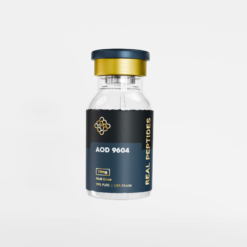
AOD-9604 Peptide Online | HGH Fragment 176-191 | ≥99% Purity | CoA Included | SourceTides
Growth Hormone Modulators Peptides
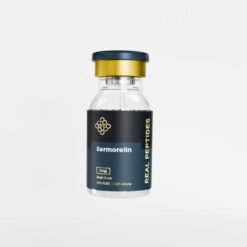
Sermorelin Peptide 10 mg Online | GHRH(1-29) | ≥99% Purity | CoA Included | SourceTides
Growth Hormone Modulators Peptides
Reviews
There are no reviews yet.