Regenerative & Repair Peptides
Regenerative & repair peptides are research compounds studied for their relevance to tissue recovery, cellular regeneration, and structural repair pathways. This category includes some of the most cited compounds in current peptide research — BPC-157, TB-500, GHK-Cu, AHK-Cu, KPV, and Cartalax — each backed by a Certificate of Analysis confirming ≥99% purity.
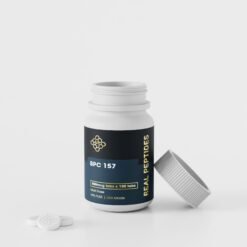
BPC-157 & TB-500 — tissue and structural repair research
BPC-157, a pentadecapeptide derived from a gastric protective protein, is one of the most extensively referenced peptides in soft tissue recovery research. TB-500, a synthetic fragment of Thymosin Beta-4, is studied alongside it for its relevance to cellular migration and structural regeneration models. The two are frequently studied together in combination research protocols.
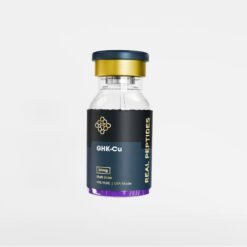
GHK-Cu & AHK-Cu — copper peptides and cellular signaling
GHK-Cu and AHK-Cu are copper-binding tripeptides studied for their role in cellular signaling, connective tissue remodeling, and regenerative skin research — a mechanism class distinct from BPC-157 and TB-500, making them common companions in layered research protocols.
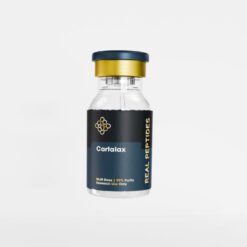
Cartalax — cartilage bioregulator research
Cartalax is a short synthetic peptide bioregulator from the Khavinson peptide family, studied specifically in the context of cartilage-related cellular activity and structural joint tissue research.
KPV — inflammatory signaling research
KPV, a tripeptide fragment of α-MSH, is studied for its relevance to inflammatory signaling pathways that intersect with regenerative and repair research.
Explore related research categories: Healing & Recovery Peptides, Regeneration & Repair Peptide Blends, and Mechanisms of Action.
5. FAQ Block (add below the product grid)
What peptides are studied for tissue repair research?
BPC-157 and TB-500 are the most widely referenced compounds in tissue and structural repair research, often studied in combination.
What’s the difference between BPC-157 and GHK-Cu?
BPC-157 is studied for soft tissue and structural repair mechanisms, while GHK-Cu is a copper-binding peptide studied for cellular signaling and connective tissue remodeling — different mechanism classes often used in complementary research.
Is Cartalax the same as BPC-157?
No. Cartalax is a Khavinson bioregulator peptide studied specifically for cartilage-related cellular activity, distinct from the broader tissue-repair mechanism studied with BPC-157.
Immune Support & Inflammation Peptides
KPV Peptide 10 mg (Lys-Pro-Val; α-MSH C-Terminal Tripeptide)
Healing & Recovery Peptides
BPC-157 500 mcg Capsules Online | ≥99% Purity | CoA Included | SourceTides
Healing & Recovery Peptides
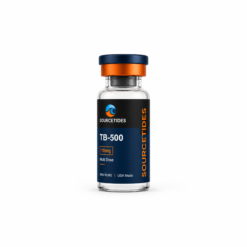
TB-500 Online | Research-Grade Thymosin Beta-4 Fragment ≥99% Purity
Healing & Recovery Peptides
BPC-157 Online | Research-Grade Pentadecapeptide ≥99% Purity