
$59.99
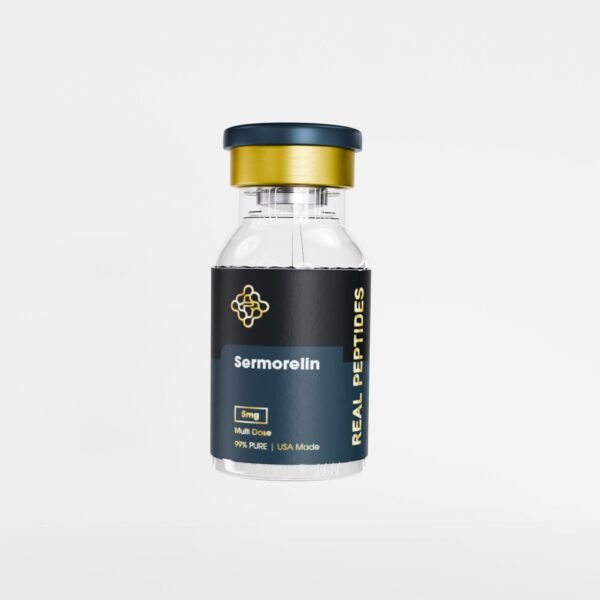
Buy Sermorelin Peptide 10 mg Online from SourceTides. CAS 86168-78-7 | GHRH(1-29)-NH₂ | MW 3,357.88 g/mol | ≥99% HPLC purity | Endotoxin <1 EU/mg (LAL) | Full lot-specific CoA included | Lyophilised | Cold-chain dispatch. Previously FDA-approved (Geref). WADA S2 prohibited. For in-vitro laboratory research use only. Not for human consumption.
Buy Sermorelin Peptide 10 mg Online | GHRH(1-29) | ≥99% Purity | CoA Included | SourceTides
Buy Sermorelin Peptide 10 mg Online from SourceTides — the research-grade synthetic GHRH(1-29) analog (CAS 86168-78-7; also known as GRF(1-29) amide) supplied at ≥99% HPLC-verified purity with a full lot-specific Certificate of Analysis. Sermorelin is the shortest fully active fragment of endogenous growth hormone-releasing hormone (GHRH), retaining complete biological potency at the pituitary GHRH receptor and offering a uniquely physiological model for studying the hypothalamic-pituitary-somatotropic axis. Every SourceTides vial is lyophilised under ISO-grade conditions, independently endotoxin-tested (LAL <1 EU/mg), and dispatched on validated dry-ice cold chain. For in-vitro laboratory and preclinical research use only — not for human consumption.
Sermorelin 10 mg Technical Specifications
| Parameter | Specification |
|---|---|
| INN / Generic Name | Sermorelin |
| Synonyms / Aliases | GRF(1-29) amide; GHRH(1-29); Growth Hormone-Releasing Factor 1-29; Geref (discontinued brand); Sermorelin acetate (salt form) |
| CAS Number (free base) | 86168-78-7 |
| CAS Number (acetate salt) | 114466-38-5 |
| Molecular Formula | C₁₄₉H₂₄₆N₄₄O₄₂S |
| Molecular Weight | 3,357.88 g/mol |
| Peptide Length | 29 amino acids; linear; C-terminal amide (–NH₂) |
| Amino Acid Sequence | Tyr-Ala-Asp-Ala-Ile-Phe-Thr-Asn-Ser-Tyr-Arg-Lys-Val-Leu-Gly-Gln-Leu-Ser-Ala-Arg-Lys-Leu-Leu-Gln-Asp-Ile-Met-Ser-Arg-NH₂ (YADAIFTNSYRKVLGQLSARKLLQDIMSRNH₂) |
| Structural Class | Synthetic linear polypeptide; N-terminal fragment of endogenous human GHRH(1-44); C-terminal amide; unmodified L-amino acids |
| Primary Receptor Target | GHRH receptor (GHRH-R; also called GRF receptor) on anterior pituitary somatotroph cells; Gs-protein coupled; activates adenylate cyclase → cAMP → PKA → GH release |
| Plasma Half-Life | 11–12 minutes (IV or SC administration; FDA label data from Geref; rapidly cleared by serum peptidases) |
| SC Bioavailability | ~6% absolute (SC); Cmax reached 5–20 min post-SC injection; Vd 23.7–25.8 L (IV); clearance 2.4–2.8 L/min |
| GH Effect Duration | ~3 hours (GH pulse persists well beyond peptide plasma half-life due to downstream somatotroph activation) |
| Biological Activity | Full GHRH agonist; equal potency to native GHRH(1-44) at GHRH-R; stimulates physiological pulsatile GH secretion; drives hepatic IGF-1 synthesis |
| Physical Form | White to off-white lyophilised powder |
| Purity | ≥99% (RP-HPLC); identity confirmed by ESI-MS |
| Endotoxin | <1 EU/mg (LAL chromogenic assay) |
| Solubility | Freely soluble in sterile water; soluble in PBS (pH 7.4), acetic acid 0.1%; slightly soluble in DMSO; 1 mg/mL stock in sterile water recommended |
| Storage — Lyophilised | −20°C long-term (≥24 months); 2–8°C short-term; protect from light, heat, and moisture |
| Storage — Reconstituted | 2–8°C for up to 7 days; −20°C for extended storage; avoid freeze-thaw cycles; aliquot for single use |
| Certificate of Analysis | Lot-specific CoA included with every order; HPLC chromatogram + MS data + endotoxin result |
| Regulatory Status | Previously FDA-approved (Geref, 1997; discontinued for commercial reasons); research-grade supplied for in-vitro laboratory use only |
| WADA Status | Sermorelin is considered a growth hormone secretagogue; WADA prohibits GH-releasing peptides/factors in-competition — verify current Prohibited List before sport science research use |
What Is Sermorelin Peptide?
Sermorelin (INN; brand name Geref, discontinued) is a synthetic 29-amino-acid peptide representing the biologically active N-terminal fragment of endogenous human growth hormone-releasing hormone (GHRH). Formally designated GHRH(1-29) or GRF(1-29) amide, Sermorelin is the shortest fully functional fragment of the native 44-amino-acid GHRH molecule — retaining complete agonist activity at the pituitary GHRH receptor despite comprising only the first 29 residues of the parent hormone. This structural economy makes Sermorelin one of the most precisely characterised and historically significant research peptides in the growth hormone biology literature.
Sermorelin was developed during the late 1970s and 1980s as part of the broader scientific effort to identify the minimal active sequence of GHRH following the landmark 1982 isolation of native GHRH from human pancreatic tumours. It was ultimately approved by the US FDA in 1997 under the brand name Geref (Serono Laboratories) for two indications: (1) as a diagnostic agent to assess pituitary growth hormone reserve (GH secretory capacity), and (2) as a treatment for idiopathic growth hormone deficiency in children. Geref was subsequently discontinued for commercial reasons, but the underlying compound remains the gold-standard reference GHRH agonist for preclinical research and is available through research peptide suppliers.
The scientific value of Sermorelin for researchers lies primarily in its preservation of the body’s natural hypothalamic-pituitary feedback architecture. Unlike exogenous recombinant human GH (rhGH), which delivers preformed hormone directly and suppresses hypothalamic GHRH signalling, Sermorelin acts upstream — stimulating pituitary somatotrophs to synthesise and release their own endogenous GH in a physiologically pulsatile pattern. This approach preserves somatostatin-mediated negative feedback, prevents supraphysiological GH levels, and models the natural somatotropic axis with considerably higher biological fidelity than direct GH replacement. For researchers designing experiments to study the hypothalamic-pituitary-GH-IGF-1 axis, ageing-related GH decline, body composition regulation, or neuroprotection, Sermorelin 10 mg from SourceTides is the physiologically authentic reference compound.
Mechanism of Action: How Sermorelin Stimulates Growth Hormone Release
Sermorelin’s mechanism of action operates through the hypothalamic-pituitary-growth hormone (HPGH) axis, engaging a well-characterised G-protein-coupled receptor signalling cascade that culminates in pulsatile endogenous GH secretion. Understanding these molecular steps is essential for designing valid in-vitro and in-vivo research protocols using Sermorelin as a GHRH agonist tool compound.
1. GHRH Receptor Binding and Gαs-cAMP-PKA Signalling Cascade
Sermorelin binds with high affinity and selectivity to the GHRH receptor (GHRH-R), a seven-transmembrane Gαs-protein-coupled receptor expressed predominantly on anterior pituitary somatotroph cells. Upon binding, Sermorelin induces a conformational change that activates the coupled Gαs subunit, which in turn stimulates adenylate cyclase to catalyse the conversion of ATP to cyclic AMP (cAMP). The resulting intracellular cAMP surge activates cAMP-dependent protein kinase A (PKA), which phosphorylates multiple downstream effectors including the transcription factor CREB (cAMP response element-binding protein), leading to: (1) rapid exocytosis of pre-formed GH secretory granules from somatotrophs (within minutes); and (2) longer-term upregulation of GH gene transcription, increasing the somatotroph’s GH synthetic capacity over repeated exposures. In anterior pituitary cell culture models, Sermorelin produces a dose-dependent increase in GH secretion that is concentration-dependent, receptor-mediated, and reversible — characteristics that make it an ideal positive control and tool compound for pituitary cell biology studies. The cAMP signal also increases intracellular Ca²⁺ influx via voltage-gated calcium channels, contributing to the exocytotic GH release signal.
2. Physiological Pulsatile GH Secretion and the Somatostat Feedback Axis
A defining and research-relevant feature of Sermorelin’s mechanism is its preservation of the somatostatin-mediated negative feedback loop — a property categorically absent from exogenous rhGH administration. After Sermorelin stimulates a GH pulse, rising GH and IGF-1 levels act on the hypothalamus to increase somatostatin (SRIF) release, which inhibits further GHRH and GH secretion. This intact feedback mechanism prevents GH levels from rising into supraphysiological ranges and maintains the pulsatile, circadian-modulated pattern of GH release that characterises normal endocrine physiology. Approximately 3 hours after a Sermorelin-stimulated GH pulse, GH levels return to baseline as somatostatin suppression is resolved, permitting the subsequent pulse. This mechanism fundamentally distinguishes Sermorelin-based research models from rhGH-based models: in Sermorelin experiments, the pituitary’s own GH stores and secretory capacity are the rate-limiting factors, providing a biologically realistic ceiling. For neuroendocrinology researchers studying the HPGH axis, this pulsatile secretory pattern enables experiments that model physiologically relevant GH dynamics rather than pharmacological GH exposure.
3. Downstream IGF-1 Axis and Tissue-Level Anabolic Effects
The primary downstream mediator of Sermorelin’s biological effects — operating one step beyond the GH pulse it generates — is insulin-like growth factor-1 (IGF-1), which is synthesised and secreted principally by hepatocytes in response to GH receptor activation. GH binds to GH receptors (GHR) on hepatocytes, activating the JAK2-STAT5 signalling pathway, which drives IGF-1 gene expression. Circulating IGF-1 then mediates the majority of Sermorelin’s downstream biological effects across multiple tissue types: IGF-1 binds its own receptor (IGF-1R) on muscle, bone, adipose, neural, and immune cells, activating the PI3K-AKT-mTOR pathway to stimulate protein synthesis, satellite cell proliferation (myogenesis), osteoblast activity (bone remodelling), lipolysis in adipose tissue, and neuroprotective signalling in the CNS. This GH → IGF-1 → tissue axis is the mechanistic framework underlying Sermorelin’s relevance for research into age-related somatotropic decline, sarcopenia, metabolic syndrome, and neurocognitive ageing. The GH pulse generated by Sermorelin also exerts direct, IGF-1-independent effects at peripheral tissues including hepatic glucose output, free fatty acid mobilisation from adipocytes, and direct GHR-mediated effects on immune cells.
4. GHRH Receptor Expression Beyond the Pituitary: Autocrine/Paracrine Roles
An emerging and mechanistically important dimension of Sermorelin research is the expression of GHRH-R and its splice variants (particularly SV1) in tissues outside the pituitary, including neoplastic and immune tissues. GHRH-R expression has been documented in pancreatic beta cells (where it stimulates insulin secretion), cardiomyocytes (where GHRH agonism confers cytoprotective effects following ischaemic stress), and various tumour cell lines. In glioma models specifically, GHRH-R is overexpressed in recurrent, high-grade, IDH-wildtype tumours, and Sermorelin has been identified as the compound with the highest drug sensitivity score against recurrent glioma by high-throughput drug screening (Chang et al. 2021; PMC8033379). The proposed mechanism involves Sermorelin-driven downregulation of GHRH-R expression in tumour cells (paradoxically suppressive at tumour-expression levels) and cell cycle arrest through G1/S checkpoint modulation. This autocrine/paracrine GHRH biology — distinct from the classic endocrine pituitary-GH axis — represents a frontier area of Sermorelin research with direct oncology and cardioprotection implications.
Sermorelin Research Evidence Summary
| Research Area | Evidence Tier | Key Finding | Source |
|---|---|---|---|
| GH Deficiency Diagnosis | Clinical (FDA-approved indication; Prakash & Goa review) | IV Sermorelin (1 µg/kg) is a rapid and relatively specific provocative test for GH deficiency; fewer false positives than other provocative tests; IV + arginine combination is more specific in adults | Prakash & Goa 1999, PubMed PMID: 18031173 |
| Paediatric GH Deficiency Treatment | Clinical RCT (FDA-approved indication) | SC Sermorelin 30 µg/kg/day at bedtime promotes growth in prepubertal children with idiopathic GHD; well-tolerated; transient injection-site reactions and facial flushing most common AEs | PubMed PMID: 18031173 |
| Age-Related GH Decline / Somatopause | Clinical (Corpas et al. 1992; Khorram et al.) | GHRH(1-29) twice daily reverses decreased GH and IGF-1 levels in older men; restores GH pulsatility and IGF-1 to younger-adult ranges; body composition improvements documented | Corpas et al. 1992, PubMed PMID: 1379256 |
| Sleep Architecture / Slow-Wave Sleep | Clinical (NIH-funded; Vitiello et al.) | GHRH administration increases slow-wave sleep duration and GH pulsatility during sleep; age-related declines in SWS correlate with GH decline; GHRH analog therapy modulates sleep architecture in older adults | Vitiello et al., PMC3181657 |
| Cognitive Function / Neuroprotection | Clinical (Neurobiol Aging 2006) | GHRH improves cognition in healthy older adults; executive function and memory outcomes improved vs placebo in randomised studies; GHRH analog therapy increased brain GABA and improved memory consolidation in MCI models | PubMed PMID: 16399214 |
| Glioma / Anti-Tumour Activity | In silico + in vitro (Chang et al. 2021, Ann Transl Med) | High-throughput drug screening identified Sermorelin as most effective compound against recurrent glioma cells (U87, LN229); dose- and time-dependent growth inhibition via cell cycle arrest (G1/S) and immune checkpoint modulation; GHRH-R overexpressed in recurrent WHO grade IV IDH-wildtype tumours | Chang et al. 2021, PMC8033379 |
| Body Composition / Hypogonadal Males | Review + clinical data (Sinha et al. 2020, Transl Androl Urol) | GH secretagogues including Sermorelin improve lean mass, reduce fat mass, and support metabolic parameters in hypogonadal males; complementary to testosterone therapy; IGF-1-mediated anabolic effects on muscle protein synthesis documented | Sinha et al. 2020, PMC7108996 |
| GH Secretagogue Class Pharmacology | Review (Ishida 2020, JCSM Rapid Commun) | Comprehensive review of GHRH analog pharmacology including Sermorelin; mechanism, clinical development, and relationship to other GH secretagogues (GHRPs); documents Sermorelin’s role as the canonical GHRH-R agonist reference compound | Ishida 2020, Wiley JCSM |
Sermorelin and the Somatotropic Axis: The Strongest Evidence Domain
Sermorelin holds an exceptionally well-evidenced position in the GHRH pharmacology literature, underpinned by decades of peer-reviewed clinical data, an FDA approval history, and continued active research across aging, oncology, and neuroscience. Its historical regulatory status — the only GHRH(1-29) fragment to receive FDA approval — provides a uniquely robust clinical dataset that researchers can use to contextualise preclinical and in-vitro experiments.
FDA Approval and the Geref Clinical Dataset
Sermorelin received FDA approval in 1997 as Geref (Serono Laboratories) for two indications: paediatric idiopathic growth hormone deficiency treatment (SC 30 µg/kg/day at bedtime) and GH reserve diagnostic testing (IV 1 µg/kg). The pivotal clinical programme demonstrated that IV Sermorelin produces a rapid, specific, and dose-dependent GH secretory response in normal subjects within 15–45 minutes of administration, with peak serum GH concentrations serving as a quantitative readout of pituitary somatotroph functional reserve. False-positive GH responses (suppressed response in non-deficient subjects) were significantly lower with Sermorelin than with alternative provocative agents (arginine, clonidine, insulin tolerance test) — a finding that established Sermorelin’s specificity advantage for pituitary function assessment. The approval also generated pharmacokinetic data that remains the definitive clinical PK reference for Sermorelin: t½ 11–12 minutes, clearance 2.4–2.8 L/min, Vd 23.7–25.8 L, peak SC Cmax at 5–20 minutes, absolute SC bioavailability ~6%. Geref was discontinued by Serono for commercial reasons unrelated to safety or efficacy — a fact that is critical to contextualise for researchers: discontinuation does not reflect any regulatory safety concern and the FDA approval history represents a robust clinical safety database.
Age-Related GH Decline Research: Restoring Somatopause
Among the most clinically significant lines of Sermorelin research is its application to somatopause — the progressive decline in GH secretory amplitude and IGF-1 levels that begins in the third decade of life and continues at approximately 14% per decade thereafter. This age-related GH decline is mechanistically driven by reduced hypothalamic GHRH signalling, increased somatostatin tone, and reduced somatotroph responsiveness. Corpas and colleagues (1992; PMID: 1379256) published a landmark study demonstrating that twice-daily SC GHRH(1-29) administration reversed the decreased GH pulse amplitude and reduced IGF-1 levels in older men, essentially restoring GH pulsatility toward profiles characteristic of younger subjects. This reversal of somatopause by GHRH agonism — rather than by direct GH replacement — is mechanistically important because it confirms that the somatotroph cell itself retains GH synthetic capacity in aging; the primary deficit lies upstream (hypothalamic GHRH decline), making GHRH-R agonists the biologically appropriate intervention model. The Vitiello et al. NIH-funded trial at the University of Washington (PMC3181657) further demonstrated that GHRH administration in older adults modulates slow-wave sleep architecture — the sleep stage during which the largest natural GH pulse occurs — connecting the somatotropic and sleep physiology research fields.
Glioma Research: An Emerging and Unexpected Research Domain
A 2021 study in the Annals of Translational Medicine by Chang et al. (PMC8033379) introduced a surprising and mechanistically novel application of Sermorelin: high-throughput in-silico drug screening of the Chinese Glioma Genome Atlas (CGGA) database, combined with validation in U87 and LN229 glioblastoma cell lines, identified Sermorelin as the compound with the lowest drug resistance score (highest predicted sensitivity) in recurrent, high-grade, IDH-wildtype, mesenchymal-subtype glioma. Mechanistically, GHRH-R is overexpressed in recurrent compared to primary glioma samples — a finding that correlates with worse prognosis and that Sermorelin appears to target therapeutically. Sermorelin treatment produced dose- and time-dependent growth inhibition in both cell lines, mediated through G1/S cell cycle arrest and negative modulation of immune checkpoints (including reduced M0 macrophage infiltration). Kaplan-Meier analysis from the CGGA database confirmed that predicted Sermorelin sensitivity correlated with improved survival independently of postoperative adjuvant treatment. This glioma research domain — entirely separate from Sermorelin’s GHRH-R pituitary mechanism — reflects the broader autocrine/paracrine biology of GHRH-R expression in tumour cells and opens a distinct cancer biology research avenue for Sermorelin.
What Research Is Sermorelin Most Relevant For?
| Research Discipline | Application | Why Sermorelin |
|---|---|---|
| Endocrinology / Pituitary Biology | GHRH-R signalling; somatotroph cAMP assays; GH secretion dose-response; pituitary cell culture | Gold-standard GHRH-R agonist reference compound; FDA-validated pharmacological profile; dose-dependent GH secretion confirmed in multiple pituitary cell and in-vivo models; Gαs-cAMP pathway tool compound |
| Ageing / Gerontology | Somatopause models; GH/IGF-1 axis restoration; body composition in aged animals; longevity-related metabolic parameters | Reverses age-related GH pulse attenuation; preserves feedback architecture; models physiological GH restoration vs pharmacological GH excess; clinically validated in aging cohorts |
| Neuroscience / Cognitive Biology | GHRH-R CNS expression; sleep-GH coupling; neuroprotection; GABA modulation; cognitive ageing models | GHRH receptors expressed in hippocampus and cortex; GHRH therapy improves cognition in clinical studies; increases slow-wave sleep and brain GABA; neuroprotective IGF-1-mediated effects documented |
| Oncology / Cancer Biology | GHRH-R expression in tumours; glioma cell proliferation; cell cycle arrest; immune modulation; drug sensitivity screening | Highest drug sensitivity score vs recurrent glioma in CGGA database screening (2021); dose-dependent growth inhibition in U87/LN229 cell lines; G1/S cell cycle arrest mechanism; GHRH-R overexpression in aggressive glioma documented |
| Metabolic / Body Composition | GH-driven lipolysis; IGF-1-mediated muscle protein synthesis; adipose tissue biology; insulin sensitivity in GH-deficient models | GH pulsatility restoration improves lean-to-fat mass ratio; IGF-1 drives mTOR-mediated protein synthesis; physiological GH pattern avoids insulin resistance seen with continuous rhGH infusion |
| Cardiology / Cardioprotection | GHRH-R on cardiomyocytes; post-MI tissue repair; cardiac GH signalling; myocardial infarction models | GHRH agonists investigated as potential treatment for MI scarring in swine models; direct cardiomyocyte GHRH-R expression documented; GH-IGF-1 axis cardioprotective effects validated in cardiac muscle biology |
| Sleep Biology | Slow-wave sleep modulation; GH-sleep coupling; sleep architecture in aged models; GHRH-GABA interactions | GHRH is a physiological promoter of SWS; Sermorelin-stimulated GH pulses couple with natural sleep architecture; NIH-funded clinical evidence of sleep quality improvement in older adults with GHRH therapy |
Sermorelin Pharmacokinetics for Research Design
| PK Parameter | Value / Notes | Research Design Implication |
|---|---|---|
| Plasma Half-Life | 11–12 minutes (IV and SC; FDA Geref label; serum peptidase-mediated clearance) | Very short circulating half-life; GH pulse effect persists ~3 hours despite rapid peptide clearance; downstream GH measurement window should extend 60–120 min post-administration |
| IV Bioavailability | 100% | IV route preferred for acute GH secretion provocation tests and precise dose-response experiments; rapid onset within 5–15 min |
| SC Bioavailability | ~6% absolute; Cmax 5–20 min post-injection | Low SC bioavailability requires higher SC doses than IV for equivalent GH effect; bedtime SC administration used in chronic therapeutic and anti-ageing protocols to coincide with natural GH surge |
| Volume of Distribution | 23.7–25.8 L (IV; from FDA label) | Moderate Vd suggests distribution beyond plasma compartment into extracellular fluid; tissue-level GHRH-R engagement possible |
| Clearance | 2.4–2.8 L/min (IV; FDA label); rapid renal ultrafiltration and N-terminal peptidase degradation | Rapid enzymatic degradation; no DPP-4 protection (unlike modified GHRHs); short sampling windows required for plasma Sermorelin measurement; metabolite analysis not feasible without specialised HPLC-MS methods |
| GH Effect Duration | ~3 hours for GH pulse; IGF-1 response peaks 8–12 hours post-GH pulse | GH measurement: collect samples at 15, 30, 45, 60, 90, 120 min post-dosing. IGF-1 measurement: 12–24 h post-chronic dosing to capture hepatic synthesis response |
| Intranasal Bioavailability | 3–5% (poor; substantially below SC) | Intranasal route not recommended for quantitative research protocols requiring reliable dose-response characterisation |
| Validated In-Vivo Dose | SC 30 µg/kg/day (paediatric therapeutic; FDA label); IV 1 µg/kg (diagnostic stimulation test); rodent: 1–4 µg/kg SC commonly used | IV 1 µg/kg is the validated clinical GH stimulation test dose; rodent dose-ranging published in multiple GHRH preclinical studies; in-vitro pituitary cell concentrations: 0.1–100 nM for dose-response curves |
Sermorelin Side Effects and Safety Profile: Research Context
| Adverse Event | Incidence / Severity | Mechanism | Research Protocol Note |
|---|---|---|---|
| Injection site reactions (redness, pain, swelling) | Most common; transient; from FDA Geref label | Local inflammatory response; non-specific to peptide sequence | Vary injection sites in in-vivo protocols; standard SC administration monitoring applies |
| Transient facial flushing | Common; transient; self-resolving within minutes | Vasodilatory effect of GHRH; cutaneous vasodilatation mediated by downstream GH/NO pathways | Well-characterised, benign; resolves spontaneously; does not indicate adverse drug reaction |
| Headache | Occasional; mild; from post-market clinical data | Possible GH-mediated CSF pressure changes; mild and transient | Monitor in in-vivo CNS research protocols; generally does not require protocol modification |
| Mild nausea / dizziness | Occasional; from clinical data; not dose-limiting | Central GHRH-R-mediated effects; possible GH-stimulated autonomic changes | Typically transient; reported more frequently at supra-therapeutic doses; not observed in vitro |
| Elevated IGF-1 (supraphysiological at high chronic doses) | Dose-dependent; relevant at chronic high-dose protocols | Downstream of GH-driven hepatic IGF-1 synthesis; GH-IGF-1 feedback partially constrains but does not fully cap IGF-1 at very high Sermorelin doses | Monitor IGF-1 as pharmacodynamic biomarker in chronic in-vivo protocols; IGF-1 monitoring standard in GH axis research |
| Subclinical hypothyroidism unmasking | Rare; theoretical; from GH axis interaction with thyroid | GH restoration increases peripheral T4→T3 conversion; can unmask borderline thyroid insufficiency | Relevant for in-vivo models with thyroid co-measurement endpoints; include thyroid panel in chronic animal studies |
| Carpal tunnel-like symptoms (with IGF-1 elevation) | Rare; IGF-1-class effect shared with rhGH; less frequent than rhGH due to pulsatile pattern | Elevated IGF-1-driven fluid retention and nerve compression; GH-class effect; preserved feedback in Sermorelin limits severity vs rhGH | Pulsatile GH pattern with preserved feedback is mechanistically protective vs continuous GH; carpal tunnel risk substantially lower than rhGH in preclinical models |
| Contraindicated in active malignancy (theoretical) | Theoretical class-level concern; GH and IGF-1 are mitogenic; no evidence of Sermorelin causing de-novo malignancy | IGF-1 promotes cell proliferation via IGF-1R/PI3K/AKT/mTOR; caution in models with pre-existing tumour cells; paradoxically, Sermorelin shows anti-proliferative activity in glioma models | Standard GH-axis research caution; design cancer biology experiments with appropriate controls; glioma data suggests complex context-dependent effects at tumour GHRH-R |
SourceTides Quality Control: Sermorelin Peptide 10 mg
When you buy Sermorelin Peptide 10 mg online from SourceTides, every batch undergoes a rigorous QC programme designed to meet the standards required for peer-reviewed research. Sermorelin’s 29-amino-acid sequence includes a methionine residue (Met-27) susceptible to oxidation — our QC protocols specifically assess oxidation status.
| QC Test | Method | Specification | Notes |
|---|---|---|---|
| Purity | RP-HPLC (C18; UV 220 nm; gradient) | ≥99% peak area purity | HPLC chromatogram in lot-specific CoA; Met-27 oxidation (+16 Da impurity) resolved by MS confirmation |
| Molecular Identity | ESI-MS (expected [M+H]⁺ multiply charged; MW 3357.88 Da) | Confirmed MW 3,357.88 g/mol; Met oxidation <1% confirmed | Critical: Met-27 oxidation produces a common +16 Da impurity that retains some activity but reduces potency; MS identity essential for Sermorelin |
| Endotoxin | LAL chromogenic assay | <1 EU/mg | Essential for pituitary cell culture and in-vivo neuroendocrine studies; LPS activates hypothalamic IL-1β/TNF-α pathways that confound GHRH-R assays |
| Appearance | Visual inspection | White to off-white lyophilised powder; no particulates, discolouration | Yellow tinge indicates Met oxidation; reject visually discoloured vials |
| Residual Moisture | Karl Fischer titration | <5% w/w | Moisture promotes Met oxidation and Asp-Pro hydrolysis; low moisture is critical for Sermorelin stability |
| Cold-Chain Dispatch | Dry-ice packaging; temperature-logged | ≤−20°C throughout transit | Heat accelerates Met oxidation and peptide bond hydrolysis; cold-chain non-negotiable for Sermorelin |
| Certificate of Analysis | Lot-specific; downloadable PDF | HPLC + MS + endotoxin + purity + synthesis/expiry dates | Lot-specific CoA essential for GLP research environments and journal submission traceability |
| Synthesis | SPPS (Fmoc); C-terminal amidation confirmed | L-amino acids; C-terminal –NH₂; Met at position 27 in L-configuration | C-terminal amide is biologically critical — free carboxyl (acid) form has reduced potency; amide confirmed by MS |
Sermorelin Regulatory Status by Jurisdiction
| Jurisdiction | Status | Notes |
|---|---|---|
| USA (FDA) | Previously FDA-approved (Geref, 1997; discontinued for commercial reasons); research-grade available; compounded preparations exist via 503B compounding pharmacies under FDA oversight | Geref is no longer marketed. Research-grade Sermorelin from SourceTides is supplied for in-vitro laboratory use only, not as a compounded or therapeutic drug. FDA has separately regulated compounded Sermorelin acetate preparations. Not a controlled substance under DEA scheduling. |
| Australia (TGA) | Not listed on ARTG; Schedule 4 (Prescription Only Medicine) under TGA scheduling for therapeutic formulations; research compound for laboratory use | Sermorelin acetate formulations require prescription and compounding pharmacy dispensing for clinical use in Australia. SourceTides supplies research-grade only for laboratory use. Researchers should verify current TGA scheduling and SAS pathway requirements for their protocols. |
| United Kingdom (MHRA) | Unlicensed; no MHRA marketing authorisation for any branded Sermorelin product; research compound | No current MHRA-licensed Sermorelin product. Not a controlled drug under the Misuse of Drugs Act 1971. Research compound status; prescribing under Specials/Unlicensed framework possible for clinical use. SourceTides: laboratory research only. |
| Canada (Health Canada) | Not approved for sale as an NHP or drug; prescription access via Special Access Programme (SAP) for therapeutic use; research compound | Not a controlled substance under CDSA. SAP access may be available for therapeutic use in specific patient populations. SourceTides supplies for laboratory research use only. |
| European Union (EMA) | No EMA marketing authorisation; research compound; individual EU member states may have specific regulations for compounded preparations | Some EU member states (e.g., Germany, Poland) permit compounded Sermorelin formulations under national pharmacy regulations. EMA has no authorised product. Research-grade supplied for in-vitro laboratory use only. |
| WADA | PROHIBITED — Sermorelin is classified as a Growth Hormone Releasing Factor under WADA Prohibited List (S2: Peptide Hormones, Growth Factors, Related Substances and Mimetics) | GHRH and its analogs (including Sermorelin/GRF(1-29)) are prohibited in-competition and out-of-competition under the S2 category. Sport scientists and researchers working with athletes must be aware of this status. Research use in accredited laboratories does not constitute a WADA violation but supply to athletes does. |
Sermorelin vs Related GH Axis Research Peptides
| Compound | Class / Mechanism | Primary Research Focus | Key Differentiation vs. Sermorelin | SourceTides |
|---|---|---|---|---|
| Sermorelin 10 mg (this product) | GHRH(1-29); GHRH-R agonist; 29 AA linear peptide | Pituitary GH secretion; somatopause; GHRH-R pharmacology; glioma; sleep | — | Buy Sermorelin 10 mg |
| CJC-1295 | Modified GHRH analog; Drug Affinity Complex (DAC) technology; albumin-binding | Extended-half-life GHRH agonism; chronic GH elevation; once-weekly dosing models | Half-life extended to ~6–8 days via DAC technology (Cys-Mal albumin coupling); produces GH bleed (tonic elevation) rather than Sermorelin’s physiological pulsatile pattern; no FDA approval history | CJC-1295 research peptide |
| Ipamorelin | GHRP (GH secretagogue); ghrelin receptor (GHS-R1a) agonist; 5 AA pentapeptide | GHS-R1a pharmacology; GH pulse via ghrelin axis; selective GH release without cortisol/prolactin elevation | Different receptor (GHS-R1a vs GHRH-R); acts via ghrelin pathway; frequently combined with Sermorelin for synergistic dual-axis GH stimulation in research; complements rather than replaces Sermorelin | Ipamorelin research peptide |
| GHRP-2 | GH-releasing peptide; GHS-R1a agonist; 6 AA | GHS-R1a signalling; GH, cortisol, and prolactin stimulation; appetite regulation | GHS-R1a (not GHRH-R); also elevates cortisol and prolactin (unlike Sermorelin or Ipamorelin); stronger acute GH pulse; less selective than Ipamorelin; research used to compare specificity profiles | GHRP-2 research peptide |
| Tesamorelin | Modified GHRH analog; trans-3-hexenoic acid conjugation at N-terminus; 44 AA | HIV-associated lipodystrophy; visceral adiposity reduction; FDA-approved (Egrifta) | 44-AA full-length GHRH with N-terminal modification for DPP-4 stability; FDA-approved for HIV lipodystrophy (Egrifta); longer half-life than Sermorelin; more complex and expensive synthesis | Tesamorelin research peptide |
| MK-677 (Ibutamoren) | Non-peptide GHS-R1a agonist (ghrelin mimetic); oral bioavailability | Oral GH secretagogue; sustained GH/IGF-1 elevation; sarcopenia; bone density | Non-peptide; oral bioavailability; t½ ~24 hours (sustained, not pulsatile); GHS-R1a agonism; elevates prolactin and cortisol more than Sermorelin; distinct pharmacological profile useful as comparator | MK-677 (Ibutamoren) research compound |
Peer-Reviewed References for Sermorelin Research
| # | Citation | Link |
|---|---|---|
| 1 | Prakash A, Goa KL. (1999). Sermorelin: a review of its use in the diagnosis and treatment of children with idiopathic growth hormone deficiency. BioDrugs. 12(2):139–157. PMID: 18031173. | PubMed PMID: 18031173 |
| 2 | Chang Y et al. (2021). A potentially effective drug for patients with recurrent glioma: sermorelin. Ann Transl Med. 9(5):406. PMC8033379. | PMC8033379 |
| 3 | Corpas E, Harman SM, Blackman MR. (1992). GHRH-(1-29) twice daily reverses decreased GH and IGF-I levels in old men. J Clin Endocrinol Metab. 75(2):530–535. PMID: 1379256. | PubMed PMID: 1379256 |
| 4 | Vitiello MV et al. Treating age-related changes in somatotrophic hormones, sleep, and cognition. NIH-funded; University of Washington. PMC. | PMC3181657 |
| 5 | Sinha DK et al. (2020). Beyond the androgen receptor: the role of growth hormone secretagogues in body composition in hypogonadal males. Transl Androl Urol. 9(Suppl 2):S149–S159. PMC7108996. | PMC7108996 |
| 6 | Growth hormone releasing hormone improves the cognition of healthy older adults. Neurobiol Aging. 2006; 27(2):318–323. PMID: 16399214. | PubMed PMID: 16399214 |
| 7 | Ishida J et al. (2020). Growth hormone secretagogues: history, mechanism of action, and clinical development. JCSM Rapid Commun. Wiley. | Wiley JCSM 2020 |
| 8 | Wikipedia. Sermorelin. Includes FDA approval history, mechanism, and pharmacology overview. | Wikipedia: Sermorelin |
| 9 | PubChem. Sermorelin (CID 16129726). National Library of Medicine. Includes structure, properties, and literature references. | PubChem CID 16129726 |
Frequently Researched Alongside Sermorelin — Related SourceTides Peptides
Researchers studying the GH axis, somatotropic ageing, and hypothalamic-pituitary endocrinology routinely pair Sermorelin with the following compounds available from SourceTides:
- Ipamorelin research peptide — GHS-R1a (ghrelin receptor) agonist; synergistic with Sermorelin for dual-axis GH stimulation (GHRH-R + GHS-R1a simultaneously); most common Sermorelin co-administration research compound
- CJC-1295 research peptide — Extended-half-life GHRH analog with DAC technology; directly comparable to Sermorelin for pulsatile vs tonic GH elevation mechanism comparison studies
- GHRP-2 research peptide — GHS-R1a agonist with cortisol and prolactin elevation; useful for selectivity comparison against Sermorelin’s purely GHRH-R-mediated, cortisol-neutral profile
- Tesamorelin research peptide — FDA-approved (HIV lipodystrophy) full-length GHRH(1-44) analog; important direct comparator for GHRH fragment activity studies (Sermorelin GHRH(1-29) vs Tesamorelin GHRH(1-44))
- MK-677 (Ibutamoren) research compound — Oral non-peptide GHS-R1a agonist; directly compared with Sermorelin in GH secretagogue mechanism studies; contrasting pharmacokinetic (oral, t½ ~24h) vs Sermorelin (injectable, t½ ~12min)
- IGF-1 LR3 research peptide — The primary downstream mediator of Sermorelin’s anabolic effects; studied alongside Sermorelin to dissect upstream (GHRH-R → GH → IGF-1) vs direct IGF-1R-mediated pathways
Frequently Asked Questions: Buy Sermorelin Peptide 10 mg Online
Where can I buy Sermorelin Peptide 10 mg online with a Certificate of Analysis?
You can buy Sermorelin Peptide 10 mg online directly from SourceTides. Every vial is supplied with a downloadable lot-specific Certificate of Analysis (CoA) that includes the RP-HPLC chromatogram (≥99% purity), ESI-MS mass spectrometry identity confirmation (critical for verifying C-terminal amide and confirming absence of Met-27 oxidation), LAL endotoxin test result (<1 EU/mg), and full storage and stability specifications. Given Sermorelin’s Met-27 oxidation susceptibility, mass spectrometry confirmation is particularly important — SourceTides includes it as standard in every lot CoA. All orders are dispatched on dry-ice cold chain to preserve peptide integrity.
What purity of Sermorelin Peptide do I need for GHRH receptor and pituitary cell assays?
For GHRH-R binding assays, anterior pituitary somatotroph cell culture GH secretion experiments, and in-vivo GH stimulation tests, ≥99% HPLC purity is the recommended minimum. The critical impurity concern for Sermorelin specifically is Met-27 oxidation (+16 Da), which reduces GHRH-R binding affinity and introduces a structurally distinct species that can confound dose-response curves. Mass spectrometry identity confirmation — included with every SourceTides Sermorelin 10 mg CoA — is essential for confirming Met-27 integrity in addition to overall purity. Endotoxin specification (<1 EU/mg) is equally critical: LPS contamination activates hypothalamic cytokine pathways that confound GHRH-R signalling readouts in both in-vitro and in-vivo models.
How should I store Sermorelin peptide to maintain stability?
Store lyophilised Sermorelin at −20°C long-term (stable ≥24 months from manufacture date) or at 2–8°C for short-term storage (up to 30 days). Protect from light, heat, and moisture at all times. Once reconstituted in sterile water or bacteriostatic water, store at 2–8°C and use within 7 days; for longer storage, prepare and freeze aliquots at −20°C. Avoid repeated freeze-thaw cycles, which promote Met-27 oxidation. Sermorelin is particularly sensitive to oxidative degradation — do not expose reconstituted solutions to air for extended periods. Prepare working dilutions fresh for each experiment. Discard any reconstituted vials showing yellow discolouration (indicating Met oxidation). All SourceTides Sermorelin 10 mg vials are dispatched on validated dry-ice cold chain.
Is it legal to buy Sermorelin for research in the USA, UK, Australia, and Canada?
Sermorelin’s legal status for research purchase varies by jurisdiction. In the USA, Sermorelin was previously FDA-approved (Geref, now discontinued) and is not a DEA controlled substance; it is legally sold as a research compound. In the UK, it is not a controlled drug under the Misuse of Drugs Act and is available as a research compound. In Australia, Sermorelin acetate is Schedule 4 (Prescription Only) for therapeutic use but is available for laboratory research. In Canada, it is not a CDSA controlled substance and is accessible for research. Critically, Sermorelin is WADA-prohibited under the S2 category as a Growth Hormone Releasing Factor — researchers in sport science and those working with athletes must account for this. SourceTides supplies exclusively for in-vitro laboratory research use. Visit the SourceTides shipping policy page for jurisdiction-specific dispatch information.
What does the peer-reviewed research show about Sermorelin?
Sermorelin has one of the strongest evidence bases of any research peptide, anchored by an FDA approval history and published clinical trials spanning paediatric GH deficiency, age-related somatopause, sleep biology, cognitive ageing, and emerging oncology applications. Key peer-reviewed findings include: (1) IV Sermorelin (1 µg/kg) is a specific and rapid diagnostic test for pituitary GH reserve with fewer false positives than alternative provocative tests (Prakash & Goa, 1999); (2) twice-daily GHRH(1-29) reverses age-related GH and IGF-1 decline in older men (Corpas et al. 1992); (3) GHRH therapy improves cognition in healthy older adults (Neurobiol Aging, 2006); (4) NIH-funded clinical studies document GHRH modulation of slow-wave sleep in older adults; and (5) high-throughput drug screening identified Sermorelin as the most effective compound against recurrent glioma cells, with dose-dependent growth inhibition via G1/S cell cycle arrest (Chang et al. 2021, PMC8033379). Access all references on the SourceTides Sermorelin product page.
What are the documented side effects and safety profile of Sermorelin?
Sermorelin’s clinical safety profile is well-characterised from the FDA-approved Geref clinical programme. Most common adverse events are mild and transient: injection site reactions (redness, pain), transient facial flushing, occasional headache, and mild nausea — all self-resolving and reported as not dose-limiting in the pivotal studies. No serious safety signals emerged that contributed to Geref’s discontinuation (which was purely commercial). Theoretical risks at chronic high doses include supraphysiological IGF-1 elevation (which can cause fluid retention and carpal tunnel-like symptoms), hypothyroidism unmasking, and theoretical mitogenic concerns in subjects with occult malignancy. Importantly, in glioma cancer cell models, Sermorelin actually demonstrated anti-proliferative rather than pro-proliferative effects — a mechanistic nuance that researchers should understand. WADA prohibits Sermorelin under S2. All SourceTides Sermorelin 10 mg is supplied for in-vitro research only.
How does Sermorelin compare to CJC-1295 and Ipamorelin for GH axis research?
Sermorelin, CJC-1295, and Ipamorelin represent three distinct mechanistic tools for GH axis research. Sermorelin (GHRH-R agonist; t½ ~12 min) produces physiologically pulsatile GH secretion identical to natural GHRH stimulation — the highest-fidelity model of the natural GH axis, with preserved somatostatin feedback. CJC-1295 (modified GHRH-R agonist; t½ ~6–8 days via DAC technology) produces sustained GH elevation (“GH bleed”) — useful for chronic GH elevation models but not physiologically pulsatile. Ipamorelin (GHS-R1a agonist; ghrelin pathway) stimulates GH selectively without cortisol/prolactin elevation, and is synergistic with Sermorelin when both pathways are co-activated simultaneously. For physiological authenticity: Sermorelin. For sustained chronic GH elevation: CJC-1295. For dual-axis amplification: Sermorelin + Ipamorelin. SourceTides supplies all three: CJC-1295 and Ipamorelin alongside Sermorelin 10 mg.
What payment methods does SourceTides accept for Sermorelin orders?
SourceTides accepts all major credit and debit cards (Visa, Mastercard, American Express), cryptocurrency payments, and bank transfers for institutional and bulk research orders. All transactions are processed through secure, encrypted payment gateways. For institutional purchase orders, academic bulk procurement, or custom vial quantities, contact the SourceTides team via the SourceTides contact page. Orders are reviewed for research use compliance before dispatch in line with our terms of service.
How do I reconstitute Sermorelin 10 mg for in-vitro and in-vivo experiments?
For in-vitro pituitary cell culture experiments: dissolve lyophilised Sermorelin in sterile water to a stock concentration of 1 mg/mL. For cell-based assays, dilute further in assay buffer (DMEM/HEPES, pH 7.4) supplemented with 0.1% BSA to prevent peptide adsorption to plasticware. Working concentrations for anterior pituitary cell GH secretion dose-response: 0.1 nM to 100 nM. For in-vivo rodent GH stimulation tests: dissolve in sterile saline and administer IV at 1–4 µg/kg; collect blood samples at 0, 15, 30, 45, and 60 minutes post-injection for GH radioimmunoassay or ELISA. The Met-27 residue is susceptible to oxidation upon prolonged air exposure — prepare fresh working solutions for each experiment and do not store open vials. Full reconstitution notes are included in the CoA provided with every SourceTides Sermorelin 10 mg order.
✅ Research Use Only — Important Notice
All products supplied by SourceTides, including Sermorelin Peptide 10 mg (CAS 86168-78-7), are intended exclusively for in-vitro laboratory research use only. Sermorelin was previously FDA-approved as Geref (1997; discontinued for commercial reasons). SourceTides supplies research-grade Sermorelin as a laboratory reference compound — not as a therapeutic drug, compounded medication, or clinical product — and these products are not for human consumption. Sermorelin is WADA-prohibited under the S2 Prohibited List (Growth Hormone Releasing Factors) in-competition and out-of-competition. SourceTides products must only be handled by qualified research professionals in appropriate laboratory settings in compliance with applicable institutional, ethical, and regulatory guidelines. By purchasing, the buyer confirms authorised researcher status and accepts full responsibility for regulatory compliance. SourceTides makes no medical claims.
| Purity | ≥99% (HPLC-verified) |
|---|---|
| Strength | 10 mg |
| Form | Lyophilised Powder |
| CAS Number | 86168-78-7 |
Be the first to review “Sermorelin Peptide 10 mg Online | GHRH(1-29) | ≥99% Purity | CoA Included | SourceTides”
Related products

Healing & Recovery Peptides
BPC-157 Online | Research-Grade Pentadecapeptide ≥99% Purity
Peptides by Goal
GHK-Cu Cosmetic Peptide (Copper Tripeptide-1; Topical & Formulation Research Grade)
Fat Loss & Metabolic Support Peptides
Kisspeptin-10 Peptide 10 mg Online | ≥99% Purity | CoA Included | SourceTides
Immune Support & Inflammation Peptides
KPV Peptide 10 mg (Lys-Pro-Val; α-MSH C-Terminal Tripeptide)

Fat Loss & Metabolic Support Peptides
Survodutide Peptide | BI 456906 | ≥98% Purity | CoA Included | SourceTides
Immune & Antimicrobial Peptides
Epithalon Peptide 10 mg Online | ≥99% Purity | Certificate of Analysis Included
Reviews
There are no reviews yet.