
$69.99
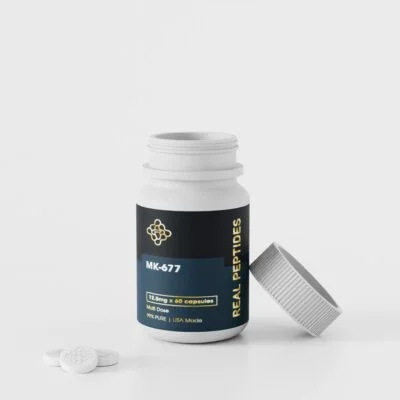
Buy MK-677 Ibutamoren 10 mg Capsules Online from SourceTides. CAS 159634-47-6 | Non-peptide small molecule GHSR-1a full agonist | MW 528.66 g/mol (free base) | C₂₇H₃₆N₄O₅S | ≥99% HPLC purity | Content uniformity tested (10 mg ± 5% per capsule) | Endotoxin <1 EU/mg (LAL) | Full CoA | 60 capsules per bottle | Orally bioavailable. 2-year human RCT data (Nass et al. 2008). Up to 97% GH elevation. WADA S2 prohibited. For in-vitro laboratory research use only. Not for human consumption.
Buy MK-677 Ibutamoren 10 mg Capsules Online | ≥99% Purity | CoA Included | SourceTides
Buy MK-677 Ibutamoren 10 mg Capsules Online from SourceTides.
MK-677 (Ibutamoren; CAS 159634-47-6; also known as MK-0677, LUM-201, and L-163,191) is a potent, orally active, non-peptide small molecule agonist of the ghrelin receptor (GHSR-1a).
It is the most extensively studied oral growth hormone secretagogue in clinical research, having completed multiple Phase 2 and Phase 3 trials — including a landmark 2-year randomised trial in healthy elderly adults published in the Annals of Internal Medicine (Nass et al., 2008).
MK-677 raises GH and IGF-1 levels without suppressing endogenous hormone production, and without significantly increasing cortisol or prolactin.
It is one of very few growth hormone secretagogues with documented oral bioavailability, a plasma half-life sufficient for once-daily dosing, and a large published body of human clinical trial data.
Each SourceTides capsule contains 10 mg of MK-677 at ≥99% HPLC purity in an inert HPMC capsule shell, with a full lot-specific Certificate of Analysis included.
For in-vitro laboratory and preclinical research use only. Not for human consumption.
MK-677 10 mg Capsules — Technical Specifications
| Parameter | Specification |
|---|---|
| Common Name | MK-677 (Ibutamoren) |
| INN / Synonyms | Ibutamoren; MK-0677; LUM-201; L-163,191; Oratrope (former tentative brand) |
| CAS Number | 159634-47-6 (free base); 159752-10-0 (mesylate salt) |
| Molecular Formula | C₂₇H₃₆N₄O₅S (free base) |
| Molecular Weight | 528.66 g/mol (free base); 624.77 g/mol (mesylate salt) |
| Compound Class | Non-peptide small molecule — NOT a peptide; benzolactam-derived spiropiperidine; orally bioavailable |
| Receptor Target | GHSR-1a (Growth Hormone Secretagogue Receptor / Ghrelin Receptor); Gq/11 and Gi/o G-protein coupled; full agonist |
| Primary Mechanism | Ghrelin mimetic → GHSR-1a activation → increased GH pulse amplitude and frequency → sustained IGF-1 elevation; does not suppress endogenous GH production |
| Oral Bioavailability | High — orally active; gastric acid stable; does not require injectable delivery; unique advantage vs peptide secretagogues |
| Plasma Half-Life | ~4–6 hours; IGF-1 elevation persists 24 hours — supports once-daily oral dosing in animal studies |
| GH Elevation (human clinical data) | Up to 97% increase in GH secretion documented; 55% IGF-1 increase at 2 weeks; 88% IGF-1 increase at 4 weeks (Chapman et al. 1996) |
| Cortisol / Prolactin Effect | Cortisol: modestly increased in some studies (important caveat — differs from peptide GH secretagogues like Ipamorelin which do not raise cortisol); prolactin: no significant change |
| Capsule Format | 10 mg MK-677 per HPMC size 0 capsule; inert shell; no excipients or binders; 60 capsules per bottle |
| Capsule Count | 60 capsules per bottle (600 mg total MK-677 per bottle) |
| Purity | ≥99% (RP-HPLC); identity confirmed by ESI-MS |
| Endotoxin | <1 EU/mg (LAL chromogenic assay) |
| Solubility | Moderately water-soluble (mesylate salt ~31 mg/mL); freely soluble in DMSO and ethanol; logP > 3 (lipophilic); dissolve in DMSO for stock then dilute in buffer |
| Storage | 2–8°C (refrigerated) preferred; room temperature acceptable short-term if sealed and desiccated; protect from moisture; dry-ice cold chain not required for capsule format |
| Certificate of Analysis | Lot-specific CoA with every order; HPLC chromatogram + MS data + endotoxin + content uniformity (10 mg ± 5% per capsule) |
| Regulatory Status | Not FDA-approved; not a DEA controlled substance; unapproved drug for research use only; clinical development discontinued by Merck |
| WADA Status | Prohibited — WADA S2 (Peptide Hormones, Growth Factors and Related Substances); banned in-competition and out-of-competition |
What Is MK-677?
MK-677 is not a peptide. This is one of the most important things to understand about it as a research compound. It is a small molecule — a synthetic benzolactam-derived spiropiperidine designed to mimic the biological action of ghrelin, the endogenous “hunger hormone,” at the GHSR-1a receptor. Its chemical structure places it in the same category as a drug, not a peptide, which is why it can be taken orally, survives gastric digestion completely, and has a half-life sufficient for once-daily dosing in animal studies. Peptide GH secretagogues like Ipamorelin, Sermorelin, and CJC-1295 require injection for systemic bioavailability. MK-677 does not.
MK-677 was developed by Merck and went through an extensive clinical programme through the 1990s and 2000s. Studies were conducted in healthy elderly adults, GH-deficient children, patients with hip fractures, obese subjects, and patients with Alzheimer’s disease. The key finding across all these trials was consistent and robust: MK-677 reliably elevated GH and IGF-1 levels in all studied populations. The IGF-1 response in healthy elderly subjects was 55% at 2 weeks, rising to 88% at 4 weeks at the 25 mg dose (Chapman et al. 1996). In a landmark 2-year randomised trial (Nass et al. 2008), 65 healthy adults aged 60–81 received either MK-677 or placebo daily — fat-free mass increased by 1.1 kg and GH/IGF-1 remained consistently elevated throughout the 2-year period.
Merck ultimately chose not to pursue FDA approval. The reasons cited included consistent increases in fasting glucose and insulin sensitivity impairment — effects observed across every major MK-677 trial — that raised questions about long-term metabolic safety in a drug intended for chronic use in elderly populations. Clinical development was formally discontinued after Phase 2/3 without an NDA submission. However, the compound remains the most orally bioavailable, best-characterised GH secretagogue available for research. When you buy MK-677 Ibutamoren 10 mg Capsules from SourceTides, you receive a research compound with over 20 years of published human clinical data behind it.
MK-677 Is Not a Peptide — Why This Matters for Research
Researchers who work with GH axis peptides like Sermorelin, Ipamorelin, or CJC-1295 need to understand what MK-677 offers that those compounds cannot.
What MK-677 Offers Over Peptide Secretagogues
First, oral bioavailability. Peptide GH secretagogues are degraded by gastric acid and intestinal peptidases before they reach systemic circulation in meaningful concentrations. MK-677 is a small molecule with high lipophilicity (logP > 3) and is completely stable to gastric digestion — it can be administered in capsule form and achieves reliable systemic exposure in animal studies. This enables oral dosing experiments that are impossible with peptide secretagogues.
Second, half-life. Most peptide GH secretagogues have plasma half-lives measured in minutes (Ipamorelin: ~2 hours; Sermorelin: ~10–20 minutes). MK-677’s half-life is approximately 4–6 hours, and — critically — its IGF-1 elevation persists for 24 hours after a single dose. This extended IGF-1 response window makes it uniquely suited to chronic dosing studies and metabolic steady-state experiments where sustained GH axis activation is the research goal.
Third, human clinical data. MK-677 has been tested in more than a dozen controlled human trials across multiple populations. No other GH secretagogue available for research has this depth of human data. This gives researchers a framework of published pharmacodynamic benchmarks — known IGF-1 responses, documented side effects, characterised metabolic effects — against which their own in-vitro and animal data can be contextualised.
What MK-677 Does Not Offer
MK-677 raises cortisol modestly — a consistent finding across human trials. This is different from selective peptide secretagogues like Ipamorelin, which is highly selective for GH release and does not increase cortisol, ACTH, or prolactin. For research designs where clean GH secretion without cortisol elevation is required, Ipamorelin is the more appropriate compound. MK-677 also impairs insulin sensitivity and raises fasting glucose — effects that are relevant research findings in their own right but must be controlled for in metabolic endpoint studies. For researchers who need the GH axis activated without metabolic confounders, peptide secretagogues remain valuable. For those who need oral delivery, extended duration, or access to the rich human clinical data framework, MK-677 is the tool of choice.
How MK-677 Works — Mechanism of Action
Step 1 — GHSR-1a Binding: Mimicking Ghrelin
MK-677 binds to GHSR-1a — the ghrelin receptor — expressed on somatotroph cells in the anterior pituitary and on neurons in the hypothalamic arcuate nucleus. The structural analyses published in PMC (PMC8568970) show that MK-677’s indole moiety spatially corresponds to ghrelin’s N-terminal glycine, while its benzyloxy group mimics ghrelin’s octanoyl-modified serine — the acylation essential for ghrelin’s biological activity. MK-677 activates the same receptor with similar efficacy to acylated ghrelin but without requiring the peptide backbone or the octanoyl modification. This structural mimicry is what gives it full agonist activity at GHSR-1a despite being a small molecule.
GHSR-1a signals through multiple G-protein pathways — primarily Gq/11 (driving calcium release) and Gi/o (reducing cAMP). This dual-pathway activation is part of why GHSR-1a agonism produces a broader range of effects than simpler GPCR activations. The same receptor that MK-677 activates controls not just GH secretion but also appetite, energy balance, and gastric motility — explaining MK-677’s characteristic appetite-stimulating side effect.
Step 2 — Pituitary Somatotroph Activation: Increased GH Pulse Amplitude and Frequency
GHSR-1a activation on pituitary somatotrophs increases both the amplitude and the frequency of GH pulses from the anterior pituitary. Critically, MK-677 does not suppress endogenous GH production — it amplifies the natural pulsatile pattern rather than replacing it with a flat, exogenous signal. This is a fundamental difference from direct GH injection, where exogenous GH suppresses the natural GH axis through IGF-1-mediated negative feedback. MK-677 preserves the pulsatile architecture of GH secretion while increasing its magnitude — an important characteristic for research designs studying physiological GH dynamics.
The GHSR-1a on hypothalamic arcuate neurons adds a second layer: hypothalamic stimulation leads to increased GHRH (Growth Hormone-Releasing Hormone) secretion, which synergises with the direct pituitary effect. This is the same pathway targeted by Sermorelin and CJC-1295 — but via GHRH release rather than direct GHRH receptor agonism. The dual hypothalamic + pituitary activation is one reason MK-677 produces larger GH responses than GHRH agonists or GH-releasing peptides used alone.
Step 3 — Sustained IGF-1 Elevation
The sustained GH pulses from GHSR-1a activation drive increased liver production of IGF-1 (Insulin-like Growth Factor 1). IGF-1 is the primary anabolic mediator of GH’s effects — it acts on muscle, bone, and connective tissue to promote protein synthesis, cell proliferation, and matrix remodelling. Unlike direct GH injection, which produces transient IGF-1 spikes, MK-677’s 24-hour sustained GH axis activation produces a more stable elevation of IGF-1 throughout the dosing period. In the Nass et al. (2008) 2-year trial, IGF-1 levels remained consistently elevated — not declining or requiring dose escalation — over the full study period.
This sustained IGF-1 profile is directly relevant to research comparing MK-677 with injectable GH secretagogues like Ipamorelin combined with CJC-1295. Both approaches elevate IGF-1, but through different temporal profiles and via different receptor pharmacologies — making head-to-head comparisons scientifically productive.
Step 4 — Ghrelin System Effects: Appetite, Sleep Architecture, and Metabolic Regulation
GHSR-1a is the receptor for ghrelin — the “hunger hormone” — and MK-677’s activation of this receptor produces the full range of ghrelin-like effects beyond GH secretion. Appetite stimulation is the most clinically significant: every published human trial of MK-677 documents increased appetite and food intake. This is not a side effect in the toxicological sense — it is an on-target pharmacological effect of GHSR-1a agonism that must be accounted for in metabolic research designs. In cachexia and sarcopenia research, this appetite-stimulating property is actually a desired effect; in metabolic or obesity research designs, it is a major confounder.
Sleep quality is another GHSR-1a mediated effect of particular research interest. MK-677 has been shown to increase slow-wave (delta) sleep — the same sleep stage targeted by DSIP. This GH secretion-sleep coupling is mechanistically important: GH is primarily secreted during slow-wave sleep, and MK-677’s dual action of increasing GH pulse amplitude while simultaneously improving slow-wave sleep architecture creates a reinforcing loop of GH axis activation. Researchers studying sleep-GH coupling biology will find MK-677 particularly relevant as a tool compound.
MK-677 Research Evidence
| Research Area | Evidence Level | Key Finding | Source |
|---|---|---|---|
| GH/IGF-1 Axis Stimulation (elderly) | Phase 2 RCT; double-blind; n=32 healthy elderly | 55% IGF-1 increase at 2 weeks; 88% IGF-1 increase at 4 weeks; dose-dependent GH pulse amplitude increase; once-daily oral dosing; dose range 2–25 mg confirmed active | Chapman et al. 1996 — PubMed PMID: 8954023 |
| Body Composition (2-year trial) | Phase 3 RCT; 2-year follow-up; n=65; Annals of Internal Medicine | Fat-free mass +1.1 kg vs placebo over 2 years; sustained IGF-1 elevation throughout; GH/IGF-1 did not decline over time; no strength improvement observed; fasting glucose increased and insulin sensitivity declined | Nass et al. 2008 — PubMed PMID: 18981485 |
| Bone Turnover Markers | RCT (Murphy et al. 1999; healthy and frail elderly) | MK-677 increased bone turnover markers in both healthy and functionally impaired elderly; osteocalcin, bone alkaline phosphatase, and type I collagen markers elevated; consistent with GH-driven bone remodelling | Murphy et al. 1999 — J Bone Miner Res |
| Obesity / Body Composition | 2-month RCT (Svensson et al. 1998; obese subjects) | Increased GH secretion, fat-free mass, and energy expenditure in obese subjects; fat mass unchanged; supports MK-677’s role as a body composition research tool in metabolic syndrome models | Svensson et al. 1998 — J Clin Endocrinol Metab |
| GHSR-1a Crystal Structure | Structural biology (cryo-EM; PMC8568970) | First structural characterisation of MK-677 bound to GHSR-1a; three distinct molecular arms from diazaspiro core; indole moiety mimics ghrelin N-terminal Gly; benzyloxy group mimics octanoylated Ser3; G-protein coupling mechanism resolved | PMC8568970 — GHSR structural basis |
| Hip Fracture Recovery | Phase 2b RCT (Adunsky et al. 2011) | MK-677 significantly increased body weight and functional recovery indicators in hip fracture patients; stair climbing power improved; relevant to post-surgical anabolic research models | Adunsky et al. 2011 — Phase 2b Hip Fracture |
| GH-Deficient Children | RCT (Codner et al. 2001; GH-deficient children) | Oral MK-677 stimulated GH/IGF-1 axis in GH-deficient children; confirmed cross-species activity across age groups; oral route validated in paediatric population | Codner et al. 2001 — Clin Pharmacol Ther |
| Sleep Quality / Delta Sleep | Clinical study (Copinschi et al. 1997) | MK-677 increased REM sleep and slow-wave (delta) sleep duration; sleep quality improvement independent of GH effect; GHSR-1a in hypothalamic sleep-regulating circuits responsible | Wikipedia: Ibutamoren — Sleep section |
The Somatopause: Why GH Secretagogue Research Matters
GH secretion declines with age at approximately 14% per decade after age 30 — a process called somatopause. By age 60, most adults secrete roughly 50% less GH than they did at 30. This decline is not driven by failure of the somatotroph cells themselves — they retain the capacity to produce GH — but by changes in the hypothalamic-pituitary regulatory signals. GH pulse frequency decreases. GHRH secretion declines. Somatostatin tone increases. The net result is that the pituitary produces GH infrequently and in smaller pulses.
The downstream consequences are well-characterised: reduced IGF-1 levels, loss of lean muscle mass (sarcopenia), increased adiposity, reduced bone density, poor sleep quality (GH is secreted predominantly during slow-wave sleep, and slow-wave sleep declines with age), impaired immune function, and reduced cognitive performance. Whether pharmacologically restoring GH/IGF-1 can reverse these age-related changes is the central question of somatopause research — and MK-677 is the primary oral tool compound for studying it.
GH secretagogue research at SourceTides is supported by a full family of related compounds. Injectable peptide secretagogues — Sermorelin, Ipamorelin, CJC-1295, GHRP-2, and GHRP-6 — allow mechanistic comparison with MK-677’s oral ghrelin mimetic approach. Downstream anabolic mediators like IGF-1 LR3 provide the complementary tool for studying IGF-1-mediated tissue effects directly.
What Is MK-677 Used for in Research?
| Research Field | Application | Why MK-677 |
|---|---|---|
| Somatopause / Ageing Research | Age-related GH decline models; GH/IGF-1 axis restoration; body composition in aged animals; longevity biology | 2-year human trial data in elderly (Nass 2008); sustained IGF-1 elevation without tachyphylaxis; oral route simplifies chronic dosing in animal ageing studies; best-characterised GH secretagogue for ageing research |
| Sarcopenia and Muscle Biology | Muscle wasting prevention; lean mass restoration; protein synthesis; myostatin pathway interaction | +1.1 kg fat-free mass over 2 years in elderly (Nass 2008); hip fracture recovery data (Adunsky 2011); cachexia models supported by appetite-stimulating ghrelin mimetic effect; complements IGF-1 LR3 for downstream IGF-1 biology |
| Bone Biology | Bone turnover; bone mineral density; osteoporosis models; osteoblast activation; fracture healing | Bone turnover markers elevated in healthy and frail elderly (Murphy 1999); hip fracture recovery RCT data; GH/IGF-1 axis is a primary driver of bone remodelling — MK-677 provides sustained GH axis activation for chronic bone biology studies |
| GHSR-1a Receptor Pharmacology | Ghrelin receptor binding; downstream signalling (Gq/11, Gi/o, β-arrestin); receptor selectivity vs partial agonists; biased agonism | Cryo-EM GHSR-1a bound structure published (PMC8568970); full agonist; structural basis of ghrelin mimicry resolved; gold standard tool for GHSR-1a pharmacology alongside endogenous ghrelin |
| Metabolic Research | Insulin sensitivity; glucose metabolism; adiposity; energy balance; GH-insulin axis interaction | Consistent insulin sensitivity impairment across all human trials — a documented, well-characterised metabolic effect that is itself a research finding relevant to GH-insulin axis biology; fat-free mass increase without fat mass change enables clean body composition research |
| Sleep Biology | Sleep architecture; delta/slow-wave sleep; GH-sleep coupling; sleep quality in ageing models | MK-677 increases slow-wave sleep duration (Copinschi 1997); GHSR-1a expressed in hypothalamic sleep-regulating circuits; complementary to DSIP for combined GH-secretagogue + delta-wave sleep research panels |
| Cognitive Function / Alzheimer’s | GH/IGF-1 and cognition; neuroprotection; Alzheimer’s disease models; sleep quality and cognitive performance | MK-677 clinical trial in Alzheimer’s patients (NCT01568723); IGF-1 is neuroprotective; sleep quality improvement relevant to Alzheimer’s glymphatic clearance; complements Pinealon for combined GH-neuroprotection and Alzheimer’s research panels |
| Oral Bioavailability Comparison | Non-peptide vs peptide GH secretagogue comparison; oral vs injectable delivery routes; GHSR-1a activation pharmacodynamics | MK-677 is the only oral GHSR-1a agonist with extensive human data — direct pharmacodynamic comparison with injectable peptide secretagogues (Ipamorelin, GHRP-2) enables route-effect and molecular class comparisons |
MK-677 vs GH Secretagogue Peptides: Choosing the Right Tool
| Compound | Class | Route | Half-Life | Cortisol Effect | Best Research Application | SourceTides |
|---|---|---|---|---|---|---|
| MK-677 (this product) | Non-peptide small molecule; GHSR-1a full agonist | Oral capsule | 4–6h; IGF-1 elevation 24h | Modest increase | Oral GH axis activation; chronic dosing; somatopause; sarcopenia; bone; 2-year human data reference | Buy MK-677 |
| Ipamorelin | 5-AA peptide; GHS-R1a selective agonist | SC/IP injection | ~2 hours | None — selectivity advantage | Clean GH pulse without cortisol; GH selectivity research; short-window GH release studies | Buy Ipamorelin |
| Sermorelin | 29-AA GHRH(1-29) analog; GHRH-R agonist | SC injection | ~10–20 min | None | Physiological GH axis stimulation; FDA-approved history; pituitary GH reserve testing; GHRH receptor pharmacology | Buy Sermorelin |
| CJC-1295 | Modified GHRH analog; albumin-binding | SC injection | Days (DAC form) | None | Extended GHRH-R stimulation; chronic GH axis elevation via GHRH pathway; paired with Ipamorelin for dual-receptor GH axis activation | Buy CJC-1295 |
| GHRP-2 | 6-AA peptide; GHS-R agonist (stronger cortisol effect) | SC/IP/IN injection | ~30–60 min | Moderate increase | Potent GH pulse; combined with GHRH analogs for GH synergy; comparison with MK-677 for GHSR-1a pharmacodynamics | Buy GHRP-2 |
| IGF-1 LR3 | Modified IGF-1 analog; IGF-1R direct agonist | SC injection | ~20–30h | None | Direct IGF-1R activation; downstream effector of GH axis; compare direct IGF-1R stimulation vs MK-677-mediated endogenous IGF-1 elevation | Buy IGF-1 LR3 |
MK-677 Pharmacokinetics
| Parameter | Value / Notes | Research Implication |
|---|---|---|
| Oral Bioavailability | High — orally bioavailable; gastric acid stable; not degraded by intestinal peptidases; active after oral capsule administration in all studied species | Enables oral dosing protocols in animal studies; no injection required; simplifies chronic and long-term metabolic study designs; dramatically different from peptide GH secretagogues which require injection |
| Plasma Half-Life | ~4–6 hours; individual variability reported | Once-daily dosing sufficient for sustained GH/IGF-1 elevation in animal studies; IGF-1 elevation persists 24 hours despite parent compound clearance |
| IGF-1 Elevation Duration | 24 hours post single oral dose; confirmed in human PK/PD studies | Measure IGF-1 as primary pharmacodynamic endpoint (not GH, which pulses); IGF-1 is the integrated output of GH axis activation and is stable enough for reliable measurement throughout the dosing period |
| Tmax | ~2–4 hours post oral dose | GH pulse peak expected 2–4 hours post-dosing; plan blood/tissue collection windows accordingly in animal studies |
| Metabolism | Primarily hepatic; CYP3A4 substrate; renal and fecal excretion | Monitor liver function markers in chronic in-vivo studies; CYP3A4 interaction potential with co-administered compounds; avoid combining with strong CYP3A4 inhibitors in multi-drug animal protocols |
| Solubility | Mesylate salt: ~31 mg/mL in water; free base: low water solubility; freely soluble in DMSO and ethanol; logP > 3 | For in-vitro assays: dissolve in DMSO at 10 mM stock, dilute in assay buffer to ≤0.1% DMSO final; for capsule-based animal oral dosing: dissolve in 0.5% methylcellulose or PEG-400 vehicle |
| Validated Animal Doses | Rodent oral: 1–10 mg/kg/day in most studies; human equivalent: 10–25 mg/day (body surface area scaling); 25 mg human dose = richest human clinical data set | Use human clinical dose range (10–25 mg equivalent) as reference for human cell-based assays; 25 mg is the dose from the Nass 2008 and Chapman 1996 trials — the most cited benchmark |
| GH Elevation Magnitude (human) | Up to 97% increase in GH secretion at 25 mg; dose-dependent across 2–25 mg range | Use IGF-1 ELISA as primary endpoint — GH is pulsatile and hard to measure reliably; IGF-1 is the integrated downstream readout of sustained GH axis activation |
MK-677 Side Effects and Safety Profile
| Concern | Evidence | Protocol Note |
|---|---|---|
| Insulin resistance / fasting glucose increase | Consistently observed across all major human trials; fasting glucose increased ~5 mg/dL average; insulin sensitivity declined; this was the primary safety concern driving non-approval | Critical confounder for metabolic research designs; monitor fasting glucose and HOMA-IR in all in-vivo protocols; not suitable for diabetic animal models without insulin endpoint controls |
| Increased appetite / food intake | Expected on-target GHSR-1a / ghrelin mimetic effect; documented in all human trials; magnitude variable | Control food intake in animal body composition studies; standardise feeding protocols; appetite increase is a research endpoint as well as a confounder in metabolic designs |
| Water retention / oedema | Common; mild to moderate; ankles/legs most affected; attributed to GH-mediated sodium retention | Distinguish true lean mass gain from water retention in body composition studies; use DEXA or bioimpedance rather than weight alone; measure total body water as a separate endpoint |
| Cortisol elevation | Modest increase in cortisol documented; in contrast to Ipamorelin which does not raise cortisol | Relevant for stress and HPA axis research designs; if cortisol elevation is a confounder, use selective GH secretagogue like Ipamorelin instead |
| Mild muscle aches | Reported in human trials; mild; transient; likely related to fluid shifts and increased tissue anabolic activity | Monitor for signs of GH-related musculoskeletal effects in chronic animal studies |
| WADA prohibition (S2) | Prohibited under WADA S2 in all forms; in-competition and out-of-competition; no TUE available | Sport science researchers must account for this; do not administer to competitive athletes; WADA prohibition independent of non-approved status |
| FDA warning: adulterated products | FDA (2024) warned about dietary supplements and products containing undisclosed ibutamoren; quality control critical for legitimate research | Always use verified research-grade MK-677 with HPLC purity CoA and MS identity confirmation; the FDA warning was specifically about undisclosed MK-677 in labelled-as-supplement products |
MK-677 Quality Control at SourceTides
Every bottle of MK-677 Ibutamoren 10 mg Capsules from SourceTides passes these tests before release. Content uniformity testing confirms each capsule delivers 10 mg ± 5%, critical for dose-response studies.
| Test | Method | Specification | Why It Matters |
|---|---|---|---|
| Purity | RP-HPLC (C18; UV 254 nm) | ≥99% peak area purity | MK-677 synthesis produces several known by-products; ≥99% HPLC confirms their absence; GHSR-1a binding is sensitive to structural impurities at the diazaspiro core |
| Identity | ESI-MS ([M+H]⁺ = 529.66 Da for free base) | Confirmed MW 528.66 g/mol (free base); molecular structure verified | Confirms correct compound vs structurally related GHSRPs; FDA 2024 warning highlighted MK-677 counterfeiting in supplement market — verified identity is non-negotiable |
| Content Uniformity | HPLC assay on capsule sample from each fill batch | 10 mg ± 5% per capsule (9.5–10.5 mg acceptable range) | Dose precision is critical for dose-response studies; MK-677’s IGF-1 response is dose-dependent across 2–25 mg in humans — inter-capsule variability must be controlled |
| Endotoxin | LAL chromogenic assay | <1 EU/mg | If capsule contents are dissolved for cell culture (GHSR-1a-transfected cells, adipocyte assays): LPS activates inflammatory signalling pathways that confound receptor pharmacology assays |
| Capsule Shell | HPMC (hydroxypropyl methylcellulose); size 0; non-gelatin | Inert shell; no fillers, binders, or excipients | HPMC shell does not interact with MK-677; provides moisture barrier for long-term storage stability at room temperature; non-gelatin for broad research compatibility |
| Appearance | Visual inspection | White to off-white powder; intact capsule; no discolouration or caking | Any discolouration or caking indicates degradation or moisture ingress; reject discoloured product |
| Certificate of Analysis | Lot-specific PDF | HPLC + MS + content uniformity + endotoxin + dates | Full analytical traceability required for institutional research compliance; content uniformity data unique to capsule-format CoA |
MK-677 Regulatory Status
| Jurisdiction | Status | Notes |
|---|---|---|
| USA (FDA) | Not approved; investigational drug; unapproved new drug; research compound | Not a DEA controlled substance. MK-677 is a small molecule — it falls outside the FDA peptide compounding category system (Category 1/2). It is classified as an unapproved new drug. FDA (2024) issued warnings about dietary supplements containing undisclosed MK-677. Clinical development by Merck discontinued without NDA submission. SourceTides supplies for research use only. |
| Australia (TGA) | Not listed on ARTG; research compound only | Not registered as a therapeutic good. Laboratory research access only. |
| United Kingdom (MHRA) | Unlicensed; not a controlled drug; research compound | No MHRA marketing authorisation. Not listed under the Misuse of Drugs Act 1971. Research use. |
| Canada (Health Canada) | Unapproved drug; research access only | Not a CDSA controlled substance. Not authorised for therapeutic sale. |
| European Union (EMA) | No EMA marketing authorisation; research use | No authorised medicinal product in any EU member state. |
| WADA | Prohibited — WADA S2 (Peptide Hormones, Growth Factors and Related Substances, including GH Secretagogues); banned in-competition and out-of-competition | MK-677 is classified under S2 alongside peptide GH secretagogues — the “Related Substances” language covers non-peptide ghrelin mimetics. No TUE available. Sport scientists must account for this in all study designs involving competitive athletes. Verify current list annually at wada-ama.org. |
Peer-Reviewed References
| # | Citation | Link |
|---|---|---|
| 1 | Chapman IM et al. (1996). Stimulation of the GH–IGF-I axis by daily oral administration of a GH secretagogue (MK-677) in healthy elderly subjects. J Clin Endocrinol Metab. 81(12):4249–4257. PMID: 8954023. | PubMed PMID: 8954023 |
| 2 | Nass R et al. (2008). Effects of an oral ghrelin mimetic on body composition and clinical outcomes in healthy older adults: a randomized trial. Ann Intern Med. 149(9):601–611. PMID: 18981485. | PubMed PMID: 18981485 |
| 3 | Murphy MG et al. (1999). Oral administration of the GH secretagogue MK-677 increases markers of bone turnover in healthy and functionally impaired elderly adults. J Bone Miner Res. 14(7):1182–1188. PMID: 10457268. | PubMed PMID: 10457268 |
| 4 | Svensson J et al. (1998). Two-month treatment of obese subjects with oral MK-677 increases GH secretion, fat-free mass, and energy expenditure. J Clin Endocrinol Metab. 83(2):362–369. PMID: 9467531. | PubMed PMID: 9467531 |
| 5 | Structural basis of human ghrelin receptor signaling by ghrelin and ibutamoren. Cryo-EM GHSR-1a structure. PMC8568970. | PMC8568970 |
| 6 | Codner E et al. (2001). Effects of oral MK-677 on the GH–IGF-I axis in GH-deficient children. Clin Pharmacol Ther. 70(1):91–98. PMID: 11408977. | PubMed PMID: 11408977 |
| 7 | Adunsky A et al. (2011). MK-0677 (ibutamoren mesylate) for patients recovering from hip fracture: phase IIb study. Arch Gerontol Geriatr. | ResearchGate — Adunsky 2011 |
| 8 | Wikipedia: Ibutamoren. History, mechanism, clinical trials overview, regulatory status, WADA status. | Wikipedia: Ibutamoren |
| 9 | PubChem. Ibutamoren (MK-677). CID 9939050. National Library of Medicine. | PubChem CID 9939050 |
Frequently Researched Alongside MK-677
These compounds are the most common research partners for MK-677 across GH axis, metabolic, tissue repair, and longevity studies:
- Ipamorelin 10 mg — Selective GHS-R1a peptide agonist; no cortisol elevation; direct mechanistic comparison with MK-677 for GHSR-1a pharmacodynamics across oral (MK-677) vs injectable (Ipamorelin) delivery and small molecule vs peptide ligand classes
- Sermorelin 10 mg — GHRH(1-29) analog; GHRH-R direct agonist; complementary GH axis activation via GHRH pathway (upstream of GHSR-1a); studied alongside MK-677 for combined GHRH + GHSR axis activation protocols
- CJC-1295 — Long-acting GHRH analog; extended GHRH-R stimulation; combined with MK-677 for sustained dual-mechanism GH/IGF-1 elevation studies
- IGF-1 LR3 — Modified IGF-1; direct IGF-1R agonist; compare direct IGF-1 receptor stimulation vs MK-677-mediated endogenous IGF-1 elevation for downstream anabolic biology dissection
- GHRP-2 — Peptide GHS-R agonist; potent GH pulse; studied alongside MK-677 for GHSR-1a receptor pharmacology comparisons between peptide and small molecule ligands
- GHRP-6 — Peptide GHS-R agonist with stronger appetite/ghrelin effects than GHRP-2; direct pharmacological comparison with MK-677’s ghrelin-mimetic appetite stimulation
- BPC-157 — Tissue repair and GI peptide; studied alongside MK-677 in recovery biology where GH/IGF-1 axis activation (MK-677) combined with direct tissue repair signalling (BPC-157) is the research hypothesis
- TB-500 (Thymosin Beta-4) — Actin-binding repair peptide; complementary to MK-677 in musculoskeletal repair and sarcopenia research panels
- Epithalon 10 mg — Pineal bioregulator; telomere biology and cellular ageing; studied alongside MK-677 in longevity protocols combining GH axis restoration and cellular anti-ageing mechanisms
- Thymalin 10 mg — Thymic immune bioregulator; studied alongside MK-677 in multi-system ageing protocols combining GH axis and immune axis restoration
- DSIP Peptide 5 mg — Delta sleep-inducing neuropeptide; studied with MK-677 in sleep-GH coupling research; both increase slow-wave sleep and GH secretion via complementary mechanisms
- Semaglutide — GLP-1R agonist; metabolic research; studied alongside MK-677 in protocols contrasting GH axis activation (anabolic/body composition) with GLP-1 axis activation (weight loss/metabolic) in combined metabolic disorder research
Frequently Asked Questions
You can buy MK-677 Ibutamoren 10 mg capsules directly from SourceTides. Every bottle includes a lot-specific Certificate of Analysis with the RP-HPLC chromatogram (≥99% purity), ESI-MS identity confirmation (MW 528.66 Da; molecular structure verified), content uniformity data (10 mg ± 5% per capsule confirmed), and the LAL endotoxin result (<1 EU/mg). Each bottle contains 60 capsules of 10 mg each — 600 mg total MK-677 per bottle. See the SourceTides shipping policy for dispatch details.
MK-677 is not a peptide. It is a non-peptide small molecule — a synthetic benzolactam-derived spiropiperidine that mimics ghrelin at the GHSR-1a receptor. This is the most important distinction for research design. The key differences from peptide GH secretagogues:
MK-677: Oral bioavailability (capsule); half-life 4–6 hours; IGF-1 elevation 24 hours; modest cortisol increase; fasting glucose elevation; 2-year human RCT data; once-daily oral dosing.
Ipamorelin: Requires SC injection; half-life ~2 hours; no cortisol, ACTH, or prolactin elevation (highest selectivity of any GHSR agonist); no glucose effects; ideal for clean GH pulse studies.
Sermorelin: Requires SC injection; acts on GHRH receptor (different from GHSR-1a); half-life ~10–20 minutes; no cortisol effects; FDA-approved history; activates a different receptor entirely.
GHRP-2: Requires SC injection; GHSR-1a agonist like MK-677 but peptide-based; stronger cortisol effect; shorter acting. Use MK-677 when oral delivery or extended duration is the priority. Use peptide secretagogues when injection is acceptable and you need fewer metabolic confounders.
Merck conducted an extensive clinical programme for MK-677 through the 1990s and 2000s, including Phase 2 and Phase 3 studies in healthy elderly, GH-deficient children, hip fracture patients, and obese subjects. The compound consistently and reliably elevated GH and IGF-1 across all populations — that part worked exactly as intended. The problem was metabolic. Every major MK-677 trial documented increases in fasting glucose and impairment of insulin sensitivity. Average fasting glucose rose ~5 mg/dL in the Nass et al. 2008 two-year trial. In a drug intended for chronic use in elderly populations — who are already at elevated risk for type 2 diabetes — this metabolic effect raised questions about the long-term benefit-risk balance that Merck was unable to resolve favourably. Without a compelling clinical endpoint (no fracture reduction, no mortality benefit, no meaningful strength improvement despite lean mass gain), the consistent glucose elevation tip the risk-benefit calculus away from approval. Development was discontinued without an NDA submission. The compound remains scientifically valuable as a research tool — the glucose and insulin resistance effects are themselves important research findings for GH-insulin axis biology. SourceTides supplies MK-677 Ibutamoren 10 mg Capsules for laboratory research use only.
MK-677 has the most extensive human clinical dataset of any GH secretagogue available for research. Key findings from published controlled trials:
GH/IGF-1 axis: Consistent, sustained elevation across all populations. 55–88% IGF-1 increase in elderly (Chapman 1996); up to 97% GH secretion increase; effects maintain over 2-year treatment period without tachyphylaxis (Nass 2008).
Body composition: Fat-free mass +1.1 kg over 2 years in healthy elderly (Nass 2008); FFM increase in obese subjects without fat mass change (Svensson 1998). Strength not improved in the 2-year trial despite lean mass gain.
Bone: Bone turnover markers consistently elevated (Murphy 1999); bone remodelling activation documented in both healthy and frail elderly; BMD effects mixed over 12 months.
Sleep: Slow-wave sleep and REM sleep duration increased (Copinschi 1997).
Side effects documented across all trials: Insulin resistance, fasting glucose elevation, increased appetite, oedema, mild muscle aches, modest cortisol increase. These are important research findings, not just adverse events. All references are on the SourceTides MK-677 product page.
For GHSR-1a receptor assays and cell culture experiments: (1) Open the HPMC capsule carefully in a laminar flow hood. (2) Transfer the MK-677 powder to a sterile microcentrifuge tube. (3) Dissolve in DMSO to make a 10 mM stock solution — MK-677 is freely soluble in DMSO (logP > 3). (4) Dilute the DMSO stock in assay buffer or cell culture media to your working concentration; final DMSO concentration must not exceed 0.1% to avoid cytotoxicity confounders. (5) Filter through a 0.22 µm syringe filter before use with cells. For GHSR-1a calcium mobilisation assays in receptor-transfected cells: working concentrations are typically in the 0.1–10 µM range; run a full 10-point dose-response. For IGF-1 ELISA on conditioned media from somatotroph cell cultures: allow 24 hours of incubation before media collection for peak IGF-1 readout. Full reconstitution guidance is in the CoA included with every SourceTides MK-677 order.
MK-677 can be purchased as a research compound in all major Western jurisdictions. In the USA, it is not a DEA controlled substance. It is classified as an unapproved new drug but is legally sold as a research chemical for laboratory use. Note: the FDA (2024) issued warnings about dietary supplements and consumer products containing undisclosed MK-677 — this warning applies to mislabelled consumer products, not to verified research-grade compounds with full CoA documentation. In the UK, it is not a controlled drug. In Australia and Canada, it is available for laboratory research. MK-677 is WADA-prohibited under S2 in all forms, in-competition and out-of-competition. SourceTides supplies for in-vitro laboratory research only. See the SourceTides shipping policy for jurisdiction details.
The three effects that most directly impact research design are insulin resistance, appetite stimulation, and water retention. Insulin resistance (fasting glucose +~5 mg/dL average; insulin sensitivity decline) is the most significant: it must be controlled for in any metabolic endpoint study, and it rules out MK-677 as a tool in diabetic or pre-diabetic animal models unless insulin sensitivity is itself the study endpoint. Appetite stimulation (on-target GHSR-1a ghrelin-mimetic effect) means food intake must be standardised in body composition studies — free-feeding controls will confound results. Water retention means weight alone is not a reliable lean mass endpoint — DEXA or bioimpedance measures and separate total body water assessment are needed. Cortisol elevation is modest but relevant for HPA axis and stress research designs. For research requiring clean GH secretion without these confounders, Ipamorelin (no cortisol, no glucose effects) is the more appropriate compound. All SourceTides MK-677 capsules are for in-vitro research only.
This is one of the most common research design questions for GH axis studies. The answer depends entirely on your experimental goals.
MK-677 advantages: Oral delivery — no injection protocol needed; 24-hour IGF-1 elevation from single dose; once-daily oral dosing simplifies chronic study designs; the most extensive human clinical data of any GH secretagogue (2-year RCT, multiple populations). Best for: oral GH secretagogue pharmacology, chronic ageing/somatopause models, human data-contextualized research.
Ipamorelin + CJC-1295 advantages: No cortisol, no glucose, no appetite effects — the cleanest GH axis activation available; dual mechanism (GHSR-1a + GHRH-R); injectable route provides precise PK control; CJC-1295’s long half-life enables extended GHRH-R stimulation. Best for: clean GH pulse research, metabolic studies where insulin sensitivity must be controlled, designs needing GHRH-R and GHSR-1a dual activation.
For researchers comparing the two approaches directly, SourceTides supplies all four compounds: MK-677, Ipamorelin, CJC-1295, and Sermorelin.
Yes — and this is an active and scientifically interesting research area. MK-677 (GH axis activation via GHSR-1a) and GLP-1 receptor agonists like Semaglutide or Tirzepatide produce opposing anabolic/catabolic signals: MK-677 stimulates appetite and promotes lean mass gain via GH/IGF-1; GLP-1 agonists suppress appetite and reduce body weight. In body composition research, the combination models the real-world scenario where both GH axis decline and metabolic syndrome coexist in elderly populations — a combination relevant to osteosarcopenia and metabolic dysfunction-associated steatotic liver disease (MASLD) research. The insulin resistance produced by MK-677 is also directly relevant as a study model for examining GLP-1 receptor agonist effects on GH-axis-driven insulin impairment. SourceTides supplies the full metabolic peptide panel including Semaglutide, Tirzepatide, Retatrutide, and GLP-1.
Store MK-677 capsules at 2–8°C (refrigerated) for long-term use. Short-term storage at room temperature is acceptable if the bottle is kept sealed and desiccated. Unlike most peptide research compounds, MK-677 capsules do not require dry-ice shipping or strict −20°C storage — the small molecule is chemically stable at refrigerated temperatures, and the HPMC capsule shell provides a moisture barrier. Do not freeze. Protect from excessive heat (>25°C) and moisture. Once opened, work quickly and reseal tightly. Do not expose reconstituted solutions to repeated freeze-thaw cycles if you dissolve the contents for cell culture use. The capsule format is more storage-stable than lyophilised peptide vials for this compound class. All SourceTides MK-677 Ibutamoren capsules are dispatched refrigerated.
SourceTides accepts Visa, Mastercard, American Express, cryptocurrency, and bank transfers for institutional orders. All payments go through secure, encrypted gateways. For institutional purchase orders, bulk research procurement, or custom quantities, contact us via the SourceTides contact page. Orders are reviewed for research compliance before dispatch.
Research Use Only
All SourceTides products, including MK-677 Ibutamoren 10 mg Capsules (CAS 159634-47-6), are for in-vitro laboratory and preclinical research use only. They are not approved by the FDA, EMA, TGA, or Health Canada. They are not for human consumption. MK-677 is WADA-prohibited under S2. Clinical development was discontinued by Merck without NDA submission. By purchasing, the buyer confirms authorised researcher status and accepts responsibility for regulatory compliance.
| Weight | 0.05 lbs |
|---|---|
| Dimensions | 8 × 5 × 5 in |
| Purity | ≥99% (HPLC-verified) |
| Dose per Capsule | |
| Capsule Count | |
| CAS Number | 159634-47-6 |
You may also like…
Growth Hormone Modulators Peptides
Ipamorelin Peptide 10 mg Online | ≥99% Purity | CoA Included | SourceTides
Growth Hormone Modulators Peptides
Sermorelin Peptide 10 mg Online | GHRH(1-29) | ≥99% Purity | CoA Included | SourceTides
Related products
Immune & Antimicrobial Peptides
Epithalon Peptide 10 mg Online | ≥99% Purity | Certificate of Analysis Included
Immune Support & Inflammation Peptides
KPV Peptide 10 mg (Lys-Pro-Val; α-MSH C-Terminal Tripeptide)

Healing & Recovery Peptides
BPC-157 Online | Research-Grade Pentadecapeptide ≥99% Purity
Fat Loss & Metabolic Support Peptides
MOTS-c Peptide Online | 10 mg Research Grade ≥99% Purity | SourceTides
Cognitive & Mood Support
Pinealon Peptide 10 mg Online | EDR Tripeptide | ≥99% Purity | CoA | SourceTides
Cognitive & Mood Support