
$149.99
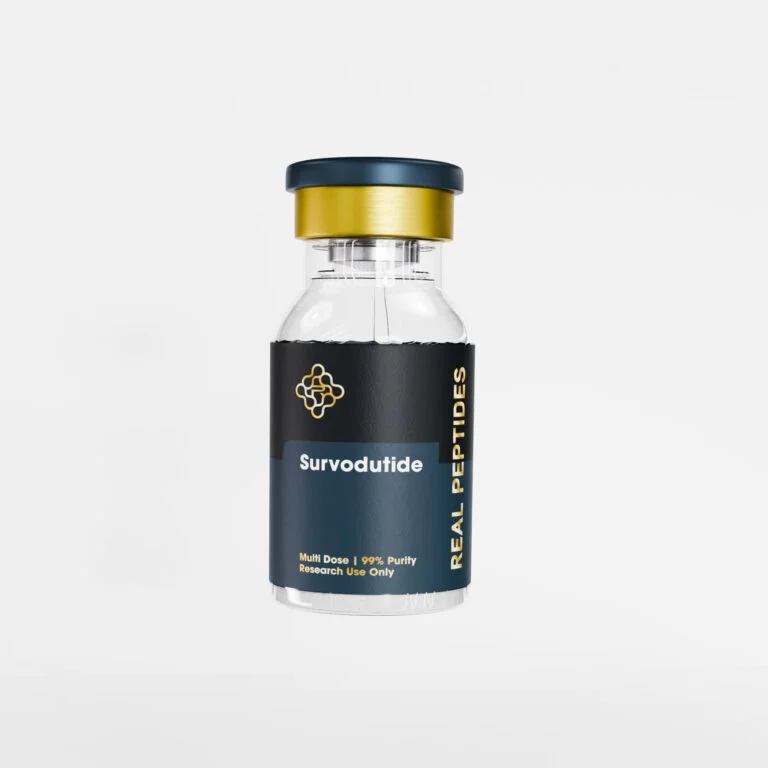
Buy Survodutide Peptide (BI 456906) from SourceTides. CAS 2805997-46-8 | 29-AA GLP-1R/GCGR dual agonist | MW 4,231.62 g/mol | ≥98% HPLC purity | Endotoxin <1 EU/mg (LAL) | Full CoA included | Lyophilised | Cold-chain dispatch. FDA Breakthrough Therapy (MASH); Phase III ongoing. For in-vitro laboratory research use only. Not for human consumption.
Buy Survodutide Peptide | BI 456906 | ≥98% Purity | CoA Included | SourceTides
Buy Survodutide Peptide from SourceTides — the potent 29-amino-acid dual GLP-1R/GCGR agonist (CAS 2805997-46-8; synonym BI 456906) supplied at ≥98% HPLC-verified purity with a full Certificate of Analysis. Survodutide is a C18 fatty-acid-acylated, once-weekly-dosed research compound co-developed by Boehringer Ingelheim and Zealand Pharma, currently in Phase III clinical trials for obesity and MASH. Every SourceTides vial is lyophilised under ISO-grade conditions, independently endotoxin-tested (LAL <1 EU/mg), and dispatched on a validated cold-chain. For in-vitro laboratory and preclinical research use only — not for human consumption.
Survodutide Technical Specifications
| Parameter | Specification |
|---|---|
| INN / Generic Name | Survodutide |
| Synonym / Development Code | BI 456906; BI-456906 |
| CAS Number | 2805997-46-8 |
| Molecular Formula | C₁₉₂H₂₈₉N₄₇O₆₁ |
| Molecular Weight | 4,231.62 g/mol |
| Peptide Length | 29 amino acids; linear; C-terminal amide (–NH₂) |
| Amino Acid Sequence | H-{Ac4c}-Gln-Gly-Thr-Phe-Thr-Ser-Asp-Tyr-Ser-Lys-Tyr-Leu-Asp-Glu-Arg-Ala-Ala-Lys-Asp-Phe-Ile-{Lys(Gly-Ser-Gly-Ser-Gly-Gly-γGlu-C18 diacid)}-Trp-Leu-Glu-Ser-Ala-NH₂ (Ac4c = 1-aminocyclobutane-1-carboxylic acid at position 2) |
| Structural Class | Acylated synthetic glucagon analog; C18 fatty diacid conjugated via Gly-Ser linker at Lys24; albumin-binding moiety |
| Receptor Targets | Glucagon receptor (GCGR) and GLP-1 receptor (GLP-1R); dual agonist; GLP-1R:GCGR affinity ratio ≈ 8:1 |
| EC₅₀ (GLP-1R, CHO-K1) | 0.33 nM |
| EC₅₀ (GCGR, CHO-K1) | 0.52 nM |
| EC₅₀ (GLP-1R, MIN6 insulinoma) | 0.36 nM |
| Half-Life (in vivo, clinical) | ≈ 1 week (enables once-weekly subcutaneous dosing); albumin binding via C18 diacid at Lys24 prolongs half-life |
| DPP-4 Resistance | Yes — non-coded Ac4c residue at position 2 blocks DPP-4 cleavage; C-terminal amide increases proteolytic stability |
| Physical Form | White to off-white lyophilised powder |
| Purity | ≥98% (RP-HPLC); identity confirmed by ESI-MS |
| Endotoxin | <1 EU/mg (LAL chromogenic assay) |
| Solubility | Soluble in sterile water, PBS, or DMSO (with gentle warming); recommend 1 mg/mL stock in PBS |
| Storage — Lyophilised | −20°C (long-term); 2–8°C (short-term up to 30 days); protect from light and moisture |
| Storage — Reconstituted | 2–8°C for up to 7 days; −20°C for extended use; avoid repeated freeze-thaw cycles |
| Certificate of Analysis (CoA) | Lot-specific, included with every order; HPLC chromatogram + MS data + endotoxin result |
| Regulatory / Clinical Status | FDA Breakthrough Therapy (MASH); Phase III trials ongoing (SYNCHRONIZE-1 & -2); EMA PRIME designation; not approved for therapeutic use; research compound only |
| WADA Status | Not listed on 2024–2025 Prohibited List (verify current list) |
What Is Survodutide (BI 456906)?
Survodutide (development code BI 456906; INN: survodutide) is a synthetic, acylated 29-amino-acid peptide that functions as a potent unimolecular dual agonist of the glucagon receptor (GCGR) and glucagon-like peptide-1 receptor (GLP-1R). It was co-invented by Boehringer Ingelheim and Zealand Pharma and has emerged as one of the most clinically advanced dual receptor agonists in the rapidly growing incretin-based obesity and metabolic disease research landscape.
Unlike most dual GLP-1/glucagon agonists that are derived from oxyntomodulin (the endogenous gut peptide with weak dual receptor activity), Survodutide is specifically derived from the native glucagon sequence — a structural distinction that confers unique pharmacological properties. The molecule incorporates a non-coded amino acid, 1-aminocyclobutane-1-carboxylic acid (Ac4c), at position 2, which blocks the primary DPP-4 cleavage site and substantially extends metabolic stability. A C18 fatty diacid moiety is conjugated via a hydrophilic Gly-Ser linker at the Lys24 residue, mediating high-affinity binding to circulating albumin and extending the functional half-life to approximately one week — enabling the once-weekly subcutaneous administration used across all clinical trials.
The fundamental research rationale for Survodutide lies in its dual receptor mechanism: GLP-1R agonism suppresses appetite, delays gastric emptying, and stimulates glucose-dependent insulin secretion, while GCGR agonism simultaneously increases hepatic energy expenditure, promotes lipolysis, and reduces liver fat accumulation. This complementary dual-axis mechanism theoretically produces superior weight reduction and metabolic improvement compared to selective GLP-1R agonism alone — a hypothesis that Phase 2 clinical data has significantly supported. The compound is now in Phase III trials (SYNCHRONIZE-1 and SYNCHRONIZE-2) for obesity and has received FDA Breakthrough Therapy designation for MASH, placing it among the most clinically validated research peptides available for metabolic biology studies.
Researchers modelling dual receptor agonist signalling, studying metabolic dysfunction-associated steatohepatitis (MASH/NASH), investigating hepatic energy metabolism, or comparing GLP-1 monotherapy versus dual-agonism in preclinical models will find Survodutide from SourceTides an essential and clinically contextualised research tool.
Mechanism of Action: How Survodutide Activates GLP-1R and GCGR
Survodutide’s biological activity is mediated through simultaneous engagement of two distinct G-protein-coupled receptor pathways, each with documented downstream signalling cascades and metabolic consequences. The additive and complementary nature of these two pathways is the mechanistic foundation for Survodutide’s superior efficacy relative to selective GLP-1R agonists in preclinical head-to-head comparisons.
1. GLP-1 Receptor (GLP-1R) Agonism: Appetite Suppression and Glycaemic Control
Survodutide’s GLP-1R agonism (EC₅₀ 0.33 nM in CHO-K1 cells; 0.36 nM in the endogenous mouse GLP-1R in MIN6 insulinoma cells) mediates the anorectic and insulinotropic components of its pharmacological profile. At the GLP-1R, which is expressed in pancreatic beta cells, the brainstem area postrema (AP), and the arcuate nucleus of the hypothalamus (ARH), Survodutide activates Gαs-coupled cAMP signalling to: (1) stimulate glucose-dependent insulin secretion from pancreatic islets; (2) suppress glucagon secretion from alpha cells in a glucose-dependent manner; (3) delay gastric emptying, reducing the rate of postprandial glucose excursions; and (4) activate central appetite-suppressing neural circuits via GLP-1R expressed in brainstem circumventricular organs. A 2025 mechanistic study published in PMC (PMC12925197) specifically characterised that GLP-1R — but not GCGR — is expressed in the area postrema and arcuate nucleus in both human and mouse tissue, confirming that the central anorectic effects of Survodutide are primarily mediated through GLP-1R in these brain regions. In preclinical models, Survodutide produced dose-dependent acute food intake reductions that were absent in GLP-1R knockout mice but preserved in wild-type animals, directly demonstrating GLP-1R dependency for the appetite-suppression component.
2. Glucagon Receptor (GCGR) Agonism: Hepatic Energy Expenditure and Lipolysis
The GCGR component of Survodutide’s dual mechanism (EC₅₀ 0.52 nM in CHO-K1 cells; GLP-1R:GCGR selectivity ratio ≈ 8:1) primarily drives increased energy expenditure and hepatic fat clearance — mechanisms largely absent from selective GLP-1R agonists. GCGR is highly expressed in hepatocytes, and activation stimulates hepatic glycogenolysis, gluconeogenesis, fatty acid oxidation, and thermogenesis. This hepatic GCGR activation increases overall energy expenditure, addressing the metabolic inefficiency (reduced resting metabolic rate) that typically accompanies GLP-1R-driven caloric restriction. A 2025 study (PMC12890723) specifically demonstrated that hepatic GCGR expression is required for the superior weight loss effects of a structurally related Survodutide analog in mice: liver-specific GCGR knockout abolished the compound’s additional weight loss benefit over GLP-1R monotherapy, directly validating hepatic GCGR as the key site of Survodutide’s additive efficacy. The GCGR axis also drives direct effects on hepatic lipid metabolism relevant to MASH: reductions in liver fat content of ≥30% were achieved in 57–67% of Survodutide-treated participants in the Phase 2 MASH trial, compared to only 14% in the placebo group (NEJM, 2024; DOI: 10.1056/NEJMoa2401755).
3. Structural Engineering for Proteolytic Stability and Extended Half-Life
A critical and mechanistically distinctive feature of Survodutide is its engineered resistance to endogenous peptidase degradation, which is what distinguishes it from native glucagon and enables once-weekly dosing. Three structural modifications achieve this: First, the incorporation of Ac4c (1-aminocyclobutane-1-carboxylic acid) at position 2 — the canonical DPP-4 cleavage site for glucagon-like peptides — blocks DPP-4 peptidase activity, preventing the rapid N-terminal truncation that inactivates native GLP-1 (t½ ~1–2 min) and glucagon. Second, C-terminal amidation (–NH₂) protects against carboxypeptidase-mediated degradation. Third, and most consequentially for half-life extension, a C18 fatty diacid is conjugated via a hydrophilic Gly-Ser-Gly-Ser-Gly-Gly-γGlu linker at Lys24. This acylation enables reversible, high-affinity non-covalent binding to circulating human serum albumin, which with its large hydrodynamic radius and slow renal clearance (t½ ~19 days) effectively acts as a pharmacokinetic reservoir, dramatically extending Survodutide’s functional half-life to approximately one week. This is the same albumin-binding engineering strategy used in semaglutide and liraglutide but applied to a dual-agonist glucagon scaffold. Together, these modifications transform an otherwise rapidly degraded peptide into a once-weekly subcutaneous research compound with plasma levels sustained throughout the dosing interval.
4. Central Nervous System Engagement via Circumventricular Organs
Beyond its peripheral actions, Survodutide engages central neural circuits through brain regions lacking a complete blood-brain barrier — the circumventricular organs (CVOs). A mechanistic study published in PMC (PMC12925197) characterised GCGR and GLP-1R expression in human and mouse CVOs, confirming that GLP-1R is expressed in the area postrema and arcuate nucleus while GCGR is barely detectable in these regions at the single-cell level. Survodutide activates neuronal regions associated with appetite regulation via GLP-1R in these CVO tissues, contributing to its potent food intake suppression. Additionally, Survodutide activates cFos expression in broader hypothalamic regions involved in energy balance, indicating engagement of neural circuits beyond those accessible to peripherally restricted GLP-1R agonists.
Survodutide Research Evidence Summary
| Research Area | Evidence Tier | Key Finding | Source |
|---|---|---|---|
| Obesity / Weight Reduction | Phase 2 RCT (Lancet Diabetes Endocrinol, 2024) | Mean body weight reduction of ~15% (4.8 mg dose) vs ~3% placebo at 46 weeks; >40% of highest-dose participants achieved ≥20% weight loss; superior to maximal semaglutide in preclinical head-to-head | le Roux et al. 2024, PubMed PMID: 38330987 |
| MASH / Liver Fibrosis | Phase 2 RCT (NEJM, 2024) — primary endpoint met | 47–62% of survodutide participants met MASH improvement endpoint vs 14% placebo; liver fat ≥30% reduction in 57–67% vs 14%; fibrosis ≥1 stage improvement in 34–36% vs 22%; p<0.001 | Sanyal et al. 2024, NEJM |
| Type 2 Diabetes / HbA1c | Phase 2 RCT (Diabetologia, 2024) | Dose-dependent HbA1c reductions vs placebo and open-label semaglutide; meta-analysis confirms MD −1.12% HbA1c vs placebo | SYNCHRONIZE Phase 3 Protocol, PMC |
| Preclinical Anti-obesity Efficacy vs Semaglutide | In vivo (diet-induced obese mice) | Survodutide (3–30 nmol/kg SC daily) achieved greater bodyweight lowering than maximally effective semaglutide doses; energy expenditure increase confirmed as additive mechanism | Zimmermann et al. 2022, Mol Metab PMID: 36356792 |
| Hepatic GCGR Mechanism | In vivo (liver-specific GCGR KO mice, 2025) | Hepatic GCGR required for superior weight loss vs GLP-1R monotherapy; liver-specific knockout abolished additive weight loss benefit; confirms hepatic GCGR as critical target for MASH benefit | PMC12890723 (2025) |
| CNS Mechanism (Appetite) | In vivo / single-cell transcriptomics (2025) | GLP-1R (not GCGR) expressed in area postrema and arcuate nucleus; Survodutide activates appetite-regulating neuronal circuits via GLP-1R in CVOs; food intake reduction abolished in GLP-1R KO mice | PMC12925197 (2025) |
| Cirrhosis / Advanced Liver Disease | Phase 2 exploratory (J Hepatology, 2024) | Liver fat, stiffness, volume, and body weight generally reduced after 28 weeks in compensated cirrhosis; first GLP-1-based trial in cirrhotic population; generally tolerable | J Hepatology 2024 |
| Safety Meta-analysis | Systematic review & meta-analysis (PMC, 2024) | Significant weight reduction (MD −1.25 BMI units) and HbA1c reduction confirmed; GI adverse events dose-dependent; no deaths in included studies; discontinuation higher than placebo (RR 4.53) | PMC12184113 Systematic Review |
Survodutide Phase 2 Clinical Evidence: The Strongest Data Domain
Survodutide is exceptional among research peptides in that its preclinical mechanistic data has been directly validated in Phase 2 randomised controlled trials — two of which have published results in top-tier journals and a third in which Phase 3 trials are underway. This depth of clinical contextualisation makes Survodutide uniquely valuable for researchers designing in-vitro or preclinical experiments that need to be anchored to a human-data mechanistic framework.
Phase 2 Obesity Trial (Lancet Diabetes Endocrinol, 2024)
Le Roux et al. published a Phase 2, randomised, double-blind, placebo-controlled dose-finding study (NCT04667377) of Survodutide in people with overweight or obesity without type 2 diabetes, enrolling participants across multiple international sites. Over 46 weeks with four dose levels (0.6, 1.8, 3.6, and 4.8 mg once-weekly subcutaneous), the highest-dose group (4.8 mg) achieved a mean body weight reduction of approximately 14.9–18.7%, with more than 65% of participants achieving ≥15% body weight loss and over 40% achieving ≥20% — benchmarks exceeding those reported in the pivotal semaglutide STEP trials at comparable timepoints. Dose-response was non-flat, with clear superiority of higher doses. Serious adverse events occurred in 4.2% of survodutide-treated participants compared to 6.5% on placebo — an important finding demonstrating that the overall serious event burden was not elevated. The phase 3 SYNCHRONIZE-1 and SYNCHRONIZE-2 trials have initiated based on these data, using a more gradual dose-escalation scheme to improve tolerability. This trial is published in Lancet Diabetes & Endocrinology (PMID: 38330987; PubMed link).
Phase 2 MASH Trial (NEJM, 2024) — FDA Breakthrough Therapy
Sanyal et al. published the pivotal Phase 2 trial of Survodutide in MASH and fibrosis in the New England Journal of Medicine (2024; DOI: 10.1056/NEJMoa2401755), representing among the strongest efficacy data sets published for any investigational MASH compound. In this 48-week, randomised, double-blind, placebo-controlled trial (NCT04771273) enrolling 293 participants with biopsy-confirmed MASH and fibrosis stages F1–F3, Survodutide met its primary endpoint: biopsy-proven MASH improvement without worsening of fibrosis, achieved by 47% (2.4 mg group), 62% (4.8 mg group), and 43% (6.0 mg group) of participants, compared to only 14% in the placebo group (p<0.001). Secondary endpoints were also met, including significant improvements in liver fibrosis stage. Liver fat content decreased by ≥30% in 57–67% of treated participants versus 14% on placebo. Boehringer Ingelheim announced these top-line results in March 2024 with an additional headline figure of up to 83% MASH improvement at the highest-responding dose group in a broader analysis. Based on these Phase 2 results, the FDA granted Survodutide Breakthrough Therapy designation for non-cirrhotic MASH with moderate-to-advanced fibrosis (stages F2–F3), and two Phase 3 trials in MASH initiated in 2024.
The SYNCHRONIZE Phase 3 Programme
SYNCHRONIZE-1 and SYNCHRONIZE-2 are the ongoing Phase 3 trials for Survodutide in obesity, with additional Phase 3 MASH trials running in parallel. The SYNCHRONIZE programme incorporates a modified, more gradual dose-escalation scheme specifically designed to address the dose-escalation-phase GI tolerability observed in Phase 2, with flexible up-titration and temporary dose holds permitted. Published in PMC (PMC11664303; SYNCHRONIZE protocol), the Phase 3 design anticipates approximately 10–14% body weight reduction as the survodutide-vs-placebo delta for power calculations — conservative relative to Phase 2 top-line numbers. Survodutide has also received EMA PRIME (PRIority MEdicines) designation, expediting regulatory review in Europe. These regulatory milestones make Survodutide one of the most clinically de-risked GLP-1/glucagon dual agonist research compounds currently available.
What Research Is Survodutide Most Relevant For?
| Research Discipline | Application | Why Survodutide |
|---|---|---|
| Metabolic Disease / Obesity | Diet-induced obesity models; energy balance; body composition; adipose tissue biology | Phase 2 & preclinical data confirms superior weight reduction vs semaglutide; dual-axis energy expenditure + appetite suppression mechanism; validated DIO mouse protocol available |
| MASH / NASH / Hepatology | Liver fat quantification; fibrosis staging models; steatohepatitis histology; hepatic gene expression | FDA Breakthrough Therapy designation; Phase 2 NEJM data showing 62% MASH resolution; hepatic GCGR mechanism drives direct liver fat clearance beyond GLP-1R activity; highly relevant reference compound |
| Receptor Pharmacology | GLP-1R / GCGR signal transduction; cAMP assays; receptor binding studies; biased agonism characterisation | Sub-nM potency at both targets (EC₅₀ 0.33–0.52 nM); validated CHO-K1 and MIN6 assay data published; ideal for receptor selectivity and bias studies; GLP-1R:GCGR ratio ≈ 8:1 provides tuned dual signalling |
| Diabetes Research | Insulin secretion; glucose-dependent GLP-1R signalling; HbA1c reduction models; islet biology | Stimulates insulin secretion in mouse, rat, and human pancreatic islets; HbA1c reduction confirmed in Phase 2 T2D trial; GLP-1R-dependent glucose-dependent secretion profile |
| Neuroscience / Appetite Biology | Hypothalamic appetite circuit mapping; circumventricular organ biology; GLP-1R CNS expression | 2025 mechanistic study characterised GLP-1R vs GCGR expression in CVOs at single-cell level; neuronal activation patterns in appetite-regulating regions mapped; cFos activation data available |
| Peptide Chemistry / Drug Design | Acylation strategy studies; albumin-binding pharmacokinetics; DPP-4 resistance via non-coded amino acids; half-life extension strategies | Exemplary use of Ac4c for DPP-4 resistance + C18 diacid albumin binding for half-life extension; model compound for peptide half-life engineering research |
| Cardiovascular / Renal Metabolic | Blood pressure modulation; cardiac metabolism; GLP-1R-mediated cardioprotection; renal fat clearance | Phase 2 post-hoc analysis showed blood pressure reductions across doses; Phase 3 SYNCHRONIZE programme includes cardiac outcome monitoring; Boehringer Ingelheim’s core cardio-renal-metabolic focus area |
Survodutide Pharmacokinetics for Research Design
| PK Parameter | Value / Notes | Research Design Implication |
|---|---|---|
| Terminal Half-Life (in vivo) | ≈ 1 week (albumin-mediated; enables once-weekly SC dosing in clinical trials) | Once-weekly dosing schedules appropriate for rodent studies; steady-state plasma levels achieved after ≈4–5 doses; sustained pharmacology throughout dosing interval |
| Route of Administration | Subcutaneous injection (all clinical and key preclinical studies); intraperitoneal used in some mouse experiments | SC preferred for physiologically relevant PK profiles in rodent models; IP acceptable for acute efficacy studies |
| Albumin Binding | High; >99% protein-bound in plasma via C18 diacid at Lys24; similar binding in human and mouse plasma | Free fraction very low; total plasma concentration substantially higher than pharmacologically active fraction; free peptide assays require specialised extraction methods |
| DPP-4 Resistance | Complete at position 2 (Ac4c substitution); in vitro proteolytic stability confirmed vs native glucagon and GLP-1 | No need for DPP-4 inhibitor co-administration in experimental protocols; stable in plasma ex vivo; standard plasma sample handling acceptable |
| Potency in Human vs Mouse Plasma | GLP-1R: similar potency in 0.5% human and mouse plasma. GCGR: 6-fold lower potency vs native glucagon in 0.5% plasma conditions | Albumin concentration in assay media affects apparent potency; standardise plasma percentage across experiments; mouse-to-human translation is supported by similar binding profiles |
| Metabolism | Proteolytic degradation by circulating and tissue peptidases (DPP-4 at N-terminus blocked; other peptidases active); fatty acid chain metabolised via beta-oxidation pathways | No significant CYP450 involvement; minimal drug-drug interaction risk via metabolic enzyme pathways; metabolites are amino acids and fatty acid fragments |
| Gastric Emptying Effect | Delayed gastric emptying confirmed (GLP-1R mechanism); effect diminishes over time with sustained treatment — similar to GLP-1R agonist class behaviour | Gastric emptying attenuation should be accounted for in oral dosing studies run in survodutide-treated animals; acute vs chronic GE effects differ |
| Validated In-Vivo Dose Range (Preclinical) | 3–30 nmol/kg SC daily in diet-induced obese mice (Zimmermann et al. 2022); single-dose 1–100 nmol/kg for acute food intake and GCGR engagement studies | Published dose-response curves available for reference when designing DIO mouse protocols; GCGR engagement confirmed by plasma alanine reduction at pharmacological doses |
Survodutide Adverse Events: Research Safety Profile
| Adverse Event / Concern | Incidence (Phase 2 Data) | Mechanism | Research Protocol Note |
|---|---|---|---|
| Nausea | 66% (MASH trial, survodutide) vs 23% (placebo); 75% (obesity trial, highest dose) vs 43% (placebo) | GLP-1R-mediated delayed gastric emptying + brainstem area postrema activation; dose-escalation phase predominant | Primarily during dose escalation; resolves or diminishes during maintenance phase; gradual dose escalation in Phase 3 expected to improve this profile |
| Diarrhea | 49% (MASH trial) vs 23% (placebo); meta-analysis RR 1.89 | GLP-1R-mediated intestinal motility acceleration; glucagon component may contribute via intestinal GCGR | Most frequent GI adverse event by incidence; typically mild-moderate; hydration monitoring relevant |
| Vomiting | 41% (MASH trial); meta-analysis RR 6.64 vs placebo | Central GLP-1R activation (area postrema); gastric motility changes; dose-dependent | Highest RR vs placebo among GI events; concentrated in dose-escalation period; dehydration risk necessitates fluid intake monitoring in animal studies |
| Treatment discontinuation due to AEs | 24.6% (obesity trial, rapid escalation) vs 3.9% (placebo); meta-analysis RR 4.53 | GI intolerability during rapid 2-week dose escalation schedule used in Phase 2; Phase 3 uses slower escalation | Phase 2 rapid escalation inflated this number vs what is expected with gradual titration in Phase 3; most discontinuations in first 20 weeks (escalation phase) |
| Serious Adverse Events (SAEs) | 4.2% survodutide vs 6.5% placebo (obesity trial); 8% vs 7% (MASH trial) | SAE burden not elevated vs placebo; lower SAE rate in obesity trial may reflect metabolic risk reduction from weight loss | Key safety signal: serious events not increased over placebo; no deaths reported in included Phase 2 studies per meta-analysis |
| Heart Rate Increase | Observed; magnitude not fully characterised in published summaries | GLP-1R and GCGR both have positive chronotropic effects; class effect shared with other GLP-1R agonists | Cardiovascular monitoring relevant in in-vivo protocols; cardiac outcome trial data pending from Phase 3 |
| Pancreatitis (theoretical class risk) | Class-level theoretical concern for all GLP-1R agonists; not specifically reported at elevated rates in Survodutide Phase 2 | GLP-1R agonism in pancreatic acinar cells; Phase 3 monitoring includes lipase measurement and pancreatitis adjudication | Baseline lipase measurement recommended in study design; monitor for persistent upper abdominal pain in in-vivo protocols |
| Dehydration / Renal Failure (cases) | 2 cases of dehydration-related renal failure; 1 case of angioedema (obesity trial) | Severe vomiting/diarrhea-mediated volume depletion leading to prerenal azotemia | Hydration monitoring essential in in-vivo protocols; GI loss of fluids can precipitate secondary renal events |
SourceTides Quality Control: Survodutide Peptide
When you buy Survodutide Peptide from SourceTides, every batch undergoes a rigorous multi-stage QC process. Given Survodutide’s structural complexity — 29 amino acids, non-coded Ac4c residue, glycine-serine linker, and C18 diacid moiety — identity confirmation by mass spectrometry is essential and always included alongside HPLC purity data.
| QC Test | Method | Specification | Notes |
|---|---|---|---|
| Purity | RP-HPLC (C18 column; UV 220 nm; gradient elution) | ≥98% peak area purity | HPLC chromatogram provided in lot-specific CoA; critical for receptor binding assay reproducibility |
| Molecular Identity | ESI-MS or MALDI-TOF mass spectrometry | Confirmed MW 4,231.62 Da; Ac4c non-coded residue and C18 diacid moiety confirmed | MS identity confirmation is critical for this complex modified peptide — confirms acylation and non-standard residue integrity |
| Endotoxin | LAL (Limulus Amebocyte Lysate) chromogenic assay | <1 EU/mg | Essential for cell-based GLP-1R and GCGR signalling assays; LPS contamination activates NF-κB and confounds receptor-mediated cAMP readouts |
| Appearance | Visual inspection | White to off-white lyophilised powder; no particulates, discolouration, or caking | Acylated peptides may appear slightly off-white due to fatty acid moiety; acceptable; yellow/brown indicates oxidation |
| Residual Moisture | Karl Fischer titration | <5% w/w | Low moisture preserves lyophilised peptide stability; moisture ingress accelerates hydrolytic degradation of the amide and ester linkages |
| Cold-Chain Dispatch | Dry-ice packaging; temperature-logged shipping | ≤−20°C maintained during transit | Acylated peptides are more hydrophobic and can aggregate at elevated temperatures; cold-chain is non-negotiable for this compound |
| Certificate of Analysis | Lot-specific document; downloadable PDF | HPLC trace, MS data, endotoxin result, purity, synthesis date, expiry, storage | Required for GLP journal submission; keep on file for research traceability and GLP compliance |
| Synthesis Method | SPPS (Fmoc strategy) with post-synthesis acylation (C18 diacid conjugation via activated ester chemistry) | Ac4c incorporation at position 2; C-terminal amidation; site-specific Lys24 acylation confirmed by MS | Acylation site specificity is critical — off-site acylation produces structurally distinct impurities with altered receptor selectivity; MS confirmation is essential |
Survodutide Regulatory Status by Jurisdiction
| Jurisdiction | Status | Notes |
|---|---|---|
| USA (FDA) | Investigational; FDA Breakthrough Therapy designation (MASH); Fast Track designation (NASH); Phase III trials ongoing; NOT approved | Breakthrough Therapy designation granted for non-cirrhotic MASH with moderate-to-advanced fibrosis (F2–F3). This expedites review but does not constitute approval. Not a controlled substance. Available as research chemical for laboratory use only. |
| European Union (EMA) | Investigational; EMA PRIME designation (December 2023); Phase III trials ongoing; NOT approved | PRIME (PRIority MEdicines) designation accelerates dialogue with EMA for promising investigational drugs. Not an authorised medicinal product in any EU member state. Research use only. |
| Australia (TGA) | Unapproved therapeutic good; research access only | Not listed on ARTG. No TGA approval for any indication. Clinical trial access via CTN/CTX pathway only. SourceTides supplies for laboratory research use only. |
| United Kingdom (MHRA) | Unlicensed; clinical trial authorisation required for human use; research compound | No MHRA marketing authorisation. Not a controlled drug. UK PRIME equivalent scheme (ILAP) may apply; post-Brexit regulatory pathway independent of EMA. |
| Canada (Health Canada) | Unapproved new drug; investigational; research access only | Not authorised for sale. Not a controlled substance under CDSA. Clinical trial access via Clinical Trial Application (CTA) only. Research laboratory use permitted. |
| WADA | Not listed on 2024–2025 WADA Prohibited List | Survodutide is not currently a prohibited substance in sport. However, GLP-1/glucagon dual agonists may attract future scrutiny as their weight-loss and metabolic effects become better characterised. Researchers designing sport science studies should verify the current WADA list at wada-ama.org. |
Survodutide vs Related GLP-1 / Dual Agonist Research Peptides
| Compound | Receptor Target(s) | Primary Research Focus | Key Differentiation vs. Survodutide | SourceTides |
|---|---|---|---|---|
| Survodutide (this product) | GLP-1R + GCGR (8:1 ratio) | Obesity; MASH; T2D; dual receptor signalling | — | Buy Survodutide |
| Semaglutide | GLP-1R (selective) | Obesity; T2D; cardiovascular outcomes; GLP-1R reference | GLP-1R only — no GCGR component; no hepatic energy expenditure mechanism; FDA-approved for T2D and obesity; preclinical benchmark for survodutide comparison; survodutide showed superior weight loss in DIO mice vs maximal semaglutide dose | Semaglutide research peptide |
| Tirzepatide | GLP-1R + GIPR (dual) | Obesity; T2D; GLP-1R/GIPR dual agonism | GIP receptor (not glucagon receptor) as the second target; different mechanism for added weight loss benefit; FDA-approved (Mounjaro/Zepbound); no GCGR hepatic energy expenditure; distinct from survodutide’s liver-directed GCGR mechanism | Tirzepatide research peptide |
| Glucagon (native) | GCGR (selective) | GCGR pharmacology reference; hypoglycaemia reversal; hepatic glycogenolysis | Native hormone; ultra-short half-life (t½ ~5 min); DPP-4 susceptible; no GLP-1R activity; rapid hepatic glycogenolysis mechanism; key comparator for survodutide’s GCGR-only pharmacology | Glucagon research peptide |
| Retatrutide | GLP-1R + GIPR + GCGR (triple) | Triple incretin agonism; obesity; MASH; T2D | Adds GIPR to survodutide’s dual mechanism; three receptor targets; potentially superior weight loss but greater complexity; Phase 2 data showing ~24% weight loss at 48 weeks; distinct from survodutide’s GLP-1R/GCGR-only profile | Retatrutide research peptide |
| GLP-1 (7-36) amide | GLP-1R (selective; native) | GLP-1R pharmacology; in-vitro receptor assays; islet biology; native comparator | Native unmodified GLP-1; t½ ~1–2 min; excellent in-vitro GLP-1R reference; no GCGR activity; essential positive control for survodutide GLP-1R assays | GLP-1 research peptide |
Peer-Reviewed References for Survodutide Research
| # | Citation | Link |
|---|---|---|
| 1 | Sanyal AJ et al. (2024). A Phase 2 Randomized Trial of Survodutide in MASH and Fibrosis. N Engl J Med. 391(4):311–319. | NEJM Full Text |
| 2 | le Roux CW et al. (2024). Glucagon and GLP-1 receptor dual agonist survodutide for obesity: a randomised, double-blind, placebo-controlled, dose-finding phase 2 trial. Lancet Diabetes Endocrinol. 12:162–173. PMID: 38330987. | PubMed PMID: 38330987 |
| 3 | Zimmermann T et al. (2022). BI 456906: Discovery and preclinical pharmacology of a novel GCGR/GLP-1R dual agonist with robust anti-obesity efficacy. Mol Metab. 66:101633. PMID: 36356792. | PubMed PMID: 36356792 |
| 4 | SYNCHRONIZE Phase 3 Protocol (2024). Survodutide for treatment of obesity: rationale and design of SYNCHRONIZE-1 and -2. PMC. | PMC11664303 |
| 5 | Safety meta-analysis (2024). Evaluating the efficacy and safety of survodutide for obesity: systematic review and meta-analysis of RCTs. PMC. | PMC12184113 |
| 6 | Survodutide CNS mechanism (2025). Survodutide acts through circumventricular organs and activates neuronal regions associated with appetite regulation. PMC. | PMC12925197 |
| 7 | Hepatic GCGR study (2025). Hepatic GCGR required for superior weight loss of GCGR/GLP-1R dual agonist in mice. PMC. | PMC12890723 |
| 8 | Survodutide in cirrhosis (2024). Efficacy, tolerability and pharmacokinetics of survodutide in cirrhosis. J Hepatology. | J Hepatology 2024 |
| 9 | ClinicalTrials.gov NCT04771273. Phase 2 Trial of BI 456906 in Adults With NASH and Fibrosis (F1–F3). Boehringer Ingelheim. | ClinicalTrials.gov NCT04771273 |
Frequently Researched Alongside Survodutide — Related SourceTides Peptides
Researchers investigating GLP-1R/GCGR dual agonism, metabolic disease, and incretin biology frequently pair Survodutide with the following compounds available from SourceTides:
- Semaglutide research peptide — The gold-standard GLP-1R-selective reference compound; essential for head-to-head comparison studies with Survodutide’s dual mechanism
- Tirzepatide research peptide — GLP-1R/GIPR dual agonist; alternative dual-agonism mechanistic axis to compare with Survodutide’s GLP-1R/GCGR profile
- Retatrutide research peptide — Triple GLP-1R/GIPR/GCGR agonist; studied alongside survodutide for triple-vs-dual receptor comparison in metabolic models
- GLP-1 (7-36) amide research peptide — Native GLP-1 reference for in-vitro receptor assays; essential positive control for survodutide GLP-1R component experiments
- Glucagon research peptide — Native glucagon; GCGR-selective reference for comparison of survodutide’s glucagon receptor activity component
- BPC-157 research peptide — Gastrointestinal protection peptide; studied alongside GLP-1R agonists in gut-biology and mucosal protection research contexts
Frequently Asked Questions: Survodutide Peptide Research
Where can I buy Survodutide Peptide with a Certificate of Analysis?
You can buy Survodutide Peptide directly from SourceTides. Every vial is supplied with a downloadable lot-specific Certificate of Analysis (CoA) that includes the RP-HPLC chromatogram (≥98% purity), ESI-MS or MALDI-TOF mass spectrometry identity confirmation (critical for verifying Ac4c incorporation and C18 diacid acylation), LAL endotoxin test result (<1 EU/mg), and full storage/stability specifications. Given Survodutide’s structural complexity as a 29-amino-acid modified peptide, mass spectrometry identity confirmation is particularly important — SourceTides includes it as standard.
What purity of Survodutide do I need for receptor binding and cell-based assays?
For GLP-1R and GCGR receptor binding assays, cAMP signalling studies, and cell-based functional assays, ≥98% HPLC purity is the recommended minimum. The key concern with lower-purity preparations is the presence of de-acylated species (loss of C18 diacid moiety) or truncated sequences, which have substantially altered receptor selectivity ratios and would confound your GLP-1R:GCGR dual agonism data. SourceTides supplies Survodutide at ≥98% with MS identity confirmation specifically to ensure the acylated structure is intact. Endotoxin specification (<1 EU/mg LAL) is equally important for cell-based assays — LPS contamination activates NF-κB pathways that confound receptor-mediated cAMP readouts.
How should I store Survodutide peptide to maintain potency?
Store lyophilised Survodutide at −20°C long-term (up to 24 months from manufacture) or at 2–8°C for short-term use (up to 30 days). Protect from light and moisture at all times. Once reconstituted in sterile PBS or water, store at 2–8°C and use within 7 days; for longer storage, freeze aliquots at −20°C. Avoid repeated freeze-thaw cycles, which can cause aggregation of the fatty-acylated peptide. Acylated peptides like Survodutide are more hydrophobic than native peptides and can aggregate at elevated temperatures or in low-albumin-content solutions — prepare working dilutions in assay buffer containing 0.1–0.5% BSA when possible. All SourceTides Survodutide vials are dispatched on dry-ice cold chain.
Is Survodutide legal to buy for research in the USA, UK, Australia, and Canada?
Survodutide is an investigational research compound available for laboratory purchase in all major Western jurisdictions. In the USA, it holds FDA Breakthrough Therapy designation (investigational — not approval) and Fast Track status for NASH, and is legally purchased as a research chemical. In the UK, it is unlicensed but not a controlled drug. In Australia, it is an unapproved therapeutic good accessible through research channels. In Canada, it is an unapproved new drug accessible for research. In all cases, SourceTides supplies exclusively for in-vitro laboratory research use. Researchers should verify local import and research chemical regulations before ordering via the SourceTides shipping policy page.
What does the Phase 2 clinical research show about Survodutide?
Survodutide has produced some of the strongest Phase 2 clinical data of any investigational metabolic compound in recent years. In the Phase 2 obesity trial (le Roux et al., Lancet Diabetes Endocrinol 2024): mean body weight reduction of ~15% vs ~3% placebo at 46 weeks (4.8 mg dose); >40% of highest-dose participants achieved ≥20% weight loss. In the Phase 2 MASH trial (Sanyal et al., NEJM 2024): 47–62% of treated participants met the primary MASH resolution endpoint vs 14% placebo; liver fat decreased ≥30% in 57–67% vs 14%; fibrosis improved ≥1 stage in 34–36% vs 22%. These results led to FDA Breakthrough Therapy and EMA PRIME designation. All references are available on the SourceTides Survodutide product page.
What are the documented side effects and safety profile of Survodutide?
Based on published Phase 2 clinical trial data: the most common adverse events are gastrointestinal — nausea (66–75% survodutide vs 23–43% placebo), diarrhea (49% vs 23%), and vomiting (41% vs ~10%). Treatment discontinuation due to adverse events was 24.6% in the obesity trial (vs 3.9% placebo), primarily concentrated in the rapid dose-escalation phase; Phase 3 uses gradual escalation to improve tolerability. Critically, serious adverse events were not elevated versus placebo (4.2% vs 6.5% in the obesity trial). No deaths were reported in any included Phase 2 study per a 2024 systematic review. Theoretical class risks include pancreatitis and medullary thyroid carcinoma (shared with GLP-1R agonist class) — Phase 3 trials include active monitoring for these. Heart rate increases have been observed. All SourceTides Survodutide is supplied for in-vitro research only — not for human administration.
How does Survodutide compare to Semaglutide for research purposes?
Survodutide and Semaglutide represent the two main mechanistic classes of advanced obesity research peptides: dual GLP-1R/GCGR agonism vs selective GLP-1R agonism. In preclinical head-to-head experiments (Zimmermann et al. 2022, Mol Metab), Survodutide achieved greater body weight lowering in diet-induced obese mice than maximally effective semaglutide doses — the key additive effect being Survodutide’s GCGR-mediated hepatic energy expenditure increase, which semaglutide lacks. For researchers studying mechanisms of weight loss, the two compounds form the ideal pair: Semaglutide isolates the GLP-1R axis, while Survodutide adds GCGR-mediated effects, enabling direct comparison. SourceTides supplies both Survodutide and Semaglutide research peptide at validated purity.
What payment methods does SourceTides accept for Survodutide orders?
SourceTides accepts all major credit and debit cards (Visa, Mastercard, American Express), cryptocurrency payments, and bank transfers for institutional or bulk research orders. All transactions are processed through secure, encrypted gateways. For institutional purchase orders, academic bulk procurement, or custom quantity requirements, contact SourceTides directly via the SourceTides contact page. Orders are reviewed for research compliance before dispatch in line with our terms of service.
How do I reconstitute Survodutide for GLP-1R/GCGR receptor assays?
Reconstitute lyophilised Survodutide in sterile PBS (pH 7.4) or sterile water to a stock concentration of 1 mg/mL. For cell-based receptor assays (cAMP, insulin secretion, binding), prepare working dilutions in assay buffer supplemented with 0.1–0.5% BSA or HSA to prevent peptide adsorption to plastic surfaces — this is particularly important for acylated peptides. In the published preclinical dose-response studies (Zimmermann et al. 2022), Survodutide was prepared in 0.5% human or mouse plasma for potency characterisation — this plasma-based approach is the closest in-vitro approximation to in-vivo free-fraction conditions. Filter all reconstituted solutions through a 0.22 µm syringe filter before use in cell culture. Full reconstitution notes are included in the CoA provided with every SourceTides Survodutide order.
✅ Research Use Only — Important Notice
All products supplied by SourceTides, including Survodutide Peptide (CAS 2805997-46-8; BI 456906), are intended exclusively for in-vitro laboratory research use only. Survodutide is an investigational compound currently in Phase III clinical trials and has NOT been approved by the FDA, EMA, TGA, Health Canada, or any regulatory authority for therapeutic, preventive, or diagnostic use in humans or animals. FDA Breakthrough Therapy designation and EMA PRIME designation are investigational-stage recognitions — they do not constitute approval. These products are not for human consumption. SourceTides products must only be handled by qualified research professionals in appropriate laboratory settings in compliance with applicable institutional and regulatory guidelines. By purchasing, the buyer confirms they are an authorised researcher and accepts full responsibility for compliance with all applicable laws and regulations. SourceTides makes no medical claims.
| Purity | ≥98% (HPLC-verified) |
|---|---|
| Strength | 5 mg |
| Form | Lyophilised Powder |
| CAS Number | 2805997-46-8 |
Related products
Fat Loss & Metabolic Support Peptides
MOTS-c Peptide Online | 10 mg Research Grade ≥99% Purity | SourceTides
Cognitive & Mood Support
Pinealon Peptide 10 mg Online | EDR Tripeptide | ≥99% Purity | CoA | SourceTides

Growth Hormone Modulators Peptides
Healing & Recovery Peptides
TB-500 Online | Research-Grade Thymosin Beta-4 Fragment ≥99% Purity
Growth Hormone Modulators Peptides
Ipamorelin Peptide 10 mg Online | ≥99% Purity | CoA Included | SourceTides
Growth Hormone Modulators Peptides
Tesamorelin Peptide 10 mg | GHRH Analog ≥99% Purity | SourceTides

Healing & Recovery Peptides
BPC-157 Online | Research-Grade Pentadecapeptide ≥99% Purity