$69.99
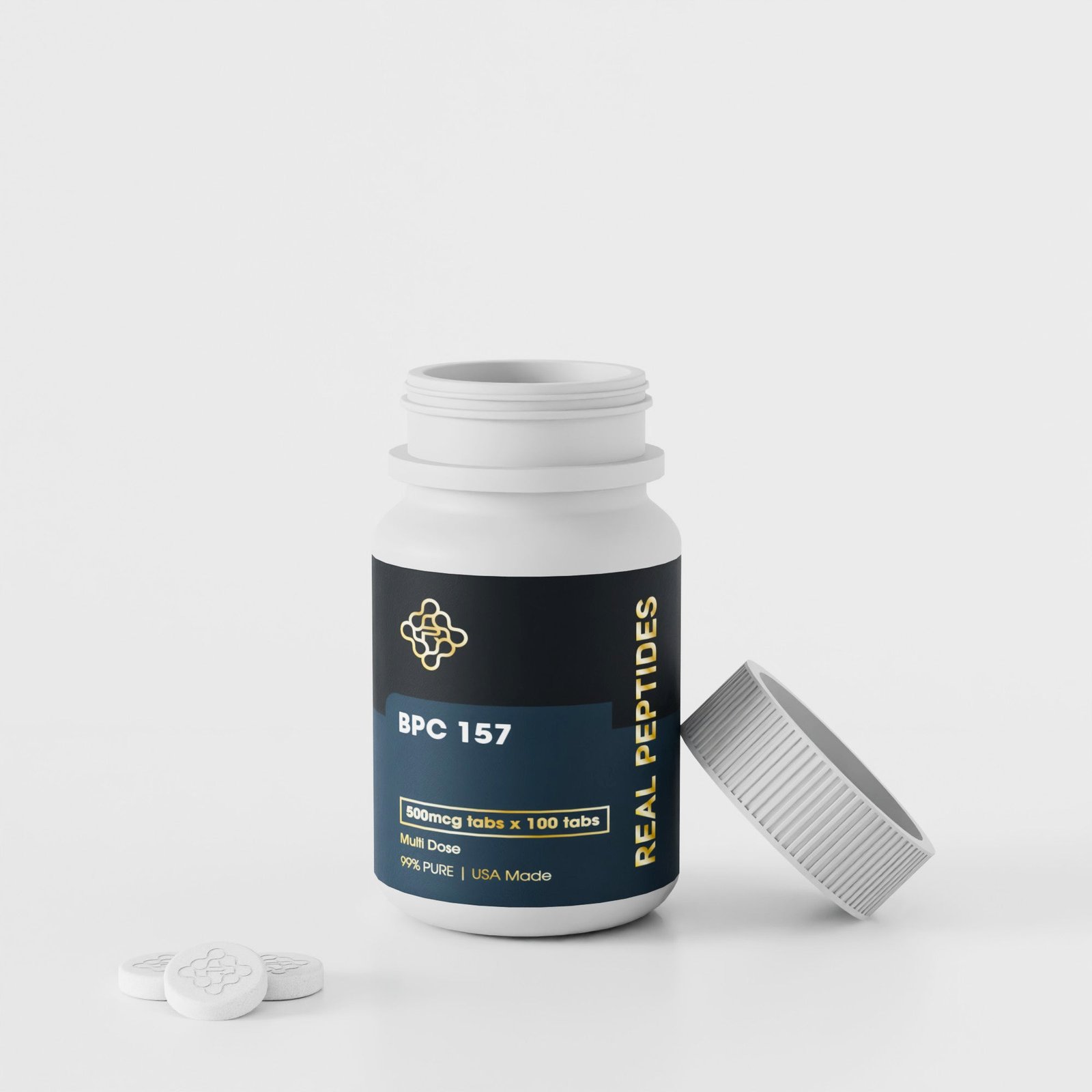
Buy BPC-157 500 mcg Capsules Online from SourceTides. CAS 137525-51-0 | GEPPPGKPADDAGLV | MW 1,419.56 g/mol | C₆₂H₉₈N₁₆O₂₂ | ≥99% HPLC purity | Endotoxin <1 EU/mg (LAL) | Content uniformity tested (500 mcg ± 5% per capsule) | Full CoA included | 60 capsules per bottle | Refrigerated dispatch. Gastric acid stable. WADA S0 prohibited. FDA Category 1 (February 2026). For in-vitro laboratory research use only. Not for human consumption.
Buy BPC-157 500 mcg Capsules Online | ≥99% Purity | CoA Included | SourceTides
Buy BPC-157 500 mcg Capsules Online from SourceTides.
BPC-157 (Body Protection Compound 157; CAS 137525-51-0) is a synthetic 15-amino acid pentadecapeptide derived from a partial sequence of the gastric protection protein found in human gastric juice.
Each capsule contains 500 mcg of lyophilised BPC-157 (≥99% HPLC purity) in an inert HPMC capsule shell — a dry, stable carrier that protects the peptide during transport, storage, and laboratory handling.
BPC-157 is one of the very few peptides with documented stability in gastric acid, making the capsule format uniquely viable as a research delivery vehicle compared to acid-sensitive peptides.
It is the most studied peptide for tissue repair, angiogenesis, and gastrointestinal cytoprotection in preclinical models, with over 30 years of published research by Sikiric and colleagues at the University of Zagreb.
For in-vitro laboratory and preclinical research use only. Not for human consumption.
BPC-157 500 mcg Capsules — Technical Specifications
| Parameter | Specification |
|---|---|
| Common Name | BPC-157 (Body Protection Compound 157) |
| Synonyms | Bepecin; PL 14736; BPC-15; PL-10; PLD-116; Gastric Pentadecapeptide BPC 157 |
| CAS Number | 137525-51-0 |
| Molecular Formula | C₆₂H₉₈N₁₆O₂₂ |
| Molecular Weight | 1,419.56 g/mol |
| PubChem CID | 108101 |
| Peptide Length | 15 amino acids (pentadecapeptide); linear; non-glycosylated; no disulfide bonds |
| Amino Acid Sequence | Gly-Glu-Pro-Pro-Pro-Gly-Lys-Pro-Ala-Asp-Asp-Ala-Gly-Leu-Val (GEPPPGKPADDAGLV) |
| Origin | Derived from human gastric juice Body Protection Compound (BPC) protein; partial sequence retains full cytoprotective activity |
| Primary Mechanisms | VEGFR2/eNOS angiogenesis; nitric oxide modulation; FAK-paxillin pathway (fibroblast migration); GH receptor upregulation; anti-inflammatory extracellular matrix remodelling |
| Gastric Acid Stability | Stable in human gastric juice (pH 1–2); unusual property enabling capsule/oral route viability for GI research; most peptides are rapidly degraded at low pH |
| Capsule Format | 500 mcg BPC-157 lyophilised peptide per HPMC (hydroxypropyl methylcellulose) size 0 capsule; inert capsule shell; no excipients, binders, or fillers |
| Capsule Count | 60 capsules per bottle (30 mg total BPC-157 per bottle) |
| Purity | ≥99% (RP-HPLC); identity confirmed by ESI-MS |
| Endotoxin | <1 EU/mg (LAL chromogenic assay) |
| Physical Form | White lyophilised powder in HPMC capsule |
| Storage | 2–8°C (refrigerated) or room temperature for short-term (up to 3 months if sealed and desiccated); protect from heat, light, and moisture; dry-ice cold chain not required for capsule form |
| Certificate of Analysis | Lot-specific CoA with every order; HPLC chromatogram + MS data + endotoxin result |
| Regulatory Status | Not FDA-approved for human use; moved to FDA Category 1 (February 2026) — compounding pharmacy access restored with physician prescription; research compound supplied for laboratory use only |
| WADA Status | Prohibited — WADA S0 (Non-Approved Substances); banned in-competition and out-of-competition since January 2022; no TUE available |
What Is BPC-157?
BPC-157 stands for Body Protection Compound 157. It is a synthetic 15-amino acid peptide. Scientists derived it from a partial sequence of a larger protective protein found naturally in human gastric juice. This parent protein plays a protective role in the GI tract. Researchers at the University of Zagreb, led by Professor Predrag Sikiric, identified that a specific 15-amino acid fragment retained the cytoprotective and regenerative properties of the full protein — and that this fragment was unusually stable compared to most peptides.
That stability is the key to BPC-157’s research significance. Most peptides are rapidly degraded by the acidic environment of the stomach (pH 1–2) and by gut peptidases. BPC-157 survives this environment. This makes it one of the very few peptides where the oral/capsule route is a scientifically viable delivery option for GI-targeted research — you can open a capsule into culture media, dissolve the content, and have a defined concentration of stable, active peptide.
Over 30 years of published preclinical research — primarily from Sikiric’s group in Croatia — documents BPC-157’s effects across an unusually wide range of biological systems: gastrointestinal mucosal healing, tendon and ligament repair, muscle healing, bone remodelling, nerve regeneration, wound healing, and cardiovascular protection. A 2025 peer-reviewed literature and patent review published in Pharmaceuticals (Józwiak et al.; PMC11859134) confirms BPC-157 as a compound with “pleiotropic beneficial effects” and a “desirable safety profile” across preclinical models. The primary limitation remains the same: the vast majority of data is from animal models, with only three small pilot human studies published to date.
The capsule format from SourceTides is specifically designed for GI-tract and oral administration research. Each capsule contains 500 mcg of ≥99% pure lyophilised BPC-157 in an inert HPMC shell — a research-ready, defined dose unit. When you buy BPC-157 500 mcg Capsules from SourceTides, every bottle includes a lot-specific Certificate of Analysis.
Why Capsule Format? BPC-157 Oral vs Injectable Research
BPC-157 is unique among research peptides in that both oral and injectable formats have genuine scientific rationale. The choice between them depends entirely on the research question you are asking.
Why BPC-157 Can Be Studied Orally
Most peptides cannot be studied via oral route in meaningful concentrations. Pepsin, HCl, and gut peptidases degrade them before they reach systemic circulation. BPC-157 is different. Sikiric’s group documented its stability in human gastric juice at physiological pH as early as the 1990s — it is more resistant to acid degradation than almost any other research peptide of its size. This is not a minor detail. It is the primary reason the capsule format exists as a legitimate research vehicle.
For GI-specific research — gastric ulcer models, intestinal mucosal healing, IBD-related inflammation, NSAID-induced damage, leaky gut models — the oral capsule route delivers BPC-157 directly to the tissue being studied. The peptide reaches mucosal cells in concentrations relevant to the research question without needing to survive systemic circulation first. This is the most physiologically relevant delivery route for gut biology research with BPC-157.
Oral Bioavailability Limitations
Oral bioavailability for BPC-157 is lower and more variable than SC or IP injection. While BPC-157 survives gastric acid better than most peptides, it still faces degradation by intestinal peptidases and variable mucosal absorption across individuals and models. A 2022 pharmacokinetics study published in PMC (PMC9794587; PMC full text) provided the first formal BPC-157 ADME data in rats and dogs, showing rapid systemic metabolism after absorption — with the parent peptide largely converted to amino acid metabolites within 1 hour of administration. For systemic endpoints (tendon healing, bone density, cardiovascular effects), injectable routes provide more reliable and quantifiable systemic exposure.
The research-design implication is straightforward: use capsules for GI and local oral delivery research. Use injectable BPC-157 for systemic endpoint studies. SourceTides supplies both formats — these BPC-157 500 mcg capsules for oral GI research, and BPC-157 injectable vials for SC/IP administration protocols.
How BPC-157 Works — Mechanisms of Action
Step 1 — VEGFR2 Activation and Angiogenesis
BPC-157’s most important and most studied mechanism is the promotion of angiogenesis — the formation of new blood vessels. Injured tissue heals slowly when blood supply is poor. Tendons, ligaments, and cartilage are naturally poorly vascularised — this is why they heal so slowly compared to muscle. BPC-157 addresses this directly by upregulating vascular endothelial growth factor (VEGF) and activating its primary receptor, VEGFR2. VEGFR2 activation triggers a downstream signalling cascade through the Akt-eNOS pathway, driving endothelial cell proliferation, migration, and tube formation — the three sequential events of new vessel growth.
Brcic et al. (2009; PubMed PMID: 20388964) showed that while BPC-157 did not promote angiogenesis in isolated cell cultures (no direct VEGF-independent effect on endothelial cells in vitro), it significantly upregulated VEGF, CD34, and FVIII expression in crushed muscle and transected tendon in vivo — tissue-specific angiogenesis that requires the full in-vivo environment. This distinction matters for research design: BPC-157’s angiogenic effect is indirect and context-dependent, not a direct receptor agonist in isolated endothelial cells.
Step 2 — Nitric Oxide (NO) System Modulation
BPC-157 interacts with the nitric oxide synthase (NOS) system — one of the most complex regulatory systems in biology, controlling vascular tone, platelet aggregation, immune function, and inflammation simultaneously. BPC-157 does not simply increase or decrease NO. It modulates the NO system toward physiological homeostasis: in conditions of excessive NO (which causes tissue damage via free radical formation), BPC-157 counteracts the cytotoxic actions. In conditions of deficient NO (which impairs healing and vascular function), BPC-157 restores productive NO signalling through eNOS activation.
Hsieh et al. (2020; Sci Rep; PubMed PMID: 33051618) demonstrated that BPC-157 modulates vasomotor tone through the Src-Caveolin-1-eNOS pathway in endothelial cells, explaining its cardiovascular stabilisation effects in animal models of haemodynamic disruption.
Step 3 — FAK-Paxillin Pathway and Fibroblast Migration
Tissue repair requires fibroblasts — the cells that produce collagen, the structural protein of tendons, ligaments, and extracellular matrix. Fibroblasts need to migrate into the wound site before they can start repairing it. BPC-157 activates the FAK (focal adhesion kinase) and paxillin signalling pathway, which controls cytoskeletal dynamics and cell motility. This directly accelerates fibroblast migration into injury sites. Chang et al. (2011) showed that BPC-157 significantly enhanced tendon fibroblast migration in scratch wound assays through this pathway, providing a direct cellular mechanism for the faster tendon healing observed in animal models.
Step 4 — Growth Hormone Receptor Upregulation
BPC-157 upregulates the expression of growth hormone receptors (GHR) in damaged tissue. This effectively amplifies the tissue’s sensitivity to circulating GH — the same GH present at baseline levels, but now with more receptors available to bind and activate healing responses. This mechanism explains why BPC-157’s effects extend beyond simple vascular biology into bone healing, muscle repair, and metabolic tissue remodelling — all areas where GH signalling plays a central regulatory role.
Step 5 — Gastrointestinal Cytoprotection and Mucosal Barrier Integrity
Given that BPC-157 is derived from a gastric protective protein, its GI effects are not surprising — but their breadth and potency in preclinical models are impressive. BPC-157 protects gastric mucosa against ethanol injury, NSAID damage, stress ulcers, and corrosive alkali burns. It accelerates healing of intestinal fistulas, repairs the tight junction barrier proteins that maintain gut permeability, and modulates the enteric nervous system. In oral capsule form, BPC-157 reaches the GI mucosa directly — making this the most pharmacologically rational format for gut-biology research with this compound.
BPC-157 Research Evidence
| Research Area | Evidence Level | Key Finding | Source |
|---|---|---|---|
| Gastric Mucosal Healing | Extensive in vivo (rodent models); review data | BPC-157 accelerated gastric mucosal healing, reduced lesion size, and maintained mucosal integrity in ethanol, NSAID, and stress-induced ulcer models; most evidence-rich domain across 30+ years | Sikiric et al. 2014 — PubMed PMID: 25415894 |
| Tendon / Ligament Healing | In vivo (rodent and rabbit models); fibroblast assays | Accelerated tendon-to-bone healing, enhanced fibroblast migration via FAK-paxillin pathway, increased collagen synthesis; angiogenesis upregulation in tendon models via VEGF/CD34/FVIII | Brcic et al. 2009 — PubMed PMID: 20388964 |
| Muscle Healing | In vivo (rodent muscle crush / transection models) | Improved healing in transected and crushed muscle models; increased myosin heavy chain expression; angiogenesis modulation via VEGF upregulation in injured tissue | Brcic et al. 2009 — PubMed PMID: 20388964 |
| Pharmacokinetics (first ADME study) | In vivo (rat and dog; first formal PK study) | First formal ADME analysis of BPC-157; rapidly metabolised to proline (86.65% of plasma radioactivity at 1h); metabolites enter normal amino acid pathways; no toxic metabolites identified | PMC9794587 — 2022 ADME Study |
| Multifunctionality Review (2025) | Systematic peer-reviewed literature and patent review | Comprehensive 2025 review confirmed pleiotropic beneficial effects across tissue injury, IBD, and CNS models; desirable safety profile; only a few side effects reported; calls for controlled human trials | Józwiak et al. 2025 — PMC11859134 |
| Nitric Oxide / Vascular | In vitro (endothelial cells) and in vivo | BPC-157 modulates vasomotor tone via Src-Caveolin-1-eNOS pathway; normalises NO production in ulcer models; counteracts both excessive and deficient NO signalling toward homeostasis | Hsieh et al. 2020 — PubMed PMID: 33051618 |
| Angiogenesis in Healing Tissue | In vivo (muscle and tendon models) + 2025 therapy review | Context-dependent angiogenic modulator — no direct in-vitro effect on isolated endothelial cells, but significant in-vivo VEGF/CD34 upregulation in injured tissue; controls both angiogenic and anti-angiogenic actions | Sikiric et al. 2025 — PMC12567428 |
| Human Pilot Studies | 3 small pilot human studies (intraarticular, IC, IV safety) | No adverse effects reported in three small pilot human studies (knee pain, interstitial cystitis, IV safety/PK); no large randomised controlled trials completed; major data gap | Józwiak et al. 2025 — PMC11859134 |
BPC-157 Pharmacokinetics for Research Design
| Parameter | Value / Notes | Research Implication |
|---|---|---|
| Systemic Half-Life | Short; parent peptide largely converted to proline (86.65% of plasma radioactivity at 1h post-dose); full ADME published 2022 | Biological effects persist well beyond plasma half-life; measure tissue endpoints (healing, angiogenesis) at days-to-weeks, not hours; downstream signalling cascades outlast peptide circulation |
| Gastric Stability | Stable in gastric juice at pH 1–2; unusually high acid resistance vs most peptides; documented since 1990s by Sikiric group | Enables capsule/oral format as a research-viable GI delivery route; meaningful fraction reaches GI mucosa intact; oral route appropriate for GI-specific research endpoints |
| Route of Administration | Oral (capsule; GI research); SC injection (systemic/local tissue); IP injection (rodent studies); IM and IV documented in preclinical models | Route selection is critical: oral for GI research, SC for systemic or localised musculoskeletal research; both have published preclinical protocols |
| Oral Bioavailability | Lower and more variable than parenteral routes; no formal human oral bioavailability % published; animal models show GI-local effects even with limited systemic absorption | For GI-targeted research, oral bioavailability debate is less relevant — local mucosal delivery is the mechanism; for systemic endpoints, use injectable format |
| Metabolites | Degraded to 6 identified metabolites (M1–M6) then to single amino acids including proline, glutamic acid, glycine; all naturally occurring; no novel toxic metabolites identified | Metabolite safety profile supports the benign preclinical safety pattern; proline as primary metabolite reflects the peptide’s high proline content (5 of 15 residues) |
| Validated Preclinical Doses | IP/SC: 10–100 µg/kg in most rodent studies; oral: 10 µg/kg and 10 ng/kg both produce effects in different models (very low doses active orally in some GI studies) | Wide active dose range; some GI models show effects at 10 ng/kg — much lower than injectable dose; run your own dose-response to establish effective concentration in your specific model |
| Room Temperature Stability | Lyophilised form stable at room temperature for up to 3 weeks (per manufacturer data); refrigerated for standard long-term storage | Capsule format does not require dry-ice cold chain — a practical advantage over injectable vials for short-transit shipping and handling |
BPC-157 Side Effects and Safety Profile
| Concern | Evidence | Protocol Note |
|---|---|---|
| Exceptional preclinical safety profile | LD50 not achieved even at 2 g/kg in mice (far beyond any research dose); only mild side effects reported across 30 years of preclinical data; no serious adverse events in 3 pilot human studies | Best-characterised safety profile of any major research peptide; absence of LD50 and no toxic metabolites are the two strongest safety signals; LD1 also not achieved per Sikiric group data |
| Mild nausea (at high doses) | Occasional; reported in some animal and community use reports; not observed in formal studies at standard research doses | Most common GI symptom; typically transient; associated with high doses; not observed in three pilot human studies at studied doses |
| Angiogenesis and tumour biology — theoretical concern | Theoretical; Józwiak et al. 2025 review raised concern about VEGF upregulation potentially supporting tumour angiogenesis; Sikiric group directly rebutted this (Sikiric et al. 2025; PMC12567428) with data showing BPC-157 actually inhibits tumour cell growth and VEGF signalling in melanoma cell lines via MAPK | Active scientific debate as of 2025; caution warranted in tumour biology models; not a confirmed risk but a genuine mechanistic debate worth noting in research protocols |
| WADA prohibition | Prohibited under S0 since January 2022; all forms (oral, injectable, topical); no TUE available; 2-year suspension documented for athletes in 2023 | Sport science researchers must design around this; do not supply to competitive athletes; detection window in urine is not publicly disclosed |
| Critical data gap: no large RCT | Only 3 small pilot human studies; no Phase 2/3 RCT; all major efficacy and safety claims rest on animal data | Treat animal safety data as reassuring but insufficient for full human risk characterisation; capsule format supplied for research, not personal use |
BPC-157 500 mcg Capsules — Quality Control at SourceTides
Every bottle of BPC-157 500 mcg capsules from SourceTides passes the following tests before release. Capsule format adds one additional QC step compared to vials: content uniformity testing confirms that each capsule contains the stated 500 mcg dose within ±5% tolerance.
| Test | Method | Specification | Why It Matters |
|---|---|---|---|
| Purity (bulk peptide) | RP-HPLC (C18; UV 220 nm) | ≥99% peak area purity | Tested on bulk peptide before encapsulation; confirms correct sequence before any filling process; includes impurity profiling for truncated sequences |
| Identity | ESI-MS ([M+H]⁺ = 1420.56 Da) | Confirmed MW 1,419.56 g/mol; full GEPPPGKPADDAGLV sequence | Confirms identity vs truncated variants; particularly important given BPC-157’s proline-rich sequence which can cause synthesis complications |
| Content Uniformity | HPLC assay on selected capsules from each fill batch | 500 mcg ± 5% per capsule (475–525 mcg acceptable range) | Capsule-specific QC step; confirms each research unit delivers a consistent and defined dose; critical for dose-response experiments requiring precise inter-capsule consistency |
| Endotoxin | LAL chromogenic assay | <1 EU/mg | Essential if capsules are opened for cell culture use; LPS contamination activates NF-κB and confounds BPC-157’s anti-inflammatory effects on mucosal cell lines |
| Capsule Shell | HPMC (hydroxypropyl methylcellulose); size 0; non-gelatin | Inert shell; no interaction with peptide; vegetarian/vegan compatible; no excipients or fillers | HPMC selected over gelatin for chemical inertness and moisture barrier properties; no binding agents that could alter peptide release or confound in-vitro assays |
| Appearance | Visual inspection | White powder fill; intact capsule; no visible clumping | Any yellow discolouration indicates peptide oxidation; any capsule damage indicates compromised moisture barrier |
| Certificate of Analysis | Lot-specific PDF | HPLC + MS + endotoxin + content uniformity + dates | Required for research traceability; content uniformity data unique to capsule format CoA |
BPC-157 Regulatory Status
| Jurisdiction | Status | Notes |
|---|---|---|
| USA (FDA) | Category 1 (restored February 2026); not FDA-approved for therapeutic use; research compound | HHS Secretary RFK Jr announced February 27, 2026 that BPC-157 returned to Category 1 among 14 peptides, restoring compounding pharmacy access with a physician’s prescription. This does NOT mean FDA approval — it means 503A/503B pharmacies can compound it again. No human clinical trial has been completed. SourceTides supplies research-grade for laboratory use only. |
| Australia (TGA) | Not listed on ARTG; unapproved therapeutic good | Not registered for therapeutic use. Research laboratory access only. Australian TGA has not followed the US 2026 reclassification. |
| United Kingdom (MHRA) | Unlicensed; not a controlled drug; research compound | No MHRA marketing authorisation. Not listed under the Misuse of Drugs Act 1971. |
| Canada (Health Canada) | Unapproved drug; research access only | Not a CDSA controlled substance. Not authorised for therapeutic sale. |
| European Union (EMA) | No EMA marketing authorisation; research use | No authorised medicinal product in any EU member state. |
| WADA | Prohibited — S0 (Non-Approved Substances); banned in-competition AND out-of-competition since January 2022 | BPC-157 is explicitly prohibited under WADA S0. No Therapeutic Use Exemption is available — TUE applies only to approved drugs. The WADA ban operates independently of the FDA reclassification. A professional athlete received a 2-year suspension for BPC-157 use in 2023. No form (oral, injectable, topical) is permitted. Sport scientists must account for this in all study designs involving competitive athletes. |
BPC-157 vs Related Tissue Repair Research Peptides
| Compound | Type / Mechanism | Primary Research Focus | Key Difference vs BPC-157 | SourceTides |
|---|---|---|---|---|
| BPC-157 Capsules | 15-AA gastric peptide; VEGFR2/NO/FAK | GI cytoprotection; tendon/ligament; angiogenesis; wound healing | — | Buy BPC-157 Capsules |
| BPC-157 Injectable Vials | Same peptide; SC/IP injectable format | Systemic tissue repair; musculoskeletal; higher systemic bioavailability | Same molecule; different route; injectable provides higher and more consistent systemic exposure; preferred for musculoskeletal and systemic research endpoints | Buy BPC-157 Vials |
| TB-500 (Thymosin Beta-4) | 43-AA thymic peptide; actin regulation | Wound healing; cardiac protection; anti-inflammatory; immune modulation | Different origin and mechanism — actin-binding vs VEGF/NO; broader anti-inflammatory profile; no GI cytoprotection data; frequently studied alongside BPC-157 in musculoskeletal repair protocols | Buy TB-500 |
| GHK-Cu (Copper Peptide) | Tripeptide-copper complex; collagen synthesis | Wound healing; skin/collagen; antioxidant; gene expression | Focuses on skin/connective tissue repair via copper-dependent mechanisms; no GI data; no VEGFR2 mechanism; complements BPC-157 in collagen biology research panels | Buy GHK-Cu |
| Epithalon | Tetrapeptide; pineal bioregulator; telomerase | Cellular ageing; telomere elongation; melatonin restoration | Different research domain — cellular ageing vs tissue repair; no tissue regeneration mechanism; studied alongside BPC-157 in longevity research protocols combining anti-aging and repair pathways | Buy Epithalon |
Peer-Reviewed References
| # | Citation | Link |
|---|---|---|
| 1 | Józwiak M et al. (2025). Multifunctionality and Possible Medical Application of the BPC 157 Peptide — Literature and Patent Review. Pharmaceuticals. 18(2):185. PMC11859134. | PMC11859134 |
| 2 | Sikiric P et al. (2025). BPC 157 Therapy: Targeting Angiogenesis and Nitric Oxide’s Actions. Comment on Józwiak et al. Pharmaceuticals. PMC12567428. | PMC12567428 |
| 3 | Pharmacokinetics, ADME of BPC157 in rats and dogs. First formal PK study. PMC. PMC9794587. 2022. | PMC9794587 |
| 4 | Brcic L et al. (2009). Modulatory effect of gastric pentadecapeptide BPC 157 on angiogenesis in muscle and tendon healing. J Physiol Pharmacol. PMID: 20388964. | PubMed PMID: 20388964 |
| 5 | Sikiric P et al. (2014). Stable gastric pentadecapeptide BPC 157 — NO-system relation. Curr Pharm Des. PMID: 25415894. | PubMed PMID: 25415894 |
| 6 | Hsieh MJ et al. (2020). BPC 157 modulates vasomotor tone via Src-Caveolin-1-eNOS pathway. Sci Rep. 10:17078. PMID: 33051618. | PubMed PMID: 33051618 |
| 7 | Wikipedia: BPC-157. Covers history, sequence, stability, regulatory status, WADA ban. | Wikipedia: BPC-157 |
| 8 | PubChem. BPC-157. Compound CID 108101. National Library of Medicine. | PubChem CID 108101 |
| 9 | Seiwerth S et al. (2018). BPC 157 and standard angiogenic growth factors. Gastrointestinal and musculoskeletal healing. Curr Pharm Des. 24:1972–1989. | PubMed PMID: 30027841 |
Frequently Researched Alongside BPC-157 Capsules
These compounds are commonly paired with BPC-157 in tissue repair, GI biology, and recovery research:
- BPC-157 Injectable Vials — same peptide in SC/IP injectable format; use alongside capsules for GI (oral) + systemic (injectable) dual-route research protocols
- TB-500 (Thymosin Beta-4) — actin-binding repair peptide; studied alongside BPC-157 in musculoskeletal and cardiac repair protocols as complementary mechanisms (VEGF/NO vs actin dynamics)
- GHK-Cu (Copper Peptide) — collagen synthesis and wound healing; complements BPC-157 in extracellular matrix and connective tissue research panels
- Sermorelin 10 mg — GHRH agonist; GH-IGF-1 axis activation enhances tissue repair potential; studied alongside BPC-157 in recovery biology research
- Ipamorelin 10 mg — GH secretagogue; frequently studied with BPC-157 in protocols combining GH axis activation with direct tissue repair peptide effects
Frequently Asked Questions
You can buy BPC-157 500 mcg capsules directly from SourceTides. Every bottle includes a lot-specific Certificate of Analysis with the RP-HPLC chromatogram (≥99% purity of bulk peptide), ESI-MS identity confirmation (MW 1,419.56 Da; full GEPPPGKPADDAGLV sequence), content uniformity data (500 mcg ± 5% per capsule confirmed), and the LAL endotoxin result (<1 EU/mg). Each bottle contains 60 capsules of 500 mcg each — 30 mg total BPC-157 per bottle.
The answer depends entirely on your research question. Capsules are the correct format for GI-specific research endpoints — gastric ulcer models, intestinal mucosal healing, IBD-related assays, NSAID-damage models, and tight junction biology. BPC-157’s unusual gastric acid stability means the capsule format delivers the peptide directly to the mucosal cells being studied in GI experiments. For these applications, capsules are not just convenient — they are the physiologically correct route. For systemic endpoints (tendon healing, bone repair, cardiovascular studies, muscle regeneration), injectable BPC-157 provides more reliable and quantifiable systemic bioavailability. SourceTides supplies both BPC-157 capsules and BPC-157 injectable vials.
To use BPC-157 from capsules in cell culture experiments: (1) Work in a laminar flow hood with standard aseptic technique. (2) Carefully open the HPMC capsule and empty the powder into a sterile microcentrifuge tube. (3) Add sterile PBS (pH 7.4) or sterile water to make a stock solution at your desired concentration. The powder dissolves readily. (4) Filter through a 0.22 µm syringe filter before adding to cell culture media. (5) Calculate your working concentration from the stated 500 mcg per capsule and your final volume. For direct GI mucosal cell assays, you can also dissolve the capsule content in simulated gastric fluid (pH 1.2) then adjust pH before cell exposure — this tests the peptide in the same conditions it would encounter in an oral GI model. Full reconstitution guidance is in the CoA included with every SourceTides BPC-157 capsule order.
Store BPC-157 capsules at 2–8°C (refrigerated) for long-term use. The lyophilised peptide inside is stable at room temperature for up to 3 weeks if the bottle remains sealed and desiccated — one practical advantage of capsule format over injectable vials, which require dry-ice shipping and strict −20°C storage. Keep the bottle tightly sealed. Do not expose to heat above 25°C or to direct light. Do not freeze the capsule bottle. The HPMC capsule shell provides a moisture barrier for the hygroscopic peptide inside, but moisture can still enter if the bottle is left open. All SourceTides BPC-157 capsules are shipped refrigerated.
The regulatory status of BPC-157 shifted significantly in early 2026. In the USA: BPC-157 was placed on the FDA Category 2 list in September 2023 (blocking compounding pharmacies), but was moved back to Category 1 on February 27, 2026, restoring compounding access with a physician prescription. As a research chemical for laboratory use, it is not a DEA controlled substance. In the UK: unlicensed but not a controlled drug. In Australia: unapproved therapeutic good, research access only. In Canada: unapproved new drug, research access. WADA prohibition remains in full effect in all jurisdictions regardless of the FDA reclassification — BPC-157 is banned for athletes under S0. SourceTides supplies for in-vitro laboratory research only. See the SourceTides shipping policy for dispatch details.
BPC-157 has one of the largest preclinical evidence bases of any research peptide — over 30 years of published data from Sikiric’s group at the University of Zagreb. Key findings:
GI cytoprotection: Accelerated healing of gastric ulcers in ethanol, NSAID, and stress-induced models across many studies.
Tendon and ligament healing: Dose-dependent acceleration of tendon-to-bone healing; FAK-paxillin fibroblast migration; VEGF/CD34 angiogenesis upregulation in tendon tissue.
Safety profile: LD50 not achieved even at 2 g/kg; LD1 also not achieved; no toxic metabolites identified in 2022 ADME study.
Human data: Only 3 small pilot human studies (intraarticular knee pain, interstitial cystitis, IV safety) — all reported no adverse events, but none were large controlled trials.
2025 status: A comprehensive literature review (Józwiak et al., Pharmaceuticals 2025) confirmed pleiotropic preclinical benefits and good safety profile, but called explicitly for controlled human trials before clinical adoption. All references are on the SourceTides BPC-157 product page.
BPC-157 has one of the cleanest safety profiles in preclinical research. The LD50 was not reached even at 2 g/kg in mice (a dose astronomically higher than any research protocol dose). Across 30+ years of animal studies, only mild effects have been reported — occasional nausea at high doses being the most common. No serious adverse events were reported in any of the three small pilot human studies. The 2022 ADME study confirmed that metabolites are standard amino acids (proline, glycine, glutamic acid) — no novel toxic compounds. The main theoretical concern, raised in a 2025 review, is whether BPC-157’s angiogenic mechanism could theoretically support tumour growth — this has been directly rebutted by Sikiric’s group with data showing anti-tumour effects in melanoma models. The key limitation: no large RCT means the full human safety profile is not yet characterised. All SourceTides BPC-157 capsules are for in-vitro research use only.
BPC-157 and TB-500 (Thymosin Beta-4) are the two most widely studied tissue repair research peptides and are often studied together — but they work through completely different mechanisms. BPC-157 promotes healing primarily through VEGFR2-mediated angiogenesis, nitric oxide modulation, and FAK-paxillin fibroblast migration. TB-500 works through actin dynamics regulation — it sequesters G-actin and promotes cell motility via a different cytoskeletal pathway. BPC-157 has particularly strong GI cytoprotection data (unique to its gastric origin). TB-500 has stronger anti-inflammatory and cardiac protection data. In musculoskeletal repair models, they are frequently combined for additive effects through complementary mechanisms. SourceTides supplies both BPC-157 capsules and TB-500.
Yes. BPC-157 has been WADA-prohibited under S0 (Non-Approved Substances) since January 1, 2022. This applies to all forms — oral capsule, injectable, and topical — both in-competition and out-of-competition. No Therapeutic Use Exemption is available. A professional combat sports athlete received a 2-year suspension for BPC-157 use in 2023. The February 2026 FDA reclassification (back to Category 1) does NOT affect the WADA prohibition — these are completely independent regulatory bodies. Purchasing BPC-157 as a research compound from SourceTides for in-vitro laboratory use is legal. Administering it to competitive athletes or supplying it to someone for athletic performance is a WADA violation. Sport scientists must account for this in their study designs and participant eligibility criteria. See the SourceTides shipping policy for purchase information.
On February 27, 2026, HHS Secretary Robert F. Kennedy Jr. announced that BPC-157 would be moved from FDA Category 2 back to Category 1, alongside 13 other peptides. This reverses the September 2023 Category 2 classification that had blocked US 503A and 503B compounding pharmacies from producing BPC-157. The reclassification restores compounding pharmacy access — meaning a physician in the USA can now prescribe compounded BPC-157 preparations from a licensed 503A/503B pharmacy. This is important context but it does not mean FDA approval. No human clinical trial for BPC-157 has been completed. FDA approval requires controlled trial evidence of safety and efficacy. The Category 1 reclassification simply removes the compounding restriction. WADA prohibition is unaffected. SourceTides supplies research-grade BPC-157 capsules for laboratory research use only — not as a compounded pharmaceutical. Contact us via the SourceTides contact page for research procurement enquiries.
SourceTides accepts Visa, Mastercard, American Express, cryptocurrency, and bank transfers for institutional orders. All payments go through secure, encrypted gateways. For institutional purchase orders, bulk research procurement, or custom quantities, contact the team via the SourceTides contact page. Orders are reviewed for research compliance before dispatch.
Research Use Only
All SourceTides products, including BPC-157 500 mcg Capsules (CAS 137525-51-0), are for in-vitro laboratory and preclinical research use only. They are not approved by the FDA, EMA, TGA, or Health Canada for human therapeutic use. They are not for human consumption. BPC-157 is WADA-prohibited under S0 in all forms. By purchasing, the buyer confirms authorised researcher status and accepts responsibility for regulatory compliance.
| Weight | 0.05 lbs |
|---|---|
| Dimensions | 8 × 5 × 5 in |
| Purity | ≥99% (HPLC-verified bulk peptide) |
| Dose per Capsule | |
| Capsule Count | |
| CAS Number | 137525-51-0 |
Related products
Immune & Antimicrobial Peptides
Thymalin Peptide 10 mg Online | Thymic Bioregulator | ≥99% Purity | CoA | SourceTides
Fat Loss & Metabolic Support Peptides
MOTS-c Peptide Online | 10 mg Research Grade ≥99% Purity | SourceTides
Cognitive & Mood Support
Pinealon Peptide 10 mg Online | EDR Tripeptide | ≥99% Purity | CoA | SourceTides
Cognitive & Mood Support
DSIP Peptide | Delta Sleep-Inducing Peptide | ≥99% Purity | CoA | SourceTides