

$59.99
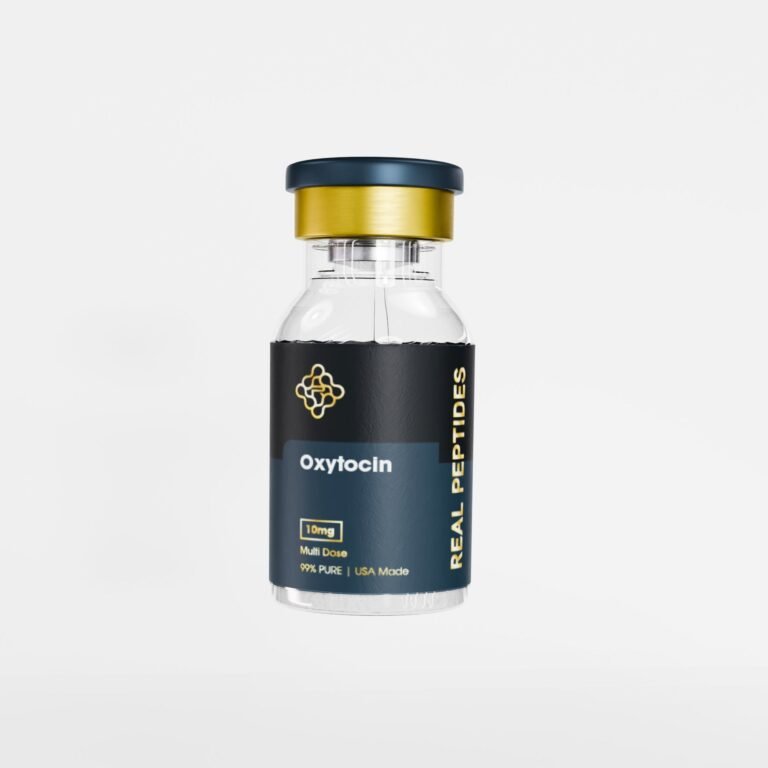
Buy Oxytocin Peptide 10 mg Online from SourceTides. CAS 50-56-6 | Cys-Tyr-Ile-Gln-Asn-Cys-Pro-Leu-Gly-NH₂ | MW 1,007.19 g/mol | C₄₃H₆₆N₁₂O₁₂S₂ | ≥99% HPLC | Disulfide bond intact (Cys¹–Cys⁶; confirmed by ESI-MS −2 Da) | Vasopressin separation confirmed (≤0.5%) | Endotoxin <1 EU/mg (LAL) | Full CoA | Lyophilised | Dry-ice cold chain.
Endogenous cyclic nonapeptide. OXTR (Gq/11) agonist. FDA-approved as Pitocin for obstetric use. 1 IU ≈ 2 µg. Plasma t½ 1–6 min IV; ~2h intranasal. Amygdala fear modulation (Kirsch 2005). Social recognition (Ferguson 2000). SOFIA ASD trial null result (2019) — evidence limitations clearly documented. Not WADA-prohibited. For in-vitro laboratory research use only. Not for human consumption.
Buy Oxytocin Peptide 10 mg Online | CAS 50-56-6 | Cyclic Nonapeptide | OXTR Research | ≥99% Purity | CoA | SourceTides
Buy Oxytocin Peptide 10 mg Online from SourceTides.
Oxytocin (CAS 50-56-6; Pitocin; Syntocinon) is an endogenous cyclic nonapeptide hormone and neuropeptide synthesised in the hypothalamic paraventricular and supraoptic nuclei and stored in the posterior pituitary.
It consists of nine amino acids — Cys-Tyr-Ile-Gln-Asn-Cys-Pro-Leu-Gly-NH₂ — with a critical disulfide bridge between Cys¹ and Cys⁶ that creates a cyclic ring structure essential for OXTR receptor binding.
The C-terminal glycine amide completes the structural requirements for receptor activation.
Synthetic oxytocin is FDA-approved as Pitocin for labour induction and postpartum haemorrhage management.
It is not approved for any neuropsychiatric, social cognition, or autism spectrum indications — and many early promising findings in these areas have not replicated consistently in larger, more rigorous trials.
Oxytocin’s research profile spans social cognition, bonding behaviour, amygdala fear-response modulation, autism spectrum disorder, pain processing, and stress-HPA axis regulation.
This profile rests on a substantial published evidence base — but one with notable replication challenges that researchers must understand before designing studies.
Every SourceTides vial is lyophilised, tested at ≥99% HPLC purity with disulfide bond integrity confirmed, and ships with a full lot-specific Certificate of Analysis.
For in-vitro laboratory research use only. Not for human consumption.
Oxytocin Peptide 10 mg — Technical Specifications
| Parameter | Specification |
|---|---|
| Common Name | Oxytocin |
| Brand Names (pharmaceutical) | Pitocin; Syntocinon; Induxin |
| CAS Number | 50-56-6 |
| Molecular Formula | C₄₃H₆₆N₁₂O₁₂S₂ |
| Molecular Weight | 1,007.19 g/mol |
| PubChem CID | 439302 |
| Peptide Length | 9 amino acids (nonapeptide); cyclic via Cys¹–Cys⁶ disulfide bridge; C-terminal glycine amide (–Gly-NH₂) |
| Full Sequence | Cys-Tyr-Ile-Gln-Asn-Cys-Pro-Leu-Gly-NH₂ (cyclic disulfide Cys¹–Cys⁶) |
| Critical Structural Features | Cys¹–Cys⁶ disulfide bridge (essential for OXTR binding — linearised oxytocin is inactive); C-terminal –Gly-NH₂ amide (required for OXTR activation); six-residue cyclic ring + three-residue linear tail |
| Receptor | OXTR (Oxytocin Receptor; Class A GPCR; primarily Gq/11-coupled); PLC→IP₃→Ca²⁺ cascade; also Gi/o-coupled in some tissue contexts |
| Vasopressin Cross-Reactivity | Differs from vasopressin (AVP) by only 2 amino acids (positions 3 and 8); some cross-reactivity with V1aR and V1bR at high concentrations; critical research design consideration for selectivity assays |
| Potency Conversion | 1 IU ≈ 2 µg pure synthetic oxytocin |
| Plasma Half-Life | 1–6 minutes (IV); ~2 hours (intranasal — partially due to CNS depot effect); rapidly degraded by plasma oxytocinases |
| Origin | Endogenous — synthesised in hypothalamic PVN and SON neurons; transported to posterior pituitary for systemic release; also released centrally from axon collaterals and dendrites in CNS |
| Physical Form | White lyophilised powder; hygroscopic |
| Purity | ≥99% (RP-HPLC); disulfide bond integrity confirmed by non-reducing MS; identity by ESI-MS |
| Endotoxin | <1 EU/mg (LAL chromogenic assay) |
| Solubility | Freely soluble in water and PBS pH 7.4; 1 mg/mL stock recommended; avoid freeze-thaw; do not expose to reducing agents (DTT, β-ME, TCEP) which break the disulfide bond |
| Storage — Lyophilised | −20°C long-term (stable 24 months); 2–8°C short-term; protect from moisture and light; equilibrate sealed vial to room temperature before opening |
| Storage — Reconstituted | 2–8°C for up to 7 days; −20°C for longer; aliquot for single use; avoid freeze-thaw cycles |
| Certificate of Analysis | Lot-specific CoA with every order; HPLC + ESI-MS (disulfide intact confirmed; MW 1007.19 Da) + endotoxin |
| FDA Status | Approved as Pitocin (IV) for labour induction and postpartum haemorrhage; approved as Syntocinon (intranasal) in some jurisdictions for breastfeeding; NOT approved for neuropsychiatric indications; research-grade powder is not the pharmaceutical formulation |
| WADA Status | Not listed on 2024–2025 WADA Prohibited List; endogenous hormone; not prohibited |
What Is Oxytocin?
Oxytocin is a cyclic nonapeptide hormone produced by the hypothalamus — specifically by magnocellular neurons in the paraventricular nucleus (PVN) and supraoptic nucleus (SON).
These neurons project axons to the posterior pituitary gland, where oxytocin is stored in large dense-core vesicles and released into systemic circulation in response to physiological stimuli: uterine distension during labour, nipple stimulation during breastfeeding, and social-sensory inputs.
Centrally, oxytocin also acts as a neuropeptide.
Parvocellular PVN neurons project widely throughout the CNS — to the amygdala, hippocampus, brainstem, spinal cord, and reward circuits — releasing oxytocin directly within the brain rather than from the pituitary.
This central oxytocin release is the biological substrate for the hormone’s social, emotional, and cognitive effects in research.
The structure is defined by its Cys¹–Cys⁶ disulfide bridge, which creates a six-residue cyclic ring (the pharmacophore for OXTR binding) and a three-residue C-terminal tail (Pro-Leu-Gly-NH₂) that extends linearly.
This cyclic-plus-tail architecture is conserved across vertebrate evolution — virtually all mammalian species produce an oxytocin-like peptide with the same disulfide-defined ring structure.
The disulfide bond is not a post-processing addition: it is essential for the receptor-binding conformation.
Linearised (reduced) oxytocin does not activate OXTR.
Synthetic oxytocin (Pitocin, Syntocinon) is structurally identical to the endogenous peptide.
The pharmaceutical formulations are aqueous solutions of the same molecule; research-grade lyophilised oxytocin powder reconstituted in sterile water produces the same chemical entity.
When you buy Oxytocin Peptide 10 mg from SourceTides, you receive ≥99% HPLC-pure synthetic oxytocin with disulfide integrity confirmed by non-reducing ESI-MS.
Oxytocin vs Vasopressin: The Two-Amino-Acid Distinction That Matters for Research Design
Oxytocin and arginine vasopressin (AVP) are homologous nonapeptides that diverged from a common ancestral gene approximately 500 million years ago.
They differ at only two positions: Phe³ in vasopressin is Ile³ in oxytocin; Arg⁸ in vasopressin is Leu⁸ in oxytocin.
This similarity has direct consequences for research design.
At high concentrations, oxytocin cross-activates vasopressin V1aR and V1bR receptors.
Studies demonstrating “oxytocin effects” that used high doses may be partially mediated by vasopressin receptor cross-activation rather than OXTR selectivity.
This is a common source of non-replication in the literature.
| Property | Oxytocin | Vasopressin (AVP) |
|---|---|---|
| Sequence | Cys-Tyr-Ile-Gln-Asn-Cys-Pro-Leu-Gly-NH₂ | Cys-Tyr-Phe-Gln-Asn-Cys-Pro-Arg-Gly-NH₂ |
| Primary receptor | OXTR (Gq/11) | V1aR (Gq/11); V1bR; V2R (Gs) |
| Primary physiological roles | Labour, lactation, social bonding, uterine contraction | Water retention, blood pressure, stress (HPA axis), memory |
| Cross-reactivity concern | Activates V1aR/V1bR at high concentrations — confounds OXTR-attribution studies | Activates OXTR at high concentrations — same confounder in reverse |
| Research design implication | Use OXTR-selective antagonist (e.g. L-368,899) as control; use lowest effective dose to minimise vasopressin cross-reactivity | Use V1aR/V1bR-selective antagonists to dissect vasopressin-specific effects |
| Plasma half-life | 1–6 min (IV); ~2 h (intranasal) | 10–20 min (IV) |
How Oxytocin Works — Receptor Mechanism and Downstream Signalling
OXTR Binding and Gq/11 Signalling Cascade
OXTR is a Class A G protein-coupled receptor (GPCR) that couples primarily to Gq/11 heterotrimeric G proteins.
It is expressed in uterine myometrium, mammary gland myoepithelial cells, brain (amygdala, hippocampus, nucleus accumbens, hypothalamus, brainstem), kidney, heart, and immune cells.
The tissue-dependent expression pattern explains why oxytocin produces highly context-specific effects despite operating through one primary receptor.
Oxytocin binding triggers Gq/11 activation, which stimulates phospholipase C-β (PLCβ).
PLCβ cleaves PIP₂ (phosphatidylinositol 4,5-bisphosphate) into IP₃ (inositol trisphosphate) and DAG (diacylglycerol).
IP₃ releases Ca²⁺ from the endoplasmic reticulum; DAG activates protein kinase C (PKC).
The resulting intracellular calcium surge is the primary effector signal for oxytocin’s uterine contractile effects.
In the CNS, the same Ca²⁺ cascade modulates neurotransmitter release and synaptic plasticity.
OXTR also couples to Gi/o in some neural contexts, contributing to longer-term synaptic effects through cAMP modulation.
Central Amygdala: Fear and Anxiety Modulation
The amygdala effect is the most robustly documented CNS mechanism of oxytocin.
Kirsch et al. (2005; J Neurosci; PMID: 16237109) demonstrated via fMRI that intranasal oxytocin (24 IU) reduced amygdala activation in response to fear-inducing social stimuli and attenuated amygdala–brainstem coupling.
This was the landmark paper establishing a biological basis for oxytocin’s anxiolytic and social facilitation effects.
OXTR is expressed in the basolateral amygdala (BLA) and central amygdala (CeA).
Oxytocin activates GABAergic interneurons in these regions, increasing inhibitory tone on fear-processing circuits.
The net result is attenuated threat-signal processing without impairing non-threatening social recognition — a functional specificity that made the 2005 findings compelling.
Important caveat: replication studies have been mixed.
Some laboratories have replicated the amygdala attenuation; others have not.
The effect appears sensitive to dose, timing, individual baseline oxytocin levels, social context of the experiment, and subject characteristics.
This variability explains a significant fraction of the inconsistency in the broader intranasal oxytocin literature.
Dopaminergic Reward and Social Reinforcement
Oxytocin projections from PVN reach the ventral tegmental area (VTA) and nucleus accumbens (NAc) — the core nodes of the mesolimbic dopamine reward pathway.
In these regions, oxytocin enhances dopaminergic neurotransmission, amplifying the rewarding salience of social stimuli.
This mechanism is the proposed biological basis for pair bonding, maternal attachment, and social reward in oxytocin research.
Prairie vole models (which use OXTR and D2 receptor co-activation for pair bond formation) provided compelling animal evidence.
Human analogue research has been more variable.
Uterine Contraction, Lactation, and Peripheral Physiology
Oxytocin’s best-characterised and FDA-approved physiological role is uterine contraction.
OXTR density in uterine myometrium increases dramatically during late pregnancy, and Ca²⁺-dependent smooth muscle contraction is initiated by OXTR Gq/11-PLCβ-IP₃ signalling.
This is the mechanism underlying Pitocin’s use for labour induction.
For lactation, oxytocin released by nipple stimulation contracts myoepithelial cells around mammary alveoli, driving milk ejection (the let-down reflex).
Intranasal Syntocinon is approved in some countries specifically for this indication.
These obstetric and lactation mechanisms are the compound’s most clinically validated biology.
For research purposes, in-vitro uterine contractility and mammary gland studies represent the most reproducible and mechanistically well-understood applications of oxytocin.
The Evidence and the Replication Problem: An Honest Assessment
Where the Evidence Is Robust
Uterine contraction and labour augmentation: multiple RCTs and decades of clinical use confirm efficacy; mechanism fully characterised (OXTR Gq/11-PLCβ-Ca²⁺ in myometrium).
Lactation (milk ejection reflex): mechanistically well-understood; myoepithelial OXTR activation; approved clinical use via Syntocinon intranasal in multiple countries.
Amygdala fear-response attenuation in brain imaging studies: initial Kirsch 2005 findings have been partially replicated in some (not all) subsequent fMRI studies; the amygdala mechanism is the best-supported CNS effect in imaging research, but effect sizes are variable and context-dependent.
Rodent social behaviour: highly consistent — prairie vole pair bonding, maternal behaviour, social recognition memory, social reward enhancement. Animal data is the most reproducible domain of oxytocin research.
Where Replication Has Been Problematic
Autism spectrum disorder (ASD): early single-site trials showed improvements in social cognition and communication.
However, the SOFIA trial (Gp, 2019; JAMA) — a large, multicentre, rigorously powered RCT — found no significant improvement in social responsiveness after 6 months of intranasal oxytocin in children with ASD.
This was a high-quality null result that substantially revised the field’s optimism.
Trust and prosocial behaviour (the “love hormone” narrative): Kosfeld et al. (2005; Nature) reported that intranasal oxytocin increased monetary trust in an economic game — a finding that generated enormous media attention.
Multiple laboratories have subsequently failed to replicate this result with larger, pre-registered samples.
Anxiety reduction in humans: small early studies showed consistent anxiolytic effects; meta-analyses of the full literature show highly heterogeneous results with publication bias likely inflating positive findings.
The replication problems likely stem from several interacting factors: underpowered early studies (many N<30); publication bias toward positive results; uncertainty about CNS penetration of intranasal oxytocin; individual variation in endogenous oxytocin levels; dose inconsistency; and context-dependence of oxytocin’s effects (it appears to amplify the salience of social context rather than uniformly increasing prosocial behaviour).
Oxytocin Research Evidence
| Research Domain | Evidence Level | Key Finding | Source |
|---|---|---|---|
| Labour induction and augmentation | FDA-approved; multiple RCTs; clinical standard of care | IV oxytocin (Pitocin) effectively induces and augments labour via uterine OXTR Gq/11-PLCβ-Ca²⁺ mediated myometrial contraction; most extensively validated clinical application | FDA NDA; clinical obstetric literature |
| Amygdala attenuation (fMRI) | Human neuroimaging (Kirsch et al. 2005); partially replicated | Intranasal oxytocin (24 IU) reduced amygdala activation to threat stimuli and attenuated amygdala–brainstem coupling vs placebo; foundational CNS evidence for social-anxiety modulation; replication inconsistent across laboratories | Kirsch et al. 2005 — J Neurosci — PMID: 16237109 |
| Social recognition memory (rodents) | In vivo (OXTR knockout mice; exogenous OT administration) | OXTR knockout mice show severely impaired social recognition memory (cannot distinguish novel from familiar conspecifics); exogenous oxytocin restores social memory; confirms OXTR-dependent social cognition mechanism | Ferguson et al. 2000 — Nature Genet — PMID: 10760944 |
| Pair bonding (prairie voles) | In vivo (prairie vole monogamy model) | OXTR blockade prevents pair bond formation in prairie voles; exogenous oxytocin facilitates partner preference; co-activation of OXTR and D2 dopamine receptors required; foundational animal model for bonding biology | Insel & Hulihan 1995 — Behav Neurosci — PMID: 9177249 |
| ASD social cognition — large RCT (null) | Phase 2 RCT (SOFIA trial; n=290; multicentre; 6 months) | No significant improvement in Social Responsiveness Scale score vs placebo after 6-month daily intranasal oxytocin in children with ASD; high-quality null result; substantially revised field’s expectations for ASD indication | Gp et al. 2019 — JAMA — PMID: 31566237 |
| Pain modulation — analgesic effect | In vivo (rodent pain models) + some human data | Oxytocin reduces pain sensitivity in rodent models via spinal cord OXTR activation; inhibits nociceptive transmission in dorsal horn; human data shows intranasal OT modulates pain perception; consistent animal evidence; human data preliminary | Eliava et al. — multiple rodent pain studies |
| Trust increase (widely cited; failed replication) | Original: single-site RCT (Kosfeld 2005; Nature); replication: multiple pre-registered failures | Kosfeld et al. (2005; Nature) reported intranasal oxytocin increased monetary trust; subsequent larger pre-registered replication attempts have not confirmed the finding; caution required when citing this effect | Kosfeld et al. 2005 — Nature — PMID: 15931222 |
| Maternal behaviour | In vivo (multiple mammalian species; OXTR knockout models) | Oxytocin is required for onset of maternal behaviour in many species; OXTR knockout female mice show severely impaired maternal care and pup retrieval; central OT release at parturition initiates maternal behaviour cascade | Numan & Insel — Neurobiology of Parental Behavior |
What Is Oxytocin Used for in Research?
| Research Field | Application | Evidence Quality | Research Notes |
|---|---|---|---|
| Uterine contractility | In-vitro myometrium contraction assays; OXTR pharmacology; Ca²⁺ signalling; MMP secretion; preterm labour models | Highest — FDA-approved clinical mechanism fully characterised | Most reproducible in-vitro oxytocin biology; OXTR-Ca²⁺ cascade well-characterised; use OXTR antagonist (atosiban) as pharmacological control to confirm OXTR-specific contractility |
| Amygdala and fear biology | BLA/CeA OXTR pharmacology; GABAergic interneuron activation; fear conditioning; anxiety models | Moderate — mechanistically supported; inconsistent human replication | Use selective OXTR antagonist controls; measure OXTR expression in target tissue first; dose-response essential — high doses activate vasopressin receptors confounding OXTR attribution |
| Social recognition and memory | OXTR knockout models; social novelty paradigms; rodent social recognition memory; olfactory bulb OXTR | Strong (rodents) — Ferguson 2000 OXTR-KO model highly reproducible | OXTR-KO mouse is the definitive tool; compare social recognition with/without OXTR and with exogenous OT rescue; olfactory bulb OXTR role in social chemosensory processing well-established |
| Pair bonding and attachment | Prairie vole models; NAc OXTR-D2 co-activation; partner preference assays; maternal behaviour | Strong (animal models) | Prairie vole (Microtus ochrogaster) is the validated model; high NAc OXTR density vs promiscuous vole species; use alongside dopamine receptor antagonists to map OXTR-D2 co-activation requirements |
| Pain modulation research | Spinal cord OXTR; dorsal horn nociception; rodent inflammatory pain; CFA and formalin models | Moderate-strong (rodents); human data preliminary | Intrathecal oxytocin has well-documented analgesic effects in rodents; spinal OXTR activation inhibits nociceptive dorsal horn neurons; emerging human intrathecal data |
| HPA stress axis | Cortisol response attenuation; CRF-ACTH-cortisol cascade modulation; stress resilience models; amygdala-HPA feedback | Moderate — animal data consistent; human results variable | Oxytocin attenuates HPA axis responsiveness to stressors in rodents; studied alongside Selank Amidate and DSIP for comparative HPA modulation research |
| OXTR receptor pharmacology | OXTR binding assays; IP₃/Ca²⁺ signalling; β-arrestin recruitment; receptor internalisation; OXTR-AVPR cross-reactivity pharmacology | Strong — molecular pharmacology well-established | Oxytocin is the essential positive control for any OXTR assay; use alongside selective OXTR antagonists (L-368,899; atosiban) to confirm receptor selectivity; always include vasopressin cross-reactivity control at equivalent molar concentrations |
| Cardiovascular biology | Cardiac OXTR; cardioprotection; cardiomyocyte differentiation; post-MI recovery | Moderate-emerging | Cardiac OXTR expression established; oxytocin has been shown to reduce infarct size and cardiomyocyte apoptosis in rodent I/R models; studied alongside BPC-157 for combined cardiac protection research |
Oxytocin Pharmacokinetics and Research Design
| Parameter | Value / Notes | Research Implication |
|---|---|---|
| IV plasma half-life | 1–6 minutes; rapid degradation by plasma oxytocinases (leucyl–cystinyl aminopeptidase and vasopressinase) | For in-vivo systemic studies: IV infusion (not bolus) maintains stable plasma concentrations; bolus produces brief transient exposure; measure endpoints within 15 minutes of administration for peak-effect capture |
| Intranasal half-life | ~2 hours effective duration; partially due to mucosal depot and possible direct olfactory-nerve CNS transit | Intranasal route is standard for behavioural and neuroimaging human research; CNS penetration is debated — some studies show elevated CSF oxytocin after intranasal, others do not; design should not assume brain delivery is confirmed |
| CNS penetration controversy | Active debate — intranasal oxytocin may act peripherally (vagal afferents) rather than crossing the BBB directly; some human CSF studies show CNS elevation post-intranasal, others do not | Critical for human research design: if intranasal oxytocin does not reliably reach the CNS, observed behavioural effects may be peripherally mediated; include peripheral OXTR controls; prefer intracerebroventricular (ICV) route for definitively central effects in animal studies |
| Human research dose | Most published human neuroimaging and social cognition studies: 24–40 IU intranasal (48–80 µg); 24 IU is the Kirsch 2005 standard dose | Do not assume dose proportionality — high doses (40+ IU) may activate vasopressin receptors; standard 24 IU dose minimises cross-reactivity while producing CNS effects in positive studies |
| Rodent SC dose range | 0.1–1 mg/kg SC in published rodent behavioural studies; ICV: 0.1–1 µg for central effects; intrathecal: 0.3–3 µg for spinal pain studies | For definitively central effects in rodents: use ICV administration rather than systemic injection; systemic oxytocin has poor CNS penetration in rodents as well (blood-brain barrier limits peptide entry); always include OXTR antagonist control |
| In-vitro concentration | 1 nM – 1 µM for cell culture OXTR assays; 10–100 nM for uterine contractility studies; 1–10 nM for neuronal culture studies | Always confirm OXTR expression in your cell line before assuming published concentrations apply; run dose-response; include OXTR-negative cell line as negative control; verify vasopressin receptor expression to identify potential cross-activity at higher concentrations |
| Disulfide handling | Cys¹–Cys⁶ disulfide is essential; reducing agents (DTT, β-ME, TCEP) will linearise and inactivate; reducing conditions in cell culture media can also gradually reduce the disulfide | Do not include reducing agents in any buffer; avoid serum-free media containing β-ME; verify disulfide integrity on your lot CoA (ESI-MS; non-reducing conditions); the −2 Da cyclic disulfide form is active |
Oxytocin Quality Control at SourceTides
Every batch of Oxytocin Peptide 10 mg from SourceTides passes these tests before release.
The disulfide bond integrity confirmation is the defining QC element — linearised (reduced) oxytocin does not activate OXTR.
| Test | Method | Specification | Why It Matters |
|---|---|---|---|
| Purity | RP-HPLC (C18; UV 220 nm) | ≥99% peak area | Separates cyclic (disulfide-intact; active) from linear (reduced; inactive) oxytocin and from related nonapeptides including vasopressin (HPLC resolves the 2-amino-acid difference); ≥99% confirms active form dominates |
| Disulfide Bond Integrity | ESI-MS under non-reducing conditions; −2 Da (cyclic disulfide) vs linearised diSH form | MW confirmed 1007.19 Da (cyclic); linearised form at 1009.19 Da would indicate disulfide loss | Linearised oxytocin does not activate OXTR — the disulfide bridge is required for the receptor-binding conformation; the −2 Da mass confirmation is the definitive test; same principle as AOD-9604 and AHK-Cu disulfide QC |
| Vasopressin Separation | RP-HPLC with vasopressin reference standard co-injection | Vasopressin peak ≤0.5% of total; confirmed separate retention time from oxytocin | Vasopressin contamination in oxytocin preparations would activate V1aR/V1bR in addition to OXTR — directly confounding receptor selectivity claims in social cognition and social behaviour research; this QC test is unique to oxytocin among peptide compounds |
| Endotoxin | LAL chromogenic assay | <1 EU/mg | LPS activates inflammatory signalling in neuronal and uterine cells; endotoxin confounds uterine contractility assays and neuroinflammation studies |
| Appearance | Visual inspection | White lyophilised powder; no discolouration or clumping | Discolouration may indicate Tyr² oxidation (tyrosine is susceptible to phenol oxidation under light or oxidative stress); yellow/brown tint requires re-inspection of the batch |
| Certificate of Analysis | Lot-specific PDF | HPLC + MS (1007.19 Da; disulfide intact −2 Da confirmed) + vasopressin separation + endotoxin + dates | Vasopressin separation is the unique CoA element for oxytocin not required for other peptides; essential documentation for OXTR selectivity research |
Oxytocin Regulatory Status
| Jurisdiction | Status | Notes |
|---|---|---|
| USA (FDA) | FDA-approved as Pitocin (IV; labour induction and postpartum haemorrhage); not approved for any neuropsychiatric, ASD, or social cognition indication; research-grade lyophilised powder is not the pharmaceutical formulation | Synthetic oxytocin for obstetric use is a Schedule Rx drug when dispensed as Pitocin. Research-grade lyophilised powder for laboratory use is not a DEA controlled substance. SourceTides supplies for in-vitro laboratory research only — not as Pitocin or any pharmaceutical. |
| European Union (EMA) | EMA-approved as Syntocinon (IV/IM) for labour induction; Syntocinon nasal spray approved in some EU member states for breastfeeding support; not approved for neuropsychiatric indications | Pharmaceutical formulations are Rx-only. Research-grade powder for laboratory research: no controlled substance restriction in EU member states for legitimate laboratory research purposes. |
| Australia (TGA) | TGA-registered as Syntocinon; Schedule 4 (Prescription Only Medicine); research-grade for laboratory access | Schedule 4 classification applies to pharmaceutical formulations. Laboratory research access for appropriately authorised institutions. |
| United Kingdom (MHRA) | MHRA-licensed (Syntocinon, Oxytocin); POM (Prescription Only Medicine); not a Controlled Drug; research access for licensed institutions | Not scheduled under the Misuse of Drugs Act 1971. Pharmaceutical forms are POM but not a controlled drug. Laboratory research access. |
| Canada (Health Canada) | Approved drug (DIN); not a CDSA controlled substance; Rx-only for pharmaceutical; laboratory research access | Not a controlled substance under CDSA. Pharmaceutical use Rx-only. Research-grade laboratory access. |
| WADA | Not listed on 2024–2025 WADA Prohibited List; endogenous hormone; not prohibited | Endogenous neuropeptide. No performance-enhancing classification applied. Verify annually at wada-ama.org. |
Peer-Reviewed References
| # | Citation | Link |
|---|---|---|
| 1 | Kirsch P et al. (2005). Oxytocin modulates neural circuitry for social cognition and fear in humans. J Neurosci. 25(49):11489–11493. PMID: 16237109. | PubMed PMID: 16237109 |
| 2 | Ferguson JN et al. (2000). Social amnesia in mice lacking the oxytocin gene. Nat Genet. 25(3):284–288. PMID: 10888874. [OXTR-KO social recognition impairment; foundational rodent model] | PubMed PMID: 10888874 |
| 3 | Insel TR, Hulihan TJ. (1995). A gender-specific mechanism for pair bonding: oxytocin and partner preference formation in monogamous voles. Behav Neurosci. 109(4):782–789. PMID: 9177249. | PubMed PMID: 9177249 |
| 4 | Kosfeld M et al. (2005). Oxytocin increases trust in humans. Nature. 435(7042):673–676. PMID: 15931222. [Original trust study — note failed replication in subsequent larger pre-registered studies] | PubMed PMID: 15931222 |
| 5 | Gp et al. (2019). Effect of intranasal oxytocin on social symptoms in children with autism spectrum disorder: SOFIA randomised clinical trial. JAMA. PMID: 31566237. [Large multicentre RCT null result for ASD] | PubMed PMID: 31566237 |
| 6 | Wikipedia: Oxytocin. Structure (CAS 50-56-6), pharmacology, receptor biology, clinical indications, comparative vasopressin biology. | Wikipedia: Oxytocin |
| 7 | PubChem. Oxytocin. CID 439302. CAS 50-56-6. National Library of Medicine. | PubChem CID 439302 |
Frequently Researched Alongside Oxytocin
These compounds are commonly studied alongside Oxytocin in neuroendocrinology, social behaviour, HPA axis, and neuropeptide receptor research:
- Selank Amidate 10 mg — GABAergic anxiolytic and IL-6 modulator; studied alongside oxytocin in anxiety and social facilitation research comparing GABA-mediated (Selank) vs OXTR-mediated (oxytocin) anxiolytic mechanisms; both reduce amygdala-driven anxiety via different pathways
- DSIP Peptide 5 mg — Delta sleep-inducing neuropeptide; HPA axis modulation; antioxidant; studied alongside oxytocin in combined HPA stress axis research where both peptides attenuate cortisol responses through different mechanisms
- Pinealon 10 mg — CNS neuroprotective bioregulator (EDR tripeptide); SOD2/GPX1 antioxidant; studied alongside oxytocin in neuroscience ageing panels combining social cognition neuropeptide research (oxytocin) with neuronal antioxidant protection (Pinealon)
- Epithalon 10 mg — Pineal bioregulator; circadian biology and melatonin regulation; studied with oxytocin in longevity research combining social behaviour neuroendocrinology (oxytocin) with cellular ageing mechanisms (Epithalon)
- Semax — ACTH(4-10) neuropeptide; BDNF/TrkB; studied alongside oxytocin in social cognition and neuroprotection panels comparing ACTH-derived (Semax) vs oxytocin receptor-driven CNS effects
- Kisspeptin-10 10 mg — KISS1R agonist; GnRH pulse generator; reproductive neuroendocrinology; studied alongside oxytocin in reproductive biology research where both GnRH/LH axis (Kisspeptin) and oxytocin-mediated uterine and bonding biology converge
- BPC-157 — Tissue repair peptide with emerging cardiac OXTR-adjacent biology; studied with oxytocin in cardioprotection research combining cardiac OXTR activation (oxytocin) and VEGFR2/NO vascular repair (BPC-157)
- NAD⁺ Injectable — Sirtuin substrate; SIRT1 influences oxytocin gene expression via epigenetic mechanisms; studied with oxytocin in ageing neuroendocrinology research examining how NAD⁺-sirtuin axis affects hypothalamic neuropeptide production
Frequently Asked Questions
You can buy Oxytocin Peptide 10 mg (CAS 50-56-6; Cys-Tyr-Ile-Gln-Asn-Cys-Pro-Leu-Gly-NH₂) directly from SourceTides.
Every order includes a lot-specific Certificate of Analysis with the RP-HPLC chromatogram (≥99% purity; vasopressin separation confirmed ≤0.5%), ESI-MS identity confirmation (MW 1,007.19 Da; −2 Da cyclic disulfide form; Cys¹–Cys⁶ disulfide intact), and LAL endotoxin result (<1 EU/mg).
All vials are lyophilised white powder and dispatched on dry-ice cold chain. See the SourceTides shipping policy for dispatch details.
The Cys¹–Cys⁶ disulfide bridge is structurally essential — not optional — for OXTR binding and activation. It creates a six-residue cyclic ring that defines the receptor-binding conformation of oxytocin. Without it, the linearised (reduced) peptide does not activate OXTR.
This has three direct research implications. First: never add reducing agents (DTT, β-ME, TCEP) to any buffer containing oxytocin. Second: verify disulfide integrity in your CoA by checking that ESI-MS shows the cyclic −2 Da form (MW 1007.19) and not the linearised +2 Da form (MW 1009.19). Third: when working in serum-containing media, be aware that media components can gradually reduce disulfide bonds — test fresh stocks regularly in extended culture protocols.
The SourceTides CoA for Oxytocin Peptide 10 mg explicitly reports the disulfide-intact MW by ESI-MS under non-reducing conditions. Same principle as AOD-9604 (Cys182–Cys189 disulfide) and AHK-Cu (copper chelation integrity).
The oxytocin replication problem is one of the most discussed in social neuroscience, and several compounding factors explain it.
Sample sizes: Most influential early papers (2005–2012) had N<30. Effects that appear significant in small samples often fail to replicate in pre-registered studies with N>100.
CNS penetration uncertainty: Whether intranasal oxytocin actually reaches the brain is genuinely debated. Some human CSF studies show CNS elevation post-intranasal; others do not. If the compound does not reliably reach CNS targets, observed behavioural effects may be peripheral — and would not replicate when different peripheral conditions apply.
Context-dependence: Oxytocin appears to amplify social salience rather than uniformly increase prosocial behaviour. Its effects depend heavily on the social context of the experiment, the subject’s baseline oxytocin levels, attachment history, and whether stimuli are affiliative vs threatening. This context-sensitivity produces genuine biological variability that looks like non-replication when experimental contexts differ across sites.
Vasopressin cross-reactivity: High-dose oxytocin studies may produce vasopressin receptor-mediated effects that differ across subjects based on V1aR genotype, confounding OXTR-specific attributions.
None of this means oxytocin’s biology is wrong — the animal data and mechanistic data are solid. It means the translation to complex human social behaviours is more conditional and context-sensitive than early research suggested.
Four controls are essential for credible OXTR-specific research with oxytocin.
OXTR antagonist control: Include a selective OXTR antagonist (L-368,899, L-371,257, or atosiban for uterine studies) at equivalent molar concentration. Any effect of oxytocin that is not blocked by the antagonist is not OXTR-mediated.
Vasopressin cross-reactivity control: Include vasopressin at the same concentration as oxytocin in all assays. If oxytocin and vasopressin produce the same effect, it may be V1aR/V1bR-mediated rather than OXTR-specific. This is especially important at concentrations above 10 nM.
OXTR expression verification: Confirm OXTR mRNA and protein expression in your cell line or tissue before assuming published concentrations apply. Many cell lines do not naturally express OXTR.
Disulfide-intact peptide verification: Confirm your oxytocin is in the cyclic disulfide form before experiment. Run a reducing vs non-reducing comparison of your stock if disulfide integrity is uncertain. All SourceTides Oxytocin Peptide 10 mg CoAs include ESI-MS disulfide confirmation.
Yes in terms of chemical identity — no in terms of formulation and regulatory status.
Pitocin (IV solution for labour induction) and Syntocinon (nasal spray) contain the same synthetic oxytocin molecule (CAS 50-56-6; MW 1007.19 g/mol; Cys-Tyr-Ile-Gln-Asn-Cys-Pro-Leu-Gly-NH₂) as research-grade lyophilised oxytocin powder. The chemical structure is identical.
The differences are: pharmaceutical formulations contain excipients (preservatives, stabilisers, pH adjusters) and are subject to GMP manufacturing and pharmaceutical regulatory approval; research-grade lyophilised powder is produced under research-grade peptide synthesis conditions and is intended for laboratory use only. SourceTides supplies research-grade oxytocin for in-vitro laboratory research — not as Pitocin, Syntocinon, or any pharmaceutical substitute. Not for human consumption.
Research-grade oxytocin is an endogenous neuropeptide and is not a controlled substance in any of these jurisdictions. It is not DEA-scheduled in the USA, not controlled under the Misuse of Drugs Act 1971 in the UK, and not scheduled under CDSA in Canada.
Pharmaceutical oxytocin formulations (Pitocin, Syntocinon) are prescription-only medicines in all of these jurisdictions — but research-grade lyophilised powder for laboratory use occupies a different regulatory category. Oxytocin is not WADA-prohibited.
SourceTides supplies for in-vitro laboratory research use only. See the SourceTides shipping policy for jurisdiction-specific information.
Equilibrate the sealed vial to room temperature before opening. Dissolve lyophilised oxytocin in sterile water or PBS (pH 7.4) at 1 mg/mL (~993 nM given MW 1007.19 g/mol). Oxytocin dissolves readily — no organic solvent required.
Do not include DTT, β-ME, or TCEP in reconstitution buffer — these will break the Cys¹–Cys⁶ disulfide and inactivate the peptide. Filter through 0.22 µm syringe filter before cell culture use.
For OXTR cell-based assays (IP₃/Ca²⁺ flux, β-arrestin recruitment): working concentration 1–100 nM; run 8-point dose-response. For uterine contractility: 10–100 nM in organ bath; compare vs atosiban (OXTR antagonist) as selectivity control. For rodent ICV central behavioural studies: 0.1–1 µg in 1 µL sterile saline; always include vehicle control and OXTR antagonist arm. Store reconstituted stock at −20°C in aliquots; use within 7 days at 2–8°C. Full guidance is in the CoA with every SourceTides Oxytocin 10 mg order.
SourceTides accepts Visa, Mastercard, American Express, cryptocurrency, and bank transfers for institutional orders. All payments go through secure, encrypted gateways.
For institutional purchase orders, bulk research procurement, or custom quantities, contact the team via the SourceTides contact page. Orders are reviewed for research compliance before dispatch.
Research Use Only
All SourceTides products, including Oxytocin Peptide 10 mg (CAS 50-56-6), are for in-vitro laboratory research use only.
They are not approved by the FDA, EMA, TGA, or Health Canada for neuropsychiatric, ASD, or social cognition indications.
They are not Pitocin or any pharmaceutical formulation.
They are not for human consumption.
By purchasing, the buyer confirms authorised researcher status and accepts responsibility for compliance with all applicable regulations.
| Weight | 0.01 lbs |
|---|---|
| Dimensions | 5 × 5 × 5 in |
| Purity | ≥99% HPLC, Disulfide Cys¹–Cys⁶ intact (ESI-MS; −2 Da confirmed), Vasopressin ≤0.5% |
| Strength | 10 mg |
| Form | Lyophilised Powder (cyclic nonapeptide) |
| CAS Number | 50-56-6 |
You may also like…
Cognitive & Mood Support
Selank Amidate Peptide 10 mg Online | ≥99% Purity | CoA Included | SourceTides
Fat Loss & Metabolic Support Peptides
Kisspeptin-10 Peptide 10 mg Online | ≥99% Purity | CoA Included | SourceTides
Cognitive & Mood Support
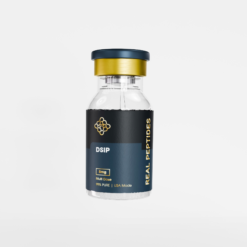
DSIP Peptide | Delta Sleep-Inducing Peptide | ≥99% Purity | CoA | SourceTides
Related products
Fat Loss & Metabolic Support Peptides
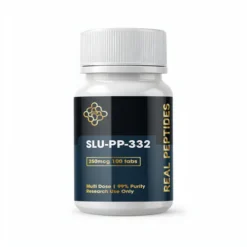
SLU-PP-332 (Sloop) Online USA — High-Purity ERR Pan-Agonist Research Compound
Immune & Antimicrobial Peptides
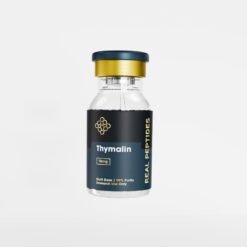
Thymalin Peptide 10 mg Online | Thymic Bioregulator | ≥99% Purity | CoA | SourceTides
Immune & Antimicrobial Peptides
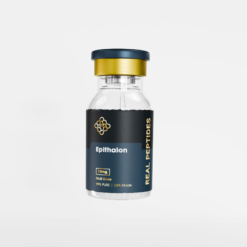
Epithalon Peptide 10 mg Online | ≥99% Purity | Certificate of Analysis Included
Cognitive & Mood Support
Growth Hormone Modulators Peptides
Sermorelin Peptide 10 mg Online | GHRH(1-29) | ≥99% Purity | CoA Included | SourceTides
Healing & Recovery Peptides
BPC-157 500 mcg Capsules Online | ≥99% Purity | CoA Included | SourceTides
Fat Loss & Metabolic Support Peptides
AOD-9604 Peptide Online | HGH Fragment 176-191 | ≥99% Purity | CoA Included | SourceTides