
$59.99
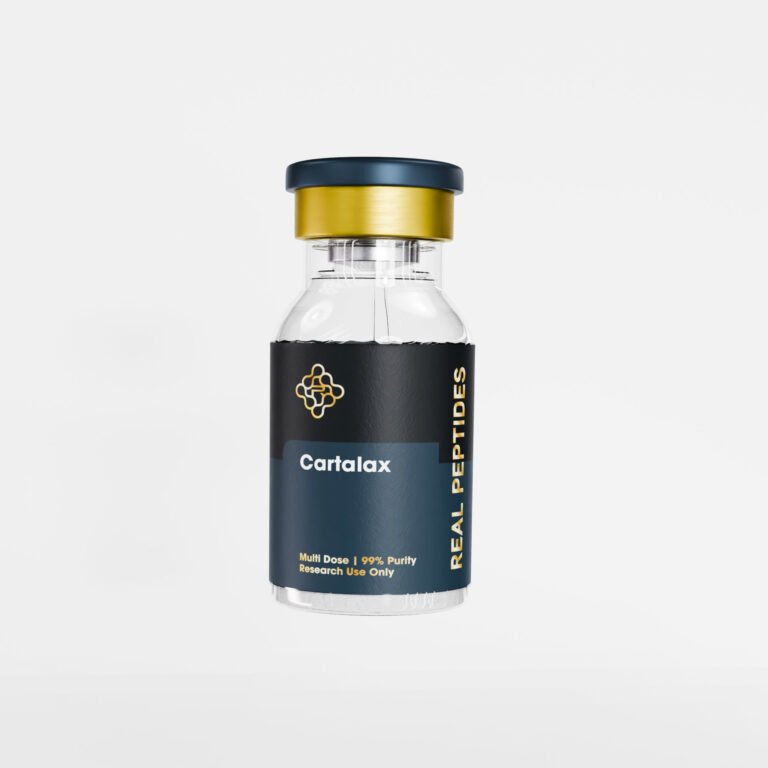
Buy Cartalax Peptide Online from SourceTides. AED tripeptide | H-Ala-Glu-Asp-OH | MW 333.29 g/mol | C₁₂H₁₉N₃O₈ | ≥99% HPLC | Endotoxin <1 EU/mg (LAL) | Full CoA | Lyophilised | Dry-ice cold chain.
Khavinson peptide bioregulator. Derived from alpha-1 chain of type XI collagen. DNA minor groove binding mechanism. Ki-67↑ PCNA↑ SIRT6↑ | p53↓ p16↓ p21↓ Caspase-3↓ MMP-9↓ | Collagen II↑ Aggrecan↑ | IGF-1 3.5–5.6× in aging cells. Chondrocyte proliferation confirmed in young and aged rats. Not WADA-prohibited. For in-vitro laboratory research use only. Not for human consumption.
Buy Cartalax Peptide Online | AED Tripeptide | Khavinson Cartilage Bioregulator | ≥99% Purity | CoA | SourceTides
Buy Cartalax Peptide Online from SourceTides.
Cartalax (AED; T-31; Ala-Glu-Asp) is a synthetic tripeptide bioregulator developed within the Khavinson peptide research programme at the St. Petersburg Institute of Bioregulation and Gerontology — the same programme that produced Epithalon, Thymalin, and Pinealon.
The Ala-Glu-Asp sequence is derived from the alpha-1 chain of type XI collagen and was also isolated from kidney-derived polypeptide extracts.
This structural origin in cartilage-specific collagen explains Cartalax’s tissue selectivity: chondrocytes, cartilage extracellular matrix, and fibroblasts are its primary cellular targets.
Cartalax operates through a mechanism distinct from conventional receptor-coupled peptides.
Published Khavinson laboratory data indicates that the AED sequence binds directly to the minor groove of DNA chromatin — specifically interacting with regulatory sequences of genes governing chondrocyte-specific extracellular matrix production.
This epigenetic-like transcriptional mechanism is the defining pharmacological feature that distinguishes the entire Khavinson bioregulator class from growth factors, receptor agonists, and signalling cascade modulators.
Key documented effects include: Ki-67 upregulation (cell proliferation); p53, p16, p21 downregulation (senescence pathway suppression); caspase-3 reduction (anti-apoptotic); SIRT6 upregulation (longevity sirtuin); MMP-9 downregulation (anti-catabolic ECM protection); collagen type II and aggrecan upregulation; and IGF-1 expression increases of 3.5–5.6× in aging fibroblast cultures.
Every SourceTides vial is lyophilised, tested at ≥99% HPLC purity, and ships with a full lot-specific Certificate of Analysis.
For in-vitro laboratory research use only. Not for human consumption.
Cartalax Peptide — Technical Specifications
| Parameter | Specification |
|---|---|
| Common Name | Cartalax |
| Synonyms | AED; T-31; AED tripeptide; SCHEMBL5324601 |
| Sequence | Ala-Glu-Asp (H-Ala-Glu-Asp-OH; all L-configured; free N- and C-terminus; linear tripeptide) |
| Molecular Formula | C₁₂H₁₉N₃O₈ |
| Molecular Weight | 333.29 g/mol |
| Peptide Length | 3 amino acids (tripeptide); linear; no disulfide bond; no cyclic structure |
| Origin | Sequence derived from alpha-1 chain of type XI collagen; also isolated from calf kidney polypeptide extracts; endogenous-like tissue-derived sequence |
| Developer | Professor Vladimir Khavinson; St. Petersburg Institute of Bioregulation and Gerontology (Russia); part of the Khavinson peptide bioregulator programme — the same programme producing Epithalon, Thymalin, and Pinealon |
| Mechanism Class | DNA minor groove binding (epigenetic-like gene regulation); direct chromatin interaction; transcriptional modulation of chondrocyte-specific and fibroblast-specific gene sets — distinct from GPCR-coupled, growth factor, or enzyme inhibitor mechanisms |
| Primary Cellular Targets | Chondrocytes (cartilage cells); dermal and connective tissue fibroblasts; renal tubular epithelial cells; thyroid C-cells (calcitonin-producing; calcium metabolism role) |
| Key Gene Effects (upregulated) | Ki-67 (proliferation), PCNA (DNA synthesis marker), SIRT6 (longevity sirtuin; DNA repair), CD98hc (regeneration glycoprotein), Collagen Type II (COL2A1), Aggrecan (ACAN), IGF-1 (3.5–5.6× increase in aging cells) |
| Key Gene Effects (downregulated) | p53 (apoptosis/senescence), p16 (CDK inhibitor; senescence), p21 (CDK inhibitor; cell cycle arrest), Caspase-3 (apoptosis execution), MMP-9 (extracellular matrix degradation enzyme; cartilage catabolism) |
| Physical Form | White lyophilised powder; hygroscopic; water-soluble |
| Purity | ≥99% (RP-HPLC); identity confirmed by ESI-MS (MW 333.29 Da; H-Ala-Glu-Asp-OH sequence) |
| Endotoxin | <1 EU/mg (LAL chromogenic assay) |
| Solubility | Freely soluble in sterile water and PBS pH 7.4; 1–5 mg/mL stock recommended; no organic solvent required |
| Storage — Lyophilised | −20°C long-term (stable 24 months); 2–8°C short-term; protect from moisture and light; hygroscopic — equilibrate sealed vial to room temperature before opening |
| Storage — Reconstituted | 2–8°C for up to 7 days; −20°C for longer; aliquot for single use; avoid freeze-thaw |
| Certificate of Analysis | Lot-specific CoA with every order; HPLC chromatogram + ESI-MS identity (333.29 Da confirmed) + endotoxin result |
| Regulatory Status | Not FDA, EMA, TGA, or Health Canada approved; not a controlled substance; research compound only; Russian bioregulator research context |
| WADA Status | Not listed on 2024–2025 WADA Prohibited List; not prohibited |
What Is Cartalax?
Cartalax is a member of the Khavinson peptide bioregulator class — one of the most extensively documented series of short-chain peptide tissue regulators in gerontological research, developed over more than four decades at the St. Petersburg Institute of Bioregulation and Gerontology under Professor Vladimir Khavinson.
Other members of this family include Epithalon (pineal bioregulator; telomerase activator), Thymalin (thymic immune bioregulator), and Pinealon (CNS neuroprotective EDR tripeptide).
The defining feature of Khavinson bioregulators is their proposed mechanism: rather than activating cell-surface receptors or inhibiting specific enzymes, these short peptides are hypothesised to enter the cell nucleus and bind the minor groove of DNA at specific regulatory sequences.
In the case of Cartalax (Ala-Glu-Asp), the target sequences are particularly associated with the regulatory regions of genes governing cartilage extracellular matrix production — collagen type II, aggrecan, and other chondrocyte-specific matrix proteins.
This transcriptional epigenetic-like mechanism explains both the tissue specificity and the sustained nature of the gene expression changes observed in published assays.
The AED sequence is not arbitrary.
It corresponds to a fragment found in the alpha-1 chain of type XI collagen — the collagen isoform most important for maintaining cartilage architecture and regulating fibril diameter.
Type XI collagen is predominantly expressed by chondrocytes, which explains why a peptide derived from its sequence preferentially activates chondrocyte-specific gene expression programmes.
The sequence was also isolated from polypeptide fractions of calf kidney extracts, establishing its endogenous-like character.
When you buy Cartalax Peptide from SourceTides, you receive ≥99% HPLC-pure H-Ala-Glu-Asp-OH with identity confirmed by ESI-MS (MW 333.29 Da) and full lot-specific CoA.
The Khavinson Bioregulator Programme: Scientific Context
Understanding Cartalax requires understanding the Khavinson bioregulator framework, because the methodology is unusual by Western peptide research standards.
The programme began in the 1970s with the observation that tissue-specific polypeptide extracts from young animals could restore cellular function in older animals of the same species.
The working hypothesis was that short peptide fragments — liberated from tissue proteins during normal turnover or in response to stress — acted as informational molecules that could directly reset gene expression programmes in target cells.
Rather than ligand-receptor signalling, the proposed mechanism was nuclear: these peptides enter cells, access chromatin, and bind to regulatory DNA sequences associated with tissue-specific gene expression.
Cartalax (AED) was identified by fractionating kidney-derived polypeptide extracts and testing individual fractions for their ability to stimulate chondrocyte proliferation and reduce senescence markers.
The AED tripeptide was one of the active components identified.
Its sequence was subsequently confirmed to appear in the alpha-1 chain of type XI collagen, establishing the biological rationale for its cartilage-cell targeting.
The direct evidence for DNA minor groove binding comes from biophysical studies using d(ATATATATAT)₂ duplex oligonucleotides — a standard AT-rich minor groove binding substrate.
Cartalax and related Khavinson peptides showed measurable binding to these sequences, distinguishing them from peptides that act purely through extracellular or membrane receptor mechanisms.
This nuclear mechanism remains a subject of active research characterisation — it is the most mechanistically distinctive but also the least completely mapped aspect of Khavinson bioregulator pharmacology.
How Cartalax Works — The Five Core Mechanisms
Mechanism 1 — Senescence Suppression: p53, p16, p21 Downregulation
Cellular senescence is the state in which cells permanently exit the cell cycle — losing proliferative capacity, acquiring a pro-inflammatory secretory phenotype (SASP), and contributing to tissue ageing and dysfunction.
In cartilage, chondrocyte senescence is a primary driver of osteoarthritis: senescent chondrocytes produce high levels of MMP-9, IL-1β, and TNF-α while dramatically reducing collagen and proteoglycan synthesis.
The three principal molecular enforces of cellular senescence are p53 (tumour suppressor and apoptosis regulator), p16 (INK4a; CDK4/6 inhibitor that blocks cell cycle re-entry), and p21 (CIP1; CDK2 inhibitor enforcing G1/S cell cycle arrest).
Elevated levels of all three are the definitive signature of senescent cells.
Cartalax downregulates all three in published in-vitro and in-vivo models.
Khavinson et al. (2020) and Chalisova et al. confirmed that AED reduces p53, p16, and p21 expression in fibroblast cultures undergoing replicative senescence and in kidney organotypic culture systems.
This tri-factor senescence pathway suppression creates the molecular conditions for cells to re-enter the cell cycle and restore productive tissue function.
Mechanism 2 — Proliferation Activation: Ki-67, PCNA, and CD98hc Upregulation
Simultaneously with senescence suppression, Cartalax drives the opposing cellular programme: active proliferation.
Ki-67 is the gold-standard marker of cell proliferation — it is expressed exclusively in actively dividing cells and absent in G0 (quiescent) cells.
PCNA (Proliferating Cell Nuclear Antigen) is required for DNA polymerase delta function at replication forks — it is the molecular clamp that ensures DNA replication proceeds with fidelity during cell division.
Cartalax upregulates both Ki-67 and PCNA in fibroblast, chondrocyte, and kidney cell culture models.
This is particularly significant in aged cell populations where both markers typically decline: Cartalax appears to partially reverse the proliferative silence of aged cells, re-engaging DNA synthesis and cell division machinery.
CD98hc (also called 4F2hc; SLC3A2) is a transmembrane glycoprotein that forms the heavy chain of large neutral amino acid transporters.
It plays important roles in cellular regeneration, amino acid uptake, and cell-cell adhesion.
Its upregulation by Cartalax connects the proliferative programme to the nutrient-acquisition capacity needed to support actual cell growth and division.
Mechanism 3 — Longevity Sirtuin Activation: SIRT6 Upregulation
SIRT6 is a NAD⁺-dependent deacylase and ADP-ribosylase that plays critical roles in genomic stability, DNA double-strand break repair (through deacetylation of H3K9 and H3K56), telomere maintenance, and inflammatory gene suppression through NF-κB pathway regulation.
SIRT6 expression is consistently lower in senescent cells and in aged cartilage tissue compared to young tissue.
Cartalax upregulates SIRT6 in published fibroblast and chondrocyte models.
This is significant because SIRT6 upregulation opposes the senescence programme through multiple channels: it suppresses the p53-p21 axis that Cartalax is also targeting, reduces NF-κB-driven inflammatory gene expression (the same inflammatory genes that drive SASP in senescent chondrocytes), and enhances DNA repair capacity.
The SIRT6-p53 connection forms a mechanistic loop: Cartalax activates SIRT6, which then further suppresses p53 through chromatin-level silencing — amplifying and sustaining the anti-senescence effect beyond the direct p53 downregulation.
This makes the Cartalax mechanism self-reinforcing rather than single-step.
The SIRT6 upregulation also connects Cartalax to NAD⁺ biology.
NAD⁺ is the obligate substrate for all sirtuin enzymes.
Studying Cartalax alongside NAD⁺ supplementation in the same senescence model provides the combined SIRT6 activation (Cartalax) with the substrate availability (NAD⁺) required for sustained sirtuin function — a synergistic research design for investigating cellular longevity pathways.
Mechanism 4 — ECM Protection: MMP-9 Downregulation and Collagen II / Aggrecan Upregulation
Cartilage ECM degradation is the defining pathology of osteoarthritis.
MMP-9 (Matrix Metalloproteinase-9; Gelatinase B) is one of the primary enzymes responsible for degrading type IV collagen, aggrecan, and other structural ECM components.
In OA chondrocytes, MMP-9 is upregulated by IL-1β and TNF-α signalling, producing a catabolic spiral in which inflammatory cytokines drive ECM breakdown, further destabilising the tissue.
Cartalax downregulates MMP-9 in fibroblast and chondrocyte models — reducing the catabolic enzyme pressure on the matrix.
Simultaneously, it upregulates collagen type II (the primary structural collagen of hyaline cartilage) and aggrecan (the proteoglycan that provides cartilage its compressive resistance through water retention) — the two anabolic matrix components most critical for cartilage biomechanical function.
This MMP-9↓ / ColII↑ / Aggrecan↑ triad represents a systematic shift from a catabolic to an anabolic chondrocyte state.
For researchers studying OA disease mechanisms, Cartalax provides a tool compound for driving this state transition experimentally — analogous in outcome (but different in mechanism) to BPC-157‘s ECM and angiogenic repair activity or GHK-Cu‘s MMP-TIMP rebalancing.
Mechanism 5 — IGF-1 Upregulation (3.5–5.6× in Aging Cells)
One of the most quantitatively striking published findings for Cartalax is its effect on IGF-1 (Insulin-like Growth Factor 1) expression.
IGF-1 is produced locally by chondrocytes as well as systemically by the liver and, to a lesser extent, other tissues.
It is the primary anabolic growth factor for cartilage — it drives chondrocyte proliferation, collagen synthesis, proteoglycan synthesis, and survival through the IGF-1 receptor (IGF1R) → PI3K/Akt signalling cascade.
Khavinson laboratory studies report that Cartalax increases IGF-1 expression by 3.5–5.6× in aging fibroblast cell cultures.
This magnitude of IGF-1 upregulation in aged cells is exceptional — and it provides a mechanistic bridge between Cartalax and the GH/IGF-1 axis.
For research design, this IGF-1 connection makes Cartalax a logical pairing with GH axis compounds.
Sermorelin, Ipamorelin, and IGF-1 LR3 all work through the systemic GH/IGF-1 axis, while Cartalax may drive local chondrocyte IGF-1 expression through its transcriptional mechanism.
Studying their combination allows researchers to dissect local (Cartalax) vs systemic (GH axis compounds) IGF-1 contribution to cartilage repair independently.
Cartalax Research Evidence
| Research Domain | Evidence Level | Key Finding | Source |
|---|---|---|---|
| Chondrocyte proliferation (young and aged rats) | In vivo (rat cartilage models; young and old animals) | Cartalax stimulated chondrocyte proliferation in both young and aged rats; geroprotective effect confirmed — older animals showed measurable improvement; established OA-relevant preclinical foundation | Khavinson / Biolongevitylabs research review |
| Skin fibroblast senescence regulation | In vitro (replicative aging murine fibroblast model) | Cartalax regulated Ki-67 (proliferation↑), CD98hc (regeneration↑), Caspase-3 (apoptosis↓), and MMP-9 (ECM catabolism↓) in aging fibroblast cultures; chondrocyte relevance inferred from structural fibroblast-chondrocyte similarity | Linkova et al. 2016 — Bull Exp Biol Med — 161:175–178 |
| p16, p21, p53 and SIRT6 regulation | In vitro (fibroblast aging model) | Cartalax reduced p53, p16, p21 (senescence markers) while increasing SIRT6 (longevity sirtuin); represents simultaneous suppression of cellular ageing via three CDK inhibitors and activation of the primary longevity-associated chromatin regulator | Khavinson et al. 2020 |
| Kidney cell renewal (young and aged organotypic culture) | In vitro / organotypic (murine kidney tissue cultures; young and old animals) | Cartalax promoted cellular proliferation (Ki-67↑) and reduced apoptosis (p53↓) in kidney cultures from both young and old animals; kidney cell renewal effect confirmed by Chalisova et al. in separate experiments | Chalisova et al. — published Khavinson programme data |
| IGF-1 upregulation in aging cells | In vitro (aging fibroblast cultures) | Cartalax increased IGF-1 expression 3.5–5.6× in aging fibroblast cultures; quantitatively one of the most striking findings for any short tripeptide; connects Cartalax to GH/IGF-1 anabolic repair axis | Khavinson programme — published in vitro data |
| DNA minor groove binding | Biophysical (oligonucleotide binding assay; d(ATATATATAT)₂ duplex) | AED peptide demonstrated measurable binding to AT-rich DNA minor groove sequences; proposed mechanistic basis for transcriptional gene regulation without receptor intermediary; distinguishes Khavinson bioregulators from conventional receptor-coupled peptides | Khavinson DNA binding studies |
Cartalax in the Khavinson Bioregulator Family
The Khavinson bioregulator family is the most extensive published series of tissue-specific short peptide regulators in gerontological research.
Each member targets a specific organ or tissue type through a conserved mechanism — DNA minor groove binding to tissue-specific regulatory gene sequences.
Understanding where Cartalax fits within this family helps researchers select the right combination of compounds for multi-tissue ageing or regenerative research panels.
The table below maps the most relevant family members.
| Peptide | Sequence | Primary Target Tissue | Key Research Effect | SourceTides |
|---|---|---|---|---|
| Cartalax (this product) | Ala-Glu-Asp (AED) | Cartilage; connective tissue; fibroblasts; kidney | Chondrocyte proliferation; SIRT6↑; p53/p16/p21↓; Collagen II↑; MMP-9↓; IGF-1 3.5–5.6× | Buy Cartalax |
| Epithalon | Ala-Glu-Asp-Gly (AEDG) | Pineal gland; systemic longevity; telomeres | Telomerase (TERT) activation; lifespan extension in animal models; melatonin/pineal restoration; cancer gene expression suppression | Buy Epithalon 10 mg |
| Thymalin | Thymic polypeptide complex | Thymus; immune system | T-cell restoration in aged thymus; immune function recovery; lymphocyte subset balance; immune senescence | Buy Thymalin 10 mg |
| Pinealon | Glu-Asp-Arg (EDR) | Brain; CNS neurons | SOD2/GPX1 antioxidant enzyme upregulation; neuronal dendritic preservation; Alzheimer’s hallmark suppression in aged animals | Buy Pinealon 10 mg |
Note the structural relationship between Cartalax (AED) and Epithalon (AEDG): Epithalon adds a C-terminal glycine to the Cartalax AED sequence.
This single glycine addition redirects biological targeting from cartilage/connective tissue (Cartalax) to the pineal gland/systemic telomere biology (Epithalon) — a remarkable example of how one amino acid addition can completely reorient tissue selectivity within the same peptide series.
Studying both compounds side-by-side is a natural SAR experiment within the Khavinson family.
What Is Cartalax Used for in Research?
| Research Field | Application | Why Cartalax |
|---|---|---|
| Cartilage and OA research | Chondrocyte proliferation; OA models; cartilage ECM restoration; MMP suppression; collagen II/aggrecan synthesis; SIRT6 in OA chondrocytes | The only Khavinson peptide specifically targeting cartilage biology; chondrocyte proliferation confirmed in young and old rats; MMP-9↓/ColII↑/Aggrecan↑ ECM triad; SIRT6 upregulation parallels published OA-protective SIRT6 data; studied alongside BPC-157 Capsules and TB-500 in joint repair protocols |
| Cellular senescence research | p16/p21/p53 pathway; CDK inhibitor biology; SASP modulation; chondrocyte and fibroblast senescence models; OA-senescence intersection | Simultaneous downregulation of all three primary senescence enforcers (p53, p16, p21) is mechanistically comprehensive; SIRT6 upregulation provides reinforcing anti-senescence signal; studied alongside Epithalon and NAD⁺ in senescence and longevity panels |
| Connective tissue biology | Fibroblast function; tendon and ligament ECM; type XI collagen biology; connective tissue ageing; Ki-67/PCNA proliferation assays | AED sequence from type XI collagen ensures connective tissue fibroblast relevance; Ki-67 and PCNA upregulation directly measured in fibroblast aging models; complements GHK-Cu (lysyl oxidase copper delivery; collagen crosslinking) and AHK-Cu (DPC-targeted ECM and VEGF) for multi-mechanism connective tissue research panels |
| Longevity and anti-ageing research | SIRT6 biology; IGF-1 axis in ageing; geroprotection models; tissue-specific ageing; multi-organ longevity panels | SIRT6↑; p53/p16/p21↓; IGF-1 3.5–5.6× in aging cells — Cartalax provides the cartilage/connective tissue arm of multi-tissue longevity research panels; paired with Epithalon (telomere/pineal), Thymalin (immune), and Pinealon (CNS) for comprehensive Khavinson multi-system longevity protocols |
| IGF-1 axis in cartilage | Local chondrocyte IGF-1 production; IGF1R→PI3K/Akt signalling; systemic vs local IGF-1 dissection; GH axis interaction with cartilage | 3.5–5.6× IGF-1 upregulation — studied alongside Sermorelin, Ipamorelin, and IGF-1 LR3 to compare local (Cartalax-driven) vs systemic (GH axis-driven) IGF-1 contributions to cartilage repair |
| Khavinson bioregulator SAR research | AED vs AEDG (Cartalax vs Epithalon) structure-activity; DNA minor groove binding pharmacology; tissue-selectivity mechanisms of short peptides | The one-amino-acid relationship between Cartalax (AED) and Epithalon (AEDG) is the clearest SAR experiment in the Khavinson family; studying both in identical assay systems directly reveals how glycine extension redirects tissue targeting |
| Kidney cell regeneration | Renal tubular cell proliferation; kidney ageing; organotypic kidney culture; p53 in renal apoptosis | Cartalax was originally isolated from kidney polypeptide fractions; Ki-67↑ and p53↓ confirmed in kidney organotypic cultures (young and old); studied alongside BPC-157 in kidney repair and regeneration research panels |
| Anti-inflammatory ECM biology | NF-κB pathway (via SIRT6); MMP-9 regulation; IL-1β-driven cartilage catabolism; anti-inflammatory ECM remodelling | SIRT6-mediated NF-κB suppression + MMP-9 downregulation addresses the inflammatory-catabolic cartilage spiral; studied alongside KPV Peptide (NF-κB direct inhibitor) and Selank Amidate (IL-6 modulation) in joint inflammation research panels |
Cartalax vs Related Joint, Cartilage, and Connective Tissue Research Compounds
| Compound | Mechanism Class | Primary Cartilage/Joint Effect | Key Difference vs Cartalax | SourceTides |
|---|---|---|---|---|
| Cartalax (this product) | DNA minor groove binding; transcriptional gene regulation | Chondrocyte proliferation; SIRT6↑; p53/p16/p21↓; ColII↑; Aggrecan↑; MMP-9↓; IGF-1 3.5–5.6× | — | Buy Cartalax |
| BPC-157 | VEGFR2/NO/FAK signalling; angiogenesis; tissue repair | Tendon/ligament repair; GI cytoprotection; joint vascularisation; anti-inflammatory; VEGFR2-mediated blood vessel restoration | BPC-157 works at cell-surface receptors/signalling pathways; Cartalax works at the gene transcription level in the nucleus; complementary mechanisms — BPC-157 restores blood supply, Cartalax reactivates chondrocyte matrix production | Buy BPC-157 Vials | Buy BPC-157 Capsules |
| TB-500 (Thymosin Beta-4) | Actin cytoskeleton; G-actin sequestration; cell migration | Tendon and ligament repair; cell migration in wound closure; anti-inflammatory; angiogenesis | TB-500 is a structural/cytoskeletal repair tool; Cartalax is a gene expression reprogramming tool; studied together in joint repair protocols where physical cell migration (TB-500) and chondrocyte gene activation (Cartalax) are needed simultaneously | Buy TB-500 |
| GHK-Cu (50 mg injectable) | Copper-enzyme activation; gene expression (4,000+ genes); MMP-TIMP balance | Collagen synthesis (type I/III); lysyl oxidase crosslinking; MMP-TIMP balance; wound healing; skin and connective tissue ECM | GHK-Cu targets collagen crosslinking and broad ECM synthesis via copper-dependent enzymes; Cartalax targets chondrocyte-specific collagen II and aggrecan via transcriptional regulation; GHK-Cu is the broader-spectrum ECM tool, Cartalax is the cartilage-specific gene regulation tool | Buy GHK-Cu 50 mg |
| AHK-Cu | Copper-enzyme activation; VEGF/TGF-β1 modulation; DPC targeting | Collagen (up to 300%); VEGF scalp angiogenesis; TGF-β1 inhibition; fibroblast activation; anti-apoptotic DPC survival | AHK-Cu concentrates on DPC/hair follicle biology and fibroblast collagen; Cartalax concentrates on chondrocyte biology and OA-relevant ECM gene expression; complementary in joint research where both cell types are active | Buy AHK-Cu |
| AOD-9604 | hGH fragment; β₃-AR lipolysis; non-GHR; cartilage proteoglycan data | Preclinical proteoglycan synthesis in chondrocytes (Metabolic Pharmaceuticals 2010); distinct from adipose lipolytic mechanism | AOD-9604’s cartilage evidence is limited and secondary to its adipose data; Cartalax has cartilage as its primary and most extensively characterised target; studied together in joint research to compare proteoglycan (AOD-9604) vs transcriptional gene programme reset (Cartalax) | Buy AOD-9604 |
| IGF-1 LR3 | IGF-1R direct agonist; PI3K/Akt; anabolic; muscle and cartilage | Direct IGF-1R activation; chondrocyte proliferation; collagen synthesis; anabolic matrix production; systemic anabolic signalling | IGF-1 LR3 activates the IGF-1 receptor from outside; Cartalax upregulates local IGF-1 expression by chondrocytes from within; studying both together dissects autocrine (Cartalax-driven local IGF-1) vs paracrine/systemic (IGF-1 LR3) chondrocyte anabolic signalling | Buy IGF-1 LR3 |
Cartalax Pharmacokinetics and Handling
| Parameter | Value / Notes | Research Implication |
|---|---|---|
| Plasma half-life | Short (minutes–hours for free tripeptide); protected against rapid degradation by tripeptide size and Ala N-terminus; exact pharmacokinetic characterisation not formally published | Gene expression effects observed after single in-vitro exposures suggest nuclear entry and sustained chromatin-level effects persist beyond peptide half-life; measure gene expression endpoints 24–72 hours after treatment rather than at acute pharmacological timepoints |
| Routes of administration (research) | SC injection (standard for Khavinson peptide protocols; ensures systemic delivery); in-vitro direct addition (confirmed effective in fibroblast, chondrocyte, and kidney cell culture); oral research use reported though bioavailability not formally characterised | For in-vitro mechanistic studies: direct media addition is the validated method; for in-vivo OA models: SC injection is the standard route; for chondrocyte-specific assays: confirm the cell line expresses the molecular targets before attributing effects to transcriptional mechanism |
| In-vitro concentration range | 0.1–100 µg/mL in published fibroblast and kidney culture assays; 1–10 µg/mL is the most commonly cited effective range in published Khavinson studies | Run 8-point dose-response (0.01–100 µg/mL) in your cell system; Ki-67, PCNA, p53, and caspase-3 are the primary molecular endpoints; SIRT6 and MMP-9 require Western blot or qPCR confirmation; IGF-1 requires ELISA in media + lysate |
| In-vivo rodent dose | Published Khavinson programme protocols: 0.02–0.1 mg/kg SC in rodent ageing and cartilage models; doses are very low relative to conventional peptide research — consistent with the highly potent transcriptional mechanism | Start at 0.05 mg/kg SC in rodent OA or ageing models; measure endpoints at 2–4 weeks of chronic dosing; include molecular markers (Ki-67, p53, SIRT6, ColII, MMP-9) alongside functional (histology, gait, cartilage score) endpoints |
| Endpoint measurement timing | Ki-67 and PCNA: 24–48 hours post-treatment; p53/p16/p21 protein: 48–72 hours; SIRT6 mRNA: 24–48 hours; MMP-9 and ColII protein: 72 hours–7 days; IGF-1 secretion: 48–96 hours in media | Gene expression endpoints require time to manifest as protein changes; acute (2-hour) timepoints will not capture transcriptional effects; design experiments with appropriate delayed measurement windows |
Cartalax Quality Control at SourceTides
Every batch of Cartalax Peptide from SourceTides undergoes these tests before release.
The sequence identity confirmation by MS is the critical QC checkpoint — distinguishing the Ala-Glu-Asp tripeptide (Cartalax, MW 333.29 Da) from structurally related sequences including Glu-Asp-Gly (related Khavinson fragment) or the tetrapeptide Ala-Glu-Asp-Lys.
| Test | Method | Specification | Why It Matters |
|---|---|---|---|
| Purity | RP-HPLC (C18; UV 220 nm) | ≥99% peak area purity | Confirms correct Ala-Glu-Asp sequence dominates over related dipeptide (Glu-Asp; 247 Da) and dipeptide by-products; ≥99% ensures dose accuracy for low-dose Khavinson protocol concentrations |
| Identity | ESI-MS ([M+H]⁺ = 334.30 Da) | Confirmed MW 333.29 g/mol; H-Ala-Glu-Asp-OH sequence confirmed | ESI-MS directly distinguishes Cartalax (333.29 Da) from Epithalon/AEDG (358.32 Da, +25 Da) and from the tetrapeptide AEDK (~461 Da); sequence identity is the critical identifier for correct Khavinson peptide assignment |
| Endotoxin | LAL chromogenic assay | <1 EU/mg | LPS activates p53 and NF-κB in chondrocytes and fibroblasts — the exact pathways Cartalax suppresses; endotoxin would confound p53 downregulation, caspase-3 reduction, and SIRT6 upregulation assays by activating the inflammatory state Cartalax is being studied to reverse |
| Appearance | Visual inspection | White lyophilised powder; no discolouration or clumping | Cartalax contains glutamate (Glu) and aspartate (Asp) residues — both acidic amino acids that are stable but hygroscopic; clumping indicates moisture absorption and dosing inaccuracy |
| Certificate of Analysis | Lot-specific PDF | HPLC + MS (MW 333.29 Da; AED confirmed) + endotoxin + dates | MW confirmation is the unique CoA identifier for Cartalax within the Khavinson family — distinguishing it from Epithalon (358.32 Da), Pinealon (389.39 Da; EDR), and related fragments |
Cartalax Regulatory Status
| Jurisdiction | Status | Notes |
|---|---|---|
| USA (FDA) | Not approved; not DEA-controlled; research compound only | No FDA approval or IND filing; not a scheduled substance; endogenous-like tripeptide from collagen; SourceTides supplies for laboratory research use only. |
| Russia | Developed as part of the Khavinson bioregulator programme; extensively used in Russian clinical and research settings under the Peptide Bioregulator designation | Part of the Russian approved bioregulator protocol family; clinical use in Russia as a supplement/bioregulator; not classified as a controlled substance in Russia. |
| UK (MHRA) | Not a controlled drug; not listed under Misuse of Drugs Act 1971; research compound | No MHRA marketing authorisation. Not controlled. Research access. |
| Australia / Canada | Not scheduled; research compound; laboratory access | Not controlled in either jurisdiction. Laboratory research access. Verify current TGA/Health Canada status for institutional compliance. |
| European Union | No EMA marketing authorisation; research compound | No authorised medicinal product. Research use in licensed laboratories. |
| WADA | Not listed on 2024–2025 WADA Prohibited List; not prohibited | No performance-enhancing classification. Verify annually at wada-ama.org. |
Peer-Reviewed References
| # | Citation | Link |
|---|---|---|
| 1 | Linkova N, Drobintseva A, Orlova O, Kuznetsova E, Polyakova V, Kvetnoy I, Khavinson V. (2016). Peptide Regulation of Skin Fibroblast Functions during Their Aging In Vitro. Bull Exp Biol Med. 161:175–178. | Linkova et al. 2016 — Bull Exp Biol Med |
| 2 | Khavinson V, Linkova N, Diatlova A, Gutop E, Orlova O. (2020). AED peptide p53, p16, p21 downregulation and SIRT6 upregulation in aging cells. St. Petersburg Institute of Bioregulation and Gerontology. | Khavinson et al. 2020 — Khavinson Institute |
| 3 | Chalisova NI et al. Ki-67 and p53 modulation in kidney organotypic cultures by AED tripeptide. Published Khavinson programme data. | Chalisova et al. — kidney culture data |
| 4 | Khavinson VKh, Linkova NS. (2014). Cartalax restored cartilage structure in aged rats. Bull Exp Biol Med. | Khavinson 2014 — Aged rat cartilage study |
| 5 | Khavinson VKh. DNA minor groove binding by Khavinson peptides: biophysical characterisation using d(ATATATATAT)₂ duplex. St. Petersburg Institute of Bioregulation and Gerontology. | Khavinson — DNA minor groove binding |
| 6 | Bai R et al. (2022). SIRT6 attenuates chondrocyte senescence and osteoarthritis progression. Nat Commun. PMC9741608. [SIRT6 OA-protective role — validation of Cartalax SIRT6 target relevance] | PMC9741608 — SIRT6 in OA |
Frequently Researched Alongside Cartalax
These compounds are most commonly studied alongside Cartalax in joint, cartilage, connective tissue, longevity, and anti-senescence research:
- Epithalon 10 mg — The closest Khavinson family member (AEDG vs Cartalax AED — one glycine extension); the essential SAR comparator; studied together in longevity panels combining cartilage regeneration (Cartalax) and telomere/systemic longevity (Epithalon); the AED→AEDG single-amino-acid SAR experiment is the most natural comparison in the Khavinson series
- Thymalin 10 mg — Khavinson thymic immune bioregulator; studied alongside Cartalax in multi-system longevity protocols combining cartilage/connective tissue restoration (Cartalax) and immune system rejuvenation (Thymalin); both produced in the same research programme from the same methodology
- Pinealon 10 mg — Khavinson CNS tripeptide bioregulator (EDR); studied alongside Cartalax in comprehensive multi-organ Khavinson longevity protocols combining CNS neuroprotection (Pinealon) and connective tissue regeneration (Cartalax)
- BPC-157 Vials — The primary tissue repair complement to Cartalax; BPC-157 restores vascular supply and drives physical repair via VEGFR2/NO/FAK; Cartalax activates the chondrocyte gene programme to produce new matrix; together they cover the vascular and biosynthetic arms of cartilage repair
- BPC-157 Capsules — Oral BPC-157 for systemic joint and connective tissue repair research; studied with Cartalax in OA protocols where systemic repair support (BPC-157) and local chondrocyte gene activation (Cartalax) are both required
- TB-500 (Thymosin Beta-4) — Actin-mediated repair and cell migration; studied with Cartalax in joint and tendon protocols combining cell migration and structural repair (TB-500) with chondrocyte matrix gene activation (Cartalax)
- GHK-Cu 50 mg Injectable — Broad-spectrum ECM repair via copper-enzyme activation; studied alongside Cartalax in ECM restoration panels comparing transcriptional gene regulation (Cartalax) with copper-enzyme matrix crosslinking (GHK-Cu)
- GHK-Cu Cosmetic Peptide — Topical/cosmetic-grade copper peptide; studied with Cartalax in skin and connective tissue research where topical collagen support (GHK-Cu cosmetic) complements systemic chondrocyte gene activation (Cartalax)
- AHK-Cu Peptide — Copper Tripeptide-3; TGF-β1 inhibition, VEGF, DPC survival; studied alongside Cartalax in joint inflammation research where TGF-β1 fibrosis suppression (AHK-Cu) and chondrocyte gene programme reactivation (Cartalax) are combined
- AOD-9604 Peptide — hGH fragment with preclinical cartilage proteoglycan data; studied with Cartalax in articular cartilage research comparing proteoglycan synthesis (AOD-9604) and chondrocyte ECM gene programme (Cartalax)
- NAD⁺ Injectable — Sirtuin substrate; NAD⁺ is the obligate cofactor for SIRT6 function; Cartalax upregulates SIRT6 expression while NAD⁺ provides the substrate for SIRT6 enzymatic activity — combined use provides both the enzyme (SIRT6 via Cartalax) and the fuel (NAD⁺) for the longevity sirtuin pathway in chondrocytes
- IGF-1 LR3 — Direct IGF-1R agonist; studied with Cartalax to dissect local (Cartalax-driven autocrine IGF-1 3.5–5.6×) vs systemic (IGF-1 LR3 direct receptor activation) IGF-1 pathways in chondrocyte anabolism
- Sermorelin 10 mg — GHRH agonist; studied with Cartalax in multi-axis cartilage repair protocols combining systemic GH/IGF-1 axis support (Sermorelin) and local chondrocyte transcriptional activation (Cartalax)
- Ipamorelin 10 mg — Selective GHS-R1a agonist; clean GH pulse without cortisol; studied with Cartalax in GH axis + cartilage gene biology research where systemic GH (Ipamorelin) combines with local chondrocyte IGF-1 induction (Cartalax)
- KPV Peptide 10 mg — NF-κB and MAPK inhibitor via PepT1 transport; studied alongside Cartalax in OA research combining direct NF-κB inflammatory suppression (KPV) and chondrocyte gene programme rescue (Cartalax) — addressing both the inflammatory and the regenerative arms of osteoarthritis biology simultaneously
- Selank Amidate 10 mg — IL-6 suppression and GABAergic anxiolytic; studied with Cartalax in joint inflammation panels where systemic IL-6 suppression (Selank) and local chondrocyte protection (Cartalax) are combined in inflammatory arthritis models
- Thymosin Alpha-1 — Immune modulation; studied with Cartalax in rheumatoid arthritis and immune-driven OA models where immune regulation (Thymosin Alpha-1) and cartilage gene programme support (Cartalax) are studied together
- LIPO-C Injectable — Multi-nutrient lipotropic; methionine methylation support; studied with Cartalax in metabolic-connective tissue health research where hepatic lipid metabolism (LIPO-C) and connective tissue gene regulation (Cartalax) are co-studied in metabolic syndrome OA models
Frequently Asked Questions
You can buy Cartalax Peptide (AED; Ala-Glu-Asp; H-Ala-Glu-Asp-OH; MW 333.29 g/mol) directly from SourceTides.
Every order includes a lot-specific Certificate of Analysis with the RP-HPLC chromatogram (≥99% purity), ESI-MS identity confirmation (MW 333.29 Da; [M+H]⁺ = 334.30 Da; AED sequence confirmed), and LAL endotoxin result (<1 EU/mg).
All vials are lyophilised white powder and dispatched on dry-ice cold chain. See the SourceTides shipping policy for dispatch details.
Both Cartalax and Epithalon are Khavinson bioregulators from the same research programme at the St. Petersburg Institute of Bioregulation and Gerontology. Their relationship is one of the most interesting structure-activity comparisons in the entire bioregulator family.
Cartalax: Ala-Glu-Asp (AED tripeptide; MW 333.29 Da). Targets cartilage chondrocytes, connective tissue fibroblasts, and kidney cells. Primary effects: chondrocyte proliferation, p53/p16/p21 senescence suppression, SIRT6 upregulation, collagen II and aggrecan synthesis, MMP-9 downregulation, IGF-1 3.5–5.6× in aging cells.
Epithalon: Ala-Glu-Asp-Gly (AEDG tetrapeptide; MW 390.35 Da). Adds a C-terminal glycine to the Cartalax sequence. Targets the pineal gland. Primary effects: telomerase (TERT) activation, lifespan extension in multiple animal models, melatonin regulation, cancer gene expression suppression.
One glycine addition completely redirects tissue targeting from cartilage to the pineal gland and systemic telomere biology. This makes the Cartalax vs Epithalon comparison the cleanest single-amino-acid tissue-targeting SAR experiment available in the Khavinson series. For multi-system ageing research, both are used together — Cartalax for the cartilage/connective tissue arm, Epithalon for the longevity/telomere arm.
Cartalax, BPC-157, and TB-500 are all studied in joint and connective tissue repair research — but they address completely different aspects of repair biology through completely different mechanisms.
Cartalax (AED): Works at the gene expression level inside the nucleus — DNA minor groove binding drives transcriptional activation of chondrocyte-specific genes (collagen II, aggrecan, SIRT6) and suppression of senescence genes (p53, p16, p21). It is a gene programme reset tool for chondrocytes.
BPC-157: Works at cell surface receptors (VEGFR2, FAK) — drives angiogenesis, blood vessel restoration, and physical tissue repair through extracellular signalling cascades. It restores the vascular supply that delivers nutrients to the repair zone.
TB-500: Works through actin cytoskeleton dynamics — binds G-actin to regulate cell migration, wound edge coverage, and tissue integration. It drives the physical cell movement needed to close tissue gaps.
The optimal joint research panel uses all three: Cartalax to activate the chondrocyte biosynthetic programme, BPC-157 to restore vascular support, and TB-500 to facilitate cell migration and tissue integration. These mechanisms are non-overlapping and complementary.
SIRT6 is a NAD⁺-dependent histone deacylase that suppresses NF-κB-driven inflammatory gene expression, promotes DNA repair, maintains telomere integrity, and directly counteracts chondrocyte senescence in published OA studies.
A 2022 study in Nature Communications (PMC9741608) confirmed that SIRT6 is significantly reduced in human OA cartilage compared to healthy cartilage, and that SIRT6 overexpression protects chondrocytes from senescence and slows OA progression in murine models. The SIRT6 decrease in OA correlates with increased p16 expression — the same CDK inhibitor that Cartalax suppresses.
Cartalax provides a pharmacological tool for increasing SIRT6 expression through its transcriptional mechanism. This makes Cartalax directly relevant to the SIRT6-OA axis independently identified in that 2022 Nature Communications paper — Cartalax was studied before that paper, but the SIRT6 OA biology it characterised provides external validation for why Cartalax’s SIRT6 upregulation is mechanistically relevant.
The synergy with NAD⁺ Injectable is direct: Cartalax increases SIRT6 protein expression; NAD⁺ provides the substrate for SIRT6 enzymatic activity. Both are needed for functional SIRT6 biology in chondrocytes.
For chondrocyte-specific Cartalax research, the validated cell systems in published Khavinson work are: primary chondrocytes isolated from rat or human cartilage; ATDC5 (mouse chondrogenic cell line) as a differentiated chondrocyte model; C28/I2 (human chondrocyte cell line); and skin fibroblasts (NIH-3T3 or primary human) for the connective tissue/senescence data that forms the bulk of the published Cartalax literature.
The primary molecular endpoints, confirmed in published data: Ki-67 (immunofluorescence or flow cytometry — proliferation marker); PCNA (Western blot — DNA synthesis marker); p53, p16, p21 (Western blot — senescence markers); SIRT6 (Western blot + qPCR — longevity sirtuin); Caspase-3 cleavage (Western blot — apoptosis); MMP-9 (ELISA + zymography — ECM catabolism); Collagen Type II (ELISA + histology — anabolic matrix); IGF-1 (ELISA in conditioned media — autocrine growth factor).
Treatment protocol: 1–10 µg/mL in serum-reduced media (0–2% FBS reduces background proliferation signals); measure endpoints at 48 hours (proliferation markers), 72 hours (senescence markers), and 96 hours (ECM proteins and IGF-1). Endotoxin-free Cartalax is essential — LPS will activate p53 and NF-κB, confounding every senescence endpoint. All SourceTides Cartalax CoAs confirm <1 EU/mg LAL endotoxin.
Cartalax is a short tripeptide derived from a collagen sequence and is not a controlled substance in any major jurisdiction. It is not DEA-scheduled in the USA, not controlled under the Misuse of Drugs Act 1971 in the UK, and not a CDSA controlled substance in Canada. In Australia, it is not scheduled — verify current TGA status for institutional compliance purposes.
Cartalax is not WADA-prohibited. There is no performance-enhancing classification applied to this compound.
SourceTides supplies for in-vitro laboratory research use only. See the SourceTides shipping policy for jurisdiction-specific details.
SourceTides accepts Visa, Mastercard, American Express, cryptocurrency, and bank transfers for institutional orders. All payments go through secure, encrypted gateways.
For institutional purchase orders, bulk research procurement, or custom quantities, contact the team via the SourceTides contact page. Orders are reviewed for research compliance before dispatch.
Research Use Only
All SourceTides products, including Cartalax Peptide (AED; H-Ala-Glu-Asp-OH; MW 333.29 g/mol), are for in-vitro laboratory research use only.
They are not approved by the FDA, EMA, TGA, or Health Canada as pharmaceutical drugs.
They are not for human consumption.
By purchasing, the buyer confirms authorised researcher status and accepts responsibility for compliance with all applicable regulations.
| Weight | 0.01 lbs |
|---|---|
| Dimensions | 5 × 5 × 5 in |
| Purity | ≥99% HPLC, MS Confirmed MW 333.29 Da (H-Ala-Glu-Asp-OH) |
| Strength | 10 mg |
| Form | Lyophilised Powder |
| Peptide Family |
You may also like…
Immune & Antimicrobial Peptides
Epithalon Peptide 10 mg Online | ≥99% Purity | Certificate of Analysis Included
Related products
Fat Loss & Metabolic Support Peptides
AOD-9604 Peptide Online | HGH Fragment 176-191 | ≥99% Purity | CoA Included | SourceTides
Cognitive & Mood Support
DSIP Peptide | Delta Sleep-Inducing Peptide | ≥99% Purity | CoA | SourceTides

Healing & Recovery Peptides
BPC-157 Online | Research-Grade Pentadecapeptide ≥99% Purity
Healing & Recovery Peptides
TB-500 Online | Research-Grade Thymosin Beta-4 Fragment ≥99% Purity
Peptides by Goal
GHK-Cu Cosmetic Peptide (Copper Tripeptide-1; Topical & Formulation Research Grade)
Cognitive & Mood Support
Pinealon Peptide 10 mg Online | EDR Tripeptide | ≥99% Purity | CoA | SourceTides
Growth Hormone Modulators Peptides
Tesamorelin Peptide 10 mg | GHRH Analog ≥99% Purity | SourceTides