
$89.99
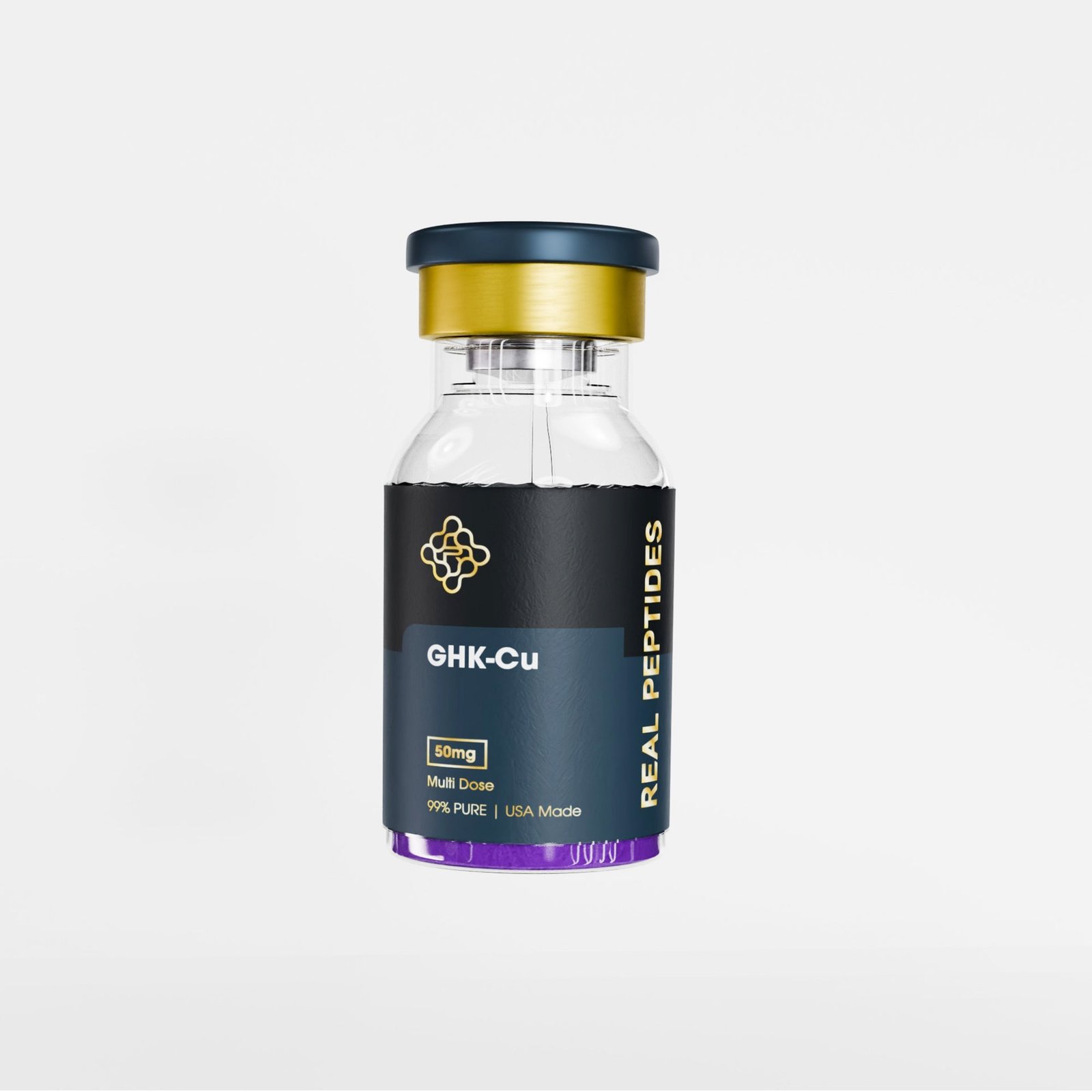
Buy GHK-Cu Peptide 50 mg Online from SourceTides. CAS 49557-75-7 | Glycyl-L-Histidyl-L-Lysine Copper(II) Complex | MW 403.93 g/mol | C₁₄H₂₂CuN₆O₄ | ≥99% HPLC purity + copper content confirmed | Endotoxin <1 EU/mg (LAL) | Full CoA | Lyophilised (blue-green powder) | Dry-ice cold chain. Naturally occurring endogenous copper-binding tripeptide. 4,000+ genes modulated (Broad Institute Connectivity Map; Pickart 2018). Collagen synthesis at 1 nM (Maquart 1988). 28% dermal collagen increase in human IRB trial (2023). Not WADA-prohibited. For in-vitro laboratory research use only. Not for human consumption.
Buy GHK-Cu Peptide 50 mg Online | Copper Tripeptide-1 | Collagen, Wound Healing & Gene Expression Research | ≥99% Purity | CoA | SourceTides
Buy GHK-Cu Peptide 50 mg Online from SourceTides.
GHK-Cu (Glycyl-L-Histidyl-L-Lysine Copper(II) Complex; CAS 49557-75-7; also known as Copper Tripeptide-1) is a naturally occurring copper-binding tripeptide first isolated from human plasma by biochemist Loren Pickart in 1973.
It consists of three amino acids — glycine, histidine, and lysine — chelated to a copper(II) ion.
Despite its minimal size (MW 403.93 g/mol), GHK-Cu is one of the most biologically active endogenous peptides known: genome-wide expression profiling using the Broad Institute’s Connectivity Map demonstrated that GHK-Cu modulates the expression of over 4,000 human genes — approximately 31% of the human coding genome — at nanomolar concentrations.
This extraordinary genomic breadth covers collagen synthesis, extracellular matrix remodelling, wound healing, anti-inflammatory signalling, antioxidant defence, VEGF-driven angiogenesis, BDNF upregulation, anti-fibrotic activity, COPD lung repair, and anti-cancer gene expression patterns.
Plasma GHK concentration declines approximately 60% with age — from ~200 ng/mL at age 20 to ~80 ng/mL by age 60 — directly correlating with the decline in regenerative capacity, wound healing speed, and collagen synthesis that characterises biological ageing.
The 50 mg research vial format at SourceTides supports longer research protocols, repeat-dose studies, and multi-endpoint metabolomics panels without requiring frequent re-ordering.
Every SourceTides vial is lyophilised, tested at ≥99% HPLC purity, and ships with a full lot-specific Certificate of Analysis.
For in-vitro laboratory research use only. Not for human consumption.
GHK-Cu Peptide 50 mg — Technical Specifications
| Parameter | Specification |
|---|---|
| Common Names | GHK-Cu; GHK Copper; Copper Tripeptide-1; Glycyl-L-Histidyl-L-Lysine Copper; Prezatide Copper Acetate (cosmetic INCI: Copper Tripeptide-1) |
| CAS Number | 49557-75-7 (GHK-Cu complex, most widely cited); 89030-95-5 (copper acetate form) |
| Peptide Sequence | H-Gly-His-Lys-OH (GHK tripeptide); copper(II) chelated via histidine imidazole nitrogen and glycine/lysine amino groups |
| Molecular Formula (Cu complex) | C₁₄H₂₂CuN₆O₄ |
| Molecular Weight (Cu complex) | 403.93 g/mol |
| Free Tripeptide (GHK without Cu) | CAS 72957-37-0; MW 340.38 g/mol; C₁₄H₂₄N₆O₄; retains some activity but significantly reduced versus copper complex |
| Copper Binding Chemistry | Cu(II) chelated in square planar geometry; primary binding via His imidazole N-3, glycyl deprotonated amide nitrogen, Gly carboxylate, and amino nitrogen; one of the strongest known small-molecule copper chelators in biology (association constant ~10¹⁵ M⁻¹) |
| Endogenous Origin | Naturally occurring in human plasma (~200 ng/mL age 20; declining to ~80 ng/mL by age 60), saliva, and urine; also released locally from the alpha-2(I) chain of Type I collagen during tissue injury |
| Discovery | Isolated 1973 by Loren Pickart (Stanford/UCSF) from human albumin; identified as a factor that restored protein synthesis in aged liver tissue to youthful levels; 50 years of published research through 2023 |
| Genomic Breadth | Modulates expression of 4,000+ human genes (~31% of the coding genome) at nanomolar concentrations — Broad Institute Connectivity Map data (Pickart & Margolina, Int J Mol Sci 2018; PMID: 29986520) |
| Active Concentration Range | 1–10 nM (collagen synthesis in fibroblasts; Maquart et al. 1988); 1–100 nM (gene expression modulation); 1–10 µM (wound healing assays); active over a broad nanomolar-to-micromolar range depending on endpoint |
| Physical Form | Blue to blue-green lyophilised powder (characteristic copper complex colour); hygroscopic |
| Purity | ≥99% (RP-HPLC); copper content confirmed; identity by ESI-MS |
| Endotoxin | <1 EU/mg (LAL chromogenic assay) |
| Solubility | Freely soluble in water (~130 mg/mL); easily reconstituted in sterile water or PBS pH 7.4; stable copper complex across physiological pH range; no organic solvent required |
| Storage — Lyophilised | −20°C long-term (stable 24 months); 2–8°C short-term; protect from moisture and light; highly hygroscopic — equilibrate sealed vial to room temperature before opening; reseal immediately |
| Storage — Reconstituted | 2–8°C for up to 14 days (more stable than most peptides due to copper chelation); −20°C for longer; avoid strong reducing conditions (ascorbate, DTT) at high concentrations — can reduce Cu(II) to Cu(I); aliquot for single use |
| Vial Size | 50 mg — the largest research format supplied by SourceTides for this compound; suited for long-duration studies, multi-endpoint assays, and repeat-dose in-vivo protocols |
| Certificate of Analysis | Lot-specific CoA with every order; HPLC + copper content assay + ESI-MS identity + endotoxin + appearance |
| Regulatory Status | Not FDA-approved as a drug; endogenous metabolite; available through licensed 503A compounding pharmacies in USA; extensively used in cosmetic/topical products as Copper Tripeptide-1 (INCI); research compound for laboratory use |
| WADA Status | Not listed on the 2024–2025 WADA Prohibited List; endogenous metabolite; not prohibited |
What Is GHK-Cu?
GHK-Cu is one of the most remarkable small molecules in biology. Three amino acids and a copper ion — yet it influences 4,000 genes, promotes tissue regeneration across at least six organ systems, and declines predictably with age in parallel with the biological ageing phenotype. No single peptide combines such molecular simplicity with such extraordinary regulatory reach.
The story begins in 1973. Loren Pickart, then at Stanford, was studying a longstanding paradox: old human liver tissue synthesised proteins less efficiently than young tissue, even when those cells were kept alive in the same culture conditions. Something in young human plasma was driving the difference. Pickart isolated the active factor — a tripeptide he identified as glycyl-L-histidyl-L-lysine. The peptide had one unusual property: it bound copper(II) with extraordinary affinity (association constant ~10¹⁵ M⁻¹ — among the highest of any known biological copper chelator). The copper-bound form was substantially more active than the free peptide. He named the complex GHK-Cu and spent the following five decades expanding its biology.
The 1980s established the wound healing and collagen biology. Maquart et al. (FEBS Lett. 1988) demonstrated that GHK-Cu at 1–10 nanomolar concentrations doubled collagen synthesis rates in human fibroblast cultures. This selectivity — active at concentrations comparable to the best pharmaceutical biologics, driving collagen specifically rather than all proteins — established GHK-Cu as a serious research compound rather than a crude extract.
The 2010s brought the genomics revolution to GHK-Cu. When the Broad Institute’s Connectivity Map was applied to GHK-Cu, the results were startling: the compound modulated expression of over 4,000 human genes — approximately one-third of the human genome. Gene sets that were upregulated included tissue remodelling, cell survival, mitochondrial function, antioxidant defence, VEGF-driven angiogenesis, and neurotrophic signalling. Gene sets that were downregulated included inflammatory cascades, fibrosis pathways, oncogene expression, and the expression profiles characteristic of COPD and other degenerative lung diseases. GHK-Cu’s gene expression pattern did not resemble any other known compound in the Connectivity Map database. When you buy GHK-Cu Peptide 50 mg from SourceTides, you access one of biology’s most extensively documented naturally-occurring regenerative compounds in a 50 mg research vial format designed for sustained multi-endpoint research programmes.
Why Copper? The Role of the Cu(II) Ion
The copper ion in GHK-Cu is not incidental. It is mechanistically essential, and understanding why illuminates the entire biology of this compound.
Copper is a trace element with two primary biological roles. As a redox catalyst in the Cu(I)/Cu(II) cycle, it participates in critical enzymatic reactions across the mitochondrial electron transport chain (cytochrome c oxidase, Complex IV), antioxidant defence (Cu/Zn-superoxide dismutase), collagen crosslinking (lysyl oxidase), neurotransmitter synthesis (dopamine β-hydroxylase), and iron metabolism (ceruloplasmin). As a signalling molecule, copper acts through copper-responsive transcription factors and copper chaperone proteins that regulate these enzyme systems.
Three critical copper-dependent enzymes are directly relevant to GHK-Cu’s biological activities. Lysyl oxidase (LOX) crosslinks nascent collagen and elastin fibrils by oxidising lysine residues — this crosslinking step converts soluble procollagen into the insoluble, mechanically stable collagen fibres that form the structural scaffold of connective tissue. Without lysyl oxidase activity, collagen is synthesised but never organised into functional tissue architecture. Cu/Zn-superoxide dismutase (SOD1) converts the superoxide radical (O₂⁻) to hydrogen peroxide (then further cleared by catalase and glutathione peroxidase) — the primary enzymatic first step in cellular antioxidant defence. Cytochrome c oxidase (Complex IV) is the terminal electron acceptor in the mitochondrial electron transport chain, transferring electrons from cytochrome c to molecular oxygen and thereby driving the proton gradient that synthesises ATP.
GHK serves as a high-affinity copper delivery system — a “copper chaperone” for these enzyme systems. By chelating Cu(II) and transporting it to cells in a bioavailable form, GHK-Cu provides the catalytic cofactor that all three of these enzyme families require for full activity. Free copper ions are toxic — they participate in Fenton chemistry, generating hydroxyl radicals that damage DNA, proteins, and lipid membranes. GHK-Cu delivers copper in a controlled, non-toxic chelated form that activates enzyme function without generating free-radical toxicity. This copper delivery function is distinct from the peptide’s direct gene expression effects and operates through a different mechanism.
How GHK-Cu Works — The Five Core Mechanisms
Mechanism 1 — Collagen and Extracellular Matrix Synthesis
The foundational GHK-Cu mechanism is direct stimulation of collagen synthesis in fibroblasts. Maquart et al. (1988; FEBS Lett; PMID: 3169264) demonstrated that GHK-Cu at nanomolar concentrations significantly increased collagen synthesis in human fibroblast cultures — selectively doubling collagen production relative to non-collagen protein synthesis. This selectivity for structural protein synthesis over general protein production is unusual and pharmacologically valuable. Subsequent work by Simeon et al. (2000; PMID: 11121126) confirmed that GHK-Cu also stimulates synthesis of glycosaminoglycans (dermatan sulfate, chondroitin sulfate) and the small proteoglycan decorin in wound tissue — the complete extracellular matrix package, not just collagen.
Critically, GHK-Cu achieves balanced matrix remodelling rather than simple excess deposition. It modulates matrix metalloproteinases (MMPs) and their inhibitors (TIMP-1, TIMP-2) simultaneously — allowing sufficient matrix breakdown to remove damaged tissue and prevent hypertrophic scarring while promoting new matrix synthesis. This MMP-TIMP balance explains why GHK-Cu-treated wounds tend to heal with flatter, less fibrotic scars and more normal tissue architecture than wounds treated with pro-collagen agents that stimulate synthesis without controlling degradation.
Mechanism 2 — Wound Healing Acceleration
GHK-Cu accelerates multiple phases of wound healing simultaneously. In the inflammatory phase, it reduces excessive cytokine production (TNF-α, IL-1β) while promoting the controlled inflammatory response needed to recruit repair cells. In the proliferative phase, it stimulates fibroblast migration and proliferation, endothelial cell migration and angiogenesis (VEGF upregulation), and keratinocyte migration for re-epithelialisation. In the remodelling phase, its collagen synthesis stimulation and MMP-TIMP balance produce organised, high-quality new extracellular matrix rather than disordered scar tissue.
GHK is encoded in the alpha-2(I) chain of Type I collagen at a specific recognition sequence. When proteases degrade collagen during tissue injury, they release GHK from this sequence into the wound environment — an elegant emergency response built directly into the structural protein that gets damaged. The released GHK-Cu then coordinates the repair response. This collagen-embedded GHK emergency release mechanism explains why GHK-Cu is particularly effective when used in wound research contexts where collagen breakdown is ongoing. It is not simply a growth factor — it is the tissue’s own injury-response coordinator.
Published animal data: GHK-Cu accelerated wound closure in rabbits, rats, mice, and pigs. Human clinical trial data: a 2023 IRB-approved trial (EurekAlert) reported 28% average increase in dermal collagen density after 3 months of topical GHK-Cu application in 21 women, with the top quartile showing 51% collagen increase. This represents one of the few human collagen increase results for any topical agent confirmed by objective measurement.
Mechanism 3 — Broad Gene Expression Modulation (4,000+ Genes)
The Connectivity Map analysis (Pickart & Margolina, Int J Mol Sci 2018; PMID: 29986520) revealed that GHK-Cu modulates approximately 4,000 human genes — about 31% of the protein-coding genome. The gene expression changes move systematically in the direction of restoring younger, healthier tissue states from aged or damaged baselines. Key upregulated gene clusters include: tissue remodelling enzymes (collagenases, MMPs, TIMPs); survival and anti-apoptotic genes (Bcl-2 family); mitochondrial function genes (cytochrome c oxidase subunits, ATP synthase); antioxidant enzyme genes (SOD1, SOD2, catalase, glutathione peroxidase); angiogenesis genes (VEGF, PECAM-1, angiopoietins); and neurotrophic factor genes (BDNF, NGF, NT-3). Key downregulated gene clusters include: inflammatory cytokines (TNF-α, IL-1β, IL-6, IL-8, NF-κB targets); fibrosis pathways (TGF-β1, CTGF, fibronectin excess); cellular destruction pathways (caspases); and cancer-associated gene expression signatures (oncogenes including KRAS, MYC).
This systematic gene expression resetting — from aged/damaged patterns toward younger/healthier patterns — represents a fundamentally different mode of action from conventional single-target drugs. GHK-Cu does not block a specific receptor or inhibit a specific enzyme. It acts as a systems-level regulator of gene expression, shifting biological age-associated transcriptional patterns back toward youth. The Connectivity Map also revealed that GHK-Cu’s gene expression signature was unlike any other compound in the database — it did not match any known drug, hormone, or signalling molecule, indicating a novel mechanism.
Mechanism 4 — Antioxidant Defence and Copper Enzyme Activation
GHK-Cu upregulates expression of antioxidant enzyme genes (SOD1, SOD2, catalase, glutathione peroxidase) while simultaneously delivering bioavailable copper to activate Cu/Zn-SOD at the protein level. This dual transcriptional-plus-catalytic enhancement of antioxidant capacity operates through two independent channels: the copper delivery mechanism activates existing SOD1 enzyme immediately; the gene expression upregulation increases SOD1 protein production over days to weeks. The result is a sustained, amplified antioxidant response that exceeds what supplemental antioxidant molecules can achieve — because GHK-Cu enhances the cell’s own antioxidant machinery rather than delivering exogenous scavengers.
Mechanism 5 — COPD, Anti-Fibrotic, and Lung Repair Biology
One of the most striking applications of the Connectivity Map analysis was the discovery that GHK-Cu’s gene expression profile is the mirror image of the 127-gene emphysema/COPD signature. The genes upregulated in COPD are downregulated by GHK-Cu; the genes downregulated in COPD are upregulated by GHK-Cu. Subsequent laboratory confirmation (Pickart et al.) showed that GHK added to COPD lung fibroblasts restored actin cytoskeleton organisation, elevated integrin β1 expression, and improved collagen I contraction and remodelling — all markers of functional fibroblast restoration in damaged lung tissue. No human COPD trials have been completed for GHK-Cu, but the mechanistic foundation from gene expression analysis and in-vitro lung fibroblast studies is the most compelling preclinical case for any regenerative application of this compound.
GHK-Cu Research Evidence
| Research Domain | Evidence Level | Key Finding | Source |
|---|---|---|---|
| Collagen synthesis (fibroblasts) | In vitro (human fibroblasts; landmark study) | GHK-Cu at 1–10 nM selectively doubled collagen synthesis rate vs non-collagen proteins in human fibroblast cultures; foundational mechanistic evidence for collagen-specific stimulation | Maquart et al. 1988 — FEBS Lett — PMID: 3169264 |
| Glycosaminoglycans + proteoglycans | In vivo (rat wound model) + in vitro (fibroblasts) | GHK-Cu stimulated dermatan sulfate, chondroitin sulfate, and decorin synthesis in wounds and fibroblast cultures; complete extracellular matrix package, not just collagen | Simeon et al. 2000 — J Invest Dermatol — PMID: 11121126 |
| 4,000+ gene modulation (Connectivity Map) | Bioinformatics (Broad Institute Connectivity Map) + in vitro validation | GHK-Cu modulates ~4,000 genes (~31% human coding genome) — resetting aged/damaged expression toward youthful patterns; upregulates survival, mitochondrial, antioxidant, BDNF/NGF, angiogenesis gene sets; downregulates inflammatory, fibrotic, oncogenic, and degenerative disease profiles | Pickart & Margolina 2018 — Int J Mol Sci — PMID: 29986520 |
| Wound healing (multiple animal models) | In vivo (rabbits, rats, mice, pigs) | GHK-Cu accelerated wound closure, increased VEGF-driven blood vessel formation, elevated antioxidant enzyme levels, attracted immune and endothelial cells to injury sites, and induced systemic wound healing responses in multiple species | PMC4508379 — GHK-Cu skin regeneration review |
| Human collagen density increase (clinical trial) | IRB-approved human trial (n=21 women; 3 months topical) | 28% average increase in dermal collagen density; top quartile: 51% increase; 3-month daily topical application; objective measurement (IRB-approved protocol) | EurekAlert — IRB Trial 2023 |
| COPD/emphysema gene reversal | Bioinformatics (COPD signature vs Connectivity Map) + in vitro validation in COPD fibroblasts | GHK-Cu gene expression profile is the mirror image of the 127-gene emphysema signature; GHK in COPD fibroblasts restored actin cytoskeleton, elevated integrin β1, improved collagen I contraction and remodelling | PMC6073405 — Regenerative and Protective Actions of GHK-Cu 2018 |
| Hair follicle elongation and dermal papilla cells | Ex vivo (human hair follicles) + in vitro (DPCs) | GHK-Cu stimulated human hair follicle elongation ex vivo; increased DPC proliferation and prevented DPC apoptosis in vitro; involves both stimulation and survival signalling in follicle-controlling dermal papilla cells | Pyo et al. 2007 — PubMed PMID: 17580544 |
| DNA repair and fibroblast replicative vitality | In vitro (fibroblasts from radiation-damaged tissue) | GHK-Cu restored replicative vitality to fibroblasts from patients after anticancer radiation therapy; DNA damage repair upregulation confirmed; proteasome function improvement documented | McCormack et al. 2001 — cited in PMC4508379 |
| Anti-cancer gene expression | In vitro (MCF7 breast cancer; PC3 prostate cancer) | GHK-Cu modulated gene expression in breast and prostate cancer cells toward less aggressive phenotypes; downregulated KRAS, MYC, and other oncogene expression; cancer biology application confirmed at gene expression level | OBM Genetics — GHK-Cu cancer gene expression |
GHK-Cu’s Decline With Age: The Research Basis for Ageing Applications
The age-related decline of GHK-Cu in human plasma is one of the most well-characterised molecular correlates of biological ageing. At age 20, plasma GHK concentration is approximately 200 ng/mL (roughly 600 nM — comfortably within the nanomolar active range confirmed in all mechanistic studies). By age 60, this has fallen to approximately 80 ng/mL (roughly 240 nM). By age 70–80, the decline continues further. This 60–70% age-related reduction directly correlates with the well-documented decline in wound healing speed, collagen synthesis rate, and tissue regenerative capacity that characterises normal ageing.
The mechanism of this decline is not fully characterised, but the consequences are well-documented: older individuals with lower plasma GHK have slower wound healing, thinner dermis, reduced collagen quality, and less efficient DNA repair. The Connectivity Map gene expression data shows GHK-Cu producing gene expression changes that systematically reverse the molecular signatures of ageing tissue — making GHK-Cu replacement (through topical or injectable routes) a well-motivated hypothesis in ageing and regenerative medicine research.
The 50 mg research vial format is particularly relevant here. Long-term biological ageing studies require extended treatment windows (4–12 weeks in rodents; months in larger models) and multiple tissue collection endpoints. The 50 mg format reduces costs and inter-batch variability in these extended protocols compared to multiple smaller vials. For researchers studying GHK-Cu alongside other longevity compounds — Epithalon, NAD⁺ Injectable, Thymalin — the 50 mg single-lot sourcing ensures consistent quality across the full protocol.
What Is GHK-Cu Used for in Research?
| Research Field | Application | Why GHK-Cu |
|---|---|---|
| Wound Healing and Tissue Repair | Wound closure models; incisional and excisional wounds; collagen deposition; re-epithelialisation; angiogenesis; scar quality | 50+ years of published wound healing data; confirmed multi-phase wound healing acceleration in rodents, rabbits, and pigs; accelerates all phases simultaneously; produces normal tissue architecture vs hypertrophic scar; complements BPC-157 for combined VEGFR2/NO (BPC-157) + ECM/collagen (GHK-Cu) repair research |
| Collagen and ECM Biology | Fibroblast collagen synthesis assays; glycosaminoglycan production; MMP-TIMP balance; extracellular matrix remodelling; decorin/versican biology | Most extensively published collagen-stimulating peptide available for research; active at 1 nM in fibroblasts (Maquart 1988); stimulates complete ECM package (collagen I/III, GAGs, proteoglycans); selectively increases collagen without proportionate non-collagen protein increase |
| Biological Ageing Research | Age-related regenerative capacity decline; plasma GHK-Cu replacement protocols; biological age biomarker studies; gene expression ageing reversal | Endogenous molecule with documented age-related decline; Connectivity Map data shows gene expression shifts from aged to youthful patterns; studied alongside Epithalon, NAD⁺, and Thymalin in comprehensive longevity panels |
| Skin and Dermatology Research | Dermal collagen density; skin ageing models; photoageing; fibroblast function; keratinocyte biology; topical delivery formulation research | 28–51% dermal collagen increase confirmed in human IRB trial (2023); decades of cosmetic research validation; the most published topically-effective collagen-stimulating peptide; extensively used as Copper Tripeptide-1 INCI in validated cosmetic products |
| COPD / Pulmonary Research | Emphysema gene signature reversal; lung fibroblast matrix biology; COPD fibroblast function restoration; pulmonary ECM repair | GHK-Cu gene expression profile is the mirror image of the 127-gene COPD/emphysema signature; in-vitro COPD fibroblast restoration confirmed; provides unique mechanistic angle for pulmonary regeneration research |
| Hair Biology and Follicle Research | Hair follicle elongation; dermal papilla cell (DPC) proliferation; DPC apoptosis prevention; androgenetic alopecia mechanisms | Human hair follicle elongation and DPC proliferation/survival confirmed (Pyo 2007); multi-mechanism hair growth biology (VEGF angiogenesis + collagen scaffold + DPC survival); studied alongside GH axis compounds for combined anabolic-hair growth research |
| Copper Biology / Metalloenzymology | Cellular copper delivery; lysyl oxidase activation; SOD1 activation; Cu/Zn redox biology; copper chaperone function; cytochrome c oxidase activity | Highest-affinity known biological copper chelator (~10¹⁵ M⁻¹); the primary endogenous copper delivery vehicle for collagen crosslinking (LOX), antioxidant defence (SOD1), and mitochondrial function (Complex IV); unique research tool for studying controlled copper delivery vs free copper toxicity |
| Gene Expression / Epigenomics | Connectivity Map gene expression studies; transcriptomics of tissue regeneration; ageing gene expression reversal; cancer gene expression modulation | 4,000+ gene modulation profile unique in the Connectivity Map database; no other compound produces the same systematic pro-regenerative/anti-ageing gene expression signature; one of the most powerful tools for genome-wide study of tissue regeneration biology |
GHK-Cu Pharmacokinetics and Handling
| Parameter | Value / Notes | Research Implication |
|---|---|---|
| In-Vitro Active Range | 1–10 nM for collagen synthesis in fibroblasts (Maquart 1988); 1–100 nM for gene expression modulation; 0.1–10 µM for wound healing assays; active across 5 orders of magnitude | Always run full 10-point dose-response (0.01 nM – 10 µM) in your specific cell system; the nanomolar activity range means working stocks in the low-µM range are sufficient for multiple experiments from a 50 mg vial |
| Routes of Administration (research) | Topical (most validated in published wound and skin studies; penetrates via follicular and transepidermal routes); SC injection (animal wound healing models); IV (pharmacokinetic studies); intranasal (CNS/BDNF endpoint studies) | Topical application with penetration enhancers (sodium hyaluronate, DMSO) dramatically increases epidermal and dermal delivery; SC injection provides systemic bioavailability; choose route based on target tissue — topical for skin/hair, SC/IP for systemic ageing/wound models |
| Solubility | ~130 mg/mL in water; freely soluble; dissolves readily in sterile water, PBS, and physiological saline without organic cosolvents | Exceptional solubility for a peptide research compound — enables very concentrated stock solutions from the 50 mg vial; dissolve in sterile water at 10 mg/mL working stock; dilute to nM-µM working concentrations in appropriate buffer |
| Stability Notes | More stable in solution than most peptides due to copper chelation stabilising the peptide structure; reconstituted solutions stable at 2–8°C for up to 14 days; avoid strongly reducing environments (ascorbate >100 µM, DTT, β-ME) which reduce Cu(II) → Cu(I) and alter activity profile | The copper chelation provides unusual solution stability — reconstituted GHK-Cu can be stored refrigerated for up to 14 days vs 7 days typical for peptides; monitor for colour change (blue-green to colourless indicates copper reduction/loss) |
| Appearance of Solution | Reconstituted GHK-Cu solution is pale to medium blue-green (characteristic of Cu(II) complex) | Colourless reconstituted solution = copper has been reduced or the product does not contain the copper complex (verify with CoA); blue-green colour is the visual QC confirmation that the active Cu(II) form is present |
| Rodent In-Vivo Dose | 0.1–5 mg/kg in published wound healing and systemic ageing studies; topical: 0.01–1% solutions in wound models | 50 mg vial provides substantial dosing capacity for extended rodent studies; at 1 mg/kg per 25g mouse, 50 mg provides ~2,000 mouse-dose equivalents — sufficient for a 12-week chronic study with multiple groups |
| 50 mg Vial Advantages | Single lot for extended studies; cost efficiency vs multiple 5 mg or 10 mg vials; eliminates inter-batch variability in long protocols; sufficient for transcriptomics, proteomics, and multi-tissue endpoint studies simultaneously | For gene expression/Connectivity Map replication studies, COPD fibroblast studies, or wound healing time-course experiments requiring multiple time points — the 50 mg format prevents lot-to-lot copper content variation from confounding results |
GHK-Cu Quality Control at SourceTides
Every batch of GHK-Cu Peptide 50 mg from SourceTides passes the following tests. Copper content verification is the critical QC step unique to this compound — confirming that the active Cu(II) complex is present, not just the free GHK tripeptide.
| Test | Method | Specification | Why It Matters |
|---|---|---|---|
| Purity | RP-HPLC (C18; UV 220 nm) | ≥99% peak area purity | Confirms absence of free GHK tripeptide (less active) as dominant species; separates from synthesis by-products and oxidised Met-related impurities; ≥99% confirms the Cu(II) complex form |
| Copper Content / Identity | ICP-MS (inductively coupled plasma mass spectrometry) or atomic absorption spectroscopy; ESI-MS for molecular identity | Copper content confirmed stoichiometrically (1:1 Cu:GHK); MW 403.93 Da (Cu complex); blue-green colour of solution | The most important QC step for GHK-Cu: without confirmed copper content, you have GHK (the free tripeptide; CAS 72957-37-0; MW 340.38 Da) which is significantly less potent. HPLC purity alone does not confirm copper binding; copper content analysis and MS are both required |
| Endotoxin | LAL chromogenic assay | <1 EU/mg | LPS activates NF-κB and inflammatory gene expression — directly confounding GHK-Cu’s anti-inflammatory and wound healing gene expression studies; endotoxin-free is non-negotiable for gene expression research |
| Appearance | Visual inspection; colour verification | Blue to blue-green powder; blue-green solution upon reconstitution; no white powder (which would indicate free GHK without copper) | The blue-green colour is the simple visual indicator of Cu(II) complex integrity; white powder = free peptide without copper = significantly different compound with different activity profile |
| Moisture | Karl Fischer titration | <5% w/w | Low moisture prevents Cu(II) reduction and maintains copper chelation integrity during storage |
| Cold-Chain Dispatch | Dry-ice packaging; temperature-logged | ≤−20°C throughout transit | Thermal stability during transit is important for the 50 mg larger-format vial which represents greater research investment than smaller vials |
| Certificate of Analysis | Lot-specific PDF | HPLC + copper content analysis + ESI-MS (MW 403.93 confirmed) + endotoxin + appearance + dates | Copper content data is the unique element of the GHK-Cu CoA not present in other peptide CoAs; required for quality assurance of the 50 mg larger-format research vial |
GHK-Cu Regulatory Status
| Jurisdiction | Status | Notes |
|---|---|---|
| USA (FDA) | Not FDA-approved as a drug; endogenous metabolite; not a DEA controlled substance; available through licensed 503A compounding pharmacies by physician prescription; extensively used in cosmetic products as Copper Tripeptide-1 (INCI) | GHK-Cu is an endogenous human molecule with no controlled substance classification. Licensed US 503A compounding pharmacies compound GHK-Cu for clinical use under physician supervision. Extensively marketed in cosmetics as Copper Tripeptide-1 under cosmetic (not drug) regulatory framework. SourceTides supplies research-grade for laboratory use. |
| Australia (TGA) | Not scheduled; research compound; cosmetic ingredient | Not a listed scheduled substance. Available as a research compound and cosmetic ingredient. Laboratory research access. |
| United Kingdom (MHRA) | Not a controlled drug; cosmetic ingredient; research compound | Not listed under the Misuse of Drugs Act 1971. Used extensively in licensed cosmetic products in the UK as Copper Tripeptide-1. |
| Canada (Health Canada) | Not a CDSA controlled substance; research and cosmetic ingredient | Not a controlled substance. Research and cosmetic access. |
| European Union (EMA/EU Cosmetics) | No EMA drug authorisation; approved as cosmetic ingredient (Copper Tripeptide-1) under EU Cosmetics Regulation 1223/2009 | Listed as an approved cosmetic ingredient in the EU cosmetics ingredient database (CosIng) as Copper Tripeptide-1. No EMA pharmaceutical marketing authorisation. Research use for laboratory. |
| WADA | Not listed on 2024–2025 WADA Prohibited List; not prohibited | GHK-Cu is an endogenous metabolite. It is not prohibited in sport. No performance-enhancing classification has been applied. Verify annually at wada-ama.org. |
Peer-Reviewed References
| # | Citation | Link |
|---|---|---|
| 1 | Maquart FX, Pickart L, Laurent M et al. (1988). Stimulation of collagen synthesis in fibroblast cultures by the tripeptide-copper complex GHK-Cu²⁺. FEBS Lett. 238(2):343–346. PMID: 3169264. | PubMed PMID: 3169264 |
| 2 | Simeon A, Wegrowski Y, Bontemps Y, Maquart FX. (2000). Expression of glycosaminoglycans and small proteoglycans in wounds: modulation by GHK-Cu²⁺. J Invest Dermatol. 115(6):962–968. PMID: 11121126. | PubMed PMID: 11121126 |
| 3 | Pickart L, Margolina A. (2018). Regenerative and Protective Actions of the GHK-Cu Peptide in the Light of the New Gene Data. Int J Mol Sci. 19(7):1987. PMID: 29986520. | PubMed PMID: 29986520 — PMC6073405 |
| 4 | Pickart L, Vasquez-Soltero JM, Margolina A. (2015). GHK Peptide as a Natural Modulator of Multiple Cellular Pathways in Skin Regeneration. Biomed Res Int. PMC4508379. | PMC4508379 |
| 5 | Pyo HK, Yoo HG, Won CH et al. (2007). The effect of tripeptide-copper complex on human hair growth in vitro. Arch Pharm Res. 30(7):834–839. PMID: 17580544. | PubMed PMID: 17580544 |
| 6 | Pickart L, Margolina A. (2018). The Human Tripeptide GHK-Cu in Prevention of Oxidative Stress and Degenerative Conditions of Aging: Implications for Cognitive Health. Oxid Med Cell Longev. 2018:1234. PMID: 30011848. | PubMed PMID: 30011848 |
| 7 | Wikipedia: Copper Peptide GHK-Cu. Structure, discovery, mechanisms, copper binding, wound healing, and cosmetic applications. | Wikipedia: Copper Peptide GHK-Cu |
| 8 | PubChem. GHK-Cu Copper Complex. CAS 49557-75-7. PubChem CID 378611. National Library of Medicine. | PubChem CID 378611 |
Frequently Researched Alongside GHK-Cu
These compounds are the most common research partners for GHK-Cu across wound healing, tissue repair, longevity, and dermatology research protocols:
- BPC-157 — The most common tissue repair research partner for GHK-Cu; BPC-157 drives angiogenesis and repair via VEGFR2/NO/FAK, GHK-Cu drives collagen and ECM synthesis via copper-dependent metalloenzymes; complementary mechanisms covering the vascular and structural aspects of wound healing; studied together in combined repair protocols
- BPC-157 Capsules — Oral format of BPC-157 for GI and systemic repair research; studied alongside GHK-Cu in gut barrier, mucosal healing, and systemic tissue repair panels
- TB-500 (Thymosin Beta-4) — Actin cytoskeleton repair peptide; critical for cell migration in wound closure; studied with GHK-Cu in wound healing research combining actin-mediated cell migration (TB-500) and collagen matrix synthesis (GHK-Cu)
- Epithalon 10 mg — Khavinson telomerase activator; longevity; the most natural pairing in longevity research — Epithalon restores telomere biology and pineal function, GHK-Cu restores gene expression from aged to youthful patterns; together they represent cellular longevity (Epithalon) and systemic regenerative capacity (GHK-Cu)
- NAD⁺ Injectable — Sirtuin substrate; mitochondrial function; GHK-Cu upregulates mitochondrial function genes (cytochrome c oxidase, ATP synthase) that NAD⁺-driven SIRT3 also regulates; studied together in comprehensive mitochondrial ageing panels
- Thymalin 10 mg — Thymic immune bioregulator; studied alongside GHK-Cu in multi-system longevity and wound healing panels where immune restoration (Thymalin) and tissue regeneration (GHK-Cu) both decline with age
- Pinealon 10 mg — CNS antioxidant neuroprotection; SOD2/GPX1 upregulation; GHK-Cu upregulates SOD1/SOD2 via copper delivery and gene expression; studied together in antioxidant neuroprotection panels
- Sermorelin 10 mg — GHRH agonist; GH axis; GH drives IGF-1, which activates many of the same collagen and tissue repair pathways that GHK-Cu stimulates from the ECM level; studied together in tissue repair + GH axis research
- Ipamorelin 10 mg — Selective GHS-R1a agonist; clean GH pulse; studied with GHK-Cu in anti-ageing and skin regeneration protocols combining GH axis support (Ipamorelin) with direct ECM and collagen regeneration (GHK-Cu)
- Thymosin Alpha-1 — Immune modulation and antiviral; studied with GHK-Cu where the anti-inflammatory (GHK-Cu NF-κB suppression) and immune modulation (Thymosin Alpha-1) converge in wound healing and recovery biology
- Selank Amidate 10 mg — IL-6 suppression and GABAergic anxiolytic; GHK-Cu also downregulates IL-6 in inflammatory contexts; studied alongside Selank Amidate in neuroinflammation and skin-brain axis research
- LIPO-C Injectable — Lipotropic metabolic complex; methionine in LIPO-C feeds the methylation cycle and cysteine/glutathione production; glutathione is the primary intracellular antioxidant that works synergistically with GHK-Cu’s copper-mediated SOD activation for comprehensive antioxidant support
Frequently Asked Questions
You can buy GHK-Cu Peptide 50 mg (Glycyl-L-Histidyl-L-Lysine Copper(II); CAS 49557-75-7) directly from SourceTides. Every 50 mg vial includes a lot-specific Certificate of Analysis with the RP-HPLC chromatogram (≥99% purity), copper content analysis confirming stoichiometric 1:1 Cu:GHK complex (CAS 49557-75-7; MW 403.93 Da), ESI-MS identity confirmation, and the LAL endotoxin result (<1 EU/mg). All vials are lyophilised and dispatched on dry-ice cold chain. See the SourceTides shipping policy for dispatch details.
GHK is the free tripeptide (glycine-histidine-lysine; CAS 72957-37-0; MW 340.38 g/mol). GHK-Cu is the copper(II) complex of this tripeptide (CAS 49557-75-7; MW 403.93 g/mol). The copper ion adds 63.55 g/mol and completely changes the biological activity profile.
The free GHK peptide retains some biological activity — it can modulate gene expression and has some tissue effects — but the copper-bound GHK-Cu is substantially more potent for: collagen synthesis (Maquart 1988 was done with the copper complex), lysyl oxidase activation (requires copper cofactor), SOD1 activation (requires copper cofactor), and the wound healing effects documented across 50 years of published research. The Connectivity Map gene expression data (4,000+ genes) was generated with GHK-Cu, not free GHK.
For published mechanistic research: you need GHK-Cu (the copper complex). Whenever a paper describes the “tripeptide copper complex” or “GHK-Cu” and you are trying to replicate or extend that work, use the copper form. The SourceTides GHK-Cu 50 mg is the copper complex confirmed by copper content analysis and ESI-MS.
The 50 mg format serves specific research needs that smaller vials cannot efficiently address. Three main use cases: (1) Long-duration in-vivo studies — wound healing time-courses, biological ageing protocols, and COPD lung fibroblast studies typically run 4–12 weeks with multiple sampling time points. A single 50 mg lot eliminates inter-batch copper content variability between protocol weeks. (2) Multi-endpoint transcriptomics/proteomics — studies replicating or extending the Connectivity Map gene expression work require consistent GHK-Cu across multiple cell treatment conditions, time points, and dose levels. 50 mg supports 10-point dose-response assays across 5–10 experiments simultaneously from the same lot. (3) Cost efficiency for established protocols — for research groups running GHK-Cu as a standard positive control in collagen or wound healing assays, the 50 mg format substantially reduces per-experiment compound cost vs repeated 5 mg or 10 mg vial purchases. At 1 nM working concentration in a 3 mL well, a single 50 mg vial supports over 120,000 individual well treatments. Contact us via the SourceTides contact page for institutional bulk procurement.
GHK-Cu and BPC-157 are the two most extensively published repair peptides available for research, and they address wound healing through completely non-overlapping mechanisms — which is why studying them together is more powerful than studying either alone.
BPC-157 works primarily through VEGFR2 (vascular endothelial growth factor receptor 2), nitric oxide synthase (NOS), and FAK (focal adhesion kinase) signalling. Its primary effects are on angiogenesis (new blood vessel formation), smooth muscle and endothelial cell migration, and vasoprotection. It is a gastric pentadecapeptide with cytoprotective properties inherited from its GI origin. BPC-157’s critical contribution to wound healing is restoring blood supply to the repair zone.
GHK-Cu works through copper-enzyme activation (lysyl oxidase for collagen crosslinking, SOD1 for antioxidant defence) and direct gene expression modulation (4,000+ genes including collagen synthesis, ECM remodelling, anti-inflammatory cascades). Its primary contribution to wound healing is building the structural collagen and extracellular matrix scaffold of the new tissue.
In a complete wound healing model: BPC-157 restores the blood supply; GHK-Cu builds the structural tissue. Using both together addresses the vascular and structural phases of repair with non-overlapping mechanisms. SourceTides supplies both GHK-Cu 50 mg and BPC-157.
The 4,000-gene figure comes from the Broad Institute’s Connectivity Map analysis reported by Pickart and Margolina in the International Journal of Molecular Sciences (2018; PMID: 29986520). The Connectivity Map is a database of transcriptional responses to known perturbagens — drugs, hormones, and other compounds — built at the Broad Institute of MIT and Harvard. When GHK-Cu was run through the Connectivity Map analysis, it was found to modulate the expression of approximately 4,000 genes — about 31% of the protein-coding genome — at nanomolar concentrations.
The gene expression changes are systematic, not random. Genes that are upregulated by GHK-Cu cluster into pro-regenerative, anti-aging, and survival pathways: tissue repair enzymes, mitochondrial function genes, antioxidant defence enzymes, BDNF and NGF neurotrophic factors, VEGF angiogenesis. Genes that are downregulated cluster into disease, inflammation, and aging pathways: NF-κB inflammatory targets, fibrosis drivers (TGF-β1), cancer-associated oncogenes (KRAS, MYC), and the specific gene expression signature of COPD/emphysema.
The critical follow-up: for the COPD application, the Connectivity Map predictions were validated in actual COPD lung fibroblast experiments, confirming the bioinformatics results reflect real biology. For the cancer gene expression application, MCF7 and PC3 cancer cell studies confirmed the predicted oncogene downregulation. All references are on the SourceTides GHK-Cu product page.
GHK-Cu’s biological activity depends on the copper being in the Cu(II) oxidation state. Strong reducing agents — ascorbic acid (vitamin C) above ~100 µM, dithiothreitol (DTT), β-mercaptoethanol (β-ME), tris(2-carboxyethyl)phosphine (TCEP) — can reduce Cu(II) to Cu(I), altering the copper complex and potentially the biological activity profile.
Practical implications: (1) Do not dissolve GHK-Cu in ascorbic acid-containing buffers or add it to cell culture media that contains high concentrations of vitamin C. If your assay conditions require vitamin C, run controls confirming copper oxidation state is maintained. (2) Do not include DTT, β-ME, or TCEP in your reconstitution buffer. Use plain sterile water or PBS pH 7.4. (3) Monitor for colour change: reconstituted GHK-Cu in PBS should be pale to medium blue-green. Colourless solution indicates copper reduction has occurred — that sample’s activity profile has changed. (4) Moderate ascorbate levels (<100 µM) typical in standard cell culture media are unlikely to reduce the copper; the concern is higher concentrations in specialised antioxidant media formulations. All SourceTides GHK-Cu CoAs include copper content confirmation confirming the Cu(II) complex form.
GHK-Cu is one of the most accessible research compounds in any jurisdiction because it is an endogenous human metabolite and a widely used cosmetic ingredient. In the USA, it is not a DEA controlled substance and is available as a research compound and through licensed 503A compounding pharmacies by physician prescription. It is legally sold in countless cosmetic products as Copper Tripeptide-1. In the UK, it is not controlled, and used in licensed cosmetic products. In Australia and Canada, it is not a controlled substance and is available for laboratory research. In the EU, it is an approved cosmetic ingredient (CosIng database). GHK-Cu is not WADA-prohibited. SourceTides supplies research-grade 50 mg vials for in-vitro laboratory use only. See the SourceTides shipping policy for jurisdiction details.
SourceTides accepts Visa, Mastercard, American Express, cryptocurrency, and bank transfers for institutional orders. All payments go through secure, encrypted gateways. For institutional purchase orders, bulk research procurement, or custom quantities, contact the team via the SourceTides contact page. Orders are reviewed for research compliance before dispatch.
Research Use Only
All SourceTides products, including GHK-Cu Peptide 50 mg (CAS 49557-75-7; Glycyl-L-Histidyl-L-Lysine Copper(II) Complex), are for in-vitro laboratory research use only. They are not approved by the FDA, EMA, TGA, or Health Canada as pharmaceutical drugs. They are not for human consumption. By purchasing, the buyer confirms authorised researcher status and accepts responsibility for compliance with all applicable regulations.
| Weight | 0.02 lbs |
|---|---|
| Dimensions | 5 × 5 × 5 in |
| Purity | ≥99% HPLC + copper content confirmed (ICP-MS; CAS 49557-75-7; MW 403.93 Da) |
| Strength | 50 mg (large research vial) |
| Form | Lyophilised Blue-Green Powder (Cu(II) complex) |
| CAS Number | 49557-75-7 (Cu complex) |
Be the first to review “GHK-Cu Peptide 50 mg (Copper Tripeptide-1; Glycyl-L-Histidyl-L-Lysine Copper)”
You may also like…
Immune & Antimicrobial Peptides
Epithalon Peptide 10 mg Online | ≥99% Purity | Certificate of Analysis Included
Related products
Fat Loss & Metabolic Support Peptides
Survodutide Peptide | BI 456906 | ≥98% Purity | CoA Included | SourceTides

Healing & Recovery Peptides
TB-500 Online | Research-Grade Thymosin Beta-4 Fragment ≥99% Purity
Growth Hormone Modulators Peptides
Cognitive & Mood Support
Immune Support & Inflammation Peptides
KPV Peptide 10 mg (Lys-Pro-Val; α-MSH C-Terminal Tripeptide)
Fat Loss & Metabolic Support Peptides
SLU-PP-332 (Sloop) Online USA — High-Purity ERR Pan-Agonist Research Compound
Fat Loss & Metabolic Support Peptides
Kisspeptin-10 Peptide 10 mg Online | ≥99% Purity | CoA Included | SourceTides
Reviews
There are no reviews yet.