
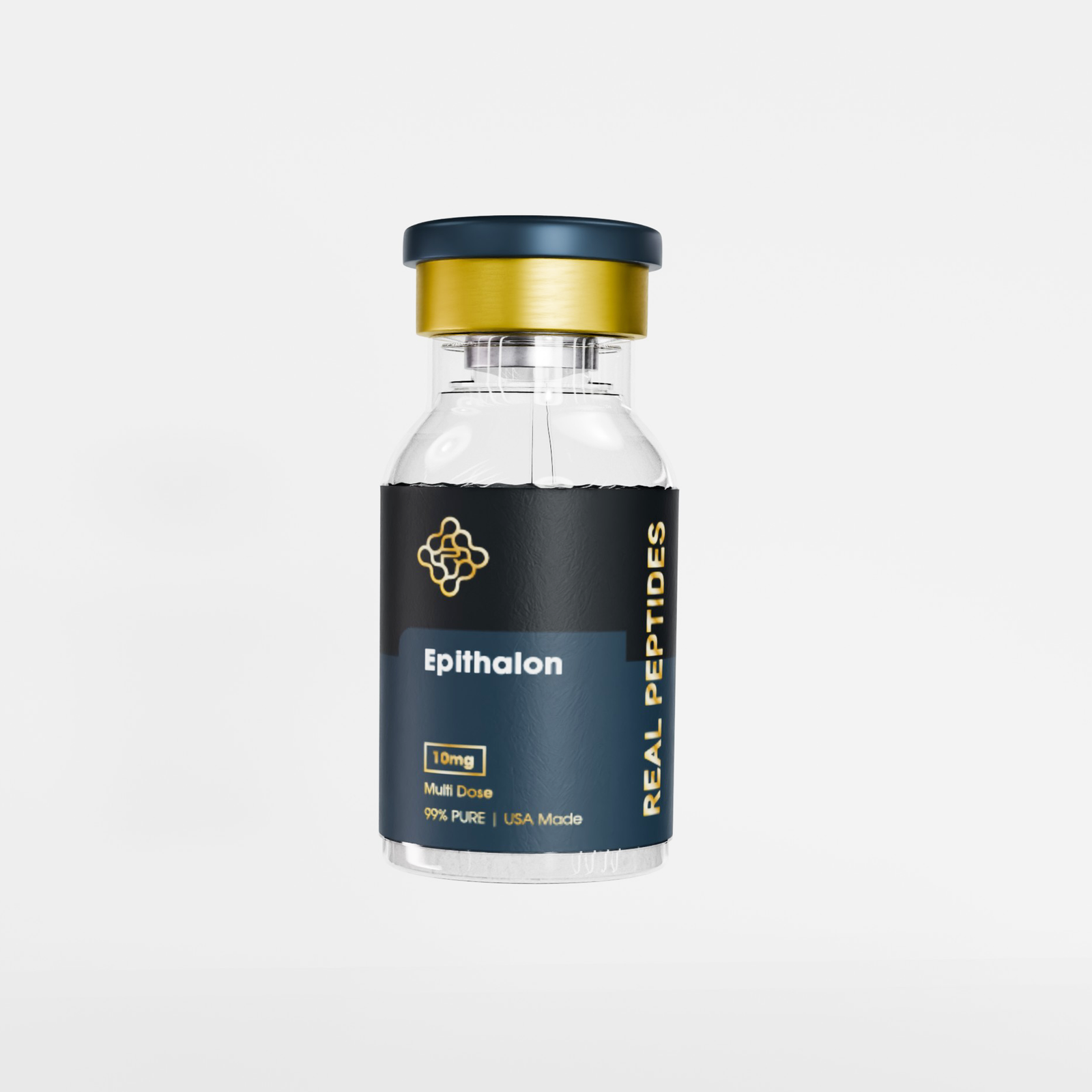
$69.99
Buy Epithalon Peptide 10 mg Online from SourceTides. CAS 307297-39-8 | Sequence: Ala-Glu-Asp-Gly (AEDG) | ≥99% HPLC purity | Endotoxin tested <1 EU/mg (LAL) | Full Certificate of Analysis included | Lyophilised | Cold-chain dispatch. For in-vitro laboratory research use only. Not for human consumption.
1000 in stock
Buy Epithalon Peptide 10 mg Online | ≥99% Purity | Certificate of Analysis Included
Buy Epithalon Peptide 10 mg Online from SourceTides — the research-grade tetrapeptide (Ala-Glu-Asp-Gly; AEDG; CAS 307297-39-8) supplied at ≥99% HPLC-verified purity with a full Certificate of Analysis. Every vial is lyophilised under ISO-grade conditions, independently endotoxin-tested (LAL <1 EU/mg), and dispatched on dry-ice cold chain. Epithalon is intended exclusively for in-vitro laboratory and preclinical research use only and is not approved for human consumption.
Epithalon 10 mg Technical Specifications
| Parameter | Specification |
|---|---|
| IUPAC Name | (S)-2-((S)-2-((S)-2-amino-3-methylbutanoyl-amino)-4-carboxybutanoyl-amino) succinic acid glycine amide |
| Amino Acid Sequence | H-Ala-Glu-Asp-Gly-OH (AEDG) |
| Molecular Formula | C₁₄H₂₂N₄O₉ |
| Molecular Weight | 390.35 g/mol |
| CAS Number | 307297-39-8 |
| PubChem CID | 219042 |
| Also Known As | Epitalon, Epithalone, Epithalamin tetrapeptide, AEDG peptide |
| Peptide Type | Synthetic tetrapeptide (4 amino acids); linear, non-cyclic |
| Biological Origin | Synthetic analog of Epithalamin, a polypeptide fraction from bovine pineal gland |
| Receptor / Target | Methylated DNA (preferential binding), Histone H1 (H1.3 / H1.6), hTERT promoter regions |
| Primary Mechanism | Telomerase (hTERT) upregulation; epigenetic chromatin remodelling; pineal melatonin restoration |
| Plasma Half-Life (est.) | <15 minutes (unmodified tetrapeptide; rapid exopeptidase/endopeptidase degradation) |
| Solubility | Soluble in bacteriostatic water, sterile saline, PBS (pH 7.0); 2.5 mg/mL recommended reconstitution |
| Physical Form | White lyophilised powder |
| Purity | ≥99% (HPLC-verified, mass spectrometry confirmed) |
| Endotoxin Level | <1 EU/mg (LAL chromogenic assay) |
| Storage — Lyophilised | −20°C, desiccated, protect from light; stable 24+ months |
| Storage — Reconstituted | 2–8°C for 7 days; −20°C for extended use; avoid freeze-thaw cycles |
| Certificate of Analysis (CoA) | Included with every order (downloadable PDF; lot-specific HPLC & MS traces) |
| Vial Size | 10 mg per vial |
| Regulatory Status | Research compound only; not FDA, EMA, TGA, or Health Canada approved for therapeutic use |
| WADA Status | Not explicitly listed on 2024–2025 WADA Prohibited List (verify current list before use in sport research) |
What Is Epithalon Peptide?
Epithalon (also spelled Epitalon or Epithalone) is a synthetic tetrapeptide comprising the four-amino-acid sequence Alanine-Glutamic acid-Aspartic acid-Glycine (AEDG). It was originally identified by Professor Vladimir Khavinson and colleagues at the St. Petersburg Institute of Bioregulation and Gerontology during the late 1980s and early 1990s. The peptide was engineered as the bioactive, chemically defined analog of Epithalamin — a crude polypeptide extract obtained from bovine pineal glands that had previously demonstrated geroprotective properties in Soviet-era animal studies.
The central scientific rationale for Epithalon research lies in its capacity to activate telomerase — the enzyme responsible for maintaining and elongating telomeres, the protective nucleotide repeats capping chromosomal ends. Telomere length is a recognised biomarker of biological age: human somatic cells lose approximately 50–70 base pairs of telomeric DNA per division, progressively approaching the Hayflick limit and entering replicative senescence. By upregulating hTERT (the catalytic subunit of telomerase), Epithalon has been shown in multiple in-vitro models to extend telomere length beyond this natural boundary — a finding that has catalysed its widespread use as a model compound in aging biology research.
Beyond telomere biology, the peptide’s interactions with the pineal gland distinguish it from other geroprotective compounds. The pineal gland’s melatonin output declines significantly with age, disrupting circadian rhythms and reducing systemic antioxidant defence. Epithalon appears to stimulate pineal cells to restore melatonin synthesis rhythms observed in younger subjects. This dual mechanism — cellular lifespan extension at the chromosomal level combined with restoration of neuroendocrine circadian architecture — makes Epithalon among the most mechanistically complex tetrapeptides currently studied in preclinical gerontology.
A landmark 2025 study published in the journal Biogerontology (Al-Dulaimi et al., 2025; PMC full text) independently confirmed, using qPCR and immunofluorescence, that Epitalon increases telomere length in normal human cell lines through hTERT upregulation, providing the first significant Western-laboratory replication of Khavinson’s foundational 2003 findings. Researchers studying cellular senescence, neuroendocrine aging, oxidative stress biology, or longevity pharmacology will find Epithalon 10 mg from SourceTides an essential reference compound.
Mechanism of Action: How Epithalon Works at the Molecular Level
Epithalon’s biological activity is mediated through at least four distinct and interconnected molecular pathways. Each pathway has been characterised across in-vitro cell culture experiments, in-vivo rodent and primate studies, and in-silico modelling, providing a layered mechanistic picture that continues to evolve as independent laboratories replicate and extend the original Russian findings.
1. Telomerase Activation via hTERT Upregulation
The most extensively documented mechanism of Epithalon action is its capacity to upregulate expression of hTERT (human Telomerase Reverse Transcriptase) — the rate-limiting catalytic subunit of the telomerase holoenzyme. In telomerase-negative human fetal fibroblasts, Epithalon treatment induced hTERT mRNA expression de novo, thereby reactivating telomerase enzymatic activity in cells that had naturally silenced it as part of differentiation. This was confirmed by the TRAP (Telomere Repeat Amplification Protocol) assay and directly correlated with measurable telomere elongation. In the 2025 Al-Dulaimi et al. study, dose-dependent telomere length extension was quantified using both qPCR and immunofluorescence microscopy in normal human fibroblast (IBR.3) and epithelial cell (HMEC) lines treated for three weeks at 1.0 µg/mL concentrations. The data confirmed that Epithalon-treated cells exceeded replicative limits achievable in untreated controls — the molecular basis of what Khavinson originally described as “extension of the Hayflick limit.” Mechanistically, Epithalon’s tetrapeptide structure appears to modulate transcription factor access at the hTERT promoter, potentially by interacting with histone H1 proteins (H1.3 and H1.6) to remodel chromatin architecture and render the hTERT gene locus accessible. See: Al-Dulaimi et al. 2025, Biogerontology.
2. Epigenetic Modulation — Methylated DNA Binding and Gene Expression
Epithalon has been demonstrated to bind preferentially to methylated cytosine residues in DNA — a property with broad epigenetic implications. Hypermethylation of gene promoters is a well-established mechanism of gene silencing associated with aging and cellular senescence. By interacting with methylated chromatin regions, Epithalon may facilitate de-repression of genes whose silencing contributes to the aging phenotype, including those encoding antioxidant enzymes, DNA repair machinery, and neuroendocrine regulators. A 2020 peer-reviewed study published in Molecules (Khavinson et al., PMID: 32019204; PMC full text) demonstrated that AEDG peptide stimulates gene expression and protein synthesis during neurogenesis in cellular models, proposing epigenetic chromatin remodelling as the mechanistic underpinning. This epigenetic axis of action positions Epithalon among a growing class of “epigenetic bioregulator” research peptides relevant to aging genomics laboratories.
3. Pineal Gland Stimulation and Melatonin Pathway Restoration
Independent of its nuclear epigenetic activities, Epithalon exerts documented neuroendocrine effects through stimulation of pineal gland melatonin synthesis. The pineal gland’s nocturnal melatonin output declines progressively with age, driven by degenerative changes in pinealocyte function, reduced sensitivity to sympathetic signals, and decreased N-acetyltransferase activity. In a landmark primate study using aged rhesus macaques (Khavinson et al., 2001; PubMed PMID: 11524632), Epithalon administration significantly stimulated evening melatonin synthesis and restored the circadian amplitude of both melatonin and cortisol secretion curves toward patterns characteristic of younger animals. Melatonin’s downstream effects are wide-ranging: as the primary endogenous ligand for MT1/MT2 receptors in the suprachiasmatic nucleus and peripheral tissues, melatonin coordinates circadian gene expression (BMAL1, CLOCK, PER1/2), antioxidant enzyme transcription (catalase, superoxide dismutase, glutathione peroxidase), and immune cell function. Restoration of melatonin circadian amplitude by Epithalon therefore creates a cascade of systemic regulatory corrections extending well beyond simple sleep modulation. This pathway also connects Epithalon to research on melatonin deficiency, jet-lag biology, shift-work disorders, and age-related immunosenescence.
4. Antioxidant Defence Enhancement and Oxidative Stress Reduction
A fourth mechanistic axis involves direct and indirect enhancement of antioxidant defence systems. Animal studies have demonstrated that Epithalon — and its parent extract Epithalamin — reduce markers of lipid peroxidation (measured as TBARS/MDA), decrease reactive oxygen species (ROS) load in multiple tissue compartments, and upregulate endogenous antioxidant enzymes including superoxide dismutase (SOD) and catalase in aged rodents. These antioxidant effects are partially attributable to the restoration of melatonin levels (melatonin itself is a potent direct ROS scavenger and indirect inducer of antioxidant gene expression). However, in-vitro cell culture studies demonstrate antioxidant activity that is not fully explained by melatonin alone, suggesting direct peptide-mediated effects on oxidative stress pathways. From a research standpoint, Epithalon’s antioxidant properties make it a relevant compound for studies of mitochondrial dysfunction, oxidative DNA damage, and the role of ROS in driving telomere attrition — a topic of growing interest given evidence that oxidative stress accelerates telomere shortening independently of the replication-based end-problem.
Epithalon Research Evidence Summary
| Research Area | Evidence Tier | Key Finding | Source |
|---|---|---|---|
| Telomere Elongation | In vitro (human cell lines) — 2025 independent replication | Dose-dependent telomere length extension in normal fibroblast and epithelial cells via hTERT upregulation confirmed by qPCR and immunofluorescence | Al-Dulaimi et al. 2025, Biogerontology (PMC) |
| Telomerase Reactivation | In vitro (human somatic cells) | Induced hTERT expression and telomerase enzymatic activity in telomerase-negative fibroblasts; telomere elongation confirmed via TRAP assay | Khavinson et al. 2003, PubMed PMID: 12937682 |
| Circadian / Melatonin Restoration | In vivo (aged rhesus macaques) | Normalised evening melatonin synthesis and cortisol circadian rhythm in senescent primates; neuroendocrine regulatory effect confirmed | Khavinson et al. 2001, PubMed PMID: 11524632 |
| Epigenetic Gene Expression | In vitro (neurogenesis model) | AEDG peptide stimulated gene expression and protein synthesis in neurogenic cell culture; epigenetic chromatin remodelling mechanism proposed | Khavinson et al. 2020, Molecules (PMC) |
| Lifespan Extension | In vivo (rodent models) | Epithalamin/Epithalon extended mean and maximal lifespan in mice and Drosophila melanogaster; effects associated with reduced oxidative damage | Anisimov et al. 2001, PubMed PMID: 10604139 |
| Antioxidant / Anti-mutagenic | Preclinical (rodent) | Reduced lipid peroxidation markers (MDA/TBARS), upregulated SOD and catalase, decreased oxidative DNA damage in aged animal tissues | Khavinson et al. 2020, PMC7037223 |
| Retinal Protection | Preclinical / early human observational | Pineal tetrapeptide reported to improve retinal cell condition in pigmentary retinal degeneration models | Khavinson et al. 2002, PubMed PMID: 11927174 |
| ALT Pathway (Cancer Cell Telomeres) | In vitro (breast cancer cell lines) — 2025 | In cancer cells, Epithalon downregulated telomerase while activating ALT (Alternative Lengthening of Telomeres); proposed mechanism via H1 histone binding and H19 upregulation | Al-Dulaimi et al. 2025, Biogerontology |
Epithalon and Telomere Biology: The Strongest Evidence Domain
Telomere maintenance is the primary research domain in which Epithalon has accumulated the most mechanistically rigorous and independently replicated evidence. Understanding the depth and limitations of this evidence is essential for designing valid research protocols.
The Foundational 2003 Studies
Khavinson, Bondarev, and Butyugov (2003) published the first demonstration that Epithalon could induce telomerase activity in human somatic cells — cells in which telomerase is normally silenced following developmental differentiation. Using human fetal fibroblast (602/17) and adult lung fibroblast cultures alongside telomerase-positive HeLa cells as comparators, the investigators applied Epithalon and assessed telomerase activity via the TRAP assay alongside telomere length measurement. Results showed: (1) de novo induction of hTERT mRNA expression in fibroblasts that had no detectable telomerase activity at baseline; (2) upregulation of telomerase enzymatic activity confirmed by TRAP; and (3) measurable telomere length extension in treated cultures compared to untreated controls. Critically, Epithalon-treated fibroblasts continued dividing beyond the Hayflick limit — the canonical maximum number of somatic cell divisions imposed by progressive telomere shortening — providing the first evidence that Epithalon could functionally extend cellular replicative lifespan at the molecular level.
The 2025 Independent Western Replication
For over two decades, the telomere/telomerase data for Epithalon rested almost entirely on work from Khavinson’s St. Petersburg group — a significant limitation noted by multiple independent reviewers. This changed significantly in 2025 when Al-Dulaimi and colleagues published a study in Biogerontology (Springer; DOI: 10.1007/s10522-025-10315-x) representing the first major Western-laboratory replication using modern molecular biology methodology. The study employed normal human fibroblast (IBR.3) and mammary epithelial (HMEC) cells alongside breast cancer lines (21NT and BT474), treating with 0.1–1.0 µg/mL Epithalon for 3–21 days. Key findings confirmed by qPCR and immunofluorescence included: dose-dependent hTERT mRNA upregulation in normal cells; corresponding increases in telomere length measurable at the single-cell level; and a mechanistically distinct pattern in cancer cells, where Epithalon downregulated telomerase while activating the Alternative Lengthening of Telomeres (ALT) pathway — a finding with significant implications for cancer biology research. The proposed mechanism for the differential cancer-cell effect involves Epithalon’s binding to histone H1 (H1.3 and H1.6), which in turn upregulates H19 (a long non-coding RNA known to suppress telomerase), thereby redirecting telomere maintenance from TERT-dependent to ALT-dependent mechanisms. This differential mechanism is an active area of investigation and provides a compelling framework for studying the intersection of epigenetics, telomere biology, and cancer cell biology using Epithalon as a molecular probe.
Lifespan Extension Data in Animal Models
Multiple independent preclinical studies — primarily by Anisimov and colleagues — demonstrated significant lifespan extension in both rodent and invertebrate models. In mice, Epithalamin (the parent extract) and synthetic Epithalon extended mean lifespan by 13–25% in some studies, with parallel reductions in spontaneous tumour incidence. In Drosophila melanogaster models, similar lifespan extension was observed alongside reductions in free radical oxidation markers (Anisimov et al., 2001). While none of these animal studies have been independently replicated outside Russian-affiliated laboratories — a limitation clearly acknowledged in the scientific community — the mechanistic consistency across species (rodents, primates, invertebrates) and the new 2025 in-vitro human cell data lend increasing credibility to the foundational hypothesis that telomerase-mediated telomere maintenance is the primary molecular mechanism underlying the observed lifespan effects.
What Research Is Epithalon Most Relevant For?
| Research Discipline | Application | Why Epithalon |
|---|---|---|
| Aging / Gerontology | Cellular senescence models; biological age assays; geroprotective compound screening | Activates telomerase, extends replicative lifespan, extends Hayflick limit in cell culture; positive reference compound for anti-aging research |
| Telomere Biology | hTERT expression studies; telomere length assays (TRAP, qPCR, FISH); ALT pathway investigation | Directly upregulates hTERT; differential mechanism (hTERT upregulation in normal cells; ALT activation in cancer cells) makes it a unique bifunctional probe |
| Epigenetics | DNA methylation interaction studies; chromatin remodelling; histone H1 biology | Binds methylated cytosine preferentially; interacts with H1.3/H1.6; modulates gene expression at epigenetic level via chromatin accessibility |
| Neuroendocrinology | Pineal gland function; melatonin synthesis; circadian rhythm regulation; hypothalamic-pituitary axis | Demonstrated restoration of pineal melatonin circadian amplitude in aged primate models; relevant to circadian biology, sleep research, and neuroendocrine aging |
| Oncology / Cancer Biology | Cancer cell telomere maintenance; ALT pathway activation; tumour suppression mechanisms | Distinct differential mechanism in cancer vs normal cells; reduced spontaneous tumour incidence in lifetime animal studies; active area of mechanistic investigation |
| Oxidative Stress / Redox Biology | ROS measurement; lipid peroxidation; antioxidant enzyme expression; mitochondrial dysfunction | Reduces lipid peroxidation and ROS markers in animal models; both direct (melatonin-mediated) and indirect antioxidant mechanisms documented |
| Ophthalmology / Retinal Biology | Retinal degeneration models; photoreceptor protection; age-related macular research | Published data on retinal cell protection in pigmentary degeneration models; pineal melatonin connection relevant to light/dark photoreceptor physiology |
Epithalon Pharmacokinetics for Research Design
| Parameter | Value / Notes | Research Design Implication |
|---|---|---|
| Plasma Half-Life | <15 minutes (estimated; no formal PK study published); rapid exopeptidase/endopeptidase degradation of the linear AEDG sequence | Biological responses likely persist far longer than circulating peptide; downstream gene expression changes (hTERT) measured over days-to-weeks rather than hours |
| Route of Administration (preclinical) | Subcutaneous and intraperitoneal injection standard in animal models; nasal administration studied | Route selection impacts systemic bioavailability and tissue distribution; in-vitro studies typically use direct media supplementation at µg/mL concentrations |
| Oral Bioavailability | Not formally characterised; short peptides susceptible to gastrointestinal peptidase degradation; limited data in published literature | Oral administration not recommended for in-vivo research models without enteric protection strategies |
| Tissue Distribution | Systemic distribution following injection; blood-brain barrier penetration documented in animal studies; detectable in neural tissue | CNS-accessible; relevant for neuroendocrine and neuroprotection research; systemic bioavailability sufficient for pineal gland targeting |
| Metabolism | Peptide bond hydrolysis by plasma and tissue peptidases; constituent amino acids (Ala, Glu, Asp, Gly) recycled via normal amino acid metabolism | No hepatic cytochrome P450 involvement; no known drug-drug metabolic interactions; metabolites are native amino acids |
| Excretion | Renal filtration of small peptide fragments (<50,000 Da); clearance parameters not formally characterised in humans | Renal pathway relevant for models investigating peptide clearance kinetics |
| Onset of Biological Effect | Gene expression changes (hTERT) detectable within 72–96 hours in in-vitro models; melatonin restoration measured over days in primate studies | Short signalling event triggers extended biological response cascade; endpoint measurement windows should extend well beyond peptide detection window |
| In-Vitro Concentration Range | 0.1–1.0 µg/mL used in Al-Dulaimi et al. 2025 (most recent published protocol); dose-dependent responses confirmed across this range | 2025 study protocol (0.1–1.0 µg/mL; daily media refresh; 3–21 day exposure) provides validated reference framework for new telomere biology experiments |
Epithalon Side Effects and Adverse Events: Research Safety Profile
| Adverse Event / Concern | Evidence Base | Mechanism | Research Protocol Note |
|---|---|---|---|
| Injection-site reactions (redness, swelling, soreness) | Preclinical; theoretical extrapolation from subcutaneous peptide administration literature | Local inflammatory response to foreign substance at injection site; non-specific | Use sterile technique; vary injection sites in animal studies; monitor injection sites at each assessment timepoint |
| Immunogenicity (potential) | FDA regulatory communication; no reported cases in published literature | Peptide recognised as foreign antigen; immune response mounted; theoretical risk of antibody formation against AEDG sequence | Monitor immunological parameters in in-vivo studies; this risk not substantiated in any published study but flagged by FDA for this peptide class |
| Theoretical oncogenic risk (telomerase context) | Theoretical; preclinical data actually shows tumour-suppressive effect | Telomerase upregulation theoretically could facilitate cancer cell proliferation; however published animal data shows reduced spontaneous tumour incidence, and 2025 in-vitro data shows differential downregulation of telomerase in cancer cell lines | Cannot be extrapolated to humans without clinical trial data; theoretical concern informs study design for cancer biology experiments |
| No serious adverse events | 2002 human observational study (n=162); lifetime animal studies | N/A — no mechanistic basis for adverse events observed in published data | Absence of reported adverse events reflects limitations of published data (no Phase 1/2/3 trials) rather than confirmed safety |
| No mutagenicity / carcinogenicity reported | Preclinical animal lifetime studies | No DNA damaging or carcinogenic activity observed in multiple animal models; antioxidant/anti-mutagenic effects documented | Standard genotoxicity battery (Ames, micronucleus, comet) not formally published for this compound; regulatory-grade toxicology absent |
| Critical data gaps | 2025 systematic review | N/A — regulatory framework | 2025 systematic review concluded: “information regarding critical issues about this peptide’s safety is missing” — absence of data is not evidence of safety; appropriate for research characterisation only |
SourceTides Quality Control Epithalon 10 mg
When you buy Epithalon Peptide 10 mg online from SourceTides, every batch passes a multi-stage quality control process before release. Our commitment to analytical rigour reflects the standards required for reproducible preclinical research.
| QC Test | Method | Specification | Notes |
|---|---|---|---|
| Purity Assay | Reversed-phase HPLC (RP-HPLC; C18 column; UV 220 nm) | ≥99% peak area purity | HPLC chromatogram provided in CoA; lot-specific trace available on request |
| Molecular Identity | Mass Spectrometry (ESI-MS or MALDI-TOF) | Confirmed [M+H]⁺ = 391.36 Da (MW 390.35 + H⁺) | Confirms sequence identity; distinguishes from truncated or scrambled peptides |
| Endotoxin Testing | Limulus Amebocyte Lysate (LAL) chromogenic assay | <1 EU/mg | Critical for cell-based assays; prevents LPS-mediated inflammatory artefacts that could confound gene expression data |
| Sterility | Membrane filtration (0.22 µm) and visual inspection | No microbial contamination detected | Sterile lyophilisation environment; aseptic vial filling |
| Residual Moisture | Karl Fischer titration | <5% w/w | Low moisture content critical for lyophilised peptide shelf stability at −20°C |
| Appearance | Visual inspection | White to off-white lyophilised powder; no visible particulates | Discolouration may indicate oxidation or contamination; reject if yellow or grey |
| Cold-Chain Dispatch | Dry-ice packaging; temperature-logged shipping | Maintained ≤−20°C throughout transit | Peptide stability during shipment is manufacturer’s responsibility up to delivery; store immediately on receipt |
| Certificate of Analysis | Lot-specific document covering all QC parameters | Provided with every order; downloadable PDF | Includes HPLC trace, MS data, endotoxin result, purity value, synthesis date, expiry, and storage conditions |
| Synthesis Notes | Solid-phase peptide synthesis (SPPS; Fmoc chemistry); AEDG linear sequence | No D-amino acids; no modifications unless specified | Native L-amino acid configuration; not acetylated or amidated (standard form); susceptible to oxidation of Asp/Glu residues — avoid prolonged exposure to air post-reconstitution |
Epithalon Regulatory Status by Jurisdiction
| Jurisdiction | Status | Notes |
|---|---|---|
| USA (FDA) | Not approved; research chemical only | Not a controlled substance under DEA scheduling. Sold legally as a research compound with “not for human consumption” labelling. FDA includes Epithalon in a group of peptides flagged for potential immunogenicity risk. |
| Australia (TGA) | Unapproved therapeutic good; research access only | Not listed on ARTG (Australian Register of Therapeutic Goods). Access through authorised research channels only. Not permitted for personal importation as a supplement. |
| United Kingdom (MHRA) | Unlicensed; research use only | No MHRA marketing authorisation. Not a controlled drug under the Misuse of Drugs Act 1971. Research compound status applies. Post-Brexit UK law applies independently of EMA framework. |
| Canada (Health Canada) | Unapproved new drug; research access only | Not authorised for sale as a supplement or therapeutic drug. May only be accessed through research channels. Not a controlled substance under CDSA. |
| European Union (EMA) | No EMA marketing authorisation; research use | Some clinical/gerontological research conducted under Russian-European collaborations; not an approved medicinal product in any EU member state through EMA pathway. Used experimentally in some specialist geriatric medicine contexts in Eastern Europe. |
| Russia | Used experimentally in geriatric medicine contexts | Origin of the majority of published clinical and preclinical research. Used in some specialist bioregulation therapy settings. Not a formal pharmaceutical approval equivalent to FDA/EMA standards. |
| WADA | Not listed on 2024–2025 Prohibited List | Not currently prohibited in sport. However, WADA’s Prohibited List is updated annually; researchers designing sport science studies must verify current list status. Telomerase-activating compounds may attract future regulatory scrutiny given potential for performance enhancement through accelerated tissue repair. |
Epithalon vs Related Research Peptides Comparison
| Compound | Class | Primary Research Focus | Key Differentiation vs. Epithalon | SourceTides |
|---|---|---|---|---|
| Epithalon 10 mg (this product) | Tetrapeptide bioregulator | Telomerase activation; cellular aging; circadian/melatonin; epigenetics | — | Buy Epithalon 10 mg |
| BPC-157 | Pentadecapeptide; gastric peptide fragment | Tissue repair; tendon/ligament healing; GI protection; angiogenesis | Larger 15-AA peptide; focused on peripheral tissue repair rather than telomere/epigenetic aging; much larger body of rodent data | BPC-157 research peptide |
| TB-500 (Thymosin Beta-4) | 43-amino acid thymic peptide | Actin regulation; wound healing; anti-inflammatory; cardiac protection | Much larger peptide; actin-binding mechanism; no telomerase activity; strong immune modulation data; complementary rather than overlapping with Epithalon | TB-500 research peptide |
| Thymosin Alpha-1 | 28-AA thymic peptide; FDA-approved in some jurisdictions | Immune modulation; antiviral; cancer immunotherapy adjuvant | Thymic origin (vs. pineal); immunomodulatory primary mechanism; FDA-approved for hepatitis B in some regions; no telomerase mechanism | Thymosin Alpha-1 research peptide |
| GHK-Cu (Copper Peptide) | Tripeptide; copper complex | Wound healing; collagen synthesis; antioxidant; gene expression modulation | Tripeptide with copper coordination; skin/connective tissue focus; broad gene expression effects through copper-dependent mechanisms; no pineal/melatonin axis | GHK-Cu research peptide |
| Semax | 7-AA synthetic ACTH analog | Neuroprotection; BDNF upregulation; cognitive function; stroke recovery | CNS-focused neuropeptide; ACTH fragment derivative; BDNF/NGF upregulation mechanism; Russian origin (similar development context to Epithalon); no telomerase activity | Semax research peptide |
Peer-Reviewed References for Epithalon Research
| # | Citation | Link |
|---|---|---|
| 1 | Al-Dulaimi A et al. (2025). Epitalon increases telomere length in human cell lines through telomerase upregulation or ALT activity. Biogerontology. DOI: 10.1007/s10522-025-10315-x. | PMC Full Text |
| 2 | Khavinson VK, Bondarev IE, Butyugov AA. (2003). Epithalon peptide induces telomerase activity and telomere elongation in human somatic cells. Bull Exp Biol Med. 135(6):590–592. PMID: 12937682. | PubMed |
| 3 | Khavinson V, Goncharova N, Lapin B. (2001). Synthetic tetrapeptide epitalon restores disturbed neuroendocrine regulation in senescent monkeys. Neuro Endocrinol Lett. 22(4):251–254. PMID: 11524632. | PubMed |
| 4 | Khavinson V et al. (2020). AEDG Peptide (Epitalon) Stimulates Gene Expression and Protein Synthesis during Neurogenesis: Possible Epigenetic Mechanism. Molecules. 25(3):609. PMID: 32019204. | PMC Full Text |
| 5 | Anisimov VN et al. (2001). Effect of melatonin and pineal peptide preparation epithalamin on life span and free radical oxidation in Drosophila melanogaster. Mech Ageing Dev. PMID: 10604139. | PubMed |
| 6 | Khavinson VKh et al. (2002). Pineal-regulating tetrapeptide epitalon improves eye retina condition in retinitis pigmentosa. Neuro Endocrinol Lett. PMID: 11927174. | PubMed |
| 7 | PubChem. Epitalon. Compound CID 219042. National Library of Medicine. | PubChem CID 219042 |
| 8 | Alzheimer’s Drug Discovery Foundation. (2015). Cognitive Vitality Research Report: Epithalamin/Epithalon. ADDF. | ADDF Cognitive Vitality Report |
| 9 | Schellnegger M et al. (2024). Telomere Length as Biomarker of Biological Aging. Aging. Published 2024. | NIH / PMC |
Frequently Researched Alongside Epithalon — Related SourceTides Peptides
Researchers investigating cellular aging, neuroendocrine regulation, and longevity biology often combine Epithalon with the following complementary compounds available from SourceTides:
- BPC-157 research peptide — Tissue repair and gut protection; frequently paired in multi-target longevity protocols
- TB-500 (Thymosin Beta-4) research peptide — Actin regulation, wound healing, and cardiac protection; complementary to Epithalon’s systemic aging research applications
- GHK-Cu (Copper Peptide) research peptide — Antioxidant and gene expression modulation; studied alongside Epithalon in oxidative stress and skin biology research
- Semax research peptide — Russian-origin neuropeptide; BDNF upregulation and neuroprotection; studied alongside Epithalon in neuroendocrine aging protocols
- Thymosin Alpha-1 research peptide — Immune modulation and thymic function; relevant for aging immune system research alongside Epithalon
- Pinealon research peptide — Another pineal-derived bioregulator peptide; studied alongside Epithalon in circadian and neuroendocrine research models
Frequently Asked Questions: Epithalon Peptide 10 mg
Where can I buy Epithalon Peptide 10 mg with a Certificate of Analysis?
You can buy Epithalon Peptide 10 mg online directly from SourceTides. Every vial ships with a downloadable lot-specific Certificate of Analysis (CoA) that includes the HPLC chromatogram confirming ≥99% purity, ESI-MS or MALDI-TOF identity data, endotoxin test result (LAL <1 EU/mg), and full storage/handling specifications. The CoA is generated per batch — not a generic template — meaning your research data is traceable to a specific manufacturing lot.
What purity of Epithalon do I need for cell culture research?
For in-vitro cell culture research, including telomere length assays, gene expression studies, and hTERT measurement, ≥99% HPLC purity is the recommended minimum. Sub-99% purity batches may contain synthesis by-products, truncated sequences, or racemisation products that can confound assay results. The 2025 Al-Dulaimi et al. Biogerontology study — the most recent independent peer-reviewed Epithalon study — used peptide certified as 99% pure, providing a validated benchmark. SourceTides supplies Epithalon 10 mg at ≥99% purity with lot-specific HPLC and MS confirmation. The endotoxin specification (<1 EU/mg by LAL assay) is equally critical for cell-based assays to prevent LPS-mediated inflammatory artefacts.
How should I store Epithalon peptide to maintain stability?
Lyophilised Epithalon should be stored at −20°C, desiccated, and protected from light. Under these conditions, the lyophilised peptide is stable for 24 months or longer. Once reconstituted, store the solution at 2–8°C and use within 7 days, or freeze aliquots at −20°C for longer-term use. Avoid freeze-thaw cycles — prepare single-use aliquots when planning multi-day experiments. For best practice, add 0.1% HSA or BSA as a carrier protein if the reconstituted solution will be stored long-term. Never store reconstituted Epithalon at room temperature. All SourceTides Epithalon vials are dispatched on dry-ice cold chain to preserve integrity during shipping.
Is Epithalon legal to purchase and use for research in the USA UK, Australia, and Canada?
Epithalon occupies research compound status in all major Western jurisdictions. In the USA, it is not FDA-approved for therapeutic use, not a controlled substance, and is legally sold as a research chemical. In the UK, it is unlicensed but not a controlled drug under the Misuse of Drugs Act 1971. In Australia, it is not listed on the ARTG and is classified as an unapproved therapeutic good; legitimate research access applies. In Canada, it is classified as an unapproved new drug accessible through research channels. In all jurisdictions, Epithalon from SourceTides is supplied exclusively for in-vitro laboratory research use only. Researchers should verify local import regulations before ordering. Visit the SourceTides shipping policy page for jurisdiction-specific dispatch information.
What does the peer-reviewed research show about Epithalon?
The strongest published evidence for Epithalon centres on telomerase activation and telomere elongation in human cell lines, with the most significant recent finding being the 2025 independent Western replication by Al-Dulaimi et al. in Biogerontology, which confirmed dose-dependent telomere length extension via hTERT upregulation in normal human fibroblasts and epithelial cells. Earlier foundational work by Khavinson et al. (2003) established hTERT induction in telomerase-negative somatic cells. Primate studies demonstrated melatonin circadian restoration in aged rhesus macaques. Rodent and Drosophila models showed lifespan extension effects. Significant caveats apply: the majority of published data originates from a single Russian research group; human clinical trial data is extremely limited; and comprehensive safety characterisation has not been conducted. Researchers should review all studies via PubMed before designing experiments. SourceTides provides academic reference links on every Epithalon product page.
What is the safety profile and known side effects of Epithalon in research models?
In published preclinical animal studies, Epithalon has demonstrated a generally favourable safety profile: no significant adverse events were reported in lifetime rodent studies, no mutagenicity or carcinogenicity was observed, and the compound actually reduced spontaneous tumour incidence in some animal models. A 2002 human observational study (n=162) reported no serious adverse events in the Epithalon-treated group. However, critical gaps exist: no Phase 1/2/3 human clinical trials have been conducted; the FDA has flagged Epithalon as belonging to a class of peptides with potential immunogenicity risk; and a 2025 systematic review noted that key safety information remains missing. For in-vitro use, the primary concern is endotoxin contamination — SourceTides tests all Epithalon 10 mg vials to <1 EU/mg by LAL assay. The theoretical telomerase-cancer risk is not substantiated by published data but remains a design consideration for cancer biology experiments.
How does Epithalon compare to BPC-157 or TB-500 for longevity research?
Epithalon, BPC-157, and TB-500 operate through entirely different molecular mechanisms and serve distinct research purposes. Epithalon’s primary mechanism is telomerase (hTERT) activation, epigenetic chromatin remodelling, and pineal melatonin restoration — making it the compound of choice for cellular aging, telomere biology, and neuroendocrine research. BPC-157 acts primarily as a tissue repair and cytoprotective compound through growth factor-mediated angiogenesis and GI mucosal protection — relevant for wound healing and GI research. TB-500 (Thymosin Beta-4) regulates actin dynamics and promotes cardiac and musculoskeletal tissue repair. These compounds are frequently studied together as complementary mechanistic tools rather than direct alternatives. SourceTides supplies all three: BPC-157 research peptide and TB-500 research peptide alongside Epithalon 10 mg.
What payment methods does SourceTides accept for Epithalon orders?
SourceTides accepts all major credit and debit cards (Visa, Mastercard, American Express), as well as cryptocurrency payments and bank transfers for institutional research orders. All transactions are processed through secure, encrypted payment gateways. For bulk research procurement or institutional purchase orders, contact the SourceTides team via the SourceTides contact page. Orders are verified for research use before dispatch in accordance with our terms of service.
How do I reconstitute Epithalon 10 mg for in-vitro cell culture experiments?
For in-vitro use, dissolve Epithalon lyophilised powder in sterile bacteriostatic water or sterile PBS (pH 7.0–7.4) to prepare a stock solution. The 2025 Al-Dulaimi et al. protocol used 10 mg dissolved in 4 mL bacteriostatic water (2.5 mg/mL stock). Working concentrations of 0.1–1.0 µg/mL are documented in published cell culture research. Filter-sterilise through a 0.22 µm syringe filter before adding to cell culture media. Prepare aliquots for single-use where possible to avoid freeze-thaw degradation. Full reconstitution guidance is included in the CoA provided with every SourceTides Epithalon 10 mg vial. For custom concentrations or dilution advice, contact the SourceTides research support team.
✅ Research Use Only — Important Notice
All products supplied by SourceTides, including Epithalon Peptide 10 mg (CAS 307297-39-8), are intended exclusively for in-vitro laboratory research use only. These products are NOT approved by the FDA, EMA, TGA, Health Canada, or any other regulatory authority for therapeutic, diagnostic, or preventive use in humans or animals. They are not for human consumption. SourceTides products must only be handled by qualified research professionals in appropriate laboratory facilities in accordance with applicable institutional and regulatory guidelines. By purchasing from SourceTides, the buyer confirms they are an authorised researcher and accepts full responsibility for compliance with all applicable laws and regulations in their jurisdiction. SourceTides makes no medical claims and provides all scientific information for reference and educational purposes only.
| Weight | 0.01 lbs |
|---|---|
| Dimensions | 5 × 5 × 5 in |
| Purity | ≥99% (HPLC-verified) |
| Strength | 10 mg |
| Form | Lyophilised Powder |
| CAS Number | 307297-39-8 |
Be the first to review “Epithalon Peptide 10 mg Online | ≥99% Purity | Certificate of Analysis Included”
Related products

Healing & Recovery Peptides
BPC-157 Online | Research-Grade Pentadecapeptide ≥99% Purity
Healing & Recovery Peptides
TB-500 Online | Research-Grade Thymosin Beta-4 Fragment ≥99% Purity
Immune & Antimicrobial Peptides
Thymalin Peptide 10 mg Online | Thymic Bioregulator | ≥99% Purity | CoA | SourceTides
Fat Loss & Metabolic Support Peptides
AOD-9604 Peptide Online | HGH Fragment 176-191 | ≥99% Purity | CoA Included | SourceTides
Fat Loss & Metabolic Support Peptides
Kisspeptin-10 Peptide 10 mg Online | ≥99% Purity | CoA Included | SourceTides
Growth Hormone Modulators Peptides
Tesamorelin Peptide 10 mg | GHRH Analog ≥99% Purity | SourceTides
Cognitive & Mood Support
Reviews
There are no reviews yet.