
From $74.90
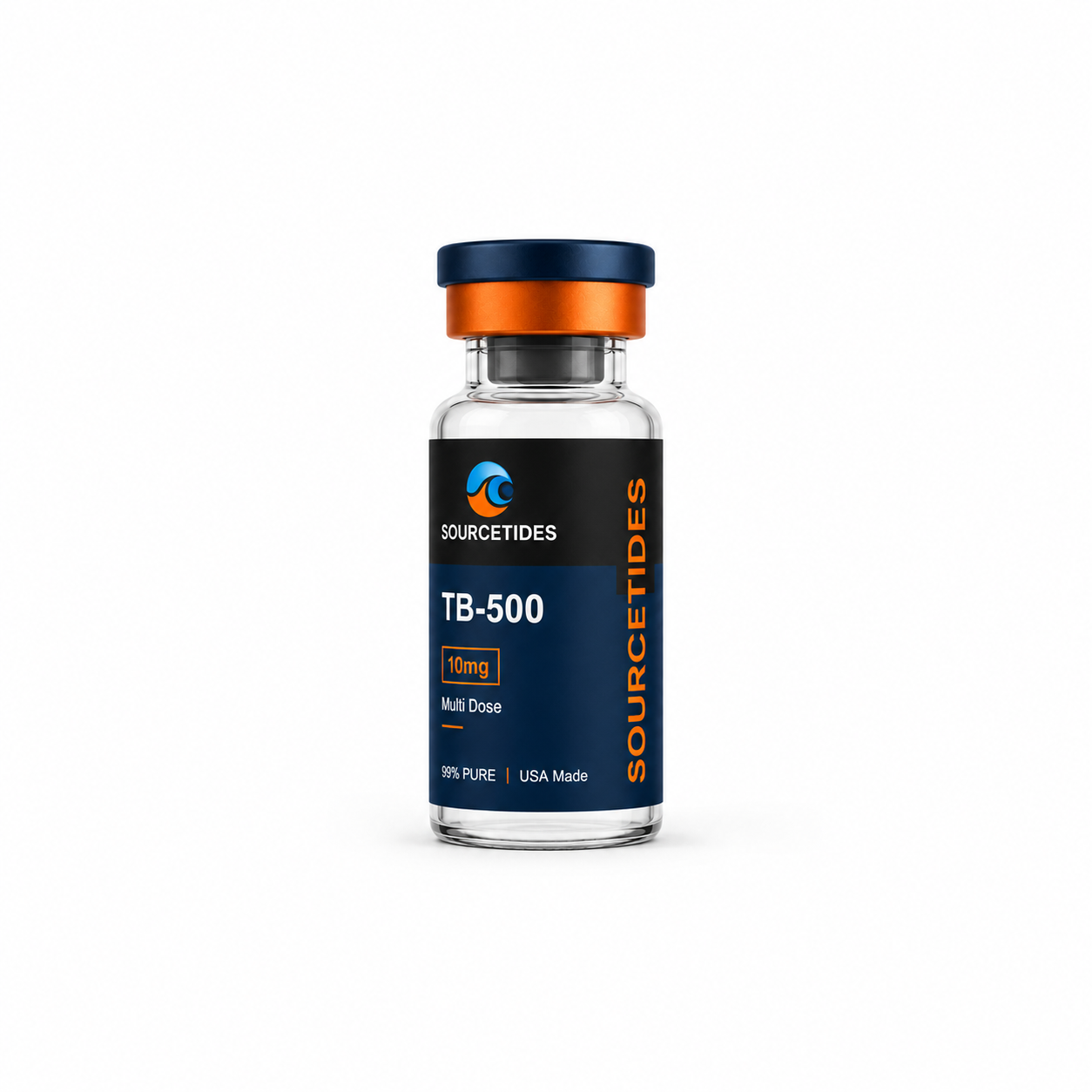
Buy TB-500 Online from SourceTides — research-grade synthetic heptapeptide (Ac-LKKTETQ, Thymosin Beta-4 fragment 17-23) at ≥99% HPLC-verified purity. Available in 5 mg and 10 mg lyophilised vials with third-party batch CoA. Cold-chain packaging. Lab research use only.

Out of stock
Buy TB-500 Online | ≥99% Purity Research Peptide | SourceTides
Buy TB-500 Online from SourceTides and receive a research-grade synthetic heptapeptide supplied at ≥99% purity, confirmed by reverse-phase HPLC and mass spectrometry on every production batch. TB-500 — formally designated Ac-LKKTETQ and also referenced as fequesetide or Thymosin Beta-4 fragment (17–23) — is a 7-amino-acid N-terminally acetylated peptide corresponding to the biologically active actin-binding domain of the endogenous 43-amino-acid protein Thymosin Beta-4 (Tβ4). Thymosin Beta-4 was first isolated from bovine thymus tissue and has since been identified as one of the most abundant and highly conserved intracellular peptides in mammalian biology, found in virtually every tissue and cell type except red blood cells.
TB-500’s 7-residue active fragment (residues 17–23 of the full Tβ4 sequence) was identified as the minimal sequence sufficient for actin binding and cell migration stimulation. Its small molecular size (~889 g/mol) confers pharmacokinetic advantages over the full-length parent molecule — notably rapid tissue penetration, systemic distribution following subcutaneous or intravenous administration in preclinical models, and resistance to extracellular matrix binding, allowing broader tissue distribution than larger growth factor molecules.
Every SourceTides TB-500 vial ships with a batch-specific Certificate of Analysis (CoA) and is handled under cold-chain packaging conditions. This product is supplied exclusively for in-vitro and laboratory research purposes only and is not approved by the FDA, EMA, or any regulatory authority for human therapeutic or veterinary use.
TB-500 Research Peptide — Full Technical Specifications
The table below consolidates the key physicochemical and handling parameters researchers require before sourcing TB-500 for a preclinical study protocol.
| Parameter | Detail |
|---|---|
| Peptide Sequence | Ac-Leu-Lys-Lys-Thr-Glu-Thr-Gln (Ac-LKKTETQ) |
| Chain Length | 7 amino acids (heptapeptide), N-terminally acetylated |
| Molecular Formula | C₃₈H₆₈N₁₀O₁₄ |
| Molecular Weight | ~889 g/mol (Da) |
| CAS Number | 885340-08-9 |
| PubChem CID | 62707662 |
| Purity (HPLC) | ≥99% |
| Identity Confirmation | Mass Spectrometry (MS) |
| Endotoxin Level | <1 EU/mg (LAL assay) |
| Available Vial Sizes | 5 mg · 10 mg |
| Physical Form | Lyophilised (freeze-dried) white powder, sealed glass vial |
| Long-Term Storage | –20 °C (up to 24 months, sealed) |
| Short-Term Storage | 4 °C (up to 4 weeks, sealed) |
| Reconstituted Stability | 4 °C, use within 28 days; avoid repeated freeze-thaw cycles |
| N-Terminal Modification | Acetylated (Ac-) — provides protection against enzymatic degradation |
| Parent Molecule | Thymosin Beta-4 (Tβ4) — 43-amino-acid endogenous peptide |
| Fragment Position | Residues 17–23 of Tβ4 — the primary actin-binding domain |
| Also Known As | Fequesetide, Tβ4 fragment (17–23), Thymosin Beta-4 fragment, Ac-LKKTETQ |
| Certificate of Analysis | Third-party batch CoA included with every order |
| Research Classification | Research use only — not for human consumption or clinical use |
What Is TB-500? Origins, Parent Molecule, and Research Context
TB-500 is a synthetic heptapeptide — seven amino acids in length — engineered to replicate the biologically active actin-binding region of Thymosin Beta-4. Understanding what TB-500 is requires first understanding its parent molecule.
Thymosin Beta-4 (Tβ4) is a 43-amino-acid highly conserved, water-soluble peptide first isolated from bovine thymus tissue and later found to be one of the most abundant intracellular peptides in the mammalian body. It is present in high concentrations in blood platelets, neutrophils, macrophages, and lymphoid tissues. Tβ4’s primary intracellular function is the regulation of actin polymerisation — it sequesters globular actin (G-actin) monomers and buffers the free actin pool, which in turn governs cell motility, cytoskeletal architecture, organogenesis, and tissue repair signalling. A 2007 PubMed review (Bock-Marquette and Bhatt, Current Pharmaceutical Design) described Tβ4 as a “highly conserved, 43-amino acid acidic peptide” playing numerous physiological roles, most prominently the regulation of actin polymerisation with downstream effects on cell motility, organogenesis, and other important cellular events. (PubMed — Tβ4 ischemic heart disease development, 2007)
TB-500 specifically corresponds to residues 17–23 (Ac-LKKTETQ) — the minimal sequence within Tβ4 sufficient for actin binding and cell migration stimulation. Its N-terminal acetylation (the “Ac-” prefix) provides protection against enzymatic degradation, improving stability in biological systems. Because of its dramatically smaller size (~889 g/mol vs. ~4,963 g/mol for full-length Tβ4), TB-500 offers distinct pharmacokinetic characteristics in preclinical models, including rapid tissue penetration and systemic distribution unimpeded by extracellular matrix binding. (Wikipedia — TB-500 identity and classification)
Researchers should note that TB-500 (the 7-AA fragment) and full-length Thymosin Beta-4 (the 43-AA parent) are distinct molecules with different structures, molecular weights, and pharmacokinetic profiles. Clinical trial data from Tβ4 studies (including Phase II dermal wound and corneal injury trials) cannot be directly extrapolated to TB-500 without independent evidence. This distinction is critical for rigorous research methodology.
TB-500 Mechanism of Action — How It Works at the Molecular Level
TB-500 exerts its biological effects through several interconnected pathways, all rooted in its fundamental role as an actin-binding and G-actin sequestering peptide.
G-Actin Sequestration and Cytoskeletal Regulation
The defining molecular function of TB-500 is the sequestration of globular actin (G-actin) monomers. Actin polymerisation — the assembly of G-actin monomers into filamentous actin (F-actin) — is the engine that drives cell shape changes, cell division, and directed cell migration. By binding and buffering the free G-actin pool, TB-500 governs the dynamic balance between G-actin and F-actin, thereby modulating cytoskeletal remodelling. This is the mechanism underlying the cell migration and wound closure effects consistently observed in preclinical models. (ScienceDirect — Thymosin Beta-4 G-actin sequestering overview)
Cell Migration Enhancement
The LKKTETQ actin-binding motif directly promotes directed cell migration across multiple cell types studied in preclinical models — including keratinocytes, fibroblasts, endothelial cells, and muscle satellite cells (myoblasts). A PubMed-indexed study (Ueda et al., Journal of Cell Science, 2010) demonstrated that Tβ4 and its sulphoxidised form significantly accelerated wound closure and increased chemotaxis of C2C12 myoblastic cells, and that primary myoblasts derived from adult muscle satellite cells were chemoattracted to the sulphoxidised form of Tβ4, indicating a role for this peptide axis in muscle injury-triggered regenerative cell recruitment. (PubMed — Thymosin β4 muscle injury chemoattractant, 2010)
Angiogenesis — Endothelial Cell Differentiation and Blood Vessel Formation
TB-500 promotes endothelial cell differentiation and angiogenesis in dermal and other tissue models. Through its capacity to stimulate endothelial cell migration, it supports new blood vessel formation — including in poorly vascularised tissues such as cartilage. This proangiogenic activity is mechanistically linked to its actin-regulation effects on endothelial cytoskeletal dynamics and is consistent with the broader Tβ4 literature on angiogenesis. (MedKoo — TB-500 endothelial differentiation and angiogenesis)
PINCH–ILK–Akt Survival Pathway (Cardiac Models)
In cardiac preclinical models, Thymosin Beta-4 (the parent molecule) has been shown to form a functional complex with PINCH and integrin-linked kinase (ILK), resulting in activation of the survival kinase Akt/PKB — a critical pro-survival signalling cascade. A landmark 2007 PubMed study (Bock-Marquette et al., Nature and follow-up publications) demonstrated that after coronary artery ligation in mice, Tβ4 treatment upregulated ILK and Akt activity in the heart, enhanced early myocyte survival, and improved cardiac function. These findings established the cardioprotective mechanistic framework being investigated in subsequent Tβ4-derivative research. (PubMed — Thymosin beta4 cardioprotective after MI, 2007)
Collagen Deposition and Anti-Fibrotic Activity
TB-500 and the parent Tβ4 molecule promote collagen deposition at wound sites while simultaneously reducing the number of myofibroblasts — the fibre-forming cells responsible for scar tissue formation. This dual action — accelerating extracellular matrix reconstruction while limiting excessive scarring — is a significant research focus. A 2024 Medical Anti-Aging review synthesising multiple rat model studies noted that after 14 days of treatment with 100 µg Tβ4 administered post-incision, treated animals showed thicker and longer collagen fibre bundles, more significant wound width reduction, and less scarring compared to controls. (Medical Anti-Aging — TB-500 collagen and scarring evidence review 2024)
Anti-Inflammatory Cytokine Modulation
Thymosin Beta-4 and its fragments demonstrate the capacity to down-regulate inflammatory chemokines and cytokines in preclinical models. This anti-inflammatory activity operates alongside the proangiogenic and cell-migration effects, contributing to a tissue environment that supports regeneration over chronic inflammation. A PubMed review (Kleinman et al.) summarising animal model studies supporting Tβ4’s multiple biological activities specifically listed down-regulation of inflammatory chemokines and cytokines alongside promotion of cell migration, blood vessel formation, cell survival, and stem cell maturation as core activities. (PubMed — Tbeta4 animal studies multi-function tissue repair 2010)
Keratinocyte Migration and Dermal Wound Healing
Keratinocytes — the primary cells of the skin epidermis — migrate across wound surfaces during re-epithelialisation, the critical first phase of skin wound closure. TB-500 promotes keratinocyte migration through its actin-mediated cytoskeletal effects, accelerating this essential healing step. This is one of the best-documented effects in the preclinical wound-healing literature for this peptide class. The parent Tβ4 molecule entered Phase II clinical trials for chronic wound healing (pressure ulcers, stasis ulcers, epidermolysis bullosa lesions) specifically on the basis of this dermal evidence base.
TB-500 Preclinical Research Areas — Evidence Summary Table
The following table maps the primary research domains investigated in the Tβ4 and TB-500 preclinical literature, along with the model types studied, proposed mechanisms, and source references. All data is from animal or in-vitro models unless otherwise stated.
| Research Area | Model Types | Key Mechanisms | Source |
|---|---|---|---|
| Dermal Wound Healing | Rat incision; diabetic/aged models; burn models | Keratinocyte migration, collagen deposition, reduced scarring, angiogenesis | PubMed — Kleinman 2010 |
| Muscle Repair & Satellite Cell Recruitment | Mouse muscle injury; C2C12 myoblast culture | Myoblast chemotaxis, G-actin regulation, wound closure acceleration | PubMed — Ueda 2010 |
| Cardiac Protection & Repair | Mouse coronary artery ligation (MI model) | PINCH–ILK–Akt activation, cardiomyocyte survival, endothelial cell migration | PubMed — Bock-Marquette 2007 |
| Corneal Wound Healing | Alkali injury model; Phase II clinical trial (Tβ4) | Corneal epithelial cell migration, anti-inflammatory, actin remodelling | PMC — Tandem TB4 corneal 2025 |
| Angiogenesis | Dermal and cartilage vascular models (rat, in-vitro) | Endothelial cell differentiation, new vessel formation, VEGF signalling interaction | ScienceDirect — Tβ4 overview |
| Anti-Inflammatory Activity | Endotoxin septic shock; tissue injury models | Cytokine down-regulation, inflammatory chemokine suppression | PubMed — Kleinman 2010 |
| Hair Follicle Activation | Normal and aged rodent models | Follicle stem cell activation; angiogenesis in dermal papilla | ScienceDirect — Tβ4 overview |
| Neurological Recovery Models | Autoimmune encephalomyelitis; CNS injury (mouse) | Neurological function recovery; anti-inflammatory CNS pathways | MAA Evidence Review 2024 |
Note: cardiac and corneal wound healing clinical data references full-length Thymosin Beta-4 (Tβ4), not TB-500 (the 7-AA fragment). These are distinct molecules. See the TB-500 vs Tβ4 distinction section below.
TB-500 vs. Full-Length Thymosin Beta-4 — An Important Research Distinction
One of the most important methodological considerations when designing TB-500 research protocols is understanding the distinction between TB-500 (Ac-LKKTETQ, residues 17–23, ~889 g/mol) and full-length Thymosin Beta-4 (Tβ4, 43 amino acids, ~4,963 g/mol). These are different molecules with different molecular weights, three-dimensional structures, pharmacokinetic profiles, and potentially different downstream biological effects.
| Property | TB-500 (Ac-LKKTETQ) | Thymosin Beta-4 (Full-Length) |
|---|---|---|
| Amino Acid Length | 7 AA | 43 AA |
| Molecular Weight | ~889 g/mol | ~4,963 g/mol |
| CAS Number | 885340-08-9 | 77591-33-4 |
| Tissue Penetration | Rapid; no ECM binding; broad systemic distribution | Larger; more localised distribution |
| Binding Domains | Actin-binding domain only (residues 17–23) | Full sequence including additional binding/signalling domains |
| Human Clinical Data | Not available (fragment); all data preclinical | Phase II trials (dermal wounds, corneal injury, cardiac) |
| FDA Status | Category 2 bulk drug substance (safety concern; not for compounding) | Category 1 / clinical trial phase (not FDA-approved as drug) |
Clinical data from Tβ4 studies (Phase II wound and corneal trials) cannot be directly cited as evidence for TB-500 without independent experimental validation. A 2025 detailed analysis (Peptidings.com TB-500 review) correctly notes that a 7-word excerpt from a 43-word sentence does not carry all the meaning of the full sentence — the additional regions of Tβ4 may contribute independently to biological effects beyond those of the 17–23 fragment.
TB-500 Pharmacokinetics — Distribution, Stability and Tissue Penetration
TB-500’s pharmacokinetic profile in preclinical models is shaped by three defining physical characteristics: its small molecular size (~889 g/mol), its N-terminal acetylation, and the absence of extracellular matrix binding capacity (unlike larger growth factors that are sequestered at injection sites by ECM proteins).
| PK Parameter | Finding (Preclinical) | Significance |
|---|---|---|
| Tissue Penetration | Rapid, due to low MW (~889 g/mol) | Reaches target tissues faster than larger peptides; broader distribution |
| ECM Binding | Does not bind extracellular matrix | Allows systemic tissue distribution vs. localised injection-site effect |
| Peak Brain Concentration | ~40 min post-IP injection (mouse studies) | Crosses blood-brain barrier in animal models; relevant for CNS research protocols |
| N-Terminal Acetylation Stability | Protects against proteolytic degradation | Extended activity window vs. non-acetylated fragments |
| Human PK Data | Not yet published for TB-500 specifically | All PK data extrapolated from animal models; human data unavailable |
High-Purity TB-500 for Sale — SourceTides Quality Control
Research-grade purity is non-negotiable when sourcing TB-500. Impure peptide preparations introduce uncontrolled variables — undeclared peptide fragments, residual synthesis by-products, or endotoxin contamination — that can confound cellular assay results and invalidate experimental conclusions. SourceTides applies a multi-stage quality verification process to every TB-500 batch before dispatch.
| QC Stage | Method | Specification | Purpose |
|---|---|---|---|
| Purity Assay | Reverse-Phase HPLC | ≥99% | Confirm separation from synthesis by-products & related Tβ4 fragments |
| Identity Confirmation | Mass Spectrometry (MS) | Exact MW match (~889 g/mol) | Verify correct Ac-LKKTETQ sequence; rule out full-length Tβ4 contamination |
| Endotoxin Testing | LAL Assay | <1 EU/mg | Prevent LPS interference in cell-based assays (critical for migration studies) |
| Batch Traceability | Third-Party Lab CoA | Included with every order | Full lot documentation for research records and publication methodology |
| Cold-Chain Packaging | Insulated + cold packs | ≤4 °C maintained in transit | Preserve lyophilised integrity warehouse to lab |
TB-500 Regulatory and Legal Status — 2025 Overview
⚠️ Important Regulatory Notice: TB-500 is not approved by the FDA, EMA, TGA, or any major regulatory body for human or veterinary therapeutic use. The FDA has classified TB-500 as a Category 2 bulk drug substance (as of 2023), identifying it as a compound with safety concerns not permitted for pharmaceutical compounding. SourceTides supplies TB-500 exclusively as a research reagent for in-vitro and laboratory use by qualified researchers.
| Jurisdiction | Status (2025) | Notes |
|---|---|---|
| USA | FDA Category 2 bulk substance; not approved, not for compounding | Research sale permitted; not for human use; FDA updated list late 2023 |
| Australia / NZ | Prescription-only medicine (Schedule 4 / equivalent) | Personal importation without Rx is prohibited |
| United Kingdom | Not scheduled; research-use grey area | MHRA oversight may apply; verify before ordering |
| Canada | Health Canada new drug framework; unscheduled controlled | Consult local regulations before ordering |
| EU | Not EMA-approved; member-state rules vary | Verify nationally before import |
| WADA | Prohibited at all times (Non-Specified Substance, 2024 Prohibited List) | Unlike BPC-157 (removed 2023), TB-500 remains on WADA banned list. 4-year bans enforced. |
View SourceTides’ full shipping and compliance policy.
Buy TB-500 Online vs. Other Research Peptides — Side-by-Side Comparison
| Peptide | Length | Primary Research Focus | Key Mechanism | SourceTides |
|---|---|---|---|---|
| TB-500 | 7 AA | Actin regulation, wound healing, muscle repair, angiogenesis | G-actin sequestration, cell migration, ILK–Akt | This product |
| BPC-157 | 15 AA | GI mucosal protection, musculoskeletal repair, neurology | NO system, GHR upregulation, FAK-paxillin | BPC-157 at SourceTides |
| Sermorelin | 29 AA | GH secretagogue, metabolic and sleep research | GHRH receptor agonism | Sermorelin at SourceTides |
| CJC-1295 | 30 AA | Long-acting GH release analog | DAC-modified GHRH analog | CJC-1295 at SourceTides |
| Ipamorelin | 5 AA | Selective GH secretagogue; minimal off-target signalling | Ghrelin receptor agonism (GHSR) | Ipamorelin at SourceTides |
TB-500 and Thymosin Beta-4 Peer-Reviewed Research References
| # | Authors / Year | Journal | Topic | Link |
|---|---|---|---|---|
| 1 | Goldstein & Kleinman (2011) | Expert Opinion Biol. Ther. | Tβ4 multi-functional regenerative peptide; clinical applications review | PubMed |
| 2 | Kleinman et al. (2010) | Ann. N.Y. Acad. Sci. | Animal studies — multi-function tissue repair & regeneration | PubMed |
| 3 | Bock-Marquette et al. (2007) | Curr. Pharm. Des. / PubMed | Tβ4 for ischemic heart disease; PINCH–ILK–Akt mechanism | PubMed |
| 4 | Bock-Marquette et al. (2004) | Nature | Thymosin beta4 cardioprotective after MI; cardiomyocyte survival | PubMed |
| 5 | Ueda et al. (2010) | J. Cell Sci. / PubMed | Muscle injury-induced Tβ4 as chemoattractant for myoblasts | PubMed |
| 6 | Goldstein et al. (2005) | Trends Mol. Med. | Tβ4 actin-sequestering moonlights in tissue repair — key mechanistic review | PubMed |
| 7 | PMC Corneal Study (2025) | PMC / Invest. Ophthalmol. | Engineered tandem TB4 — corneal wound healing; AlphaFold G-actin binding | PMC |
| 8 | MAA Evidence Review (2024) | Medical Anti-Aging PDF | Synthesised TB-500 collagen, scarring, CNS neurological recovery evidence | MAA PDF |
| 9 | Wikipedia (2025) | Wikipedia | TB-500 sequence, CAS, WADA status, regulatory summary | Wikipedia |
Frequently Researched Alongside TB-500 — SourceTides Catalogue
Researchers studying TB-500 commonly pair it with complementary peptides in musculoskeletal repair, angiogenesis, or wound healing protocols. Browse the full SourceTides research peptide catalogue:
- BPC-157 (Body Protection Compound-157) — GI protection & musculoskeletal repair research — the most commonly paired peptide with TB-500 in repair research protocols
- Sermorelin — Growth hormone secretagogue research
- CJC-1295 — Long-acting GH analog research peptide
- Ipamorelin — Selective GH secretagogue, minimal off-target signalling
- Browse All Research Peptides — SourceTides full catalogue
- SourceTides Peptide Research Guide — Protocol design & reference resources
Frequently Asked Questions — Buy TB-500 Online
Where can I buy TB-500 online with a verified Certificate of Analysis?
You can buy TB-500 online directly from SourceTides. Every order ships with a batch-specific Certificate of Analysis (CoA) from a third-party ISO-accredited laboratory, confirming ≥99% purity by HPLC and correct molecular identity (~889 g/mol) by mass spectrometry. The CoA also reports endotoxin levels below 1 EU/mg. This documentation is essential for publication methodology and reproducible research. CoA documents can be provided on request before ordering — contact our research support team.
What is the difference between TB-500 and Thymosin Beta-4?
TB-500 (Ac-LKKTETQ) is a synthetic 7-amino-acid fragment corresponding to residues 17–23 of Thymosin Beta-4 — the minimal sequence sufficient for actin binding and cell migration stimulation. Full-length Thymosin Beta-4 is a 43-amino-acid endogenous peptide (~4,963 g/mol) with additional structural domains, broader binding interactions, and Phase II clinical trial data for dermal wound healing and corneal injury. These are different molecules. Clinical data from Tβ4 trials cannot be directly applied to TB-500 research without independent evidence. SourceTides supplies TB-500 (the fragment) as catalogued above. See the full comparison table in this product description for a side-by-side breakdown.
What purity grade of TB-500 do I need for valid in-vitro research?
For rigorous cell-based assays — particularly cell migration, wound scratch assays, or angiogenesis tube formation models — ≥99% purity is the standard required to eliminate confounding from co-eluting impurities. SourceTides supplies TB-500 at ≥99% purity as standard across both 5 mg and 10 mg vial sizes, with endotoxin levels below 1 EU/mg confirmed by LAL assay. Endotoxin testing is particularly important for TB-500 migration assays because LPS contamination can independently stimulate or suppress cell migration, creating false results. See product specs and order here.
Is TB-500 legal to buy online in the USA, UK, Australia, or Canada?
Legality depends on country and intended use. In the USA, the FDA classified TB-500 as a Category 2 bulk drug substance in late 2023, meaning it may not be legally compounded into prescription preparations; however, it is not a federally scheduled controlled substance and research-purpose supply is not specifically prohibited. In Australia and New Zealand, TB-500 is a prescription-only medicine; personal importation without a valid prescription is prohibited. In the UK, there is no specific scheduling, but MHRA licensing may apply. In Canada, Health Canada’s new drug provisions may apply. SourceTides ships exclusively to qualified researchers and research institutions. Customers bear sole responsibility for compliance with local import and use regulations. View our shipping and compliance policy.
Is TB-500 banned by WADA in 2025?
Yes. TB-500 is on the WADA 2024/2025 Prohibited List at all times, classified as a Non-Specified Substance. This means athletes subject to WADA code are prohibited from using it in or out of competition, and sanctions are significant. The BSCG has documented enforcement cases where athletes received four-year bans for use of TB-500 alongside BPC-157. Researchers affiliated with sports organisations, anti-doping agencies, or testing programs should be aware of this status. This is in contrast to BPC-157, which was removed from the WADA prohibited list in 2023. (BSCG — TB-500 WADA status and bans in sport)
What vial sizes of TB-500 does SourceTides sell, and which is right for my protocol?
SourceTides offers TB-500 in 5 mg and 10 mg lyophilised vials. The 5 mg vial suits short-duration or single-cohort pilot studies; the 10 mg vial is preferred for multi-cohort, multi-week protocols or where multiple reconstitutions are needed from one vial. Institutional researchers requiring bulk quantities for large animal studies can request a bulk pricing quote via our research support form. Check current pricing and stock on the product page.
How should I store TB-500 to preserve stability after receiving my order?
Lyophilised TB-500 powder should be stored at –20 °C for long-term preservation (up to 24 months, sealed). Refrigeration at 4 °C is acceptable for short-term use under 4 weeks where frequent access is needed. Once reconstituted with bacteriostatic water, store the solution at 4 °C and use within 28 days. Avoid repeated freeze-thaw cycles. Note that TB-500 in solution is handling-sensitive — minimise light exposure and use low-protein-binding tubes for storage. SourceTides ships all TB-500 with insulated cold-pack packaging as standard. Contact us immediately before opening any vials if shipment appears to have been compromised in transit.
Can TB-500 and BPC-157 be used together in the same research protocol?
TB-500 and BPC-157 are the most commonly paired peptides in preclinical musculoskeletal repair and wound healing research. They operate through mechanistically complementary but distinct pathways — TB-500 primarily via G-actin sequestration, cell migration, and ILK–Akt survival signalling; BPC-157 primarily via nitric oxide system modulation, GHR upregulation, and FAK-paxillin signalling. This mechanistic diversity makes multi-compound protocols scientifically interesting for researchers trying to delineate individual and synergistic contributions to tissue repair outcomes. Both peptides are available individually at SourceTides: BPC-157 product page. All multi-compound protocols require institutional ethics approval and must comply with all applicable research regulations.
What payment methods does SourceTides accept for TB-500 orders?
SourceTides accepts major credit and debit cards (Visa, Mastercard, American Express), cryptocurrency payments (Bitcoin, Ethereum, and major stablecoins), and bank transfers for institutional purchase orders. All card transactions are processed through a PCI-DSS compliant payment gateway with SSL encryption. Purchase orders from universities, research hospitals, and registered research laboratories are accepted with net-30 payment terms on approved institutional accounts. Proceed to secure checkout or contact us for institutional invoicing.
| Purity | ≥98% (HPLC-verified) |
|---|---|
| Form | Lyophilised Powder |
| CAS Number | 77591-33-4 |
| Strength | 10mg, 2mg, 5 mg |
| Pack Size | 1 Kit (10 vials), 2 Kits (20 vials), 3 Kits (30 vials), 4 Kits (40 vials), Single Vial |
You may also like…
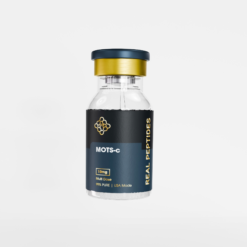
Fat Loss & Metabolic Support Peptides
MOTS-c Peptide Online | 10 mg Research Grade ≥99% Purity | SourceTides
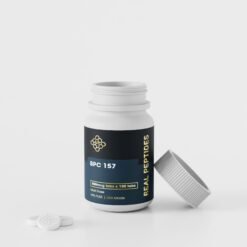
Healing & Recovery Peptides
BPC-157 500 mcg Capsules Online | ≥99% Purity | CoA Included | SourceTides

Healing & Recovery Peptides
BPC-157 Online | Research-Grade Pentadecapeptide ≥99% Purity
Related products
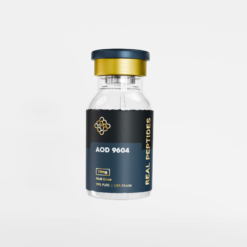
Fat Loss & Metabolic Support Peptides
AOD-9604 Peptide Online | HGH Fragment 176-191 | ≥99% Purity | CoA Included | SourceTides
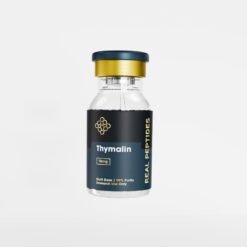
Immune & Antimicrobial Peptides
Thymalin Peptide 10 mg Online | Thymic Bioregulator | ≥99% Purity | CoA | SourceTides
Cognitive & Mood Support
Pinealon Peptide 10 mg Online | EDR Tripeptide | ≥99% Purity | CoA | SourceTides
Muscle Growth & Performance Peptides
PT-141 Peptide (Bremelanotide) 10 mg | ≥99% Purity Cyclic Heptapeptide | SourceTides
Cognitive & Mood Support
Immune & Antimicrobial Peptides
Epithalon Peptide 10 mg Online | ≥99% Purity | Certificate of Analysis Included
Fat Loss & Metabolic Support Peptides
SLU-PP-332 (Sloop) Online USA — High-Purity ERR Pan-Agonist Research Compound
Growth Hormone Modulators Peptides
Tesamorelin Peptide 10 mg | GHRH Analog ≥99% Purity | SourceTides