
$49.99
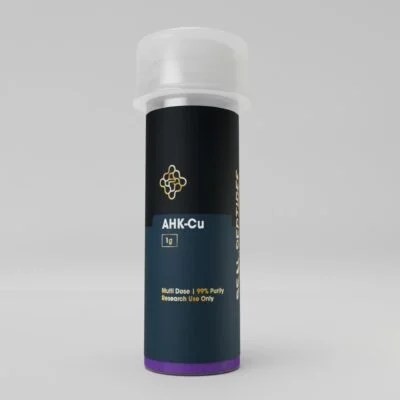
Buy AHK-Cu Peptide Online from SourceTides. INCI: Copper Tripeptide-3 | L-Alanyl-L-Histidyl-L-Lysine Copper(II) | MW ~421.96 g/mol | C₁₅H₂₄CuN₆O₄ | ≥99% HPLC + copper content confirmed | Endotoxin <1 EU/mg (LAL) | Full CoA | Blue-green lyophilised powder | Dry-ice cold chain.
Single Gly→Ala substitution from GHK-Cu (+14 Da). Active at 10⁻¹² M (1 picomolar) in ex-vivo hair follicle elongation. DPC proliferation confirmed. Bcl-2/Bax anti-apoptotic shift: caspase-3 −42.7%; PARP −77.5%. Up to 300% Type I collagen stimulation. TGF-β1 inhibition (non-hormonal DHT pathway counter). VEGF upregulation. WADA not prohibited. For in-vitro laboratory research use only. Not for human consumption.
Buy AHK-Cu Peptide Online | Copper Tripeptide-3 | Ala-His-Lys Copper | ≥99% Purity | CoA | SourceTides
Buy AHK-Cu Peptide Online from SourceTides.
AHK-Cu (L-Alanyl-L-Histidyl-L-Lysine Copper(II); INCI: Copper Tripeptide-3) is a synthetic copper-binding tripeptide with a single structural difference from GHK-Cu — alanine replaces glycine at the N-terminus.
That single amino acid substitution produces a compound with notably different biological targeting compared to its parent: where GHK-Cu acts broadly across skin, lung, and systemic tissue biology, AHK-Cu demonstrates concentrated activity on dermal papilla cells and hair follicles.
AHK-Cu was derived from albumin hydrolysate and is considered an endogenous-like peptide.
At picomolar concentrations — as low as 10⁻¹² M — it stimulates ex-vivo human hair follicle elongation, drives dermal papilla cell (DPC) proliferation, upregulates VEGF (angiogenesis), inhibits TGF-β1 (anti-fibrotic, counters DHT effects), and shifts the apoptotic balance toward cell survival via the Bcl-2/Bax pathway.
Research suggests AHK-Cu may stimulate Type I collagen production by up to 300%.
Caspase-3 fragmentation is reduced by 42.7% and PARP fragmentation by 77.5% in DPCs — key markers of the anti-apoptotic protection that distinguishes AHK-Cu as a hair follicle preservation compound rather than simply a growth stimulator.
Every SourceTides vial is lyophilised, tested at ≥99% HPLC purity with copper content confirmed, and ships with a full lot-specific Certificate of Analysis.
For in-vitro laboratory and topical research use only. Not for human consumption.
AHK-Cu Peptide — Technical Specifications
| Parameter | Specification |
|---|---|
| Common Name | AHK-Cu |
| Full Name | L-Alanyl-L-Histidyl-L-Lysine Copper(II) Complex |
| INCI Name | Copper Tripeptide-3 |
| Sequence | Ala-His-Lys-Cu²⁺ (AHK-Cu); Cu(II) chelated via histidine imidazole and alanine/lysine nitrogens |
| Molecular Formula | C₁₅H₂₄CuN₆O₄ |
| Molecular Weight | ~421.96 g/mol (Cu complex; +14 Da vs GHK-Cu due to Ala vs Gly at position 1) |
| Structural Relationship to GHK-Cu | Single amino acid difference: Alanine (Ala) replaces Glycine (Gly) at position 1; all other structural features identical; same Cu(II) coordination geometry; +14 Da mass difference |
| Origin | Derived from albumin hydrolysate; considered endogenous-like peptide; isolated from human blood samples |
| Primary Receptor/Target | Dermal papilla cells (DPCs); fibroblasts; endothelial cells; VEGF and TGF-β1 signalling modulation; copper enzyme activation (lysyl oxidase, SOD1) |
| Key Mechanisms | VEGF upregulation (angiogenesis); TGF-β1 inhibition (anti-fibrotic / counters DHT-induced miniaturisation); Bcl-2/Bax ratio increase (anti-apoptotic DPC survival); caspase-3 reduction; collagen I and III synthesis; ECM remodelling; copper-dependent enzyme activation |
| Active Concentration | Active at 10⁻¹² M (1 picomolar) in ex-vivo hair follicle elongation studies; active range for cell culture: 0.1 nM – 10 µM; remarkably potent at picomolar concentrations |
| Collagen Stimulation | Up to 300% Type I collagen increase in fibroblast research assays |
| Anti-Apoptotic Markers | Caspase-3 fragmentation reduced 42.7%; PARP fragmentation reduced 77.5% in DPCs; Bcl-2 upregulated; Bax downregulated |
| Physical Form | Blue to blue-green lyophilised powder (Cu(II) complex colour); hygroscopic |
| Purity | ≥99% (RP-HPLC); copper content confirmed; identity by ESI-MS (+14 Da vs GHK-Cu confirmed) |
| Endotoxin | <1 EU/mg (LAL chromogenic assay) |
| Solubility | Freely soluble in water; dissolves readily in PBS pH 7.4 and aqueous cosmetic vehicles; no organic solvent required for aqueous applications |
| Storage — Lyophilised | −20°C long-term (stable 24 months); 2–8°C short-term; protect from moisture and light; hygroscopic — equilibrate sealed vial to room temperature before opening; reseal immediately |
| Storage — Reconstituted | 2–8°C up to 14 days; −20°C for longer; avoid strong reducing conditions (high-dose ascorbate, DTT, β-ME); aliquot before freezing |
| Certificate of Analysis | Lot-specific CoA with every order; HPLC + copper content (ICP-MS) + ESI-MS (+14 Da vs GHK-Cu confirmed) + endotoxin |
| Regulatory Status | Not FDA, EMA, TGA, or Health Canada approved; endogenous-like peptide; not a controlled substance; INCI listed as Copper Tripeptide-3; research compound and cosmetic ingredient |
| WADA Status | Not listed on 2024–2025 WADA Prohibited List; not prohibited |
What Is AHK-Cu?
AHK-Cu (Ala-His-Lys-Cu) and GHK-Cu (Gly-His-Lys-Cu) differ by exactly one atom group: a methyl group on the alanine α-carbon that glycine lacks.
That structural difference — worth 14 daltons on the mass spectrum — redirects the compound’s biological activity toward a more targeted profile, concentrating its effects on dermal papilla cells, hair follicles, and scalp fibroblast biology.
GHK-Cu is the broad-spectrum regenerative compound: it modulates 4,000+ human genes, repairs multiple tissue types, and has been used in systemic wound healing, COPD lung biology, and full-body ageing research.
AHK-Cu is the precision tool: its DPC selectivity makes it the more appropriate compound when hair follicle biology, scalp angiogenesis, or DHT-related follicle miniaturisation is the specific research question.
AHK-Cu was derived from albumin hydrolysate and is considered an endogenous-like peptide — it has been isolated from human blood samples, suggesting the body naturally produces and circulates small quantities.
This endogenous character contributes to its high tolerability profile in published research and its absence from controlled substance lists in all surveyed jurisdictions.
The picomolar active concentration is one of the most striking aspects of AHK-Cu’s pharmacology.
Ex-vivo human hair follicle elongation has been documented at 10⁻¹² M (1 picomolar) — a concentration orders of magnitude lower than most synthetic peptide actives.
This ultra-high potency suggests receptor-mediated activity at DPCs rather than bulk substrate delivery, and has significant implications for research design (very low compound quantities can produce measurable biological signals).
When you buy AHK-Cu Peptide from SourceTides, you receive ≥99% HPLC-pure Ala-His-Lys-Cu²⁺ with copper content confirmed and MS identity verified.
AHK-Cu vs GHK-Cu: The One-Amino-Acid Difference That Matters
The Gly→Ala substitution at position 1 does more than change one letter in the sequence.
Glycine is the smallest amino acid — it has a hydrogen atom as its side chain, giving it rotational freedom in all directions.
Alanine adds a methyl group, introducing steric bulk and modifying the N-terminus geometry that interacts with target cells.
The consequence in published research is a shift toward dermal papilla cell selectivity.
GHK-Cu shows broad regenerative activity across fibroblasts, keratinocytes, lung tissue, liver cells, and neuronal cells.
AHK-Cu shows concentrated activity in DPCs and follicular tissue, with particularly potent effects on the VEGF and TGF-β1 pathways that govern follicle cycling and vascularisation.
Neither compound is superior in an absolute sense — they are complementary tools.
GHK-Cu is the choice when systemic regeneration, gene expression resetting, or multi-tissue research is the goal.
AHK-Cu is the choice when the research question is specifically about hair follicle biology, DPC survival, scalp angiogenesis, or DHT-mediated follicle miniaturisation.
| Property | AHK-Cu (this product) | GHK-Cu |
|---|---|---|
| Position 1 amino acid | Alanine (Ala; methyl side chain) | Glycine (Gly; H side chain) |
| Molecular weight | ~421.96 g/mol | 403.93 g/mol |
| Tissue targeting | Concentrated: DPCs, hair follicles, scalp fibroblasts | Broad: skin, lung, liver, neuronal, systemic |
| Minimum active concentration (hair) | 10⁻¹² M (1 picomolar) — ex-vivo follicle elongation | 1–10 nM for collagen synthesis (fibroblasts) |
| Collagen stimulation | Up to 300% Type I collagen increase | ~2× collagen synthesis increase at 1–10 nM (Maquart 1988) |
| Anti-apoptotic activity (DPCs) | Strong: Bcl-2↑, Bax↓; caspase-3 −42.7%; PARP −77.5% | Bcl-2 upregulation in broader tissue contexts; DPC-specific data limited |
| VEGF upregulation | Primary mechanism: fibroblast VEGF → scalp angiogenesis | VEGF upregulated as part of broader wound healing response |
| TGF-β1 inhibition | Confirmed TGF-β1 suppression in fibroblasts — counters DHT pathway | TGF-β1 modulation via anti-fibrotic remodelling (broader context) |
| Gene expression breadth | Targeted: DPC survival, VEGF, ECM, follicle cycling | 4,000+ genes (Broad Institute Connectivity Map) |
| Best research application | Hair follicle biology; DPC survival; scalp angiogenesis; DHT-related miniaturisation; hair loss mechanisms | Systemic wound healing; skin ageing; COPD; gene expression biology; multi-tissue regeneration |
| SourceTides | Buy AHK-Cu | Buy GHK-Cu 50 mg | Buy GHK-Cu Cosmetic |
How AHK-Cu Works — Five Interconnected Mechanisms
Mechanism 1 — Copper-Enzyme Activation
Like GHK-Cu, AHK-Cu chelates copper(II) and delivers it to copper-dependent enzymes in a controlled, non-toxic form.
The primary targets are lysyl oxidase (LOX) — required for collagen and elastin crosslinking — and Cu/Zn-superoxide dismutase (SOD1) — the cytoplasmic antioxidant enzyme that neutralises superoxide radicals.
Lysyl oxidase activation is the biochemical basis of AHK-Cu’s collagen-stimulating activity.
Without functional LOX, newly synthesised collagen fibrils cannot be crosslinked into mechanically stable fibre bundles — they are synthesised but never organised into load-bearing matrix.
AHK-Cu’s copper delivery activates LOX in both dermal fibroblasts and follicle-associated fibroblasts simultaneously.
SOD1 activation contributes to AHK-Cu’s antioxidant and anti-apoptotic profile in DPCs.
Superoxide generated in follicles during metabolic activity and environmental stress is neutralised more efficiently when SOD1 has adequate copper cofactor.
This enzymatic antioxidant protection complements the anti-apoptotic Bcl-2/Bax mechanism (see below).
Mechanism 2 — VEGF Upregulation and Scalp Angiogenesis
AHK-Cu stimulates dermal fibroblasts to produce VEGF (Vascular Endothelial Growth Factor) — the primary driver of new blood vessel formation (angiogenesis).
Hair follicles are among the most metabolically active structures in the skin.
They require a dense capillary network delivering oxygen, glucose, and growth factors to support the rapid cell division of the anagen (active growth) phase.
VEGF upregulation drives endothelial cell proliferation and capillary sprouting around follicle structures — directly improving the nutrient and oxygen supply to DPCs.
This vascular mechanism is particularly important in the follicle miniaturisation model: DHT-induced follicle miniaturisation is associated with reduced perifollicular vascularisation, and improving blood supply helps maintain follicle size and cycling capacity.
The AHK-Cu VEGF pathway also activates endothelial cells in parallel with fibroblasts.
Activated endothelial cells contribute to elastin and collagen production alongside fibroblasts, creating a coordinated vascular and structural regeneration response in the scalp dermis.
Mechanism 3 — TGF-β1 Inhibition: Countering DHT-Driven Follicle Miniaturisation
TGF-β1 (Transforming Growth Factor Beta-1) is the primary pro-fibrotic and pro-miniaturisation cytokine in androgenetic alopecia.
DHT (dihydrotestosterone) upregulates TGF-β1 production in DPCs, and elevated TGF-β1 drives follicle miniaturisation through two mechanisms: it promotes the shift from anagen (growth) to catagen (regression) phase, and it induces fibrosis around the follicle that physically restricts its diameter.
AHK-Cu inhibits TGF-β1 secretion by dermal fibroblasts in published assays.
By reducing TGF-β1 levels in the follicle microenvironment, AHK-Cu counteracts the primary downstream mediator of DHT-induced miniaturisation — without directly blocking androgen receptors or altering hormone levels.
This makes it a non-hormonal research tool for studying the TGF-β1 arm of androgenetic alopecia.
The TGF-β1 inhibition also has a direct anti-fibrotic benefit in wound healing contexts.
Excess TGF-β1 drives myofibroblast differentiation and excessive collagen deposition — the mechanism underlying hypertrophic scarring.
AHK-Cu’s TGF-β1 suppression therefore contributes to anti-fibrotic ECM remodelling alongside its hair biology effects.
Mechanism 4 — Bcl-2/Bax Apoptotic Balance Shift: DPC Survival
AHK-Cu’s most precisely quantified biological effect is its shift in the apoptotic balance of dermal papilla cells.
Published data reports: Bcl-2 (anti-apoptotic) upregulated; Bax (pro-apoptotic) downregulated; caspase-3 (apoptosis execution protease) reduced 42.7%; PARP fragmentation (apoptosis execution marker) reduced 77.5%.
These four apoptosis markers collectively confirm that DPCs treated with AHK-Cu are substantially protected from programmed cell death.
DPCs in actively miniaturising follicles show increased apoptosis rates — a primary mechanism by which the follicle regresses and shrinks.
By suppressing this apoptotic drive, AHK-Cu maintains DPC number and therefore sustains the follicle’s growth-regulatory capacity.
The Bcl-2/Bax pathway is also the primary target of conventional anti-apoptotic strategies in cell biology research.
Having a copper-peptide compound with well-characterised effects on this pathway — active at picomolar concentrations — provides a uniquely potent and clean research tool for studying follicle apoptosis biology without the confounders associated with genetic or small-molecule Bcl-2 modulators.
Mechanism 5 — ECM Remodelling and Collagen Synthesis (up to 300%)
AHK-Cu stimulates fibroblast production of Type I collagen by up to 300% in research assays — substantially higher than the ~2× increase documented for GHK-Cu at equivalent concentrations in fibroblasts.
This superior collagen stimulation appears to reflect AHK-Cu’s concentrated signalling through fibroblast-specific pathways rather than broadly distributing its activity across many tissue types.
Beyond collagen quantification, AHK-Cu modulates the extracellular matrix more comprehensively: it drives elastin synthesis alongside collagen, regulates MMP (matrix metalloproteinase) and TIMP (tissue inhibitor of metalloproteinases) balance for controlled matrix remodelling, and inhibits the TGF-β1-driven excess collagen deposition that produces fibrotic scar tissue.
The net ECM effect is organised matrix synthesis rather than excess deposition.
This parallels GHK-Cu’s anti-fibrotic wound healing biology but is expressed more strongly in the dermal fibroblast and follicle microenvironment context.
For researchers studying scalp dermis remodelling, post-procedure recovery, or follicle structural maintenance, this targeted ECM activity makes AHK-Cu the better research tool.
AHK-Cu Research Evidence
| Research Domain | Evidence Level | Key Finding | Source |
|---|---|---|---|
| Hair follicle elongation | Ex vivo (human hair follicles) | AHK-Cu stimulated human hair follicle elongation at 10⁻¹² M (1 picomolar); one of the lowest active concentrations documented for any hair growth research compound | Pyo et al. — Arch Pharm Res 2007 — PMID: 17580544 |
| DPC proliferation and anti-apoptosis | In vitro (dermal papilla cells) | AHK-Cu increased DPC proliferation; prevented DPC apoptosis; increased Bcl-2/Bax ratio; caspase-3 reduced 42.7%; PARP fragmentation reduced 77.5%; quantified shift in apoptotic balance toward cell survival | Pyo et al. — PMID: 17703734 |
| Collagen synthesis (up to 300%) | In vitro (dermal fibroblasts) | AHK-Cu stimulated Type I collagen production up to 300% in fibroblast research assays; substantially higher collagen stimulation than GHK-Cu baseline at equivalent concentrations | BiotechPeptides Research Summary |
| VEGF upregulation and angiogenesis | In vitro (fibroblasts and endothelial cells) | AHK-Cu drives fibroblast VEGF production; VEGF activates endothelial cell proliferation and angiogenesis; scalp capillary density improvement proposed as mechanism for follicle growth support | BiotechPeptides — VEGF/AHK-Cu |
| TGF-β1 inhibition | In vitro (fibroblasts) | AHK-Cu reduced TGF-β1 secretion by dermal fibroblasts; mechanistic basis for anti-fibrotic ECM remodelling and non-hormonal DHT-pathway counter-activity | Pep-Pedia — AHK-Cu TGF-β1 |
| Anti-apoptotic pathway quantification | In vitro (DPCs; published PRIME Journal 2026) | Caspase-3 fragmentation reduced 42.7%; PARP fragmentation reduced 77.5%; Bcl-2 upregulated; Bax downregulated; “coordinated reduction in apoptosis promotes healthier, more resilient DPCs capable of sustaining active anagen-phase growth” | PRIME Journal 2026 — Copper Peptides |
| Secondary alopecia animal model | In vivo (animal secondary alopecia model) | Formulations containing AHK-Cu alongside growth factors contributed to favourable hair development response in secondary alopecia animals; follicle viability improved; multi-component formulation context | Republic World — AHK-Cu Hair Growth 2023 |
What Is AHK-Cu Used for in Research?
| Research Field | Application | Why AHK-Cu |
|---|---|---|
| Hair follicle biology | Follicle elongation assays; DPC proliferation; anagen/catagen cycling; ex-vivo follicle maintenance; hair growth mechanisms | Active at 10⁻¹² M in ex-vivo human follicle elongation; DPC proliferation confirmed; anti-apoptotic protection quantified with four biomarkers; the most comprehensively characterised copper peptide for follicle biology research |
| Androgenetic alopecia research | DHT-TGF-β1 pathway; follicle miniaturisation models; non-hormonal alopecia intervention; DPC apoptosis in alopecia | TGF-β1 inhibition is the downstream effector of DHT-mediated miniaturisation; AHK-Cu counters this pathway without hormonal activity; non-hormonal tool for studying the TGF-β1 arm of androgenetic alopecia independently of androgen receptor pharmacology |
| Scalp angiogenesis research | Perifollicular vascularisation; VEGF biology; endothelial cell biology; capillary density; nutrient delivery to follicles | Primary VEGF-upregulating mechanism; fibroblast and endothelial cell activation; direct relevance to perifollicular blood supply — the limiting factor for follicle size in miniaturisation models; complement to BPC-157 for VEGFR2-mediated angiogenesis comparisons |
| Apoptosis biology | Bcl-2/Bax pathway; caspase-3 activity; PARP cleavage; DPC survival; anti-apoptotic signalling in follicle maintenance | Precisely quantified anti-apoptotic effects (caspase-3 −42.7%; PARP −77.5%) provide clean biomarker endpoints; active at picomolar concentrations; complements genetic Bcl-2/Bax models with a pharmacological alternative; ideal for studying follicle apoptosis without genetic manipulation |
| Skin collagen and ECM research | Type I collagen synthesis; ECM remodelling; fibroblast activation; anti-fibrotic studies; dermal regeneration | Up to 300% Type I collagen stimulation — higher than GHK-Cu baseline at equivalent concentrations; TGF-β1 inhibition prevents over-deposition and fibrosis; studied alongside GHK-Cu Cosmetic for comparative copper peptide ECM research |
| Cosmetic formulation research | Scalp serum development; hair growth formulations; post-procedure scalp recovery; anti-ageing skin formulation; dermal penetration studies | INCI: Copper Tripeptide-3; freely water-soluble; stable at cosmetic pH; compatible with serum bases, HA, niacinamide; active at ultra-low concentrations reducing formulation cost per dose; the precision copper peptide for hair-targeted topical formulation research |
| Comparative copper peptide pharmacology | AHK-Cu vs GHK-Cu structure-activity; Gly→Ala substitution effects; tissue selectivity mechanisms; copper chaperone biology | The single Gly→Ala substitution is a natural SAR experiment; studying AHK-Cu and GHK-Cu side-by-side in identical assay systems directly reveals how N-terminal methyl addition redirects copper peptide tissue targeting — a clean and biologically relevant SAR study design |
Formulating with AHK-Cu: Research and Development Guidelines
| Parameter | Recommendation | Notes |
|---|---|---|
| Topical use concentration | 0.1–1.0% (w/v) in final formulation | Industry standard for copper tripeptide actives; picomolar activity means very high in-formulation concentrations are not required for biological effect; 0.1% is validated as effective in research formulations |
| Cell culture concentration range | 0.001 nM – 10 µM (8-point dose-response recommended) | Active at 10⁻¹² M in follicle elongation — always include ultra-low concentrations (fM–pM range) in dose-response curves; AHK-Cu may show bell-shaped dose-response in some assays |
| pH range | 5.0–7.0 optimal; stable 4.0–8.0 | Skin and scalp-compatible pH; scalp serums typically pH 5.5–6.5 for optimal tolerability and copper complex stability |
| High vitamin C incompatibility | Avoid >1% L-ascorbic acid; use stable derivatives (sodium ascorbyl phosphate, ascorbyl glucoside) if vitamin C co-formulation required | Same incompatibility as GHK-Cu: L-ascorbic acid reduces Cu(II) → Cu(I); blue-green colour loss is the visual indicator of copper reduction |
| EDTA compatibility | Limit EDTA to ≤0.1% in formulations | EDTA strips copper from the complex; use phenoxyethanol-based preservatives; avoid disodium EDTA at standard cosmetic concentrations (>0.5%) |
| Recommended carrier base | Aqueous serum (HA base); hydrogel; micellar solution; liposomal encapsulation for enhanced DPC delivery | Hyaluronic acid serum is the preferred vehicle for scalp and hair applications; liposomal encapsulation improves transdermal delivery to follicle depth |
| Addition stage | Cool-down phase (<40°C); dissolve in aqueous phase first | Heat-stable relative to proteins but cool-down addition is best practice for copper complex stability and preserving chelation geometry |
| Appearance in formulation | Pale to medium blue-green tint at ≥0.5% | Blue-green colour confirms active Cu(II) complex; colourless solution after formulation indicates copper reduction — investigate vitamin C or chelator interaction |
AHK-Cu Quality Control at SourceTides
Every batch of AHK-Cu Peptide passes these tests before release.
The MS identity verification — confirming the +14 Da mass shift vs GHK-Cu — is the critical checkpoint distinguishing AHK-Cu from GHK-Cu.
| Test | Method | Specification | Why It Matters |
|---|---|---|---|
| Purity | RP-HPLC (C18; UV 220 nm) | ≥99% peak area | Separates AHK-Cu from GHK-Cu (different elution due to Ala vs Gly), free peptide, and synthesis by-products; ≥99% confirms the correct copper complex dominates |
| Identity — AHK vs GHK Confirmation | ESI-MS (expected [M+H]⁺ ~422.97 Da; confirms +14 Da vs GHK-Cu at 403.93) | Confirmed MW ~421.96 g/mol; +14 Da vs GHK-Cu confirms the Ala (not Gly) N-terminal residue | The defining identity check for AHK-Cu: if the mass shows 403.93 instead of ~421.96, you have GHK-Cu — a different compound with different DPC selectivity and picomolar activity. This check is mandatory for research reproducibility. |
| Copper Content | ICP-MS or atomic absorption spectroscopy | Stoichiometric 1:1 Cu:AHK confirmed; blue-green colour in solution | Confirms active Cu(II) complex vs free AHK tripeptide; white powder = copper absent = inactive for LOX and SOD1 enzyme activation |
| Endotoxin | LAL chromogenic assay | <1 EU/mg | LPS activates inflammatory pathways in DPCs and fibroblasts that directly overlap with AHK-Cu’s anti-inflammatory TGF-β1 and VEGF research endpoints; endotoxin confounds all DPC and hair biology assays |
| Appearance | Visual inspection; colour verification | Blue to blue-green lyophilised powder; blue-green solution on reconstitution | Blue-green = active Cu(II) complex; white = free peptide without copper; same visual QC principle as GHK-Cu |
| Certificate of Analysis | Lot-specific PDF | HPLC + MS (+14 Da vs GHK-Cu; AHK-Cu confirmed) + copper content + endotoxin + dates | The +14 Da MS entry is the unique CoA element for AHK-Cu; required documentation for any comparative AHK-Cu vs GHK-Cu study |
AHK-Cu Regulatory Status
| Jurisdiction | Status | Notes |
|---|---|---|
| USA (FDA) | Not approved as a drug; not DEA-controlled; cosmetic ingredient; research compound | Endogenous-like peptide with no controlled substance classification. Used in cosmetic products as Copper Tripeptide-3. SourceTides supplies research-grade for laboratory use only. |
| European Union | INCI listed as Copper Tripeptide-3; permitted cosmetic ingredient; no EMA drug authorisation | Copper Tripeptide-3 is used in licensed EU cosmetic products. No pharmaceutical drug authorisation. |
| United Kingdom | Not controlled; cosmetic ingredient; research compound | Not listed under the Misuse of Drugs Act 1971. Research and cosmetic use. |
| Australia / Canada | Not scheduled; research and cosmetic use | Not a controlled substance in either jurisdiction. Laboratory research access. |
| WADA | Not listed on 2024–2025 WADA Prohibited List; not prohibited | Endogenous-like peptide. Verify annually at wada-ama.org. |
Peer-Reviewed References
| # | Citation | Link |
|---|---|---|
| 1 | Pyo HK, Yoo HG, Won CH et al. (2007). The effect of tripeptide-copper complex on human hair growth in vitro. Arch Pharm Res. 30(7):834–839. PMID: 17580544 / 17703734. [Primary AHK-Cu hair follicle elongation and DPC data] | PubMed PMID: 17580544 |
| 2 | Ferrari G et al. (2009). TGF-β1 induces angiogenesis through VEGF-mediated apoptosis. J Cell Physiol. 219(2):449–458. PMID: 19180561. [TGF-β1/VEGF pathway referenced in AHK-Cu mechanism] | PubMed PMID: 19180561 |
| 3 | PRIME Journal (2026). Copper tripeptide GHK-Cu and Regenerative Aesthetics. Caspase-3 −42.7%; PARP −77.5% in DPCs; AHK-Cu anti-apoptotic data cited. | PRIME Journal 2026 |
| 4 | Maquart FX, Pickart L et al. (1988). Stimulation of collagen synthesis in fibroblast cultures by GHK-Cu²⁺. FEBS Lett. 238(2):343–346. PMID: 3169264. [GHK-Cu collagen baseline for comparison] | PubMed PMID: 3169264 |
| 5 | Pickart L, Margolina A. (2018). Regenerative and Protective Actions of GHK-Cu in the Light of New Gene Data. Int J Mol Sci. 19(7):1987. PMID: 29986520. [4,000-gene GHK-Cu Connectivity Map; comparative context for AHK-Cu] | PubMed PMID: 29986520 |
| 6 | Wikipedia: Copper peptide GHK-Cu. Structural context for AHK-Cu Gly→Ala comparison. | Wikipedia: Copper peptide GHK-Cu |
Frequently Researched Alongside AHK-Cu
These compounds are most commonly studied alongside AHK-Cu in hair biology, scalp, collagen, and skin regeneration research:
- GHK-Cu Cosmetic Peptide — The natural SAR comparison partner: one amino acid different; broad-spectrum vs DPC-targeted activity; studying AHK-Cu and GHK-Cu side-by-side is the canonical copper peptide SAR experiment revealing what the Gly→Ala substitution contributes
- GHK-Cu 50 mg Injectable — For extended in-vivo comparison studies running AHK-Cu vs GHK-Cu head-to-head in wound healing and scalp biology animal models requiring single-lot consistency
- BPC-157 — VEGFR2/NO/FAK angiogenesis and tissue repair; studied alongside AHK-Cu in scalp vascularisation research combining VEGF (AHK-Cu) and VEGFR2 (BPC-157) angiogenic pathways
- BPC-157 Capsules — Oral BPC-157 format; studied with AHK-Cu in systemic tissue repair and skin healing panels
- TB-500 (Thymosin Beta-4) — Actin cytoskeleton repair; keratinocyte and fibroblast migration; studied with AHK-Cu in wound closure models combining cell migration (TB-500) and collagen synthesis and DPC survival (AHK-Cu)
- Epithalon 10 mg — Khavinson telomere biology; studied with AHK-Cu in anti-ageing hair and skin research combining cellular longevity (Epithalon) with targeted follicle and ECM support (AHK-Cu)
- Melanotan-1 10 mg — MC1R agonist; DNA repair (NER); studied alongside AHK-Cu in skin research panels combining UV-DNA repair and photoprotection (Melanotan-1) with collagen synthesis and antioxidant defence (AHK-Cu)
- Ipamorelin 10 mg — Selective GH secretagogue; IGF-1 axis drives collagen synthesis; studied with AHK-Cu in skin regeneration panels combining GH-IGF-1 anabolic support and direct copper-mediated collagen activation
- Sermorelin 10 mg — GHRH agonist; GH/IGF-1; studied with AHK-Cu in hair biology protocols combining GH axis support (anagen phase regulation) and direct DPC activation (AHK-Cu)
Frequently Asked Questions
You can buy AHK-Cu Peptide (L-Alanyl-L-Histidyl-L-Lysine Copper(II); Copper Tripeptide-3) directly from SourceTides.
Every order includes a lot-specific Certificate of Analysis with the RP-HPLC chromatogram (≥99% purity), ESI-MS identity confirmation (MW ~421.96 Da; +14 Da vs GHK-Cu confirming Ala at position 1), copper content analysis (stoichiometric 1:1 Cu:AHK confirmed), and LAL endotoxin result (<1 EU/mg).
All vials are lyophilised blue-green powder and dispatched on dry-ice cold chain. See the SourceTides shipping policy for dispatch details.
AHK-Cu and GHK-Cu differ by exactly one amino acid: position 1 is alanine in AHK-Cu, glycine in GHK-Cu. This adds 14 Da and a methyl group at the N-terminus.
The biological consequence is a shift in tissue targeting. GHK-Cu acts broadly across skin, lung, liver, and systemic biology — modulating 4,000+ genes. AHK-Cu concentrates its activity on dermal papilla cells and hair follicles, with superior picomolar-range potency for follicle elongation, stronger collagen stimulation (up to 300%), and more precisely characterised anti-apoptotic DPC survival effects.
Choose AHK-Cu when your research question is specifically about hair follicle biology, DPC survival, scalp angiogenesis, or DHT-related miniaturisation. Choose GHK-Cu for systemic wound healing, skin ageing, COPD biology, or gene expression breadth research. SourceTides supplies both.
Conventional pharmaceutical alopecia compounds work at the androgen level: finasteride blocks 5α-reductase to reduce DHT production; minoxidil acts as a KATP channel opener. AHK-Cu operates entirely downstream of androgen signalling.
DHT’s primary mechanism of follicle miniaturisation is upregulation of TGF-β1 in DPCs. TGF-β1 then drives the anagen-to-catagen transition and promotes perifollicular fibrosis. AHK-Cu inhibits TGF-β1 secretion by dermal fibroblasts, countering this downstream effect without touching androgen levels or androgen receptors.
Simultaneously, AHK-Cu activates VEGF-driven scalp angiogenesis (improving nutrient delivery to follicles), prevents DPC apoptosis (Bcl-2/Bax shift; caspase-3 −42.7%), and stimulates DPC proliferation. This multi-mechanism non-hormonal profile makes it a uniquely informative research tool for studying the TGF-β1 and apoptosis arms of alopecia independently of androgen pharmacology. See the full mechanism section on the SourceTides AHK-Cu product page.
The 10⁻¹² M (1 picomolar) active concentration for ex-vivo hair follicle elongation is one of the most striking pharmacological data points for any research peptide.
This ultra-low potency threshold suggests receptor-mediated signal transduction at DPCs rather than bulk substrate delivery. At picomolar concentrations, a peptide cannot be functioning as a substrate for enzyme reactions — the amounts are too small. Instead, it is activating a cell-surface receptor or intracellular signalling cascade with high amplification, where binding of very few molecules triggers measurable downstream biological effects.
The identity of the specific receptor responsible for AHK-Cu’s picomolar DPC signalling is not yet fully characterised in published literature — this is an active research question that makes AHK-Cu a particularly interesting tool compound. The copper coordination plays a role in the three-dimensional binding geometry that enables this high-affinity recognition. For researchers designing dose-response experiments, always include the fM–pM concentration range (0.001–1 nM) — bell-shaped dose-response curves are possible with compounds of this potency. All SourceTides AHK-Cu is supplied for research use only.
AHK-Cu is an endogenous-like peptide derived from albumin hydrolysate. It is not a controlled substance in any major jurisdiction.
In the USA, it is not DEA-scheduled. In the UK, it is not controlled under the Misuse of Drugs Act 1971. In Australia and Canada, it is not a scheduled or controlled substance. It is used in licensed cosmetic products as Copper Tripeptide-3 in all of these jurisdictions.
AHK-Cu is not WADA-prohibited. SourceTides supplies for in-vitro laboratory and topical research use only. See the SourceTides shipping policy for jurisdiction details.
Equilibrate the sealed vial to room temperature before opening. Dissolve lyophilised AHK-Cu in sterile water or PBS (pH 7.4) to a stock of 1 mg/mL (~2.37 mM given MW ~421.96 g/mol). AHK-Cu dissolves readily in aqueous buffers — no organic solvent required.
For DPC proliferation and apoptosis assays: prepare a serial dilution from 10 µM down to 1 fM to capture the picomolar active range; use 8–10 concentrations per dose-response. For hair follicle elongation (ex-vivo organ culture): include concentrations from 0.001–100 nM — the published 10⁻¹² M active concentration means even your lowest dilution should be in the low picomolar range.
Filter through 0.22 µm syringe filter before adding to follicle culture medium. Do not include DTT, β-ME, or high-concentration ascorbate in any buffer — these reduce Cu(II) and alter the compound. Store stock at −20°C in aliquots; use within 14 days at 2–8°C. Full guidance in the CoA with every SourceTides AHK-Cu order.
SourceTides accepts Visa, Mastercard, American Express, cryptocurrency, and bank transfers for institutional orders. All payments go through secure, encrypted gateways.
For institutional purchase orders, bulk research procurement, or custom quantities, contact the team via the SourceTides contact page. Orders are reviewed for research compliance before dispatch.
Research Use Only
All SourceTides products, including AHK-Cu Peptide (L-Alanyl-L-Histidyl-L-Lysine Copper(II); Copper Tripeptide-3), are for in-vitro laboratory and topical research use only.
They are not approved by the FDA, EMA, TGA, or Health Canada as pharmaceutical drugs.
They are not for human consumption.
By purchasing, the buyer confirms authorised researcher status and accepts responsibility for compliance with all applicable regulations.
| Weight | 0.01 lbs |
|---|---|
| Dimensions | 5 × 5 × 5 in |
| Purity | ≥99% HPLC + Copper Content Confirmed (+14 Da vs GHK-Cu by MS) |
| INCI Name | |
| Form | Lyophilised Blue-Green Powder (Cu(II) complex) |
You may also like…
Peptides by Goal
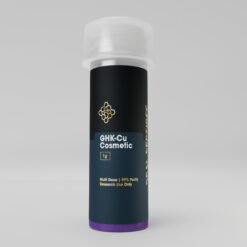
GHK-Cu Cosmetic Peptide (Copper Tripeptide-1; Topical & Formulation Research Grade)
Related products
Fat Loss & Metabolic Support Peptides
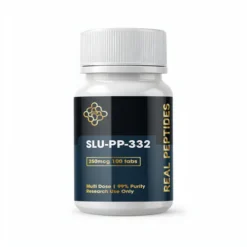
SLU-PP-332 (Sloop) Online USA — High-Purity ERR Pan-Agonist Research Compound
Cognitive & Mood Support
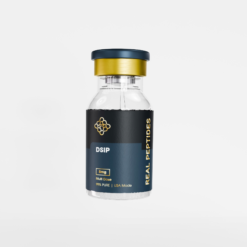
DSIP Peptide | Delta Sleep-Inducing Peptide | ≥99% Purity | CoA | SourceTides
Fat Loss & Metabolic Support Peptides
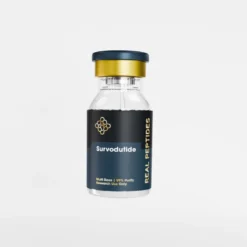
Survodutide Peptide | BI 456906 | ≥98% Purity | CoA Included | SourceTides
Growth Hormone Modulators Peptides
Cognitive & Mood Support
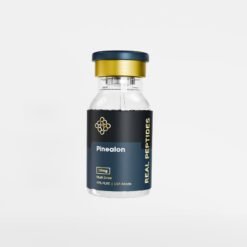
Pinealon Peptide 10 mg Online | EDR Tripeptide | ≥99% Purity | CoA | SourceTides

Growth Hormone Modulators Peptides
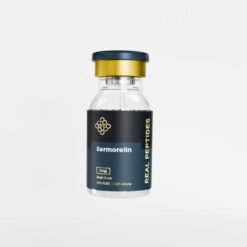
Sermorelin Peptide 10 mg Online | GHRH(1-29) | ≥99% Purity | CoA Included | SourceTides