
Original price was: $90.00.$69.99Current price is: $69.99.
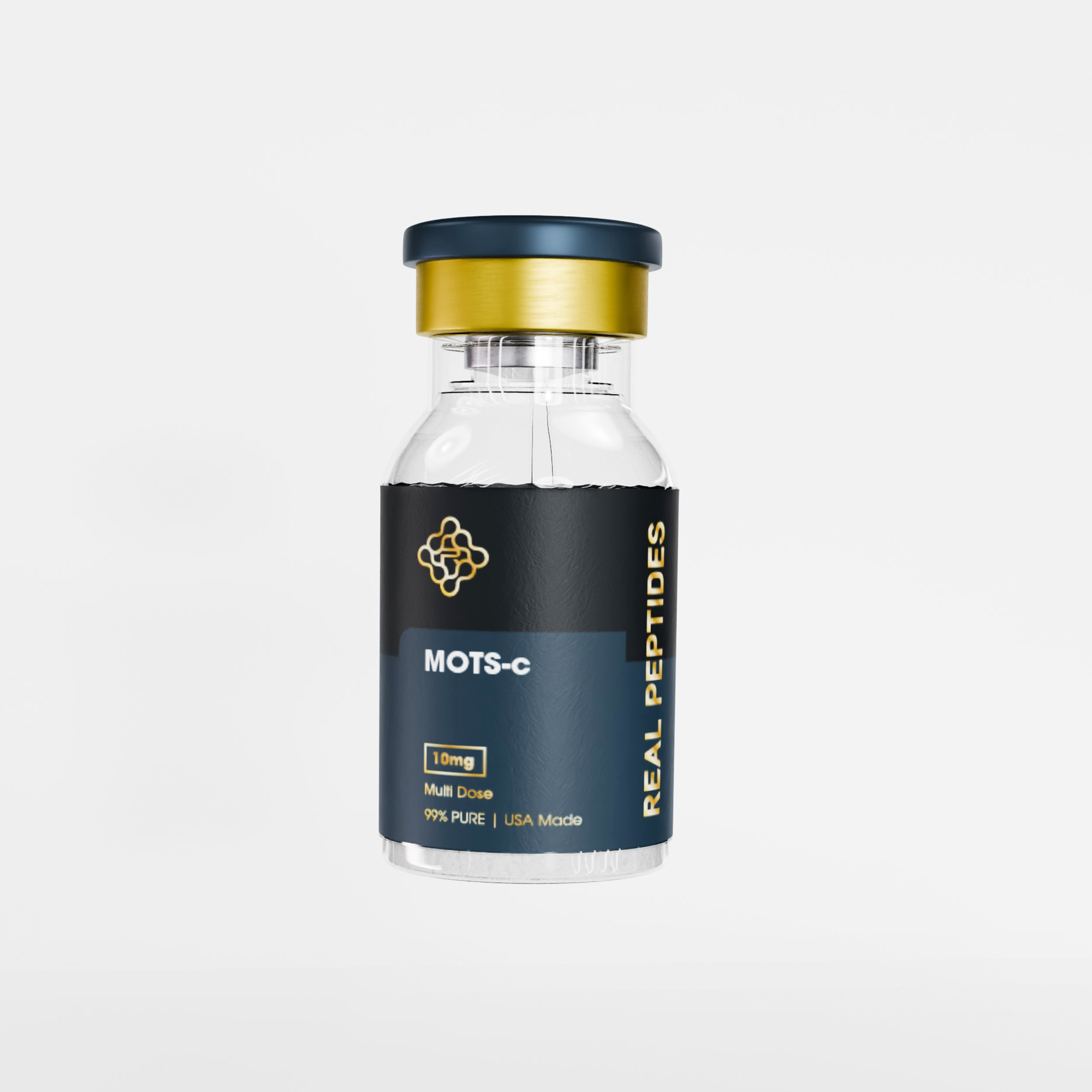
Buy MOTS-c Peptide Online from SourceTides — research-grade mitochondria-derived peptide (MRWQEMGYIFYPRKLR) at ≥99% HPLC-verified purity. 10 mg lyophilised vial. Every order ships with a third-party batch Certificate of Analysis confirming purity and molecular identity (2,174.64 g/mol). Cold-chain packaging standard. For in-vitro laboratory research use only — not for human consumption.
Name: MOTS-C peptide, ≥99% purity
Function: Metabolic regulation research; mitochondrial peptide studies; anti-aging & longevity projects
Specification: 10 mg per vial; 10 vials/kit (100 mg total peptide content)
CAS: 1627580-64-6
Appearance: White lyophilized powder in sealed glass vials
Buy MOTS-c Peptide Online — SourceTides ≥99% Purity Mitochondria-Derived Research Peptide 10mg Vial with CoA
Buy MOTS-c Peptide Online from SourceTides and receive a research-grade mitochondria-derived peptide (MDP) supplied at ≥99% purity, confirmed by reverse-phase HPLC and mass spectrometry on every production batch. MOTS-c — formally designated Mitochondrial Open Reading Frame of the 12S rRNA Type-c — is a 16-amino-acid peptide encoded within the mitochondrial genome, specifically within the MT-RNR1 gene (the 12S ribosomal RNA gene). It was discovered in 2015 by Changhan David Lee and colleagues at the USC Leonard Davis School of Gerontology and represents a landmark finding in mitochondrial biology: the first demonstration that the mitochondrial genome encodes bioactive peptides that function as systemic metabolic signals, not merely structural components of the mitochondrial ribosome.
MOTS-c carries the amino acid sequence Met-Arg-Trp-Gln-Glu-Met-Gly-Tyr-Ile-Phe-Tyr-Pro-Arg-Lys-Leu-Arg (MRWQEMGYIFYPRKLR) and has a molecular weight of approximately 2,174.64 g/mol. Circulating MOTS-c levels have been documented in blood and in mitochondria-containing tissues across species, and its natural plasma concentrations are significantly reduced in conditions including type 2 diabetes, obesity, gestational diabetes, and aging — positioning it as a research subject of high relevance in metabolic and longevity science. MOTS-c is often described as an exercise mimetic because it activates the same AMPK-driven metabolic cascade triggered by physical exercise, without the physical stimulus itself.
Every SourceTides MOTS-c 10 mg vial ships with a batch-specific Certificate of Analysis (CoA) and cold-chain packaging. This product is supplied exclusively for in-vitro and laboratory research purposes only and is not approved by the FDA, EMA, or any regulatory authority for human or veterinary therapeutic use.
MOTS-c Peptide 10 mg — Full Technical Specifications
| Parameter | Detail |
|---|---|
| Full Name | Mitochondrial Open Reading Frame of the 12S rRNA Type-c |
| Amino Acid Sequence | MRWQEMGYIFYPRKLR (Met-Arg-Trp-Gln-Glu-Met-Gly-Tyr-Ile-Phe-Tyr-Pro-Arg-Lys-Leu-Arg) |
| Chain Length | 16 amino acids |
| Molecular Formula | C₁₀₁H₁₅₂N₂₈O₂₂S₂ |
| Molecular Weight | 2,174.64 g/mol |
| CAS Number | 1627580-64-6 |
| PubChem CID | 146675088 |
| Gene Encoding | Mitochondrial genome — MT-RNR1 (12S rRNA gene) |
| Genome Source | Mitochondrial DNA (unique — not nuclear-encoded) |
| Purity (HPLC) | ≥99% |
| Identity Confirmation | Mass Spectrometry (MS) |
| Endotoxin Level | <1 EU/mg (LAL assay) |
| Vial Size (this listing) | 10 mg |
| Physical Form | Lyophilised (freeze-dried) white powder, sealed glass vial |
| Long-Term Storage | –20 °C (up to 24 months, sealed) |
| Short-Term Storage | 4 °C (up to 4 weeks, sealed) |
| Reconstituted Stability | 4 °C, use within 28 days; avoid repeated freeze-thaw cycles |
| Species Conservation | Highly conserved across mammalian species |
| Also Known As | MOTS-c, Mitochondria-derived peptide (MDP), MT-RNR1 peptide |
| Certificate of Analysis | Third-party batch CoA included with every order |
| Research Classification | Research use only — not for human consumption or clinical use |
What Is MOTS-c? Discovery, Mitochondrial Origins and Significance
MOTS-c is not a synthetic designer peptide — it is a naturally encoded signalling molecule whose existence was unknown until 2015. The landmark discovery came from Changhan David Lee, PhD, working in the Pinchas Cohen laboratory at the USC Davis School of Gerontology. Lee and colleagues identified a short open reading frame (sORF) within the 12S ribosomal RNA gene of human mitochondrial DNA — a region previously assumed to be entirely non-coding in the peptide sense — and demonstrated that this sORF is actively translated into a bioactive 16-amino-acid peptide. Their founding paper, published in Cell Metabolism in 2015, has accumulated over 820 citations and established MOTS-c as the cornerstone reference of the emerging mitochondria-derived peptide (MDP) field. (PubMed — Lee et al. 2015, Cell Metabolism, foundational MOTS-c paper)
What makes MOTS-c biologically unprecedented is its genomic origin. Unlike virtually all known peptide hormones and signalling molecules — which are encoded in the nuclear genome — MOTS-c is encoded by mitochondrial DNA and translated by the mitochondrial ribosome. This makes it one of a new class of molecules demonstrating that mitochondria, long conceptualised as passive energy factories, actively produce signalling molecules that communicate metabolic status systemically. Under stress conditions, MOTS-c translocates from the mitochondria to the nucleus, where it directly regulates gene expression at antioxidant response elements (AREs), acting as a transcriptional co-regulator. (PMC — Wan et al. 2023, J Translational Medicine, MOTS-c comprehensive review)
The amino acid sequence MRWQEMGYIFYPRKLR is highly conserved across mammalian species, suggesting evolutionary preservation of function. A genetic variant in the MOTS-c coding region (K14Q, the m.1382A>C polymorphism) has been documented to be significantly enriched in Japanese centenarians, providing a compelling genetic link between MOTS-c biology and exceptional human longevity. (MDPI Metabolites 2023 — MOTS-c functionally prevents metabolic disorders)
MOTS-c Mechanism of Action — Folate Cycle, AICAR and AMPK
MOTS-c operates through a precisely characterised molecular cascade that distinguishes it mechanistically from all other known metabolic peptides. Its primary pathway — the Folate–AICAR–AMPK axis — connects one-carbon metabolism, de novo purine biosynthesis, and the master energy-sensing kinase AMPK in a single regulatory chain.
Step 1 — Folate Cycle Inhibition
Under metabolic stress, MOTS-c disrupts the methionine-folate cycle inside cells. The folate cycle is the one-carbon metabolic network responsible for de novo purine biosynthesis, DNA methylation, and amino acid interconversion. By inhibiting folate-dependent purine synthesis, MOTS-c reduces consumption of 5-methyltetrahydrofolate (5-Me-THF) and diverts the metabolic flux of this pathway. (NIH Pharos — MOTS-c MT-RNR1 target profile)
Step 2 — AICAR Accumulation
Inhibition of de novo purine biosynthesis causes the intermediate 5-aminoimidazole-4-carboxamide ribonucleotide (AICAR) to accumulate. AICAR is a well-characterised endogenous AMP analog and a potent activator of AMPK — the same mechanism exploited by the drug AICA riboside (acadesine) in pharmacological AMPK activation research. By generating AICAR endogenously through this folate cycle disruption, MOTS-c achieves AMPK activation through a physiologically integrated mechanism distinct from exogenous AMPK agonist approaches. (PubMed — Lee et al. 2015 Cell Metabolism; foundational pathway paper)
Step 3 — AMPK Activation and Downstream Metabolic Effects
Accumulated AICAR activates AMPK — often described as the master regulator of cellular energy balance. AMPK phosphorylation triggers a cascade of downstream metabolic effects including: upregulation of GLUT4 glucose transporter expression and membrane translocation in skeletal muscle cells (increasing glucose uptake); stimulation of fatty acid oxidation (beta-oxidation) in mitochondria; promotion of mitochondrial biogenesis via PGC-1α upregulation; and suppression of energy-consuming biosynthetic pathways. In combination, these effects produce a metabolic state closely resembling the cellular response to aerobic exercise — which is why MOTS-c has earned the designation “exercise mimetic” in the scientific literature. (PubMed — MOTS-c and exercise synergy via AMPK/PGC-1α, 2021)
Step 4 — Nuclear Translocation and Gene Regulation
Under conditions of metabolic stress, MOTS-c undergoes retrograde signalling from mitochondria to the nucleus — a process that has been experimentally verified and represents one of the most novel aspects of its biology. In the nucleus, MOTS-c binds to antioxidant response elements (AREs) in gene promoters and interacts with stress-response transcription factors including NRF2, ATF1, and ATF7, thereby directly regulating the expression of genes involved in antioxidant defence, metabolic adaptation, and cellular stress responses. This nuclear activity positions MOTS-c as both a metabolic hormone and a transcriptional co-regulator — a dual function unprecedented in mitochondrial peptide biology. (PMC — Wan et al. 2023, MOTS-c retrograde nuclear signalling)
Casein Kinase 2 (CK2) Binding
MOTS-c has been shown to bind to casein kinase 2 (CK2), a constitutively active serine/threonine kinase involved in cell survival, proliferation, and circadian rhythm regulation. The functional implications of this CK2 interaction are an active area of investigation and may provide an additional mechanistic layer beyond the primary AMPK pathway. (Wikipedia — MOTS-c identity and CK2 binding)
MOTS-c Peptide Research Areas — Evidence Summary Table
The following table maps the major research domains investigated in the MOTS-c preclinical and limited clinical literature, the experimental models studied, proposed mechanisms, and source references.
| Research Area | Model Types | Key Findings | Source |
|---|---|---|---|
| Insulin Resistance | HFD-induced obese mice; human cross-sectional studies | AMPK-mediated GLUT4 upregulation; ~30% improvement in insulin sensitivity in animal models; lower MOTS-c in T2DM patients | Lee et al. 2015 (Cell Metab) |
| Obesity & Metabolic Homeostasis | HFD-induced obese mice; STZ-induced diabetic models | Prevention of diet-induced obesity; delayed weight gain; no effect on food intake (direct metabolic rate increase) | Frontiers Physiol. 2025 |
| Exercise Performance & Physical Capacity | Middle-aged & aged C57BL/6 mice; treadmill models | Improved grip strength, stride length, treadmill duration, blood glucose; frailty reduction in aged animals | Lee et al. (BioRxiv / Cell Metab 2021) |
| Aging & Longevity | Aged mice; centenarian genomics (human); circulating MOTS-c studies | MOTS-c levels 21% lower in older adults; K14Q variant enriched in Japanese centenarians; extended healthspan in aged mice | PMC — Wan et al. 2023 |
| Cardiac Function (Type 2 Diabetes Model) | HFD + STZ T2D rat model | Restored mitochondrial respiration in diabetic heart; improved contractile function; AMPK-dependent metabolic energy restoration | PMC — Frontiers Physiol. 2025 |
| Mitochondrial Biogenesis | C2C12 myotubes; skeletal muscle in vivo | PGC-1α upregulation; increased mtDNA copy number; enhanced oxidative phosphorylation capacity | PubMed — MOTS-c/exercise/PGC-1α 2021 |
| Anti-Inflammatory Activity | LPS-stimulated macrophage models; systemic inflammation | NF-κB suppression; reduced IL-1β, IL-6, TNF-α cytokine production; oxidative stress attenuation | MDPI Metabolites 2023 |
| Bone Metabolism | Osteoporosis models; osteoblast/osteoclast culture | Promotion of osteoblast activity; attenuation of bone loss in metabolic disease models | MDPI Metabolites 2023 |
| Cardiovascular Endothelial Protection | Coronary endothelial dysfunction models | Reduced NF-κB-mediated inflammation; protection of coronary artery endothelial cell function; lower MOTS-c in endothelial dysfunction patients | Diabetes Metab J 2023 |
Human data referenced are observational/cross-sectional studies measuring circulating MOTS-c levels. Interventional human clinical trial data for exogenous MOTS-c is limited. All efficacy data is from preclinical (animal/in-vitro) models unless stated otherwise.
MOTS-c as an Exercise Mimetic — The Research Behind the Designation
The exercise mimetic designation for MOTS-c is mechanistically grounded, not merely a marketing analogy. Physical exercise activates AMPK in skeletal muscle through the increase in cellular AMP:ATP ratio that accompanies energy expenditure during activity. MOTS-c activates the same AMPK signalling cascade through an independent, non-exercise-dependent mechanism — the folate cycle inhibition and AICAR accumulation pathway described above — producing overlapping downstream metabolic effects in skeletal muscle cells.
A 2021 PubMed study directly examining the synergistic relationship between MOTS-c and exercise in C57BL/6 mice (high-fat diet model) demonstrated that the AMPK/PGC-1α axis mediates MOTS-c secretion in skeletal muscle, with treadmill training upregulating protein levels of MOTS-c, PGC-1α, and GLUT4 alongside phosphorylated AMPK and ACC. Critically, PGC-1α knockdown downregulated MOTS-c expression, while PGC-1α overexpression upregulated it — establishing a positive feedback relationship between exercise-induced metabolic signalling and MOTS-c expression. (PubMed — MOTS-c exercise synergy PGC-1α/AMPK 2021)
Research published in 2021 by Lee et al. (as cited in Cell Metabolism 2021) and detailed in the BioRxiv preprint demonstrated that MOTS-c treatment in middle-aged and old C57BL/6 mice (13.5 and 23.5 months) at 15 mg/kg/day three times weekly improved grip strength, gait analysis (stride length), 60-second walking test performance, treadmill running time and total distance, and blood glucose levels — all markers of physical capacity and metabolic health that decline with age. These findings position MOTS-c as a research tool for investigating age-related physical decline and the cellular mechanisms of exercise benefit in aged organisms.
MOTS-c, Aging, and Longevity Research — What the Data Shows
The association between MOTS-c and aging is multi-layered, encompassing both observational human data and interventional animal studies.
Observational data is clear: circulating MOTS-c levels decline with age. Research has documented that plasma MOTS-c concentrations can be up to 21% lower in older adults compared to younger counterparts. Furthermore, MOTS-c levels are significantly reduced in individuals with type 2 diabetes mellitus (particularly those with HbA1c >7%), gestational diabetes, obesity (including in children aged 5–14), and coronary endothelial dysfunction — all conditions characterised by impaired metabolic homeostasis that increase in prevalence with age. A systematic review and meta-analysis published in Diabetology & Metabolic Syndrome (2024) synthesised evidence from multiple databases, confirming the consistent pattern of reduced circulating MOTS-c in metabolic disease states. (PMC — MDP systematic review and meta-analysis 2024)
The longevity genetics data is particularly striking. A genetic variant in the MOTS-c coding sequence — the K14Q substitution caused by the m.1382A>C mitochondrial DNA polymorphism — is significantly enriched in Japanese centenarians (individuals living past 100 years). This genetic epidemiology finding suggests that variation in MOTS-c sequence or expression may contribute to exceptional longevity in humans, providing a biological rationale for the intense research interest in this peptide as a longevity science tool. (MDPI Metabolites 2023)
Circulating MOTS-c Levels in Human Health and Disease
The following table summarises key observations from human studies measuring circulating MOTS-c concentrations across different health conditions. This data informs the rationale for studying exogenous MOTS-c in preclinical models.
| Condition | MOTS-c Level vs. Control | Sample Detail | Source |
|---|---|---|---|
| Type 2 Diabetes (HbA1c >7%) | Significantly lower | Cross-sectional; n=225 (68 healthy, 157 diabetic/pre-diabetic) | Diabetes Metab J |
| Obese children (5–14 yrs) | 472.6 ± 22.8 ng/mL vs. 561.6 ± 19.2 ng/mL (P<0.01) | n=97 (40 obese, 57 controls) | Diabetes Metab J |
| Gestational Diabetes | Lower vs. healthy controls | Consistent across multiple studies | PMC — meta-analysis 2024 |
| Coronary Endothelial Dysfunction | Lower vs. controls | Cardiovascular disease cohort | PMC — Frontiers 2025 |
| Aging (older vs. younger adults) | Up to 21% lower in older adults | Age-stratified human cohort data | PMC — Wan et al. 2023 |
All data from observational human studies; no conclusions about causation or treatment efficacy for humans can be drawn from these measurements. Interventional human clinical trial data on exogenous MOTS-c is limited as of 2025.
High-Purity MOTS-c Peptide for Sale — SourceTides Quality Control
MOTS-c is a 16-amino-acid peptide with two methionine residues (positions 1 and 6) that are susceptible to oxidation if not handled and stored correctly during synthesis, lyophilisation, and transit. Oxidised methionine residues alter the peptide’s three-dimensional conformation and can interfere with AMPK-pathway activity in cell-based assays. SourceTides addresses this through strict synthesis handling protocols, nitrogen-atmosphere lyophilisation, and cold-chain packaging on all shipments.
| QC Stage | Method | Specification | Relevance to MOTS-c |
|---|---|---|---|
| Purity Assay | Reverse-Phase HPLC | ≥99% | Confirms separation from truncation variants and Met-oxidised by-products |
| Identity Confirmation | Mass Spectrometry (MS) | Exact MW match (2,174.64 g/mol) | Verifies correct 16-AA MRWQEMGYIFYPRKLR sequence; detects Met-ox (+16 Da) |
| Endotoxin Testing | LAL Assay | <1 EU/mg | Critical for AMPK/metabolic assays — LPS independently activates NF-κB, confounding results |
| Batch Traceability | Third-Party Lab CoA | Included with every order | Full lot documentation for research records |
| Cold-Chain Packaging | Insulated + cold packs | ≤4 °C in transit | Prevents Met oxidation during shipping; preserves lyophilised integrity |
MOTS-c Regulatory and Legal Status — 2025 Overview
⚠️ Important Regulatory Notice: MOTS-c is not approved by the FDA, EMA, TGA, or any major regulatory authority for human therapeutic or veterinary use. SourceTides supplies MOTS-c exclusively as a research reagent for in-vitro and laboratory use by qualified researchers and institutions.
| Jurisdiction | Status (2025) | Notes |
|---|---|---|
| USA | Not FDA-approved; not a scheduled controlled substance | Legal for research sale; USADA has issued educational guidance (Jan 2024) on MOTS-c for athletes |
| Australia | TGA prescription-only classification likely applies | Verify with TGA before import; personal use without Rx prohibited |
| United Kingdom | Not scheduled; research-use grey area | MHRA oversight may apply; verify before ordering |
| Canada | Health Canada new drug framework; unscheduled | Consult local regulations before ordering |
| EU | Not EMA-approved; member-state rules vary | Verify nationally before import |
| WADA | Monitored program (not formally prohibited as of 2025); athletes verify annually | USADA noted MOTS-c growing use among athletes (Jan 2024); status should be confirmed each year with WADA |
View SourceTides’ full shipping and compliance policy.
MOTS-c vs. Humanin — Mitochondria-Derived Peptide Comparison
MOTS-c and Humanin are both mitochondria-derived peptides (MDPs) encoded within the mitochondrial genome, but they differ fundamentally in sequence, mechanism, and research applications. Understanding this distinction is essential for protocol design.
| Property | MOTS-c | Humanin |
|---|---|---|
| Amino Acids | 16 AA | 21 AA |
| Primary Receptor | AMPK (via AICAR); CK2; nuclear AREs | GP130 receptor complex (gp130/LIFR/CNTFR) |
| Primary Research Focus | Metabolic regulation, insulin resistance, exercise performance, aging | Neuroprotection, apoptosis inhibition, cardiovascular protection |
| Key Pathway | Folate–AICAR–AMPK–PGC-1α | JAK–STAT3; PI3K–Akt |
| Exercise Mimetic | Yes — AMPK activation mimics exercise metabolism | Not primarily |
| Nuclear Translocation | Yes — documented under stress | Not primary mechanism |
Buy MOTS-c Peptide Online vs. Other Research Peptides — Comparison
| Peptide | AA Length | Primary Research Focus | Key Mechanism | SourceTides |
|---|---|---|---|---|
| MOTS-c | 16 AA | Metabolic regulation, aging, exercise mimetic, insulin resistance | Folate–AICAR–AMPK; nuclear ARE regulation | This product |
| BPC-157 | 15 AA | GI mucosal protection, musculoskeletal repair, neurology | NO system, GHR upregulation, FAK-paxillin | BPC-157 at SourceTides |
| TB-500 | 7 AA | Actin regulation, wound healing, muscle repair | G-actin sequestration, cell migration, ILK–Akt | TB-500 at SourceTides |
| Sermorelin | 29 AA | GH secretagogue, metabolic and sleep research | GHRH receptor agonism | Sermorelin at SourceTides |
| CJC-1295 | 30 AA | Long-acting GH release analog research | DAC-modified GHRH analog | CJC-1295 at SourceTides |
MOTS-c Peer-Reviewed Research References
| # | Authors / Year | Journal | Topic | Link |
|---|---|---|---|---|
| 1 | Lee et al. (2015) | Cell Metabolism | Discovery paper — MOTS-c promotes metabolic homeostasis, reduces obesity & insulin resistance (820+ citations) | PubMed |
| 2 | Wan et al. (2023) | J Translational Medicine | Comprehensive review — stress, metabolism, aging; retrograde nuclear signalling | PMC |
| 3 | Gao et al. (2023) | MDPI Metabolites | MOTS-c functionally prevents metabolic disorders — obesity, bone, immune, aging review | MDPI |
| 4 | Pham et al. (2025) | Frontiers in Physiology | MOTS-c restores mitochondrial respiration in type 2 diabetic heart (rat model) | PMC |
| 5 | Du et al. (2021) | PubMed / Nutr Metab | MOTS-c and exercise synergy — AMPK/PGC-1α pathway; insulin resistance | PubMed |
| 6 | Zhou et al. (2024) | Diabetology & Metabolic Syndrome | Systematic review & meta-analysis — MDP/MOTS-c and metabolic states | PMC |
| 7 | Zheng et al. (2023) | Frontiers in Endocrinology | MOTS-c: a promising MDP for therapeutic exploitation — full pathway review | Frontiers |
| 8 | NIH Pharos (2025) | NIH Pharos Target Database | MT-RNR1 target profile — folate cycle, AICAR, AMPK mechanism | NIH Pharos |
| 9 | Wikipedia (2025) | Wikipedia | MOTS-c sequence, gene, CK2 binding, discovery summary | Wikipedia |
Frequently Researched Alongside MOTS-c — SourceTides Catalogue
- BPC-157 (Body Protection Compound-157) — GI protection & musculoskeletal repair research
- TB-500 (Thymosin Beta-4 Fragment) — Actin regulation, wound healing & muscle repair research
- Sermorelin — Growth hormone secretagogue research
- CJC-1295 — Long-acting GH analog research peptide
- Ipamorelin — Selective GH secretagogue, minimal off-target signalling
- Browse All Research Peptides — Full SourceTides catalogue
Frequently Asked Questions — Buy MOTS-c Peptide Online
Where can I buy MOTS-c peptide online with a verified Certificate of Analysis?
You can buy MOTS-c peptide online directly from SourceTides. Every 10 mg vial ships with a batch-specific CoA from a third-party ISO-accredited laboratory confirming ≥99% purity by HPLC and exact molecular identity (2,174.64 g/mol) by mass spectrometry. The CoA also includes endotoxin levels below 1 EU/mg by LAL assay — critical for AMPK and metabolic pathway cell-based research. Request any batch CoA before purchase by contacting our research support team.
What makes MOTS-c different from other research peptides like BPC-157 or TB-500?
MOTS-c is fundamentally distinct from BPC-157 and TB-500 in its origin, mechanism, and research application. BPC-157 and TB-500 are synthetic peptides based on sequences from the nuclear genome (gastric juice protein and thymosin beta-4 respectively) and primarily target tissue repair pathways. MOTS-c is encoded in the mitochondrial genome — one of the very few bioactive peptides known to be so — and targets cellular energy metabolism through the Folate–AICAR–AMPK cascade. Its primary research domains are insulin resistance, metabolic disease, exercise physiology, and aging biology rather than acute tissue repair. Additionally, MOTS-c undergoes stress-induced nuclear translocation and directly regulates gene expression — a mechanism not shared by BPC-157 or TB-500. See our comparison tables above and explore BPC-157 and TB-500 product pages for full specifications.
What purity grade of MOTS-c is required for valid AMPK pathway assays?
For AMPK activation assays, glucose uptake studies, or GLUT4 translocation models, ≥99% purity is strongly recommended. MOTS-c contains two methionine residues (positions 1 and 6) that are susceptible to oxidation during synthesis or improper storage. Met-oxidised MOTS-c (+16 Da per oxidised Met) has an altered three-dimensional conformation and may show diminished or absent AMPK-activating activity. SourceTides’ mass spectrometry identity confirmation specifically verifies the unoxidised molecular weight (2,174.64 g/mol) at the batch level. Endotoxin control below 1 EU/mg is also essential — LPS contamination independently activates NF-κB and can mask or amplify MOTS-c’s anti-inflammatory signals. View MOTS-c specifications and order here.
How should I store MOTS-c peptide to maintain stability?
Lyophilised MOTS-c should be stored at –20 °C for long-term preservation (up to 24 months, sealed vial). For short-term frequent access (under 4 weeks), 4 °C is acceptable in a sealed vial. Once reconstituted, store the peptide solution at 4 °C and use within 28 days. Given the two methionine residues susceptible to oxidation, minimise exposure to air after reconstitution and use low-binding Eppendorf tubes. Avoid repeated freeze-thaw cycles. SourceTides ships all MOTS-c orders with insulated cold-pack packaging as standard. If your vials appear to have been exposed to elevated temperatures during transit, contact us before reconstituting.
Is MOTS-c legal to buy online in the USA, UK, Australia, or Canada?
In the USA, MOTS-c is not FDA-approved and not a federally scheduled controlled substance; research-purpose supply is not specifically prohibited. The USADA published educational guidance on MOTS-c in January 2024 noting its increasing use in athletic communities. In Australia, TGA prescription-only classifications are likely applicable; importation without valid authorisation may be prohibited. In the UK, there is no specific scheduling, but MHRA oversight may apply. In Canada, Health Canada’s new drug provisions may apply. Researchers bear sole responsibility for verifying and complying with all applicable local regulations. View SourceTides’ full shipping and compliance policy.
Is MOTS-c banned by WADA for athletes?
As of 2025, MOTS-c does not appear on the WADA Prohibited List as a formally prohibited substance. However, the USADA issued specific educational guidance in January 2024 noting growing athlete use of MOTS-c, which signals regulatory attention. WADA’s monitoring program can precede full prohibition listing. Athletes and support personnel in WADA-code sports should confirm MOTS-c’s current status with their national anti-doping authority and WADA directly before any research involvement. Status should be verified annually as the prohibited list is updated each year.
Why does MOTS-c research focus specifically on skeletal muscle?
Skeletal muscle is the primary site of MOTS-c action for two main reasons. First, skeletal muscle is the largest glucose-disposing tissue in the body — accounting for approximately 80% of insulin-stimulated glucose uptake — making it the most impactful target for AMPK-mediated improvements in glucose metabolism and insulin sensitivity. Second, MOTS-c upregulates GLUT4 expression and membrane translocation specifically in muscle cells through AMPK activation, directly increasing the capacity for glucose uptake in metabolically stressed or insulin-resistant muscle. This muscle-specificity, combined with the observed decline of MOTS-c levels in HFD-induced obese and T2DM animal models, makes skeletal muscle the primary tissue for mechanistic MOTS-c research. View MOTS-c 10 mg at SourceTides.
How does MOTS-c relate to aging and longevity research?
MOTS-c is one of the most compelling research tools in longevity science for three converging reasons. First, circulating MOTS-c levels decline measurably with age — up to 21% lower in older adults — suggesting a physiological role in maintaining youthful metabolic function that is lost over time. Second, the K14Q genetic variant in the MOTS-c coding region (m.1382A>C polymorphism) is significantly enriched in Japanese centenarians, providing direct genetic epidemiology evidence linking MOTS-c biology to exceptional human longevity. Third, interventional animal studies using aged mice have demonstrated that exogenous MOTS-c administration improved physical performance, reduced frailty biomarkers, and extended healthspan — the period of healthy, functional life. These three lines of evidence (observational, genetic, interventional) make MOTS-c a uniquely well-supported research candidate in the aging and longevity field. Order MOTS-c 10 mg from SourceTides.
What payment methods does SourceTides accept for MOTS-c orders?
SourceTides accepts major credit and debit cards (Visa, Mastercard, American Express), cryptocurrency (Bitcoin, Ethereum, and major stablecoins), and bank transfers for institutional purchase orders. All card transactions are processed through a PCI-DSS compliant payment gateway with 256-bit SSL encryption. Institutional purchase orders from universities, research hospitals, and registered laboratories are accepted with net-30 terms on approved accounts. Proceed to secure checkout or contact us for institutional invoicing.
| Purity | ≥99% (HPLC-verified) |
|---|---|
| Form | Lyophilised Powder |
| Strength | 10 mg |
| Storage | |
| CAS Number | 1627580-64-6 |
| Pack Size | 1 Kit (10 vials), 2 Kits (20 vials), Single Vial |
Be the first to review “MOTS-c Peptide Online | 10 mg Research Grade ≥99% Purity | SourceTides”
Related products
Cognitive & Mood Support
DSIP Peptide | Delta Sleep-Inducing Peptide | ≥99% Purity | CoA | SourceTides

Growth Hormone Modulators Peptides
Tesamorelin Peptide 10 mg | GHRH Analog ≥99% Purity | SourceTides
Muscle Growth & Performance Peptides
PT-141 Peptide (Bremelanotide) 10 mg | ≥99% Purity Cyclic Heptapeptide | SourceTides

Healing & Recovery Peptides
BPC-157 Online | Research-Grade Pentadecapeptide ≥99% Purity
Reviews
There are no reviews yet.