
From $30.00
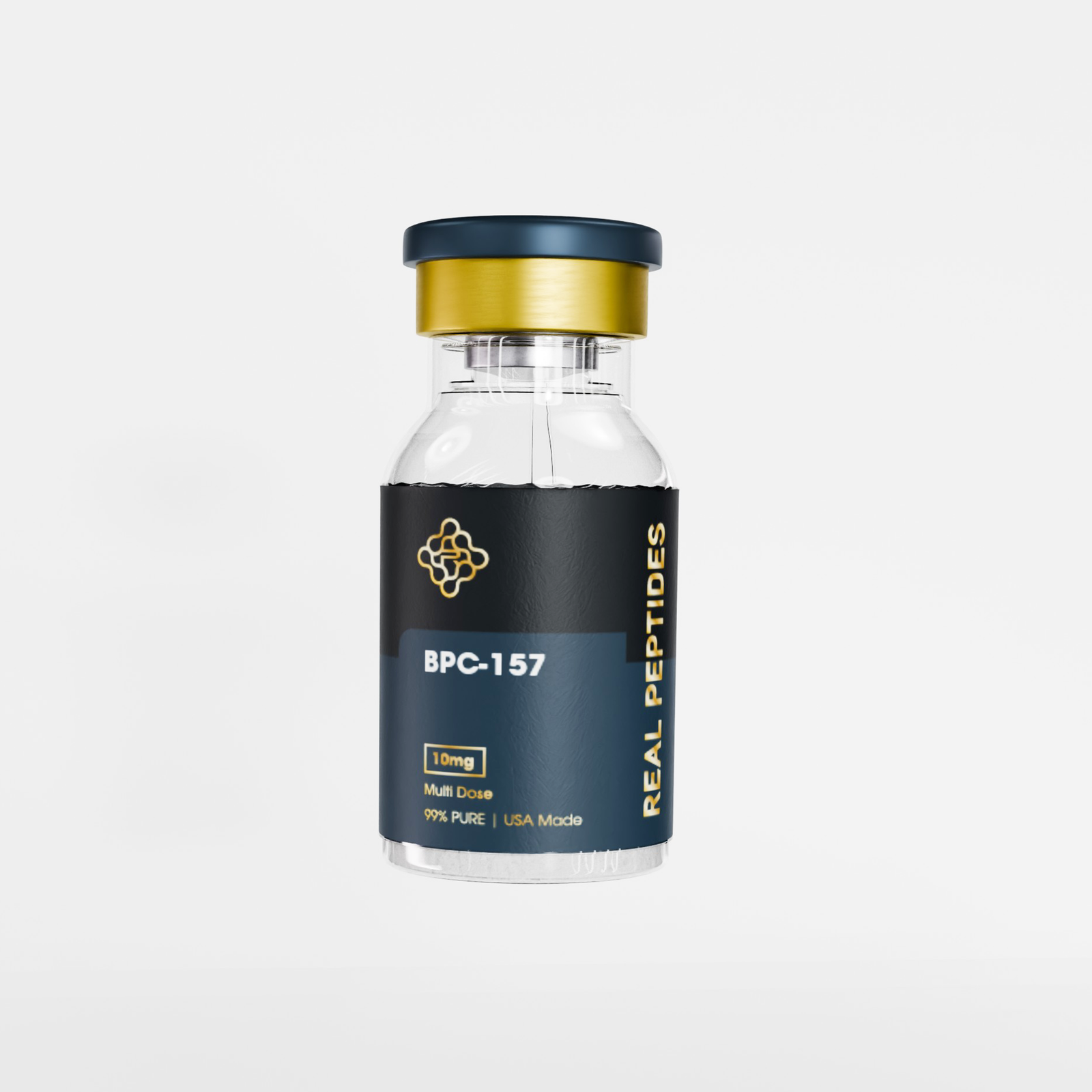
Buy BPC-157 Online from SourceTides — research-grade Body Protection Compound-157 pentadecapeptide at ≥99% HPLC-verified purity. Available in 5 mg and 10 mg lyophilised vials. Every order ships with a third-party batch Certificate of Analysis (CoA) confirming purity and molecular identity. Cold-chain packaging as standard. Exclusively for in-vitro laboratory research use — not for human consumption.
Buy BPC-157 Online | Research-Grade Pentadecapeptide ≥99% Purity
Buy BPC-157 Online from SourceTides and receive a research-grade pentadecapeptide supplied at ≥99% purity, confirmed by reverse-phase HPLC and third-party mass spectrometry on every production batch. BPC-157 — formally catalogued as Body Protection Compound-157, and also referenced in the scientific literature as Bepecin, PL 14736, and PL-10 — is a synthetic 15-amino-acid peptide derived from a gastroprotective sequence isolated from human gastric juice. It was first characterised scientifically in 1993 by Sikirić and colleagues and has since generated one of the most extensive preclinical peptide research bodies in modern biomedical science, spanning gut integrity, musculoskeletal repair, wound healing, angiogenesis, and neurotransmitter modulation.
Every vial of BPC-157 dispatched by SourceTides ships with a batch-specific Certificate of Analysis (CoA) and is handled under cold-chain packaging conditions from production facility to your laboratory. This product is supplied exclusively for in-vitro and laboratory research purposes only and is not approved by the FDA, EMA, or any regulatory authority for human or veterinary therapeutic use.
BPC-157 Research Peptide — Full Technical Specifications
The table below consolidates the key physicochemical and logistical parameters researchers need before sourcing BPC-157 for a study protocol.
| Parameter | Detail |
|---|---|
| IUPAC Name | Gly-Glu-Pro-Pro-Pro-Gly-Lys-Pro-Ala-Asp-Asp-Ala-Gly-Leu-Val |
| Chain Length | 15 amino acids (pentadecapeptide) |
| Molecular Weight | ~1,419 Daltons |
| CAS Number | 137525-51-0 |
| Purity (HPLC) | ≥99% |
| Identity Confirmation | Mass Spectrometry (MS) |
| Endotoxin Level | <1 EU/mg (LAL assay) |
| Available Vial Sizes | 5 mg · 10 mg |
| Physical Form | Lyophilised (freeze-dried) white powder, sealed glass vial |
| Long-Term Storage | –20 °C (up to 24 months, sealed) |
| Short-Term Storage | 4 °C (up to 4 weeks, sealed) |
| Reconstituted Stability | 4 °C, use within 28 days; avoid repeated freeze-thaw |
| Gastric Stability | Intact in human gastric juice for >24 hours (unusual among peptides) |
| IM Half-Life (preclinical) | <30 minutes (rat and dog models) |
| IV Half-Life (preclinical) | ~15 minutes (rat model) |
| Bioavailability (IM) | ~14–19% (rat); ~45–51% (dog) |
| Primary Excretion | Urine and bile (preclinical data) |
| Also Known As | Bepecin, PL 14736, PL-10, Body Protection Compound-157 |
| Certificate of Analysis | Third-party batch CoA included with every order |
| Research Classification | Research use only — not for human consumption or clinical use |
What Is BPC-157? Origins, Structure and Science
BPC-157 is a synthetic partial sequence of the naturally occurring body protection compound (BPC) — a gastroprotective protein present in human gastric juice. The intact parent protein has long been recognised for its role in protecting and maintaining the integrity of the gastrointestinal mucosa. What makes BPC-157 scientifically distinctive is that it represents the specific 15-amino-acid fragment (Gly-Glu-Pro-Pro-Pro-Gly-Lys-Pro-Ala-Asp-Asp-Ala-Gly-Leu-Val) that researchers isolated, synthesised in pure form, and began systematically evaluating in preclinical models from the early 1990s onward.
Unlike the parent BPC protein, BPC-157 in this isolated synthetic form does not occur naturally in the body. Scientists synthesised this fragment specifically because of its remarkable chemical stability: it resists enzymatic degradation, remains intact in human gastric juice for more than 24 hours — a property almost unheard of in peptide research — and is bioavailable via multiple administration routes studied in animal models. Its CAS number 137525-51-0 and molecular weight of approximately 1,419 Daltons are consistent across the peer-reviewed literature. (Wikipedia — BPC-157 chemical identity)
The comprehensive 2025 review by Jóźwiak et al. published in MDPI Pharmaceuticals describes BPC-157 as exhibiting “pleiotropic beneficial effects in various preclinical models mimicking medical conditions, such as tissue injury, inflammatory bowel disease, or even CNS disorders,” alongside what the authors characterise as a “desirable safety profile” in the animal and limited human case data reviewed. (PMC — Jóźwiak et al. 2025, MDPI Pharmaceuticals)
BPC-157 Mechanism of Action — How It Works at the Cellular Level
BPC-157 does not operate through a single receptor pathway. It engages several overlapping biological systems simultaneously, which is one reason it has attracted interest across such diverse research domains. The following section outlines the primary mechanistic pathways characterised in peer-reviewed preclinical literature.
Nitric Oxide (NO) System Modulation
The most consistently documented mechanism across BPC-157 studies is its interaction with the nitric oxide system. BPC-157 has been shown to counteract the effects of NO synthase (NOS) inhibitors such as L-NAME while also modulating NO production in tissue-specific ways that support vascular function, mucosal cytoprotection, and wound healing. This dual NO modulation appears central to its effects on both GI tissue protection and peripheral tissue repair. (MDPI Pharmaceuticals 2025 — NO system review)
Growth Hormone Receptor (GHR) Upregulation
A landmark study published in PMC (Chang et al.) demonstrated that BPC-157 dose- and time-dependently increased the expression of growth hormone receptor (GHR) in tendon fibroblasts at both the mRNA and protein levels, as confirmed by RT/real-time PCR and Western blot analysis. This GHR upregulation sensitises tendon cells to circulating growth hormone, amplifying downstream proliferative signalling. This finding provides a concrete mechanistic explanation for BPC-157’s repeatedly observed effects on tendon fibroblast proliferation and connective tissue repair. (PMC — BPC-157 GHR expression in tendon fibroblasts)
FAK-Paxillin Pathway and Fibroblast Migration
Studies examining the Journal of Applied Physiology (Chang et al., 2011) showed BPC-157 markedly increased the in-vitro migration of tendon fibroblasts in a dose-dependent manner via transwell filter assay, while also significantly improving cell survival under oxidative stress (H₂O₂ challenge). The FAK-paxillin signalling axis — critical for focal adhesion assembly, cytoskeletal organisation, and directional cell migration during tissue repair — is engaged by BPC-157 as part of this pro-migratory, pro-survival effect. (Journal of Applied Physiology — BPC-157 tendon fibroblast migration)
Angiogenesis — Proangiogenic Activity
BPC-157 consistently promotes angiogenesis (new blood vessel formation) in wound and tissue repair models. This proangiogenic effect is mechanistically linked to VEGF pathway upregulation and direct endothelial cell stimulation. In musculoskeletal injury models, BPC-157-treated tissues showed measurably increased vascular density compared to controls, which is significant because tendon and cartilage are poorly vascularised tissues where repair capacity is inherently limited by blood supply. The 2025 systematic review in HSS Journal (Vasireddi et al., covering 36 studies) confirmed this angiogenic pattern across multiple tissue types. (Sage — Vasireddi et al. 2025 systematic review)
ERK1/2 Signalling and Endothelial Repair
The 2025 narrative review by McGuire et al. (University of Utah, Current Reviews in Musculoskeletal Medicine, PubMed Dec 2025) notes that BPC-157 engages ERK1/2 signalling — a major cell-survival and proliferation cascade — to facilitate endothelial and muscle repair, alongside its anti-inflammatory effects. This positions BPC-157 as acting at the intersection of vascular biology and musculoskeletal regeneration. (PubMed — McGuire et al. 2025 narrative review)
Antioxidant and Free Radical Scavenging
BPC-157 demonstrates antioxidant activity through stabilisation of free radical scavengers and attenuation of oxidative stress-induced lesions. The MDPI 2025 review identifies this antioxidant capacity as relevant to potential protective effects in neurological disease models, where oxidative stress is a known contributing factor. This also explains the enhanced cell survival observed in the in-vitro H₂O₂ challenge studies.
Collagen and Myotendinous Junction Remodelling
BPC-157 studies in transected muscle models consistently show abundant longitudinally-oriented collagen fibre formation at repair sites, mirroring the collagen architecture seen in successfully healed tendons. At the myotendinous junction specifically — a common site of sports injury — BPC-157 appears to coordinate collagen fragment orientation, vascular density restoration, and NO system activity to support structural repair even under conditions of corticosteroid-induced healing impairment. (PMC — BPC-157 myotendinous junction therapy)
BPC-157 Preclinical Research Areas — Evidence Summary Table
The following table maps the major research domains, the specific preclinical model types examined, proposed mechanisms, and relevant peer-reviewed source links. All data is from animal or in-vitro models. Human clinical evidence remains limited.
| Research Area | Model Types | Key Mechanisms | Source |
|---|---|---|---|
| Tendon Repair | Achilles transection; detachment models (rat) | GHR upregulation, FAK-paxillin, collagen deposition, fibroblast migration | PMC — GHR/tendon 2018 |
| Ligament Healing | MCL / patellar ligament transection (rat) | Angiogenesis, collagen remodelling, biomechanical strength restoration | Vasireddi 2025 (Sage) |
| Muscle Recovery | Crush injury; transection; denervation (rat) | Muscular angiogenesis, ERK1/2, longitudinal collagen orientation | PMC — Myotendinous 2021 |
| Bone Fracture Healing | Segmental bone defect; fracture (rat, rabbit) | Osteogenesis, BMP pathway modulation, vascular ingrowth | Vasireddi 2025 (Sage) |
| GI Mucosal Integrity | Gastric ulcer; IBD; anastomosis (rat) | NO system, cytoprotection, epithelial regeneration | MDPI Pharm. 2025 |
| Wound Healing | Cutaneous; surgical; fistula models (rat) | Growth factor upregulation, collagen matrix formation, VEGF | Frontiers Pharmacol. 2022 |
| Anti-inflammatory | Systemic inflammation; local tissue injury (rat) | Cytokine modulation, free radical scavenging, antioxidant activity | MDPI Pharm. 2025 |
| Neurological Models | CNS trauma; nerve transection; dopaminergic models (rat) | Dopaminergic, serotonergic, GABAergic pathway interaction; glutamate toxicity modulation | PMC — Sikirić 2024 |
| Cardiovascular Models | Arrhythmia; vascular injury models (rat) | Gap junction modulation; cytoprotective cardiac effects | MDPI Pharm. 2025 |
All data above is derived exclusively from preclinical (animal/in-vitro) studies. No FDA-approved human therapeutic indications exist for BPC-157.
BPC-157 for Musculoskeletal Research — 2025 Systematic Review Findings
The 2025 systematic review by Vasireddi, Hahamyan, Salata, Karns, Calcei, Voos, and Apostolakos — published in the peer-reviewed Orthopaedic Journal of Sports Medicine (Sage Publications) — represents the most comprehensive synthesis of BPC-157’s musculoskeletal literature to date. The authors searched PubMed, Cochrane, and Embase from database inception to June 2024, ultimately reviewing 36 studies (35 preclinical, 1 clinical). Their findings confirmed that BPC-157 improved functional, structural, and biomechanical outcomes across muscle, tendon, ligament, and bone injury models in animal research. The authors noted BPC-157 promotes healing by boosting growth factors and reducing inflammation, with broad tissue-type applicability that distinguishes it from more tissue-specific repair compounds. (Sage — Vasireddi et al. 2025 full study)
A complementary 2025 narrative review from the University of Utah’s Department of Physical Medicine and Rehabilitation (McGuire, Martinez, Lenz, Skinner, Cushman; Current Reviews in Musculoskeletal Medicine, December 2025) further characterised BPC-157 as a synthetic pentadecapeptide with regenerative properties demonstrated across numerous animal models, engaging ERK1/2 signalling, promoting endothelial and muscle repair, and exerting anti-inflammatory effects that support angiogenesis, fibroblast activity, and neuromuscular stabilisation — particularly in poorly vascularised tissues. (PubMed — McGuire et al. 2025)
BPC-157 Gastric and Gut Health Research
BPC-157’s origins as a fragment of a gastric juice protein make its GI research particularly mechanistically coherent. Preclinical studies have examined its role in multiple gut injury models including gastric ulceration, intestinal anastomosis, oesophageal injury, inflammatory bowel disease (IBD) models, and colon perforation. A comprehensive 2024 review documented positive outcomes across numerous intestinal anastomosis and fistula models, with BPC-157 accelerating wound closure and promoting mucosal healing across GI tissue types. (MDPI Pharmaceuticals 2025 — full multifunctionality review)
The peptide’s unusual resistance to gastric acid and proteolytic enzymes — intact for more than 24 hours in human gastric juice — is directly relevant to oral administration models in GI research protocols. This stability profile has made it a subject of interest for researchers studying conditions where peptide delivery through the oral route is otherwise pharmacokinetically impractical. Most peptides degrade rapidly in gastric conditions; BPC-157’s structural resilience is a defining characteristic that sets it apart as a study compound.
BPC-157 Pharmacokinetics — Absorption, Distribution, Metabolism and Excretion
The 2022 study published in Frontiers in Pharmacology by Wang and colleagues conducted the most comprehensive ADME characterisation of BPC-157 to date, using both rat and beagle dog models across intravenous and intramuscular administration routes. This study is essential reading for any researcher designing a BPC-157 dosing protocol.
Key pharmacokinetic findings from this study include: following single IV administration, the elimination half-life (t½) in rats averaged 15.2 minutes, with rapid systemic clearance (AUC₀₋ₜ of 399 ng·min/mL). After intramuscular dosing at 20, 100, and 500 μg/kg, peak concentration (Cmax) was reached at Tmax of 3 minutes across all doses, with Cmax values of 12.3, 48.9, and 141 ng/mL respectively — confirming linear pharmacokinetics across this dose range. The mean absolute IM bioavailability was 14–19% in rats and 45–51% in beagle dogs. Primary excretory routes were urine and bile. No visual signs of toxicity were observed and no sex-based difference in plasma concentration was detected. (PMC — Frontiers in Pharmacology 2022, ADME BPC-157)
| Route | Species | t½ | Tmax | Bioavailability | Excretion |
|---|---|---|---|---|---|
| Intravenous (IV) | Rat | ~15 min | Immediate | 100% (reference) | Urine & bile |
| Intramuscular (IM) | Rat | <30 min | 3 min | 14–19% | Urine & bile |
| Intramuscular (IM) | Beagle dog | <30 min | 3 min | 45–51% | Urine & bile |
Source: Wang et al., Frontiers in Pharmacology 2022. All data from preclinical models only.
High-Purity BPC-157 for Sale — SourceTides Quality Control Standards
When researchers buy BPC-157 online, purity and traceability are non-negotiable variables. Impure peptide preparations introduce confounding variables that invalidate experimental results and waste resources. SourceTides addresses this through a multi-stage quality control process applied to every production batch before any vial is released for sale.
| QC Stage | Method | Specification | Purpose |
|---|---|---|---|
| Purity Assay | Reverse-Phase HPLC | ≥99% | Confirm separation from synthesis by-products |
| Identity Confirmation | Mass Spectrometry (MS) | Exact MW match ± 0.1 Da | Verify correct amino acid sequence |
| Endotoxin Testing | Limulus Amebocyte Lysate (LAL) | <1 EU/mg | Prevent LPS interference in cell-based assays |
| Batch Traceability | Third-Party Lab CoA | Included with every order | Full lot-level documentation for research records |
| Cold-Chain Packaging | Insulated shipping + cold packs | Maintains ≤4 °C in transit | Preserve lyophilised integrity from warehouse to lab |
BPC-157 Regulatory and Legal Status — 2025 Overview
⚠️ Important Regulatory Notice: BPC-157 is not approved by the FDA, EMA, TGA, or any major global regulatory body for human therapeutic or veterinary use. SourceTides supplies BPC-157 exclusively as a research reagent for in-vitro and laboratory use by qualified researchers and institutions.
Understanding the regulatory status of BPC-157 across jurisdictions is critical before ordering. The landscape is not uniform and has evolved over 2022–2025:
| Jurisdiction | Status (2025) | Notes |
|---|---|---|
| USA | Not FDA-approved; not a scheduled substance | Legal for research sale; illegal to sell as drug or supplement for human use |
| Australia | Schedule 4 prescription-only medicine (TGA) | Personal importation without valid Rx is prohibited |
| United Kingdom | Not scheduled; research-use grey area | MHRA has not issued specific guidance; verify before ordering |
| Canada | Not on controlled substances schedule; research grey area | Health Canada classifies as new drug; consult local rules |
| EU | Not EMA-approved; no EU-wide controlled status | Member state regulations vary; verify locally |
| WADA | Not currently on WADA Prohibited List (2025) | Was temporarily listed in 2022; removed. Athletes should confirm annually |
Researchers are solely responsible for verifying that ordering and using BPC-157 complies with all applicable laws and regulations in their jurisdiction. View SourceTides’ full shipping and compliance policy.
Buy BPC-157 Online vs. Other Research Peptides — Side-by-Side Comparison
Researchers selecting peptides for healing, repair, or regeneration protocols often evaluate BPC-157 alongside related compounds. The table below provides a factual comparison to assist in protocol design.
| Peptide | Amino Acids | Primary Research Focus | Gastric Stability | SourceTides |
|---|---|---|---|---|
| BPC-157 | 15 AA | GI protection, musculoskeletal repair, neurology, angiogenesis | Very High (>24 hrs) | This product |
| TB-500 (Thymosin β4) | 43 AA | Actin regulation, wound healing, cardiac repair | Moderate | TB-500 at SourceTides |
| Sermorelin | 29 AA | GH secretagogue, metabolic and sleep research | Low | Sermorelin at SourceTides |
| CJC-1295 | 30 AA | Long-acting GH release analog research | Low | CJC-1295 at SourceTides |
| Ipamorelin | 5 AA | Selective GH secretagogue; minimal cortisol/prolactin effects | Low | Ipamorelin at SourceTides |
BPC-157 Peer-Reviewed Research References — Full Citation Table
| # | Authors / Year | Journal | Topic | Link |
|---|---|---|---|---|
| 1 | Jóźwiak et al. (2025) | MDPI Pharmaceuticals | Multifunctionality & medical application review | PMC |
| 2 | Vasireddi et al. (2025) | Orthopaedic J Sports Med (Sage) | Systematic review — musculoskeletal models (36 studies) | Sage |
| 3 | McGuire et al. (2025) | Curr Rev Musculoskelet Med | Narrative review — regeneration vs risk, ERK1/2, endothelial repair | PubMed |
| 4 | Sikirić et al. (2024) | MDPI Pharmaceuticals | Neurotransmitter activity & pleiotropic CNS effects | PMC |
| 5 | Wang et al. (2022) | Frontiers in Pharmacology | Full ADME pharmacokinetics (rat & dog) | PMC |
| 6 | Chang et al. (2018) | PMC / Int J Mol Sci | GHR upregulation in tendon fibroblasts (PCR, Western blot) | PMC |
| 7 | Chang et al. (2011) | J Applied Physiology | Tendon fibroblast migration, FAK-paxillin, cell survival | APS |
| 8 | Sikirić et al. (2021) | PMC / Biomedicines | Myotendinous junction repair; collagen orientation | PMC |
| 9 | Examine.com (2025) | Examine Research Database | Aggregated study breakdown — gut health & regeneration | Examine |
Frequently Researched Alongside BPC-157 — SourceTides Catalogue
Researchers studying BPC-157 commonly design multi-peptide protocols or explore complementary research compounds. Browse the full SourceTides research peptide catalogue for related compounds:
- TB-500 (Thymosin Beta-4) — Actin regulation & tissue remodelling research — frequently studied alongside BPC-157 in musculoskeletal repair models
- Sermorelin — Growth hormone secretagogue research
- CJC-1295 — Long-acting GH analog research peptide
- Ipamorelin — Selective GH secretagogue research, minimal off-target signalling
- Browse All Research Peptides — SourceTides full catalogue
- SourceTides Peptide Research Guide — Protocol design & reference resources
Frequently Asked Questions — Buy BPC-157 Online
Where can I buy BPC-157 online with a verified Certificate of Analysis?
You can buy BPC-157 online directly from SourceTides. Every order includes a batch-specific CoA generated by a third-party ISO-accredited laboratory, confirming ≥99% purity by HPLC, correct molecular identity by mass spectrometry, and endotoxin levels below 1 EU/mg. These three data points are the minimum documentation standard for reproducible preclinical research. You can request your batch CoA at checkout or contact our research support team for pre-purchase review of any existing batch documentation.
What purity grade of BPC-157 is required for valid in-vitro research?
For rigorous in-vitro or in-vivo preclinical research, ≥98% purity is generally the minimum acceptable threshold cited in methodologies — with ≥99% preferred to eliminate impurity-related confounding variables that can distort cellular assay results. SourceTides supplies only ≥99% purity BPC-157 as standard across both the 5 mg and 10 mg vial sizes. If your study requires additional documentation such as residual solvent analysis, sterility certification, or amino acid analysis reports, contact our research support team before placing your order.
How should I store BPC-157 to maintain stability after receiving my order?
Lyophilised BPC-157 powder should be stored at –20 °C for long-term preservation (up to 24 months, sealed vial). For short-term use (under 4 weeks) where frequent access is needed, 4 °C refrigeration is acceptable provided the vial remains sealed and dry. Once reconstituted in bacteriostatic water, the resulting peptide solution should be refrigerated at 4 °C and used within 28 days. Avoid repeated freeze-thaw cycles as each cycle risks partial peptide aggregation or degradation. SourceTides ships all BPC-157 orders with insulated cold-pack packaging to preserve peptide integrity during transit. If you receive a warm shipment, contact us immediately before opening vials.
Is it legal to buy BPC-157 online in the USA, UK, Australia, or Canada?
Legality varies significantly by country and intended use. In the United States, BPC-157 is not FDA-approved and may not be legally sold as a drug or supplement, but its sale for research purposes is not federally prohibited and it is not a scheduled controlled substance. In Australia, BPC-157 is classified as a Schedule 4 prescription-only medicine by the TGA; personal importation without a valid prescription is prohibited. In the United Kingdom, BPC-157 has no formal controlled substance scheduling as of 2025, but MHRA licensing requirements may apply — researchers should verify locally. In Canada, Health Canada may classify it as a new drug, placing it in a regulatory grey area. SourceTides ships exclusively to research institutions and qualified researchers; customers bear sole responsibility for compliance with local import and use regulations. View our full shipping and compliance policy.
What vial sizes of BPC-157 does SourceTides sell, and which should I order?
SourceTides offers BPC-157 in 5 mg and 10 mg lyophilised vials. The 5 mg vial suits pilot studies, single-cohort short-duration protocols, or researchers evaluating BPC-157 for the first time. The 10 mg vial is ideal for multi-cohort studies, longer protocol durations, or where multiple reconstitutions are planned. Institutional researchers running large-scale animal studies can request bulk quantities via our bulk enquiry form. See current pricing and stock availability on the product page.
How fast does SourceTides ship BPC-157 after I place an order?
SourceTides processes all in-stock BPC-157 orders within 1–2 business days of payment confirmation. Domestic standard shipping delivers in 3–5 business days; expedited shipping options (1–2 business days) are available at checkout. International orders ship within the same processing window but are subject to customs clearance timelines that vary by destination country. All peptide shipments include insulated cold-pack packaging as standard. Tracking is provided for all orders. View our full shipping policy and delivery time estimates. For time-sensitive research schedules, contact us before ordering to confirm current stock and lead times.
Can BPC-157 and TB-500 be used together in the same research protocol?
BPC-157 and TB-500 (Thymosin Beta-4) are among the most commonly paired peptides in preclinical musculoskeletal and wound-healing research literature. They operate through partially complementary mechanisms — BPC-157 primarily via NO modulation, GHR upregulation, and FAK-paxillin; TB-500 via actin sequestration and G-actin regulation — making their combination a legitimate subject of multi-compound study protocols. Both peptides are available individually at SourceTides. View TB-500 research peptide on SourceTides. Multi-compound protocols must be approved by your institutional ethics committee and designed in accordance with all applicable research regulations.
Does BPC-157 have any known safety concerns or adverse effects in preclinical models?
Across the extensive preclinical literature, BPC-157 has demonstrated a notably favourable safety profile relative to many research compounds. The 2022 ADME study (Wang et al., Frontiers in Pharmacology) specifically reported that BPC-157 was well tolerated by all animal subjects across all dose levels tested, with no visual signs of toxicity observed. The 2025 MDPI Pharmaceuticals review by Jóźwiak et al. characterises BPC-157 as having “a desirable safety profile, since only a few side effects have been reported following its administration.” However, researchers should note that large-scale human safety and efficacy data remain absent, and the peptide’s proangiogenic properties have prompted theoretical discussions about long-term angiogenesis-related concerns that require further investigation. All safety data referenced is from preclinical models and should not be extrapolated to human applications.
What payment methods does SourceTides accept for BPC-157 orders?
SourceTides accepts major credit and debit cards (Visa, Mastercard, American Express), cryptocurrency (Bitcoin, Ethereum, and major stablecoins), and bank transfer for institutional purchase orders requiring formal invoicing. All card transactions are processed through a PCI-DSS compliant gateway with 256-bit SSL encryption. Purchase orders for universities, research hospitals, and registered laboratories are accepted with net-30 payment terms on approved accounts. Proceed to secure checkout or contact us for institutional invoicing.
| Purity | ≥99% (HPLC-verified) |
|---|---|
| Form | Lyophilised Powder |
| Strength | 10 mg, 5 mg |
| Storage | |
| CAS Number | 137525-51-0 |
| Pack Size | 1 Kit (10 vials), 2 Kits (20 vials), 3 Kits (30 vials), Single Vial |
Related products
Cognitive & Mood Support
Fat Loss & Metabolic Support Peptides
SLU-PP-332 (Sloop) Online USA — High-Purity ERR Pan-Agonist Research Compound
Cognitive & Mood Support
DSIP Peptide | Delta Sleep-Inducing Peptide | ≥99% Purity | CoA | SourceTides
Fat Loss & Metabolic Support Peptides
Survodutide Peptide | BI 456906 | ≥98% Purity | CoA Included | SourceTides
Growth Hormone Modulators Peptides
Cognitive & Mood Support
Pinealon Peptide 10 mg Online | EDR Tripeptide | ≥99% Purity | CoA | SourceTides
Immune & Antimicrobial Peptides
Thymalin Peptide 10 mg Online | Thymic Bioregulator | ≥99% Purity | CoA | SourceTides