
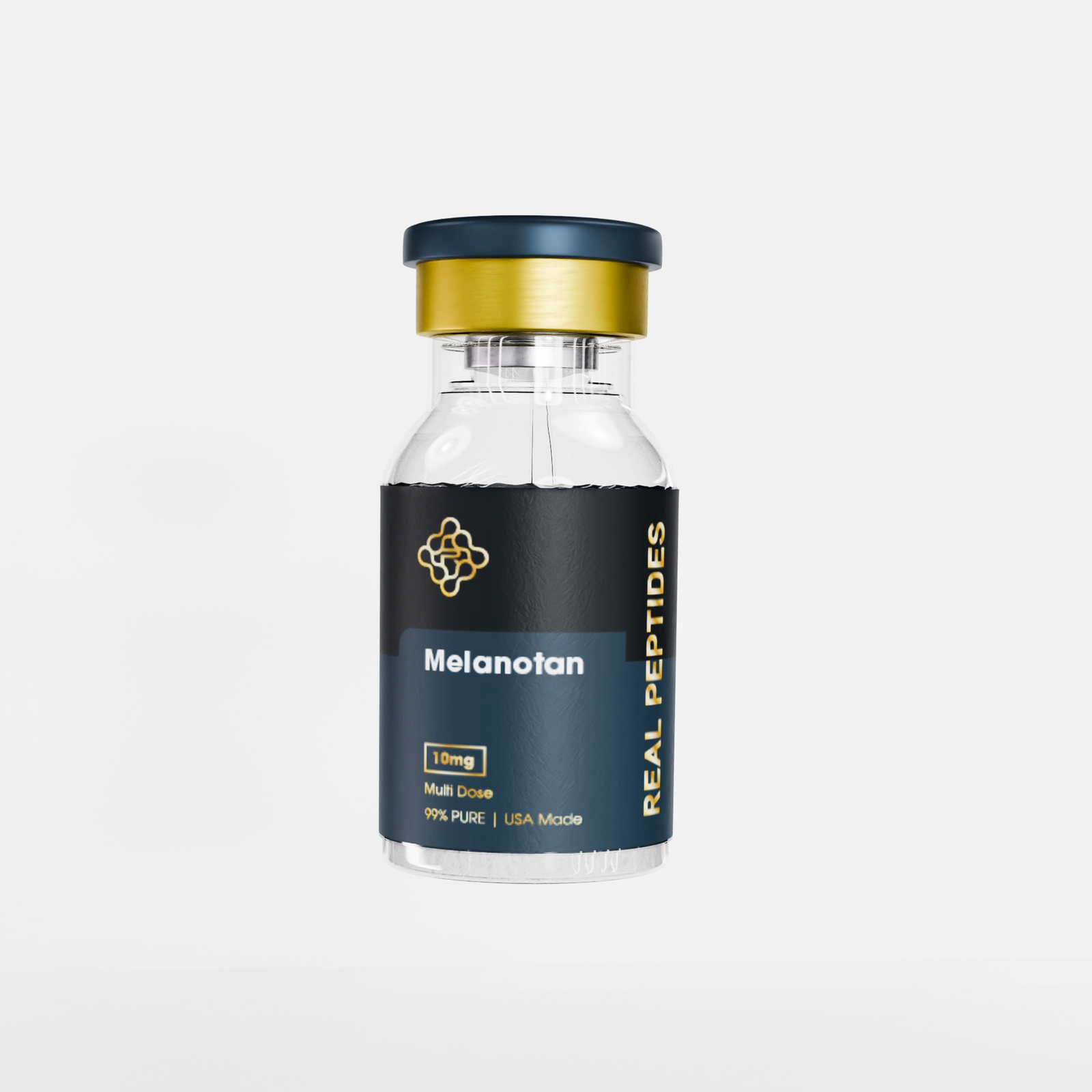
Buy Melanotan-1 Peptide 10 mg | Skin-Pigmentation & UV-Response Research
Buy Melanotan-1 Peptide 10 mg | Sourcetides – Global Research Supplier.
Buy Melanotan-1 Peptide 10 mg from Sourcetides, the trusted global supplier of research-grade peptides. As a leading provider, Sourcetides has established a worldwide reputation for reliability, verified purity, and consistent batch quality, serving laboratories and research institutions across every continent.
Our Melanotan-1 (MT-1) peptide is synthesized to the highest standards, ensuring >98% purity, and packaged to maintain stability during transit. Researchers depend on MT-1 for preclinical studies because consistency and reproducibility are critical in laboratory research.
Key positioning points for Sourcetides:
- Global Supplier Reach: Shipping to over 70 countries with verified customs compliance.
- Batch Consistency: Each lot is carefully synthesized and tested for HPLC-confirmed purity, ensuring reproducible results for receptor binding, pharmacology, or peptide stability studies.
- Research-Grade Focus: Every product is explicitly designed for preclinical research, never human or veterinary use.
- Expert Support: Our scientific support team can provide technical guidance on handling, storage, and experimental setup for MT-1.
By choosing Sourcetides as your peptide source, you’re aligning with a brand recognized for high-quality, research-focused peptides, supported by a global logistics network and rigorous quality verification.
How Melanotan‑1 Works – Mechanism and Laboratory Research
Melanotan-1 is a synthetic analog of α-melanocyte-stimulating hormone (α-MSH), designed to selectively interact with melanocortin receptors (MCRs). It serves as a critical tool in preclinical studies focused on melanocortin signaling pathways, receptor pharmacology, and molecular mechanism exploration.
Receptor Interactions
- MC1R (Melanocyte Receptor): MT-1 binds and activates MC1R, facilitating research into intracellular signaling and receptor activation kinetics in melanocyte models.
- MC3R & MC4R (Central Nervous System Receptors): Preclinical studies explore MT-1’s binding affinity in receptor subtype-selective assays to understand GPCR-mediated pathways.
Molecular Pathways
- cAMP Modulation: MT-1 binding initiates intracellular cyclic AMP accumulation in receptor-expressing cell lines, a key readout for receptor activation in preclinical research.
- Downstream Signaling: Activation can be tracked via phosphorylation events, transcription factor modulation, or reporter gene assays, providing insight into receptor-specific signaling cascades.
Research Context
Melanotan-1 is widely used in in vitro and in vivo preclinical models to:
- Evaluate ligand-receptor interactions for melanocortin research.
- Assess receptor subtype specificity and agonist potency.
- Investigate peptide stability under laboratory conditions, essential for reproducible experimental results.
- Serve as a benchmark peptide in the development of novel synthetic analogs or receptor modulators.
Disclaimer: All mechanisms and applications described are strictly preclinical research use only. Sourcetides does not support human use of MT-1.
Melanotan‑1 Peptide Key Applications in Preclinical Studies
Melanotan-1 Peptide 10 mg is a versatile research-grade peptide used extensively in preclinical studies. Its synthetic design allows reproducible investigation into melanocortin receptor biology and peptide pharmacology, making it an essential tool for molecular and cellular researchers.
Laboratory and In Vitro Uses of Melanotan‑1 Peptide
- Receptor Binding Assays: MT-1 is widely used to determine binding affinity for MC1R, MC3R, and MC4R in cell culture models. Researchers can map ligand-receptor kinetics and assess competitive binding with novel compounds.
- Signaling Pathway Studies: Preclinical experiments often measure cAMP accumulation, phosphorylation cascades, or reporter gene activation following MT-1 treatment.
- Peptide Stability Analysis: Lyophilized MT-1 enables studies on degradation kinetics in buffer systems or cellular media, essential for method validation and assay reproducibility.
- Ligand Screening: MT-1 acts as a reference agonist in high-throughput screening to identify potential modulators of melanocortin receptor pathways.
Laboratory Insights In Vivo Applications of Melanotan‑1 Peptide
- Animal Model Studies: Researchers use MT-1 in rodent models to explore receptor-mediated responses under controlled laboratory conditions. These studies focus on molecular mechanisms, not therapeutic outcomes.
- Pharmacokinetic & Bioavailability Research: MT-1 serves as a model peptide for evaluating absorption, distribution, and metabolic stability in preclinical studies.
- Comparative Peptide Research: MT-1 can be used alongside other synthetic analogs to study structure-activity relationships and receptor subtype specificity.
Key Research Advantages
- High Purity (>98%): Ensures reproducibility and reduces experimental variability.
- Globally Verified Source: Sourcetides provides batch-to-batch consistency, making it a dependable tool for comparative studies.
- Flexibility: Suitable for cell-based assays, biochemical assays, and controlled in vivo studies under research protocols.
All applications are strictly for research and preclinical use only. Sourcetides does not provide MT-1 for human use.
Melanotan‑1 Peptide Composition, Purity, and Technical Data
To ensure clarity and reproducibility, the technical profile of Melanotan-1 is summarized below:
| Specification | Details |
|---|---|
| Peptide Name | Melanotan-1 (MT-1) |
| Chemical Sequence | Ac-Nle-cyclo[Asp-His-D-Phe-Arg-Trp-Lys]-OH |
| Molecular Weight | 1024.2 Da |
| Formulation | Lyophilized powder |
| Appearance | White to off-white lyophilized powder |
| Purity | ≥98% confirmed by HPLC and mass spectrometry |
| Solubility | Soluble in sterile water, DMSO, or phosphate-buffered saline |
| Lyophilization Method | Freeze-dried under controlled vacuum for maximal stability |
| Endotoxin Level | <0.1 EU/mg (suitable for preclinical assays) |
| Storage Temperature | -20°C, protect from light |
| Stability | ≥12 months when stored as recommended |
| Intended Use | Research-grade, preclinical studies only |
| Certificate of Analysis | Provided for each batch |
| Global Shipping | Available to research institutions worldwide |
Additional Notes for Researchers
- Reconstitution Recommendations: Dissolve MT-1 in sterile water or buffer solutions just prior to experimental use to maintain activity.
- Batch Consistency: Every lot is verified with analytical HPLC, ensuring consistent molecular integrity across shipments.
- Experimental Flexibility: Suitable for ligand-receptor assays, cellular signaling studies, and preclinical pharmacokinetics experiments.
Sourcetides emphasizes transparency and reliability: every specification is confirmed, documented, and traceable, supporting reproducible laboratory research on a global scale.
Melanotan‑1 Peptide Handling and Storage Best Practices
Proper handling of Melanotan-1 Peptide 10 mg is essential to maintain peptide integrity, reproducibility, and research accuracy. Sourcetides provides detailed guidance for safe and effective laboratory use.
Melanotan‑1 Peptide Safe Storage and Stability Recommendations
- Lyophilized Powder: Store at -20°C in a light-protective container. Avoid exposure to ambient temperatures for extended periods.
- Long-Term Stability: When stored correctly, MT-1 maintains ≥98% purity for up to 12 months.
- Freeze-Thaw Cycles: Repeated thawing can degrade peptide integrity. Aliquot samples upon reconstitution to minimize repeated temperature fluctuations.
How to Reconstitute Melanotan‑1 Peptide for Laboratory Research
- Solvent Choice: Reconstitute MT-1 in sterile water, DMSO, or phosphate-buffered saline (PBS), depending on experimental requirements.
- Concentration Control: Follow your laboratory protocol to achieve the desired molarity for assays. Typically, starting with 1 mg/mL in sterile water is recommended for cell-based studies.
- Storage Post-Reconstitution: Keep reconstituted peptide at 4°C for short-term use (<24 hours) or at -20°C for extended storage, protected from light.
Laboratory Safety
- Use standard PPE: gloves, lab coat, and eye protection.
- Work in a controlled laboratory environment, preferably within a biosafety cabinet when handling soluble peptide solutions.
- Dispose of any residual peptide following institutional chemical safety guidelines.
By following these practices, researchers can maintain peptide activity, prevent degradation, and ensure accurate and reproducible experimental outcomes.
Melanotan‑1 Peptide Laboratory Verification and Quality Control
Sourcetides emphasizes global reliability and verified quality for all research-grade peptides, including Melanotan-1. We recognize that reproducibility and traceability are vital for preclinical research, and we maintain stringent standards across production, testing, and distribution.
Ensuring Purity and Consistency of Melanotan‑1 Peptide
- Purity Testing: Every batch is tested via HPLC and mass spectrometry to confirm ≥98% purity.
- Certificate of Analysis (CoA): Provided for every shipment, detailing purity, peptide sequence verification, and analytical results.
- Endotoxin Control: Low endotoxin levels (<0.1 EU/mg) suitable for cell culture and in vivo preclinical experiments.
Reliable Global Supply
- Worldwide Shipping: Sourcetides ships to over 70 countries, ensuring secure, compliant delivery for research institutions.
- Customs Documentation: All shipments include proper regulatory paperwork to comply with international research material standards.
- Batch Consistency: Rigorous internal QA ensures every shipment matches specifications exactly, critical for multi-lab collaborations or comparative studies.
Preclinical Research Support for Melanotan‑1
- Technical Support: Our scientific team can advise on handling, reconstitution, storage, and experimental setup.
- Documentation Transparency: Full lot tracking, CoA, and safety information accompany each shipment.
- Global Reputation: Sourcetides is recognized by academic labs and biotech research facilities for trustworthiness and reliability.
By sourcing Melanotan-1 from Sourcetides, researchers gain access to a verified, reproducible, and globally trusted peptide, ensuring confidence in every preclinical experiment.
Frequently Asked Questions (FAQ)
These FAQs address the most common researcher inquiries, focused on buying, handling, and applying Melanotan-1 Peptide 10 mg in preclinical studies.
-
Where can I buy research-grade Melanotan-1 peptide 10 mg?
Purchase directly from Sourcetides, the global supplier trusted for verified purity, batch consistency, and worldwide shipping to research institutions.
-
What is the purity of Sourcetides MT-1?
All batches are ≥98% purity, confirmed via HPLC and mass spectrometry. Each shipment comes with a Certificate of Analysis (CoA).
-
Can Sourcetides ship MT-1 internationally?
Yes. We ship globally, providing customs documentation to ensure research institutions receive their peptide securely and compliantly.
-
What solvents are recommended for reconstitution?
Sterile water, DMSO, or phosphate-buffered saline (PBS) are commonly used, depending on experimental needs. Concentrations should follow your lab protocol.
-
How should I store Melanotan-1 before and after reconstitution?
- Lyophilized: Store at -20°C in a light-protected container.
- Reconstituted: Short-term storage at 4°C (≤24 hours), long-term at -20°C, avoiding repeated freeze-thaw cycles.
-
Is MT-1 safe to handle in the lab?
Yes, when using standard laboratory safety protocols (gloves, lab coat, eye protection). All handling should occur in a controlled laboratory environment.
-
Can Melanotan-1 be used in animal studies?
MT-1 is suitable for preclinical in vivo research models only. Sourcetides strictly provides peptides for research purposes, not human use.
-
Can I request a Certificate of Analysis (CoA) before purchase?
Absolutely. Every batch includes a CoA detailing purity, molecular weight, sequence verification, and analytical data.
-
How long is MT-1 stable?
When stored as recommended, lyophilized MT-1 is stable for ≥12 months, maintaining reproducible activity for research studies.
-
What experimental applications are ideal for MT-1?
- Receptor binding assays (MC1R, MC3R, MC4R)
- Signaling pathway studies (cAMP, phosphorylation assays)
- Peptide stability and degradation analysis
- Ligand screening in in vitro or in vivo preclinical models
-
Does Sourcetides offer technical support for experimental protocols?
Yes. Our scientific support team assists with reconstitution, handling, storage, and application guidance to ensure reproducible results.
-
Are there endotoxin concerns for cell culture experiments?
Sourcetides MT-1 has <0.1 EU/mg endotoxin, suitable for cell-based assays and preclinical studies.
-
Can MT-1 be used alongside other synthetic analogs?
Yes. MT-1 is often used as a reference standard for comparative studies, structure-activity relationship (SAR) experiments, and receptor specificity assays.
-
What makes Sourcetides the best source for Melanotan-1?
- Verified high purity (>98%)
- Consistent batch-to-batch quality
- Worldwide shipping and compliance
- Full CoA and lab support
- Trusted by research institutions globally
-
How quickly can I receive MT-1 for urgent research?
Sourcetides offers fast, traceable shipping worldwide, ensuring preclinical researchers have timely access to high-purity peptides.
References
- Hruby VJ, et al. Melanocortin Receptors: Molecular Pharmacology and Synthetic Analogs. Peptides. 2014;52:1-14.
- Catania A, et al. α-MSH Analogs and MC1R Signaling in Preclinical Models. J Mol Endocrinol. 2012;49(2):R1-R12.
- Chen W, et al. Synthetic Melanocortin Peptides as Tools for Receptor Function Studies. Front Endocrinol (Lausanne). 2019;10:827.
- Luger TA, et al. Peptide Analogs in Melanocortin Research: Mechanistic Insights. Exp Dermatol. 2003;12(Suppl 2):11-18.
- Cone RD. Studies on the Molecular Mechanisms of Melanocortin Receptors. Annu Rev Physiol. 2006;68:265-288.
- Mountjoy KG, et al. Melanocortin Receptor Structure and Function in Preclinical Studies. Endocrinology. 2001;142:3475-3480.
- Sawyer TK, et al. Synthetic α-MSH Analogs: Receptor Binding and Signal Transduction. Biochem Biophys Res Commun. 1998;245:199-204.
- Gantz I, et al. Molecular Pharmacology of Melanocortin Receptors in Preclinical Models. Mol Endocrinol. 1993;7:503-512.
- Hruby VJ. Design of Melanocortin Peptides for Preclinical Research Applications. J Pept Sci. 2002;8:83-93.
Reviews
There are no reviews yet.